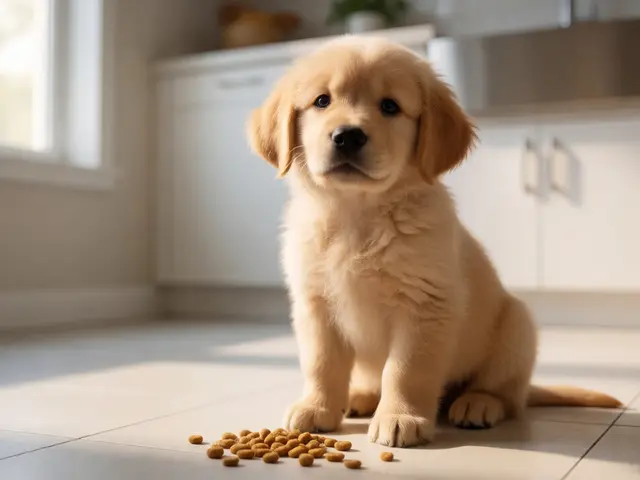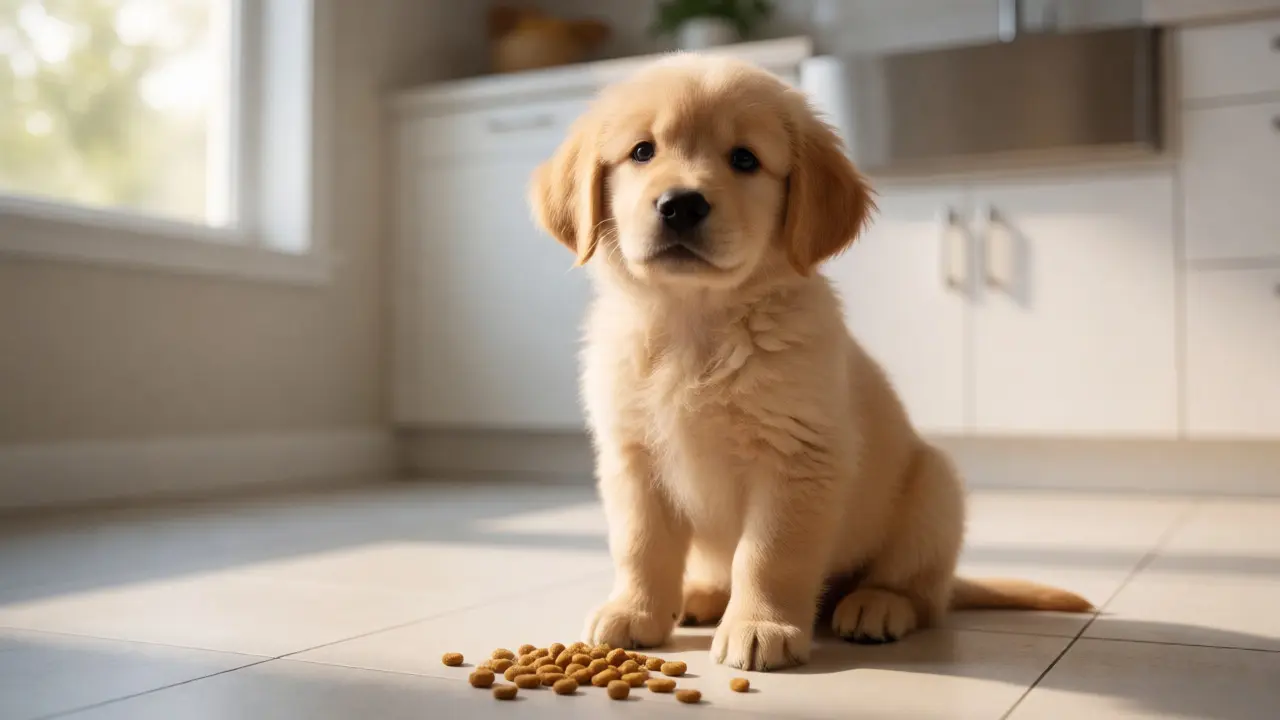
You bring home a fluffy bundle of joy, and suddenly your kitchen floor looks like a crime scene. Spilled kibble everywhere? That’s normal. But figuring out exactly how much to feed, when to feed, and what counts as "too many" treats can feel overwhelming. You want your puppy a young domestic dog typically under one year old to grow strong bones and healthy teeth, but you don’t want to overfeed them into obesity before they even hit their first birthday.
The truth is, there is no single magic number for every puppy. A Great Dane pup needs vastly different care than a Chihuahua. However, there are solid rules of thumb that keep things simple. This guide breaks down the science behind puppy feeding schedules, helps you calculate water needs, and keeps treat-giving in check so you aren’t sabotaging your training goals.
Why Timing Matters More Than You Think
Puppies have tiny stomachs and high metabolisms. Unlike adult dogs who can go 12 hours between meals without issue, puppies burn energy fast. If they wait too long, blood sugar drops, leading to lethargy or even hypoglycemia in smaller breeds. On the flip side, feeding large amounts at once can cause bloating or digestive upset because their systems aren’t fully developed yet.
Digestive Health The process by which food is broken down and absorbed by the body relies on consistency. When you feed at irregular times, the gut bacteria fluctuate, which often leads to soft stools or gas. By locking in a routine, you help regulate bowel movements, making house-training significantly easier. Most vets agree that consistency is the best tool for preventing accidents indoors.
The Age-Based Feeding Chart
Your puppy’s age dictates frequency more than anything else. As they grow, their capacity increases, allowing for fewer, larger meals. Here is the general breakdown accepted by most veterinary nutritionists:
| Age Range | Meals Per Day | Notes |
|---|---|---|
| 8-12 Weeks | 4 Times Daily | Stomach is very small; frequent fueling prevents low blood sugar. |
| 3-6 Months | 3 Times Daily | Growth spurt phase; steady energy supply needed. |
| 6-12 Months | 2 Times Daily | Transition period; monitor weight closely. |
| 1 Year+ | 1-2 Times Daily | Adult maintenance level (large breeds may need 2x until 18 months). |
Notice the shift from four meals to two. This isn’t arbitrary. Around six months, your puppy’s jaw strength and stomach size allow them to handle larger portions. If you’re raising a giant breed like a Great Dane A large breed of dog known for its massive size and gentle temperament, you might keep them on three meals until they are closer to nine months old to support sustained growth without stressing their joints.
Calculating Portion Sizes Without Guesswork
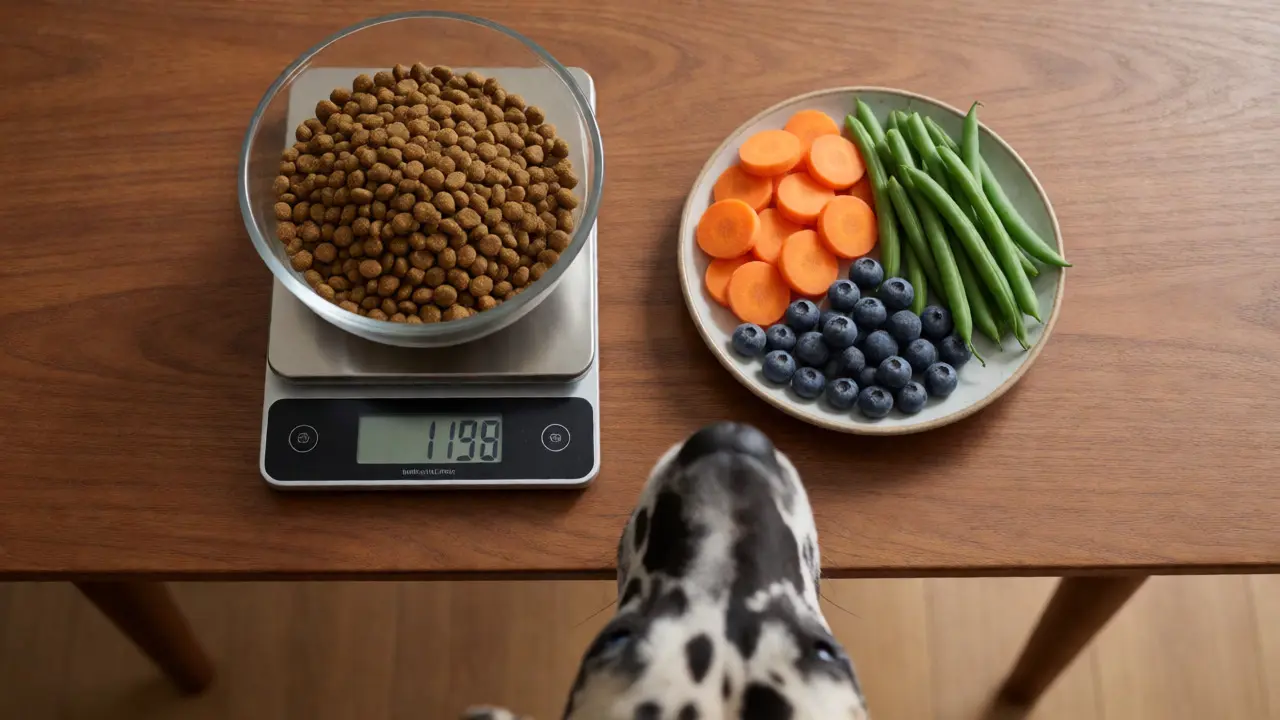
Stop using the measuring cup that came with the bag unless it’s clearly marked. People scoop differently. Instead, use a kitchen scale if possible, or stick to the specific gram/cup measurements listed on the dog food packaging. Look for the section labeled "Feeding Guidelines." It usually gives a range based on the puppy’s expected adult weight, not their current weight.
Here is a quick heuristic: Start with the middle of the recommended range. Check your puppy’s body condition score weekly. Can you feel their ribs easily without pressing hard? Are they visible but not protruding sharply? If yes, you’re good. If you have to dig through fat to find ribs, cut back by 10%. If the ribs are sharp and hip bones are jutting out, add 10% more food.
Remember that Kibble Dry dog food made from processed ingredients expands in the stomach. Wet food has higher moisture content and lower calorie density per volume. Never swap wet for dry without adjusting the portion size, or you’ll either underfeed or overfill their belly.
Treats: The Hidden Calorie Bomb
You love your puppy. They look at you with those big eyes, and you slip them a biscuit. Did you know that one standard training treat can contain 5-10 calories? For a 10-pound puppy needing only 300 calories a day, ten treats equal a full meal. This is why many owners struggle with weight management despite feeding "healthy" food.
Follow the 10% Rule. No more than 10% of your puppy’s daily caloric intake should come from treats. If your puppy eats 400 calories a day, that’s 40 calories from snacks. That might mean just four small training pieces or half a slice of apple. Use high-value rewards sparingly during intense training sessions and opt for lower-calorie options like green beans or carrot sticks for casual snacking.
- High-Value Treats: Cheese, freeze-dried liver, peanut butter (xylitol-free). Use for learning new commands.
- Low-Value Treats: Kibble pieces, carrots, blueberries. Use for reinforcing known behaviors.
- Chews: Bully sticks or dental chews count as meals. Subtract their calories from dinner.
Water Intake: How Much Is Enough?
Dehydration hits puppies faster than adults. They lose fluids quickly through panting and play. A good rule of thumb is that a puppy needs about 1 ounce of water per pound of body weight each day. So, a 20-pound puppy needs roughly 20 ounces (2.5 cups) of fresh water daily. Active puppies or those eating dry kibble will need more.
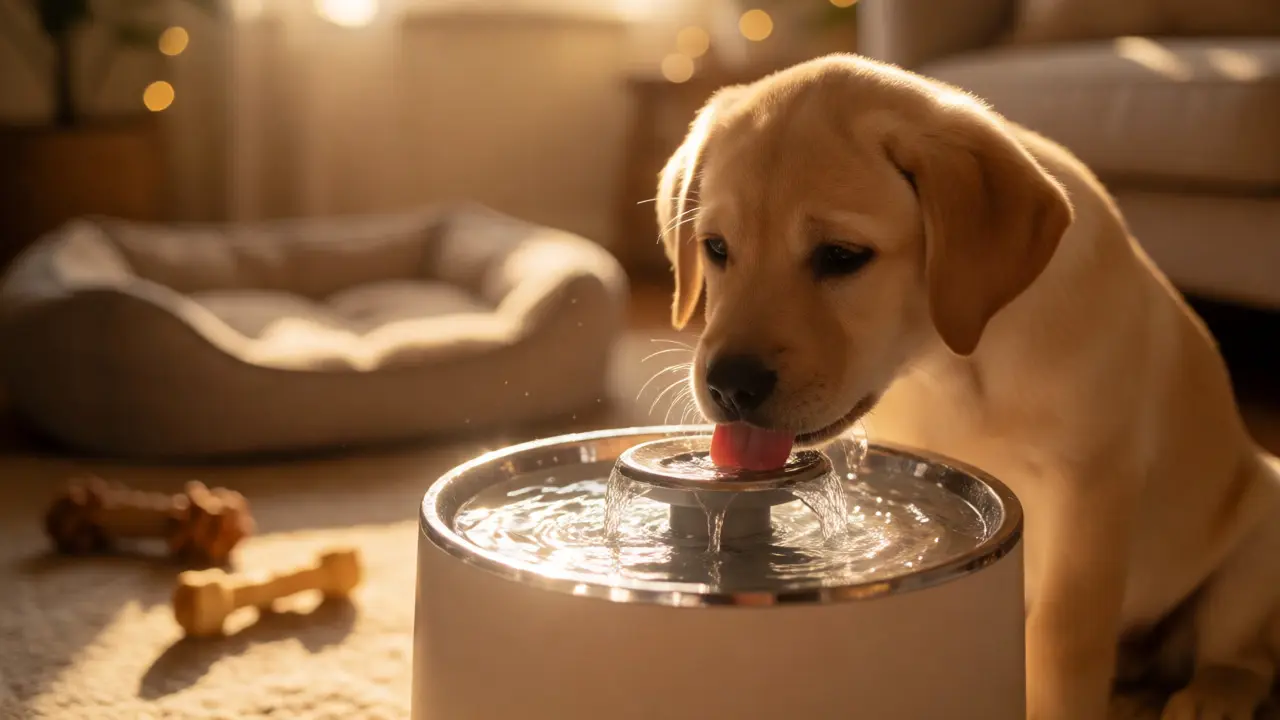
Keep the bowl clean. Biofilm-that slimy layer inside water bowls-harms health and tastes bad. Wash bowls daily with hot soapy water. Some puppies prefer running water; consider a pet fountain if your pup seems reluctant to drink. Watch for signs of dehydration: tacky gums, loss of skin elasticity, or dark yellow urine. If you notice these, encourage drinking immediately and consult your vet if it persists.
Common Mistakes to Avoid
Free-feeding-leaving food out all day-is tempting because it’s convenient. But it makes monitoring intake impossible and ruins house-training schedules. Puppies learn to eliminate after eating. If they graze constantly, they never establish a predictable bathroom rhythm.
Another pitfall is switching foods too rapidly. Their guts are sensitive. If you change brands, mix the old and new food over seven days, gradually increasing the new ratio. Abrupt changes cause diarrhea, which leads to dehydration and messy carpets.
Finally, don’t ignore the impact of exercise on appetite. A tired puppy eats less efficiently if they are exhausted post-play. Feed them before vigorous activity, or wait at least an hour after playtime to prevent bloat, especially in deep-chested breeds.
How do I know if my puppy is being fed enough?
Check their body condition score weekly. You should be able to feel their ribs with light pressure but not see them prominently. Monitor their energy levels and stool quality; firm, formed stools indicate proper digestion, while loose stools often signal overfeeding.
Can I give my puppy milk?
Most puppies become lactose intolerant after weaning. Cow’s milk can cause severe diarrhea and gas. If you want to offer a creamy treat, choose specially formulated goat milk or lactose-free dog milk products instead.
Should I feed my puppy before or after walks?
Feed before moderate walks to aid elimination timing, but avoid heavy exercise immediately after eating. Wait at least 30-60 minutes after a meal before vigorous play or running to reduce the risk of gastric torsion (bloat), particularly in larger breeds.
What human foods are safe for puppy treats?
Safe options include plain cooked chicken, lean beef, carrots, green beans, blueberries, and bananas. Always introduce new foods one at a time to watch for allergies. Avoid grapes, raisins, onions, garlic, chocolate, and xylitol-sweetened products entirely.
Do large breed puppies need special food?
Yes. Large breeds require controlled calcium and phosphorus levels to support slow, steady bone growth. Too much calcium can lead to developmental orthopedic diseases. Stick to formulas labeled specifically for "Large Breed Puppies" rather than generic puppy food.