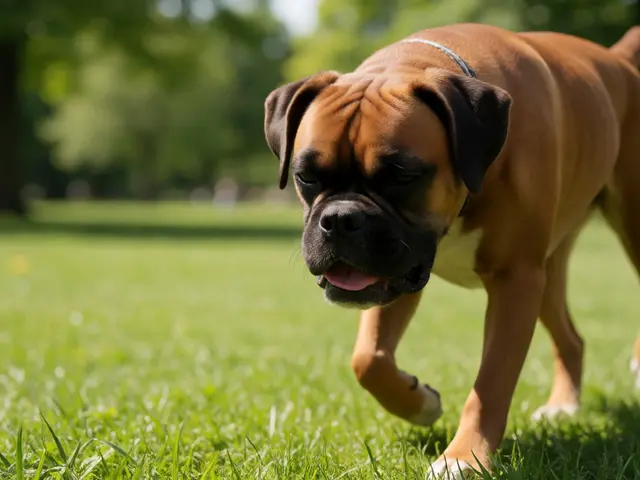
Most dog owners don’t realize how common dental problems are until their pup starts drooling, eating slower, or avoiding chew toys. By age three, over 80% of dogs show signs of gum disease. When it gets bad enough, a tooth extraction isn’t just an option-it’s the only way to stop pain and infection from spreading. But what does that really mean for your dog? And what should you expect before, during, and after the procedure?
Why Dog Teeth Need to Be Pulled
Dogs don’t get cavities like humans, but they do get broken teeth, infected roots, and advanced periodontal disease. These aren’t just "bad breath" problems-they’re sources of chronic pain and can lead to heart, kidney, or liver damage over time. The most common reasons for extraction are:
- Broken or fractured teeth-especially the large canine or carnassial teeth. A crack lets bacteria in, infecting the root.
- Severe gum disease-when bone loss around the tooth reaches 50% or more, the tooth becomes loose and can’t be saved.
- Resorptive lesions-a painful condition where the tooth structure starts dissolving from the inside out. It’s common in small breeds like Chihuahuas and Greyhounds.
- Overcrowding or retained baby teeth-especially in toy breeds, where baby teeth don’t fall out and block adult teeth from growing properly.
- Oral tumors-if a tumor is growing from or around a tooth, removal is often necessary.
Left untreated, infected teeth can cause abscesses, jaw fractures, or even spread infection to other organs. Extraction isn’t about losing a tooth-it’s about removing a source of systemic illness.
What Happens Before the Extraction
A vet won’t just pull a tooth without knowing what’s going on underneath. Before surgery, your dog will need:
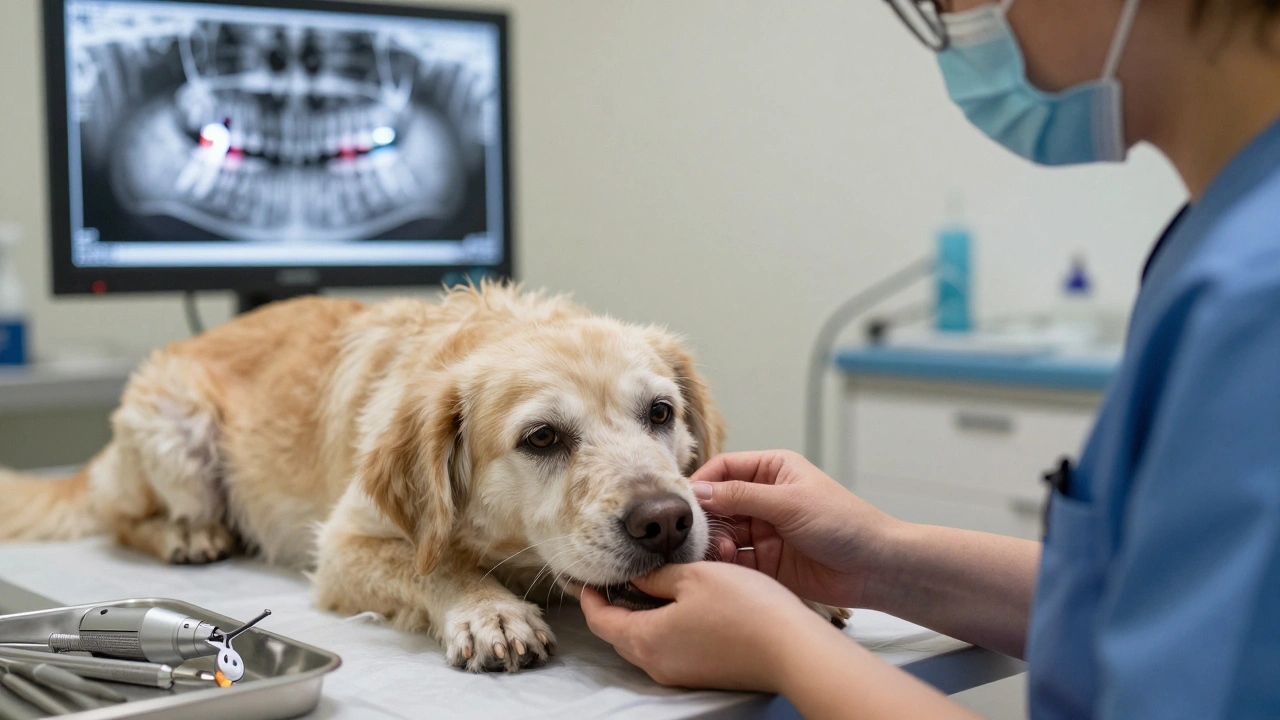
- A full oral exam under sedation. Even if your dog seems fine, they can hide pain. A professional check-up reveals hidden fractures, bone loss, or abscesses you can’t see.
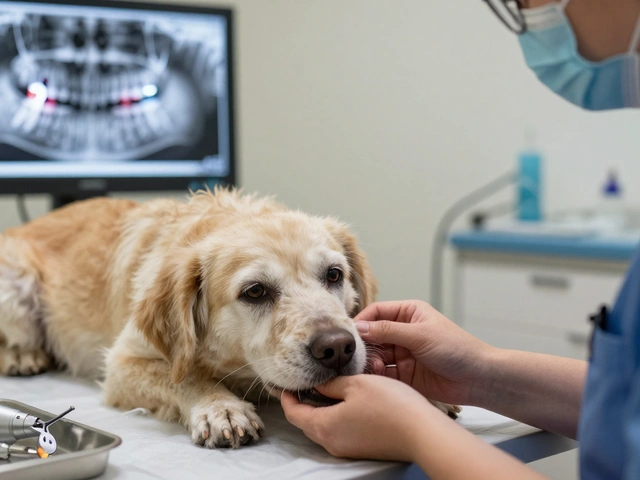
- Dental X-rays-this is non-negotiable. Up to 40% of dental issues in dogs are invisible without X-rays. You might think a tooth looks okay, but the root could be half-dissolved.
- Bloodwork-to check liver and kidney function. Anesthesia is safe for healthy dogs, but if those organs aren’t working well, the vet may adjust the protocol.
Most vets will recommend doing this the same day as the extraction. It’s faster, less stressful for your dog, and avoids multiple trips under anesthesia. If your dog is older or has health issues, the vet might space things out.
The Extraction Procedure: What to Expect
Here’s how it actually works:
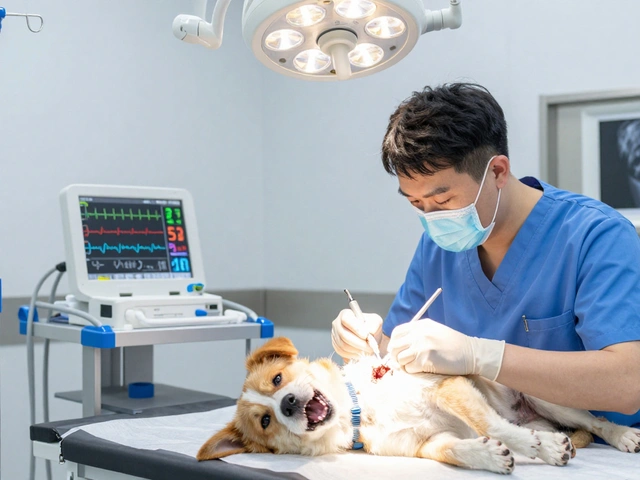
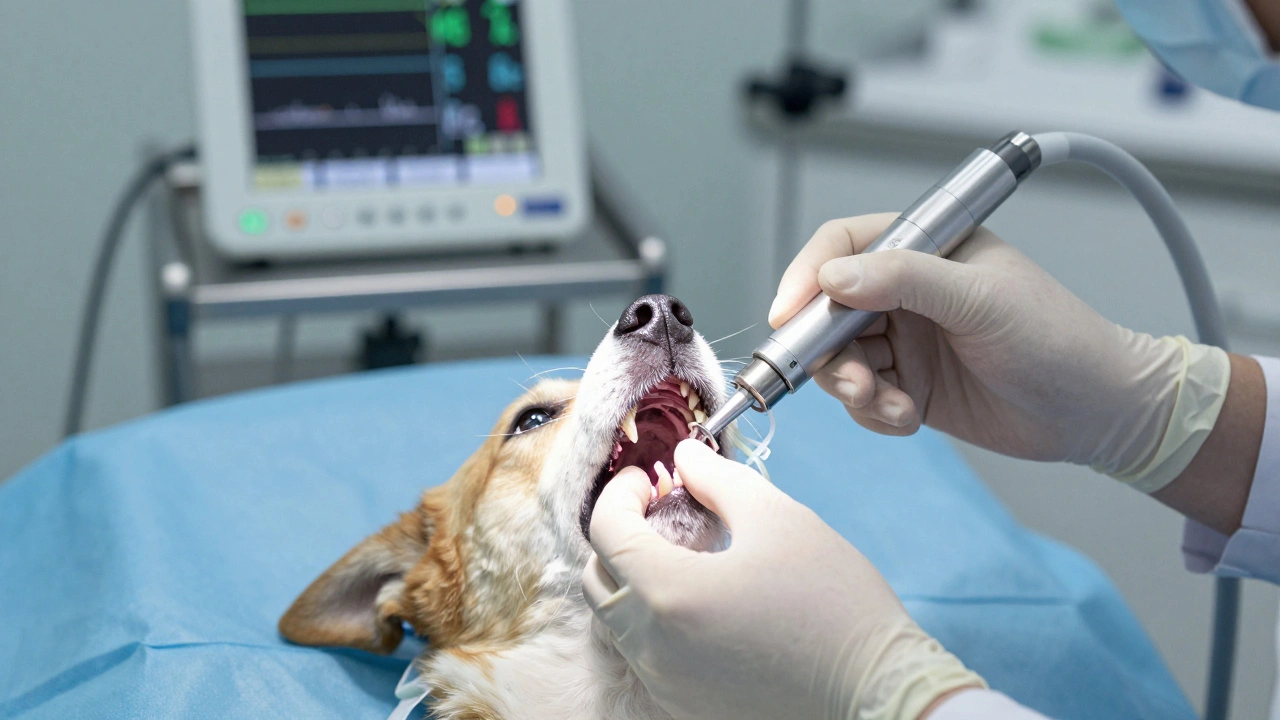
- Your dog is put under general anesthesia. No, it’s not risky for healthy dogs-modern protocols are very safe. The vet monitors heart rate, oxygen levels, and body temperature the whole time.
- A breathing tube is inserted. This keeps the airway open and prevents water or debris from entering the lungs.
- The vet uses a high-speed dental drill to carefully cut around the tooth. For multi-rooted teeth (like the carnassial tooth), each root is separated before removal.
- They gently loosen the tooth with a tool called an elevator, then pull it out with forceps.
- The socket is cleaned out. Bone fragments and infected tissue are removed.
- The gum is stitched closed with absorbable sutures. No need for a follow-up to remove them.
It’s not like pulling a tooth in a human dentist’s chair. Dogs have much stronger jaws and thicker roots. The procedure can take 15 minutes for a single tooth or over an hour if multiple teeth need removal. The vet will show you X-rays afterward so you understand exactly what was taken out.
Recovery: What Happens After Surgery
Most dogs wake up groggy but not in pain. Here’s what recovery looks like:
- First 24 hours-your dog might be sleepy, a little unsteady, or refuse food. Offer soft food: wet dog food, soaked kibble, or boiled chicken and rice. No hard treats, bones, or chew toys.
- Medication-your vet will send you home with painkillers (usually meloxicam or gabapentin) and sometimes antibiotics. Give them exactly as directed. Don’t skip doses, even if your dog seems fine.
- Healing time-the gums usually heal in 7-10 days. Avoid brushing teeth for 10 days after surgery. After that, resume gentle brushing with dog-safe toothpaste.
- Watch for red flags-if your dog is still not eating after 48 hours, has swelling, bleeding, or a foul smell from the mouth, call your vet. These could mean infection or a dry socket.
Many owners worry their dog won’t be able to eat without certain teeth. But dogs adapt quickly. They use their gums and tongue to mash food. A dog with no teeth can still eat dry kibble, just slower. The goal isn’t to preserve every tooth-it’s to remove the ones causing harm.
What You Can Do to Prevent Future Extractions
Extractions are expensive and stressful. Prevention is far easier:
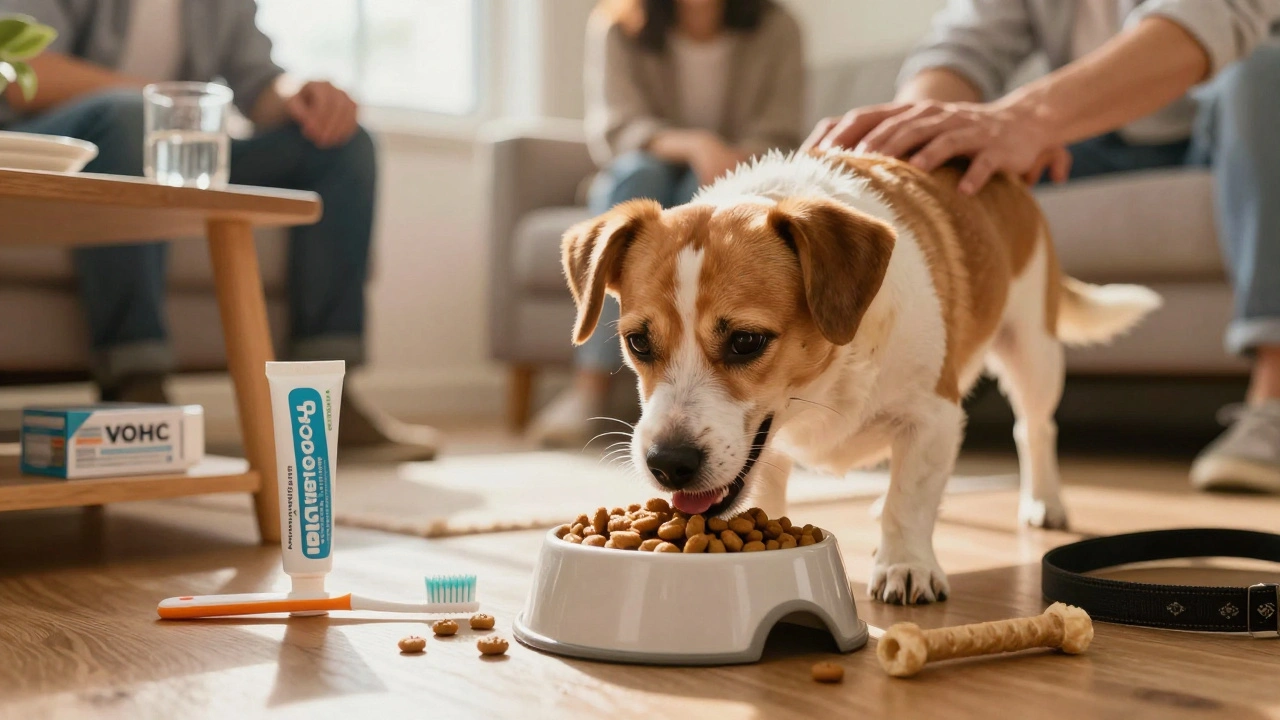
- Brush teeth daily-even three times a week helps. Use a dog-specific toothbrush and toothpaste. Human toothpaste is toxic to dogs.
- Choose dental chews wisely-look for VOHC-approved products (Veterinary Oral Health Council). Avoid hard bones, antlers, or rawhide-they fracture teeth.
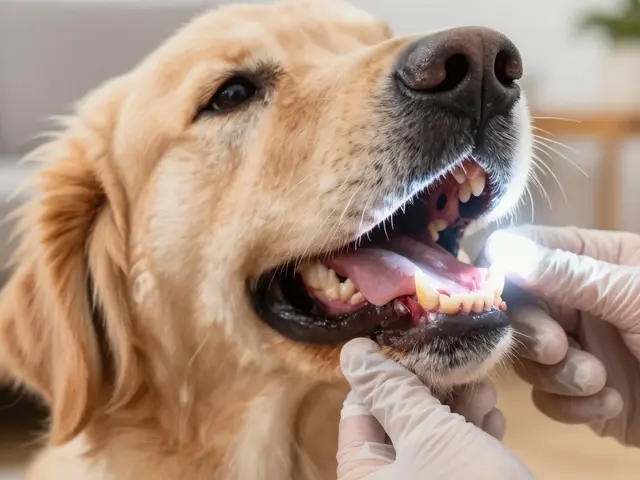
- Check your dog’s mouth monthly-lift the lips. Look for red gums, brown tartar, swelling, or loose teeth. Early detection saves teeth.
- Schedule annual dental exams-don’t wait until your dog is in pain. A vet can spot early gum disease before it’s too late.
Some breeds are more prone-Poodles, Dachshunds, and Shih Tzus need extra attention. But every dog, big or small, benefits from regular care.
Cost and Insurance
Extractions vary by location and complexity. A simple single tooth removal might cost $150-$300. Multiple extractions or those requiring bone work can run $800-$1,500. Dental X-rays usually add $100-$200. Some pet insurance plans cover extractions if they’re not pre-existing. Always ask for a written estimate before the procedure.
Common Myths About Dog Tooth Extractions
- Myth: "My dog is fine-they’re still eating."
Truth: Dogs are masters at hiding pain. They’ll chew on the other side of their mouth or swallow food whole. - Myth: "Extractions are dangerous for older dogs."
Truth: Older dogs often need extractions the most. With proper pre-op screening, anesthesia is safer than living with chronic infection. - Myth: "They’ll have trouble eating without teeth."
Truth: Dogs with no teeth can still live happily. Their jaws are built to grind food with gums, not just teeth.
Remember: a tooth that’s loose, infected, or cracked isn’t serving your dog. It’s hurting them.
Do dogs feel pain after a tooth extraction?
Yes, but veterinarians provide pain medication before, during, and after the procedure. Most dogs are sleepy or quiet for the first day, which is normal. If your dog is whining, refusing food after 48 hours, or pawing at their mouth, contact your vet. Pain is usually well-managed with proper medication.
Can a dog live without teeth?
Absolutely. Many senior dogs lose teeth naturally and live full, happy lives. Dogs use their gums and tongue to mash soft food. Dry kibble can still be eaten, though it may take longer. The real issue is removing painful, infected teeth-keeping them causes more harm than removing them.
How long does it take for a dog to recover from a tooth extraction?
Most dogs bounce back in 7-10 days. The gums heal quickly. Soft food is needed for the first week. Avoid hard treats, bones, or chew toys until the vet gives the all-clear. Stitches dissolve on their own. Full healing of the bone socket can take 4-6 weeks, but your dog won’t feel discomfort after the first week.
Are dental X-rays really necessary for dogs?
Yes. Up to 40% of dental problems in dogs are hidden below the gumline. A tooth that looks fine on the surface could have a cracked root, abscess, or bone loss. Without X-rays, vets are guessing. It’s the standard of care for any dental procedure.
What should I feed my dog after a tooth extraction?
For the first 7-10 days, feed soft food: canned dog food, soaked kibble, or cooked chicken and rice. Avoid dry kibble, hard treats, bones, or chew toys. Don’t brush teeth during healing. After that, you can slowly return to normal food unless your vet advises otherwise.
If your dog has had a tooth pulled, give them time. They’ll adjust. And with proper care, you’ll avoid the need for more extractions down the road. A healthy mouth means a happier, more active dog-and that’s worth every bit of effort.