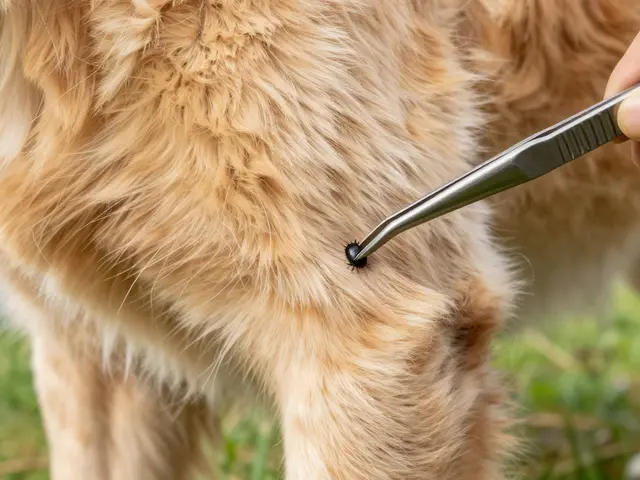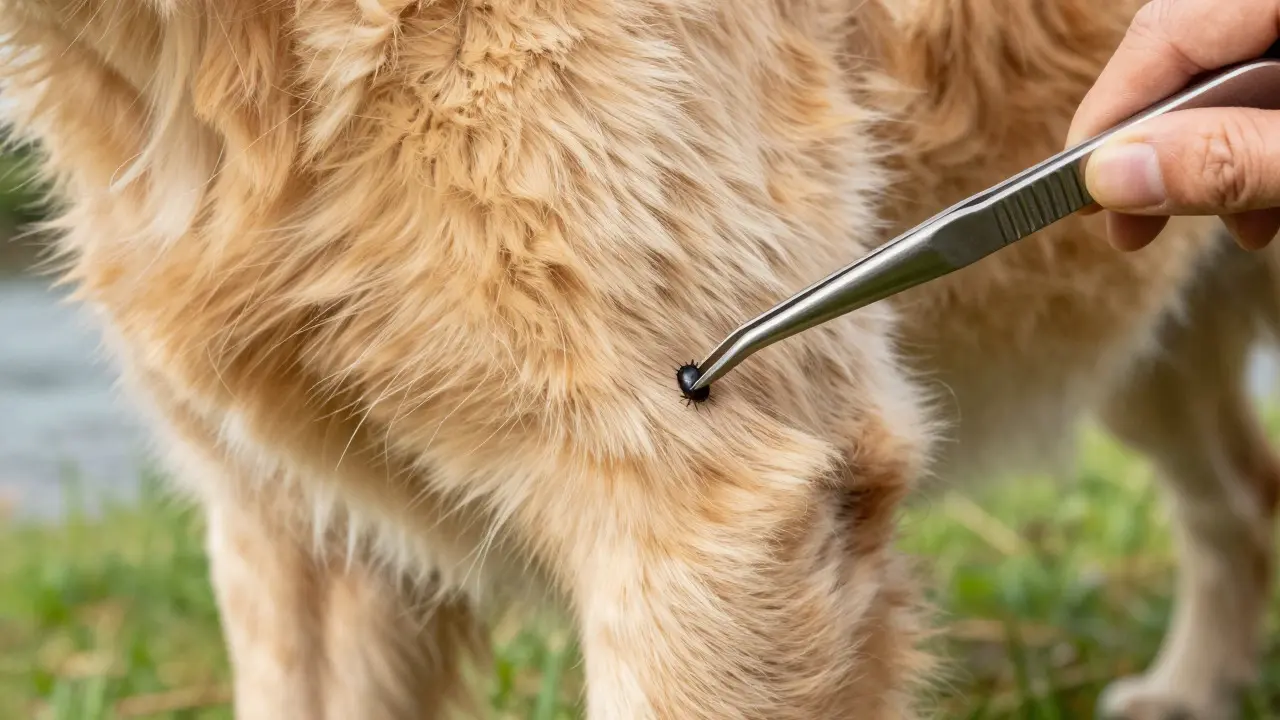
It’s a humid Tuesday in August, and you’re walking your Golden Retriever through the tall grass near the riverbank. You spot a small, dark bump on his leg. Your heart skips a beat. Is it just a skin tag? No, it’s a tick. And right now, you have about two minutes to decide how to handle it before panic sets in.
Most owners make one of two mistakes: they pull it out with bare fingers (risking leaving the head behind) or crush it with their hands (spreading pathogens). Neither is ideal. The goal is simple but critical: remove the entire tick, including the mouthparts, without squeezing its body. This article breaks down exactly which tools work best, how to use them safely, and when you should call a vet instead of DIY-ing it at home.
The Right Tools for the Job
You don’t need expensive medical equipment to remove a tick a parasitic arachnid that feeds on blood from mammals, birds, and reptiles. However, using the wrong tool can turn a minor annoyance into a veterinary emergency. Here are the three most effective options, ranked by safety and ease of use:
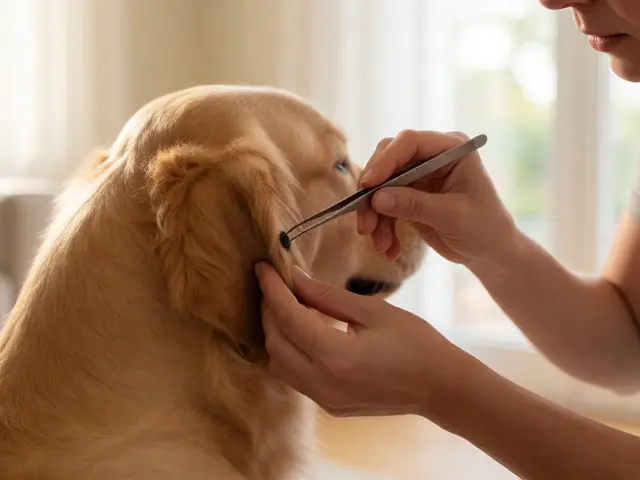
- Fine-Pointed Tweezers: These are the gold standard for small to medium ticks. Look for tweezers with sharp, straight tips. Avoid flat-nose pliers, as they tend to crush the tick’s abdomen, forcing saliva (and potentially bacteria) back into the wound.
- Tick Keys: A plastic, loop-shaped tool that slides under the tick’s head. It’s great for beginners because it requires less dexterity than tweezers. However, it works best on engorged ticks; very tiny nymphs can be tricky to catch with the loop.
- Scalpel Blades: Some vets recommend using a #15 blade to slice off the tick’s head if only the mouthparts remain after initial removal. Keep this method for emergencies only, as it carries a higher risk of cutting your pet’s skin.
Avoid using petroleum jelly, nail polish, or heat. These old wives’ tales often cause the tick to burrow deeper or release more saliva while struggling to breathe. The mechanical removal method is faster and cleaner.
Step-by-Step Removal Technique
Before you start, wash your hands thoroughly. If possible, wear disposable gloves. Ticks carry several diseases, so hygiene matters even if you’re just handling a single parasite.
- Expose the Tick: Part your dog’s fur to see the full size of the tick and ensure its head is attached to the skin. Use a comb to clear away matted hair around the site.
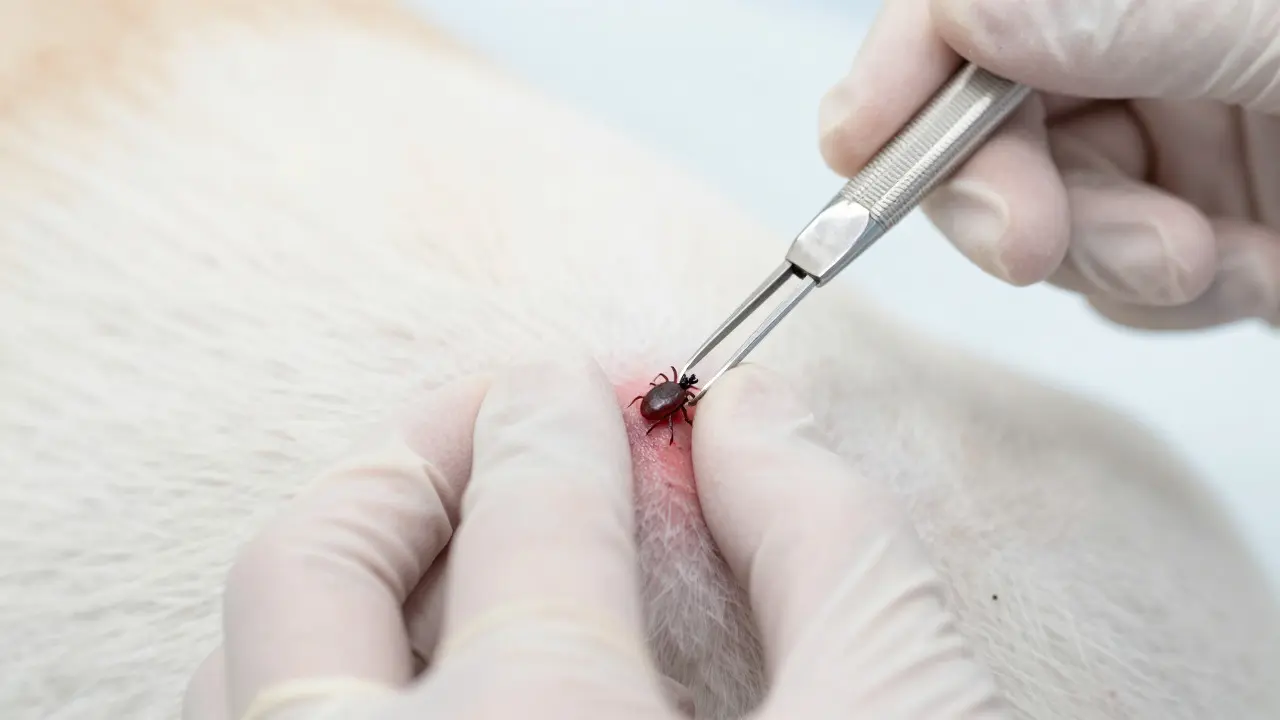
- Grip Close to the Skin: Using fine-pointed tweezers, grasp the tick as close to the dog’s skin surface as possible. Do not grab the swollen belly. If you squeeze the body, you increase the chance of regurgitation.
- Pull Upward with Steady Pressure: Pull straight up with even, gentle pressure. Avoid twisting or jerking, which can break the mouthparts off inside the skin. It may take a few seconds to free the tick; stay patient.
- Inspect the Wound: Once removed, look at the tick’s head. Are all the legs and the proboscis (mouthpart) still attached? If yes, you did it right. If you see black dots remaining in the skin, those are likely the embedded mouthparts.
- Clean the Area: Apply an antiseptic wipe or alcohol swab to the bite site. Let it air dry. Do not apply heavy ointments immediately, as they can trap bacteria.
If the mouthparts remain embedded, don’t panic. In many cases, the body will reject them naturally within a few days. You can try gently probing the area with a sterilized needle to lift them out, but do not dig deep. If the area becomes red, hot, or oozes pus, visit your vet.
Identifying Dangerous Ticks in the Pacific Northwest
Since we’re talking about safe removal, context matters. Not all ticks are created equal. In regions like Oregon and Washington, the primary concern is Ixodes scapularis the black-legged tick, also known as the deer tick, which transmits Lyme disease. This species is small-often the size of a poppy seed when unfed-and hard to spot. It is the vector for Borrelia burgdorferi the bacterium that causes Lyme disease in humans and dogs.
Another common culprit is the American Dog Tick (Dermacentor variabilis), which can transmit Rocky Mountain Spotted Fever and Tularemia. While less prevalent in urban areas, it thrives in wooded suburbs. Knowing which tick you’re dealing with helps you gauge the urgency of monitoring your dog for symptoms over the next 30 days.
| Species | Common Name | Primary Disease Risk | Typical Size (Fed) | Removal Difficulty |
|---|---|---|---|---|
| Ixodes pacificus | Western Black-Legged Tick | Lyme Disease, Anaplasmosis | ~8mm | High (small, smooth body) |
| Dermacentor variabilis | American Dog Tick | RMSF, Tularemia | ~10mm | Medium (rougher texture) |
| Rhipicephalus sanguineus | Brown Dog Tick | Ehrlichiosis | ~12mm | Low (large, easy to grip) |
Prevention: Stopping Ticks Before They Bite
Removing ticks is reactive; prevention is proactive. If you live in an area with high tick activity, consider these strategies:
- Topical Treatments: Products containing fipronil or amitraz are widely used. Fipronil-based sprays kill ticks on contact and last up to 30 days. Always follow label directions regarding weight limits for your dog.
- Collars: Seresto collars offer 8 months of protection against fleas and ticks. They work by releasing active ingredients slowly through the dog’s coat. Note that some cats are sensitive to imidacloprid (an ingredient in Seresto), so check compatibility if you have multi-pet households.
- Environmental Control: Mow your lawn regularly. Ticks thrive in moist, shaded areas with leaf litter. Keeping your yard tidy reduces the population significantly.
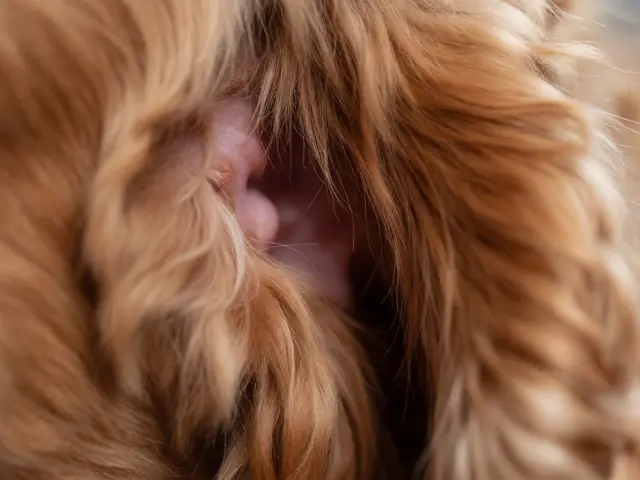
Regular grooming sessions are non-negotiable. Check your dog’s ears, armpits, groin, and between the toes after every walk in grassy or wooded areas. Ticks prefer warm, moist skin folds, making these spots prime real estate for attachment.

When to See a Veterinarian
Home removal is safe for most cases, but certain scenarios warrant professional help:
- Multiple Ticks: If you find more than five ticks, your dog may have a severe infestation requiring systemic treatment.
- Signs of Illness: Watch for lethargy, loss of appetite, fever, or joint pain. These could indicate early-stage Lyme disease or other tick-borne illnesses.
- Deep Embedding: If the tick is buried deep in the skin and cannot be grasped easily, a vet can use local anesthesia to remove it safely.
- Uncertainty About Species: If you’re unsure what kind of tick it was, bring the dead tick in a sealed bag to your vet. They can identify it and advise on testing if necessary.
Your veterinarian can also perform a Lyme titer test if your dog shows symptoms weeks after a bite. Early detection dramatically improves treatment outcomes.
Common Mistakes to Avoid
Even experienced pet owners slip up. Here are the most frequent errors that lead to complications:
- Twisting the Tick: This action shears the mouthparts, leaving them in the skin. Always pull straight up.
- Using Bare Fingers: While possible, it’s risky. Tweezers provide better control and hygiene.
- Ignoring the Aftermath: Don’t just throw the tick in the trash. Place it in a jar with alcohol to preserve it for identification if needed later.
- Skipping Follow-Up Checks: Monitor the bite site for 2-4 weeks. A red bull’s-eye rash (erythema migrans) is a classic sign of Lyme disease, though it appears in fewer than 50% of human cases and is rare in dogs. Joint swelling is a more common indicator in canines.
Remember, a tick bite is not automatically an infection. Most ticks die before transmitting disease. But vigilance pays off.
Can I use a credit card to scrape a tick off my dog?
Yes, this is a valid alternative if you don't have tweezers. Slide the edge of a credit card under the tick's head and lever it up. It works well for larger, engorged ticks but can be difficult for tiny nymphs.
How long does it take for a tick to transmit disease?
For Lyme disease, the Western Black-Legged Tick usually needs to be attached for 36 to 48 hours before transmission occurs. For other diseases like Anaplasmosis, transmission can happen sooner, sometimes within 24 hours. This is why prompt removal is key.
What should I do if the tick's head stays in the skin?
Don't dig aggressively. Clean the area with antiseptic. In most cases, the body will push the foreign material out naturally. If the spot remains red or inflamed after a week, consult your vet for professional extraction.
Are essential oils safe for tick removal?
Generally, no. Essential oils can irritate a dog's sensitive skin and may cause the tick to move or regurgitate. Stick to proven mechanical methods like tweezers or tick keys for the safest outcome.
Do I need to treat my house after finding a tick on my dog?
Usually, no. Ticks come from the outdoors. However, if you find multiple live ticks in your home, especially in carpeted areas, you may want to vacuum thoroughly and wash bedding in hot water to prevent re-infestation.