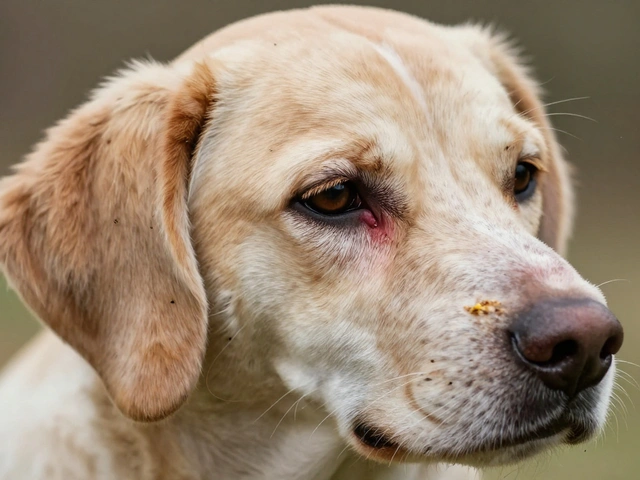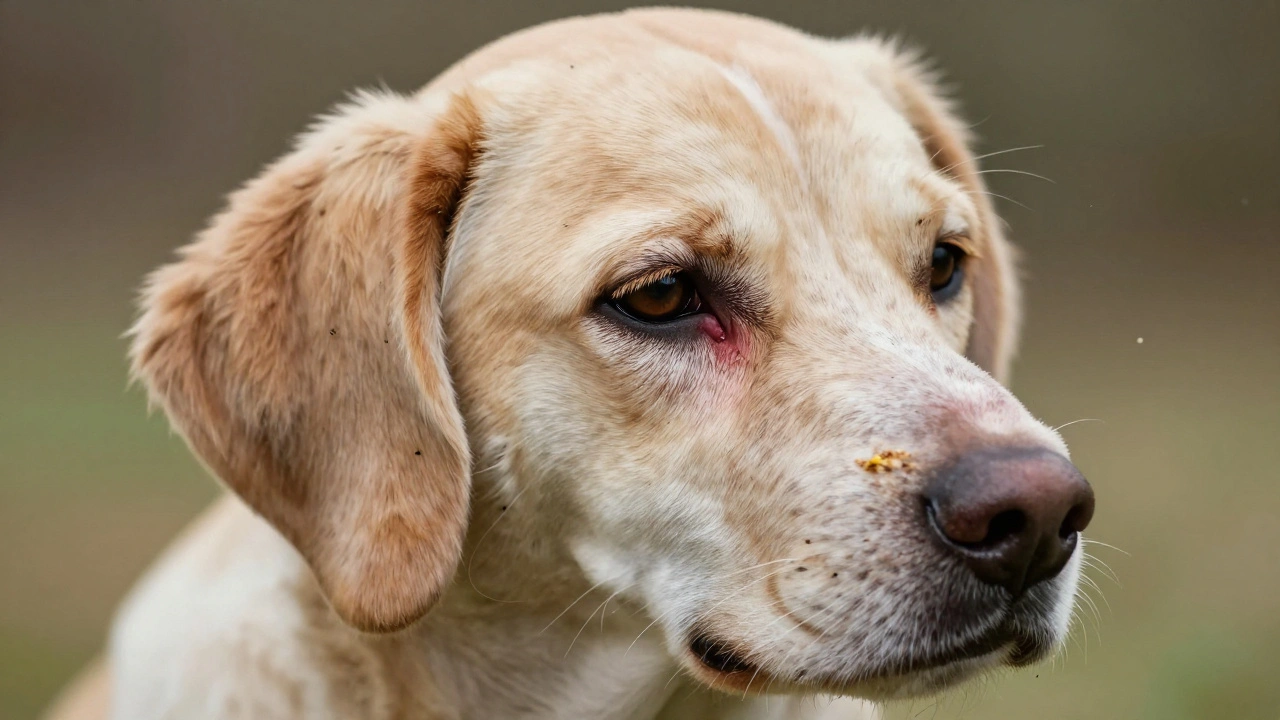
If your dog keeps getting ear infections-no matter how many times you clean them or how many antibiotics the vet prescribes-you might be treating the symptom, not the cause. In many cases, recurring ear infections in dogs aren’t just about bacteria or yeast. They’re a red flag for something deeper: allergies.
Why Dog Ears Are So Prone to Trouble
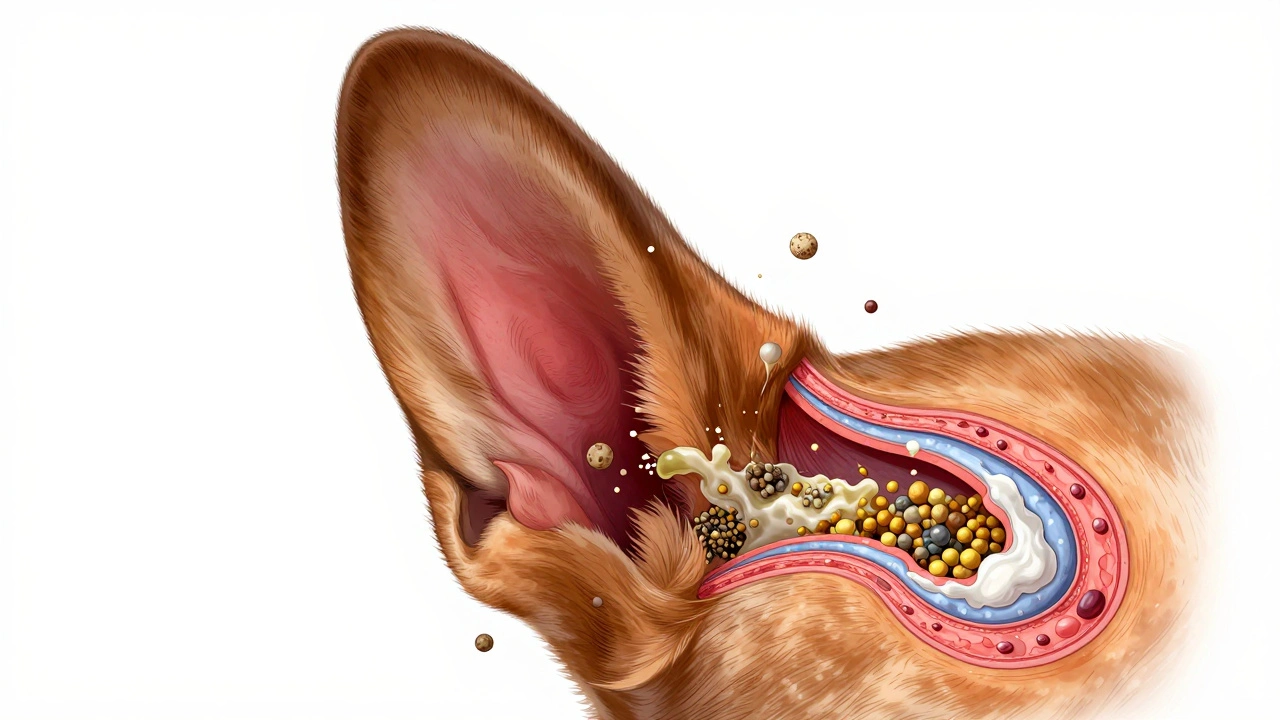
Dogs don’t have straight ear canals like humans. Their ears are L-shaped, with a vertical canal that turns sharply into a horizontal one. That design traps moisture, wax, and debris. Add in floppy ears that block airflow, and you’ve got the perfect breeding ground for infection. But that’s not the whole story. Most dogs with chronic ear infections have one thing in common: their immune system is overreacting.When a dog is allergic to something-whether it’s pollen, dust mites, chicken, or even flea saliva-their body releases histamine. That causes inflammation, itching, and increased wax production. The ear canal swells, the skin gets irritated, and the natural balance of yeast and bacteria tips over. What starts as a mild itch becomes a full-blown infection. And because the root cause isn’t addressed, it comes back again and again.
The Hidden Signs of Allergies in Dogs
Most owners think of allergies as sneezing or watery eyes. But in dogs, the signs are often hidden in their skin and ears. Look for these patterns:- Constant head shaking or ear scratching, especially after being outside or eating
- Red, swollen, or warm ear flaps
- Dark brown or yellow discharge with a yeasty smell
- Hair loss around the ears or base of the tail
- Itchy paws, belly, or armpits
- Recurring skin infections in the same spots
If your dog shows two or more of these, allergies are likely involved. A single ear infection might be from water or a foreign object. But if it’s happening every few months-or worse, every few weeks-you’re dealing with an allergic response.
Food Allergies vs. Environmental Allergies
Not all allergies are the same. There are two main types that trigger ear infections:Food allergies usually show up between 6 months and 3 years of age. Common triggers include beef, chicken, dairy, eggs, and soy. The reaction isn’t immediate-it builds over days. That’s why it’s hard to connect the dots. A dog might eat chicken every day and only develop ear infections every 3 weeks. The pattern isn’t obvious unless you track it.
Environmental allergies (also called atopy) are triggered by airborne particles: pollen, mold, dust mites, or even human dander. These tend to be seasonal. If your dog’s ears flare up every spring or fall, that’s a strong clue. Some dogs react year-round if they’re sensitive to indoor allergens like carpet fibers or cleaning products.
Here’s the catch: many dogs have both. A dog with a chicken allergy might also be sensitive to grass pollen. That’s why one treatment rarely fixes everything.
How Vets Diagnose Allergy-Related Ear Infections
Most vets will start by ruling out parasites, foreign bodies, or hormonal issues. But to confirm allergies as the root cause, they’ll often recommend one of two paths:- Food elimination trial-Switching your dog to a limited-ingredient diet with a novel protein (like duck or venison) for 8-12 weeks. No treats, no table scraps. If the ear infections stop, you’ve found the trigger.
- Allergy testing-Blood tests or skin prick tests can identify environmental allergens. These aren’t perfect, but they help narrow down what to avoid.
Some vets will also check for hypothyroidism or Cushing’s disease-hormonal issues that weaken the skin’s defenses. But if those come back normal and the infections keep returning, allergies are the prime suspect.
What Actually Helps (and What Doesn’t)
Antibiotics and ear drops give short-term relief, but they don’t fix the problem. Here’s what works:- Switching food-If a food trial confirms a trigger, stick with the new diet. No going back to old kibble, even if it’s "just a treat." One bite can restart the cycle.
- Regular ear cleaning-Use a vet-recommended cleaner twice a week. Don’t use cotton swabs. A soft cloth or cotton ball on your finger is enough. The goal is to remove wax buildup, not scrub the canal.
- Reducing allergen exposure-Wipe your dog’s paws and belly after walks. Wash bedding weekly. Use HEPA filters in your home. Vacuum often with a HEPA vacuum.
- Medicated shampoos-Oatmeal or chlorhexidine shampoos help soothe itchy skin and reduce yeast overgrowth.
- Immunotherapy-For environmental allergies, allergy shots or oral drops can retrain the immune system over time. Success rates are 60-80% after 6-12 months.
What doesn’t work? Just cleaning the ears more. Using alcohol-based cleaners. Trying home remedies like vinegar or coconut oil without vet guidance. These can irritate already inflamed skin and make things worse.
Real-Life Example: Max’s Story
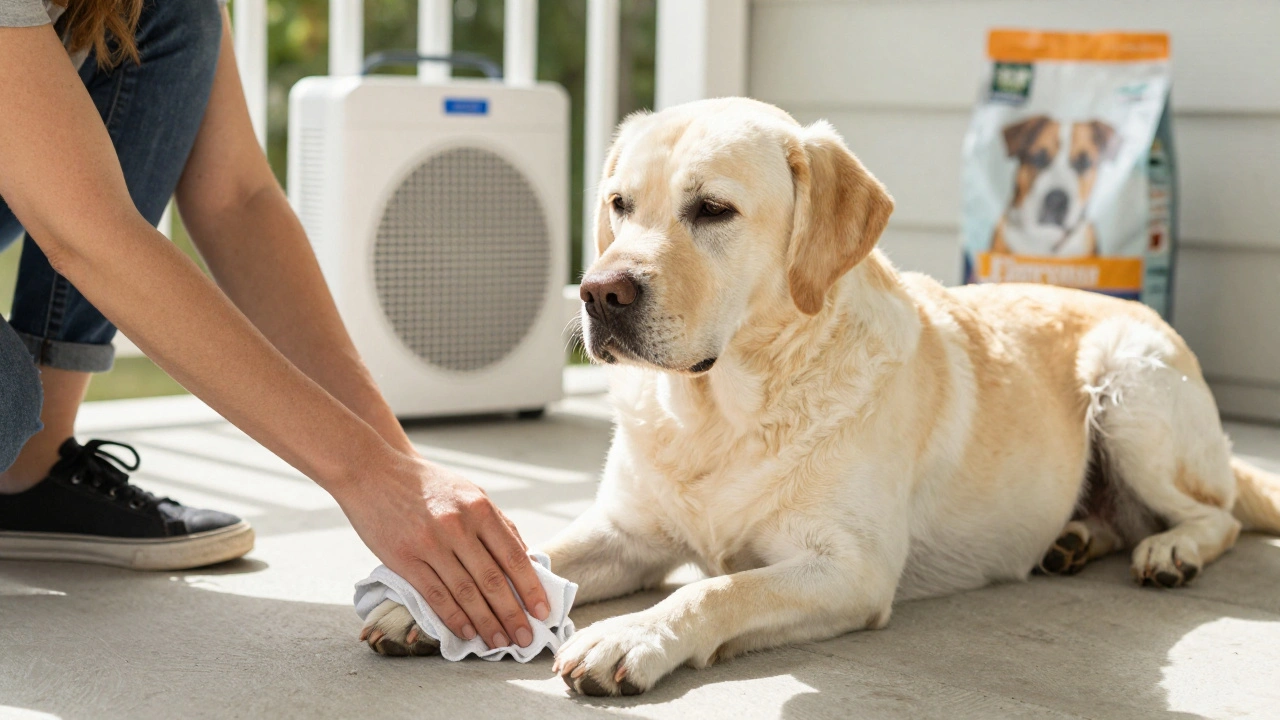
Max, a 4-year-old Labrador from Portland, had ear infections every 6 weeks for over a year. His owner tried every ear cleaner, every antibiotic, even switched to "hypoallergenic" kibble that still had chicken meal. Nothing worked. Finally, the vet suggested a food trial with fish and potato. Within 4 weeks, the scratching stopped. After 8 weeks, Max’s ears were completely clear. When they reintroduced chicken, the infection returned in 10 days. Max’s owner now feeds him a fish-based diet and wipes his paws after every walk. No more ear meds.Long-Term Management Is Possible
Chronic ear infections aren’t a life sentence. With the right diagnosis, most dogs can live comfortably without constant vet visits. The key is patience. Allergy management isn’t about a quick fix. It’s about finding the trigger, removing it, and supporting your dog’s skin and immune system.Keep a log: note when infections happen, what your dog ate, where they went, and how the weather was. Patterns emerge over time. And don’t give up. Many dogs with allergies live happy, healthy lives once their triggers are identified. Their ears stop hurting. Their tails start wagging again.
Can allergies cause ear infections in dogs even if they don’t seem itchy?
Yes. Not all allergic dogs scratch their ears visibly. Some just shake their heads slightly or rub their ears on furniture. The inflammation inside the ear canal can still lead to infection. Look for redness, odor, or discharge-even without obvious scratching.
Is it safe to clean my dog’s ears at home?
Yes, but only with a vet-approved ear cleaner. Never use hydrogen peroxide, alcohol, or homemade mixtures. These can burn inflamed skin. Use a gentle, pH-balanced solution and apply it to a cotton ball or soft cloth. Gently wipe the outer ear and visible part of the canal. Never insert anything deep into the ear.
How long does a food elimination trial take?
At least 8 weeks, and often 12. It takes time for allergens to fully leave the system and for inflammation to settle. Even one treat with the old ingredient can reset the clock. Stick to the plan strictly-no exceptions.
Can I use over-the-counter antihistamines for my dog’s allergies?
Some antihistamines like cetirizine or loratadine can help, but they’re not reliable for all dogs. Only about 30% of allergic dogs respond well. Always talk to your vet before giving any human medication. Dosing matters, and some antihistamines contain unsafe ingredients like xylitol.
Do ear infections always mean allergies?
No. Ear infections can also come from water trapped after swimming, ear mites, tumors, or foreign objects like grass seeds. But if infections keep coming back despite proper cleaning and treatment, allergies are the most common underlying cause.