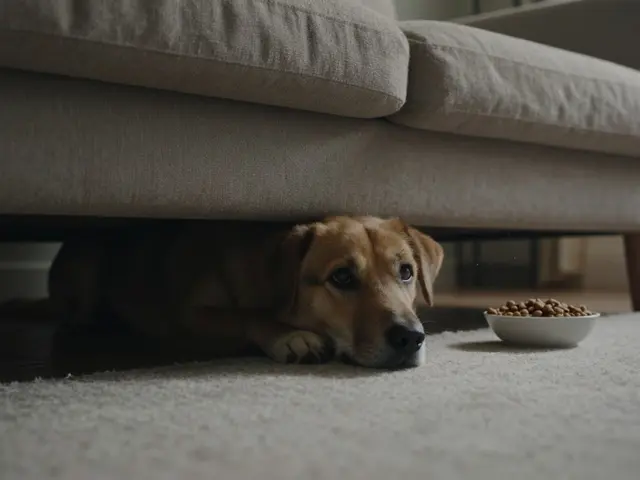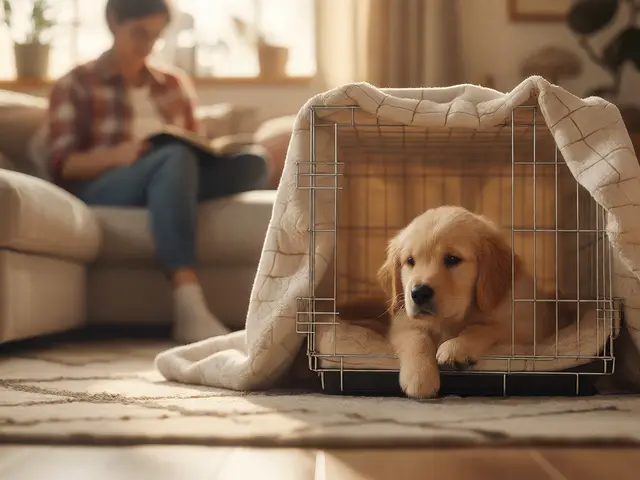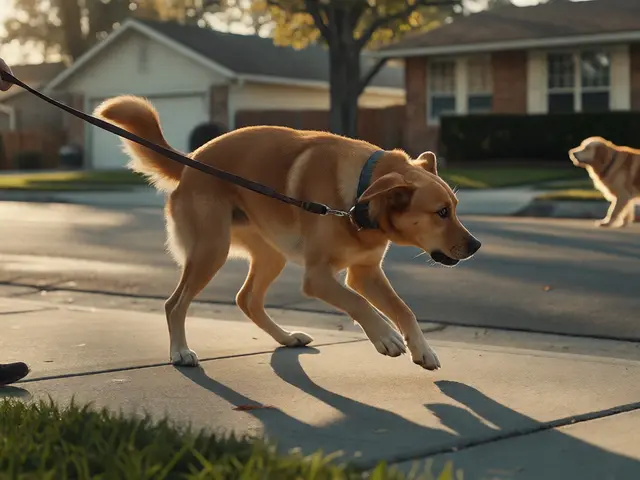
It’s been three days since you brought your new best friend home. You bought the premium kibble, set up the cozy crate, and maybe even got a matching bandana. But instead of the wagging tail you expected, you’re getting a dog that hides under the couch, refuses to eat, or barks at the vacuum cleaner like it’s an enemy combatant. Don’t panic. This isn’t because you did something wrong; it’s because your dog is in the decompression period.
Every adopted dog needs time to reset their nervous system after the stress of shelter life or previous homes. Think of it as a biological reboot. For most dogs, this adjustment window lasts between seven and twenty-one days. Some take longer if they have trauma histories, but the general rule holds true: patience is your best tool right now.
Why the First Week Feels Like the Hardest
The first few days are often called the "silent phase." Your dog might stop eating, sleep more than usual, or seem completely uninterested in play. This is normal. In a shelter environment, survival instincts kick in. Dogs learn to hold back their true personalities to avoid conflict with other animals and humans. Once they are in a safe, quiet home, they finally let their guard down, which can look like withdrawal or fear rather than happiness.
If your dog was previously surrendered by a family, they may be grieving the loss of their old routine. If they came from a high-volume shelter, they are likely exhausted from sensory overload. Give them space. Let them come to you. If you force interaction during this vulnerable stage, you risk reinforcing their anxiety.
The 3-Week Adjustment Timeline
While every dog is different, behavioral experts generally observe a predictable pattern in the first month. Understanding these phases helps you know what to expect so you don't misinterpret normal behavior as a problem.
- Days 1-7 (The Decompression Phase): Expect low energy, hiding, and potential appetite changes. Keep interactions brief and calm. Focus on feeding routines and letting the dog explore the house on their own terms.
- Days 8-14 (The Testing Phase): Your dog will start to test boundaries. They might jump on the counter, chew shoes, or ignore commands. This isn't defiance; it's curiosity. They are learning what is allowed in this new environment.
- Days 15-21 (The Bonding Phase): You’ll see more eye contact, relaxed body language, and voluntary affection. The dog starts to trust that the "new humans" are safe and consistent.
- Day 30+ (Settling In): By the end of the first month, most dogs have established a routine. Their personality should be fully visible, and training becomes significantly easier because the foundation of trust is built.
Creating a Safe Environment for Settling In
Your goal during the first two weeks is to minimize stress triggers. A chaotic household makes the adjustment period much harder. Here is how to set your home up for success:
- Establish a Safe Zone: Designate one room or a specific corner as your dog’s sanctuary. It should contain their bed, water, and a few toys, but no high-value items that could be destroyed. This gives them a place to retreat when overwhelmed.
- Stick to a Strict Routine: Dogs thrive on predictability. Feed, walk, and potty break at the same times every day. Consistency signals safety. If you work from home, try to maintain office-like hours so the dog doesn't become dependent on your constant presence.
- Manage Introductions Slowly: If you have other pets or children, keep initial meetings short and supervised. Use baby gates or crates to separate spaces. Let the dogs sniff through a barrier before face-to-face interaction. Rushing this step is the leading cause of inter-pet aggression in newly adopted homes.
- Limit Social Visits: Friends and family want to meet the new dog immediately. While sweet, too many strangers in the first week can be overwhelming. Ask visitors to sit quietly and let the dog approach them. No forced petting, no loud voices, and no hugging.

Nutrition and Health Considerations
Appetite changes are common during the post-adoption anxiety a state of heightened alertness and stress experienced by dogs in new environments. However, if your dog refuses food for more than 48 hours, consult your vet. Stress-induced vomiting or diarrhea can also occur due to sudden diet changes or anxiety.
When transitioning food, do it gradually. Mix the new kibble with the old food over five to seven days. Sudden dietary shifts can upset sensitive stomachs, adding physical discomfort to emotional stress. Also, ensure you’ve completed any required veterinary check-ups, including vaccinations and parasite prevention, within the first week. A healthy body supports a stable mind.
Training During the Adjustment Period
Should you start training immediately? Yes, but keep it simple. Avoid complex obedience classes in the first two weeks. Instead, focus on positive reinforcement basics. Reward calm behavior, not just tricks.
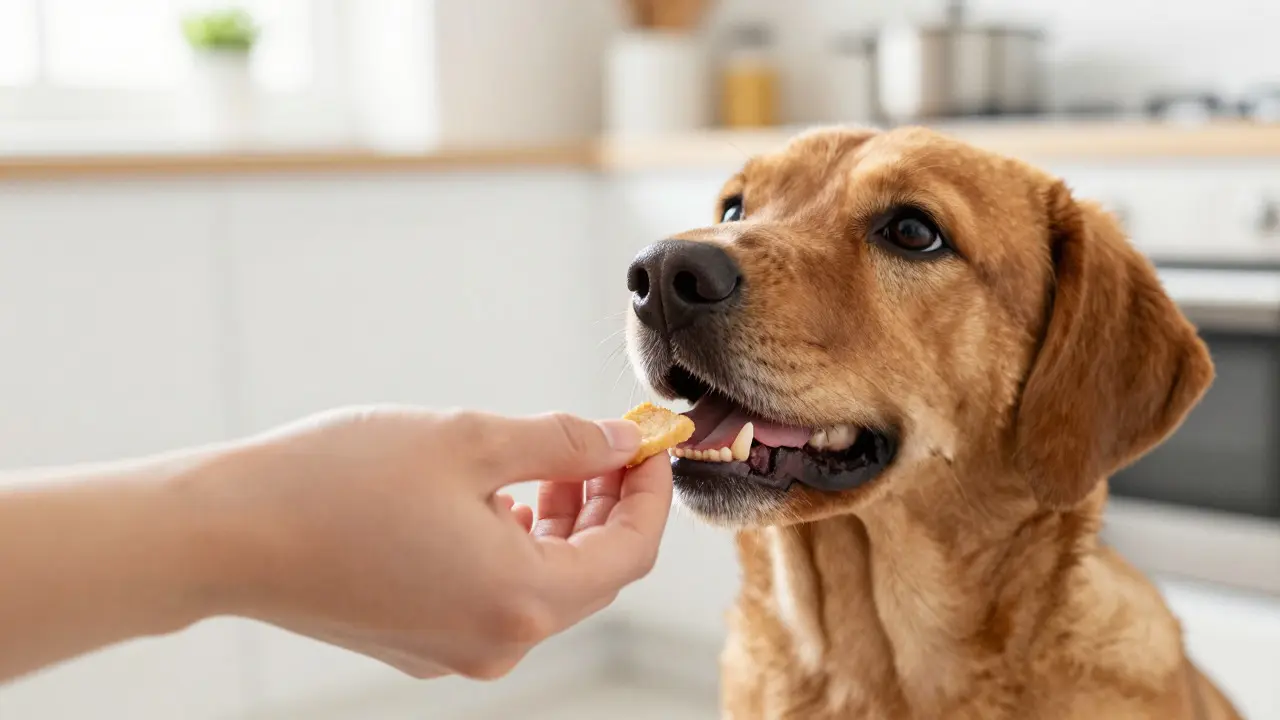
Use high-value treats (like small pieces of chicken or cheese) to build association with your presence. When your dog looks at you, mark it with a clicker or a verbal "yes!" and give a treat. This builds communication without pressure. Avoid punishment-based methods entirely during this phase. A scolded dog who is already anxious will hide deeper, making it harder to read their cues later.
When to Call a Professional
Most issues resolve with time and consistency. However, some signs indicate you need professional help sooner rather than later. If your dog shows resource guarding (growling when you approach their food), severe separation anxiety (destroying doors or crying for hours when left alone), or fear aggression toward people, seek guidance from a certified canine behaviorist. These behaviors are harder to fix once they become entrenched habits.
Don’t wait until the third month to address serious issues. Early intervention is key. A good trainer or behaviorist can teach you how to read your specific dog’s body language, which varies greatly between breeds and individual temperaments.
Building Long-Term Trust
The adjustment period the critical timeframe following adoption where a dog adapts to a new home, routine, and social dynamics is just the beginning. True bonding happens over months. Continue to respect their pace. If your dog likes to lean against you, let them. If they prefer to nap in another room, respect that boundary.
Remember, you didn’t adopt a pet; you adopted a partner with a past. By giving them the space to heal and the structure to feel safe, you’re building a relationship that will last a lifetime. The silence of the first week is the price of admission for the joy of the next ten years.
How long does the decompression period last for adopted dogs?
For most dogs, the decompression period lasts between 7 to 21 days. Dogs with significant trauma or those coming from high-stress shelters may take up to 30 days to fully settle in. Consistency and a low-stress environment can shorten this timeline.
Why does my adopted dog refuse to eat in the first few days?
Stress and anxiety are the primary causes. The change in environment, smells, and routine can suppress appetite. Try warming the food slightly to enhance its aroma or mixing it with a little broth. If refusal lasts more than 48 hours, consult a veterinarian to rule out medical issues.
Should I bring my new dog to a dog park immediately?
No. Wait at least two weeks before exposing your dog to high-social environments like dog parks. Allow them to bond with you first and establish confidence in your home. Premature socialization can lead to overwhelm and negative associations with other dogs.
Is it okay to leave my newly adopted dog alone for long periods?
Minimize alone time during the first two weeks. Start with short absences (15-30 minutes) and gradually increase duration. Sudden long absences can trigger severe separation anxiety. If possible, arrange for a dog walker or sitter for the first week.
What if my adopted dog bites or growls?
Growling is usually a warning sign, not an attack. It means the dog feels threatened or uncomfortable. Stop the current activity, give the dog space, and identify the trigger. If biting occurs, seek immediate advice from a certified behaviorist to prevent escalation.