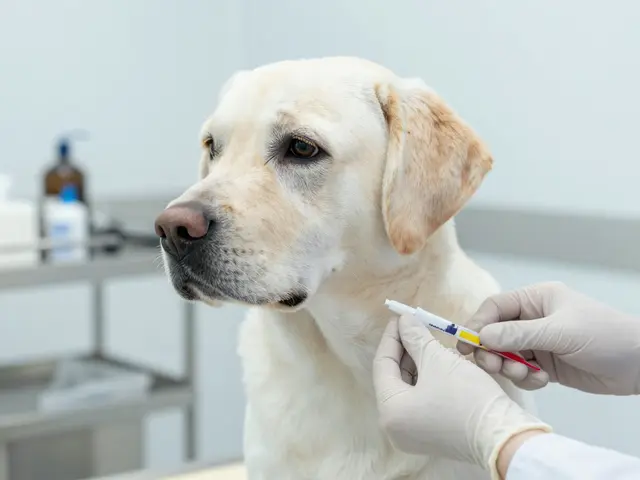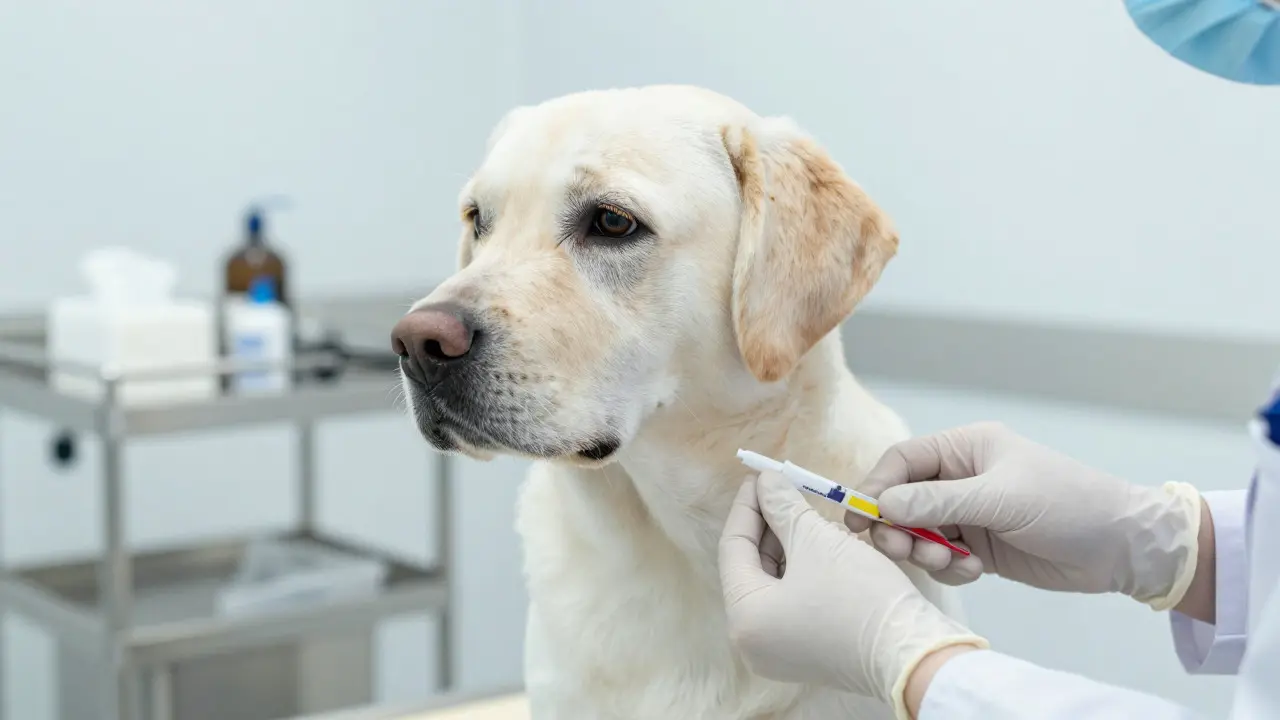
Your dog is scratching. Not just a little-constantly. The ears are red, the belly looks raw, and you’ve already tried three different shampoos without luck. You’re standing in the vet’s office wondering if a simple blood test can finally tell you what’s bothering your pet. It’s a common question, but the answer isn’t as black-and-white as you might hope.
Serology is a laboratory technique used to detect specific antibodies in a patient's blood serum. In the context of Dog Allergies, it specifically measures Immunoglobulin E (IgE) levels to identify environmental triggers like pollen, dust mites, or mold. While not a perfect diagnostic tool on its own, it offers a non-invasive way to narrow down potential culprits when other tests aren't feasible.
The Reality of Allergy Diagnostics in Dogs
Before we talk about needles and vials, let’s clear up a major misconception. There is no single "allergy test" that gives you a definitive yes-or-no answer for every dog. Veterinary dermatologists usually rely on a combination of history-taking, physical exams, and sometimes multiple testing methods. Blood tests fall into the category of "screening" tools rather than "confirmatory" ones.
When a dog suffers from Atopic Dermatitis, which affects roughly 10% of all dogs, the immune system overreacts to harmless substances. This reaction releases histamines, causing inflammation. The goal of testing is to find these specific allergens so you can manage them through avoidance, medication, or immunotherapy.
How Serology Works Under the Hood
So, what exactly happens after the vet draws that small tube of blood? The sample is sent to a specialized lab, often one that focuses exclusively on veterinary diagnostics. The lab uses a process called radioimmunoassay or enzyme-linked immunosorbent assay (ELISA). These techniques measure the concentration of IgE Antibodies in the blood.
Here is the simplified logic:
- The lab exposes your dog’s serum to panels of common allergens (like grass pollens, tree pollens, or house dust mites).
- If your dog’s immune system has previously reacted to a specific allergen, their blood will contain IgE antibodies targeting it.
- The lab detects these bindings and assigns a score or level to each allergen.
A high score indicates a strong historical reaction. However, this is where it gets tricky. A positive result doesn’t always mean the allergen is currently causing symptoms. It just means your dog’s body *remembers* reacting to it at some point.
Serology vs. Intradermal Skin Testing
This is the big debate in veterinary dermatology. Most specialists consider Intradermal Skin Testing (IDST) the gold standard for diagnosing allergic sensitization. Why? Because IDST directly tests the skin’s immediate reaction, which is where the problem actually lives. Blood tests, on the other hand, measure circulating antibodies, which can be less accurate for certain types of allergies.
| Feature | Blood Test (Serology) | Intradermal Skin Test (IDST) |
|---|---|---|
| Invasiveness | Low (single blood draw) | High (requires sedation/anesthesia) |
| Accuracy | Moderate (30-50% sensitivity) | High (80-90% sensitivity) |
| Medication Interference | Minimal impact | Requires stopping steroids/antihistamines weeks prior |
| Cost | $200 - $400 | $300 - $600+ |
| Best For | Screening, older dogs, anxious pets | Precise diagnosis, starting immunotherapy |
Notice the row about medications? If your dog is on Apoquel, Cytopoint, or prednisone, those drugs suppress the immune response. This makes IDST nearly useless because the skin won't react properly. Blood tests, however, are much less affected by these medications, making them a practical choice for many owners who don't want to interrupt treatment regimens.

Interpreting the Results: What Do the Numbers Mean?
You get the report back, and it’s filled with percentages and categories. How do you read it? Most labs categorize results into five classes, ranging from 0 (negative) to 5 (extremely high).
- Class 0-1: Likely insignificant. No action needed.
- Class 2-3: Moderate sensitivity. Worth discussing with your vet.
- Class 4-5: High sensitivity. Strong candidate for avoidance or therapy.
Here is the critical part: Context matters more than numbers. A dog living in Portland, Oregon, might test high for Olive Pollen (common in the Mediterranean) but show zero symptoms. That result is noise. Conversely, a dog in Seattle might test moderately for Cypress Pollen and scratch itself raw during spring. That result is signal.
Your veterinarian will cross-reference the blood results with your dog’s lifestyle, seasonality of symptoms, and geographic location. They aren't looking for the highest number; they are looking for the most relevant trigger.
When Should You Choose a Blood Test?
Given that IDST is more accurate, why would anyone choose serology? There are valid reasons:
- Logistics: Your dog is too anxious for anesthesia. Sedation carries risks, especially for senior dogs or those with heart issues.
- Convenience: You live far from a specialist. A local vet can draw the blood and ship it, whereas IDST requires a trip to a referral center.
- Baseline Monitoring: Once you start Allergen Immunotherapy (AIT), blood tests can help monitor antibody levels over time, though this is debated among experts.
It’s also worth noting that for food allergies, blood tests are generally considered unreliable. Food allergies require an elimination diet trial, not serology. Don’t waste money on a "food allergy panel" unless your vet specifically recommends it as part of a broader workup.

Next Steps After the Test
Let’s say the blood test comes back positive for House Dust Mites. Now what?
- Environmental Control: Wash bedding in hot water weekly. Use HEPA filters. Vacuum frequently. These steps reduce exposure significantly.
- Medical Management: Continue current medications to control itching while you implement changes.
- Consider Immunotherapy: If environmental control isn’t enough, ask your vet about custom AIT. This involves injecting or giving drops containing tiny amounts of the allergen to desensitize the immune system over 6-12 months.
Remember, the test is just the map. The journey to relief involves consistent management. Many owners feel overwhelmed by the list of allergens, but focus on the top two or three drivers. Trying to avoid everything leads to burnout and diminishing returns.
Frequently Asked Questions
Is a blood test for dog allergies accurate?
It is moderately accurate, with sensitivity rates around 30-50%. It detects past exposures rather than current reactions. It is best used as a screening tool combined with clinical signs, not as a standalone diagnosis.
Can I take my dog off Apoquel before a blood test?
Usually, no. Unlike intradermal skin testing, blood serology is not significantly affected by JAK inhibitors like Apoquel or monoclonal antibodies like Cytopoint. Ask your vet, but generally, you can keep your dog on current meds for a blood draw.
What is the cost of a dog allergy blood test?
In the US, expect to pay between $200 and $400 depending on the lab and the number of allergens tested. Comprehensive panels covering 70+ allergens tend to be on the higher end of that range.
Do blood tests detect food allergies in dogs?
Not reliably. Most veterinarians recommend against using blood tests for food allergy diagnosis. An 8-week elimination diet trial is the only scientifically validated method to confirm a food intolerance.
How long does it take to get results?
Most commercial veterinary labs return digital reports within 5 to 10 business days. Some specialty labs may take up to two weeks if they are processing a high volume of samples.