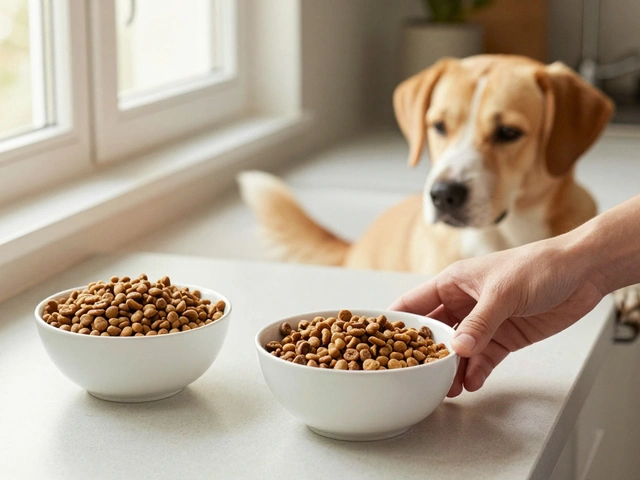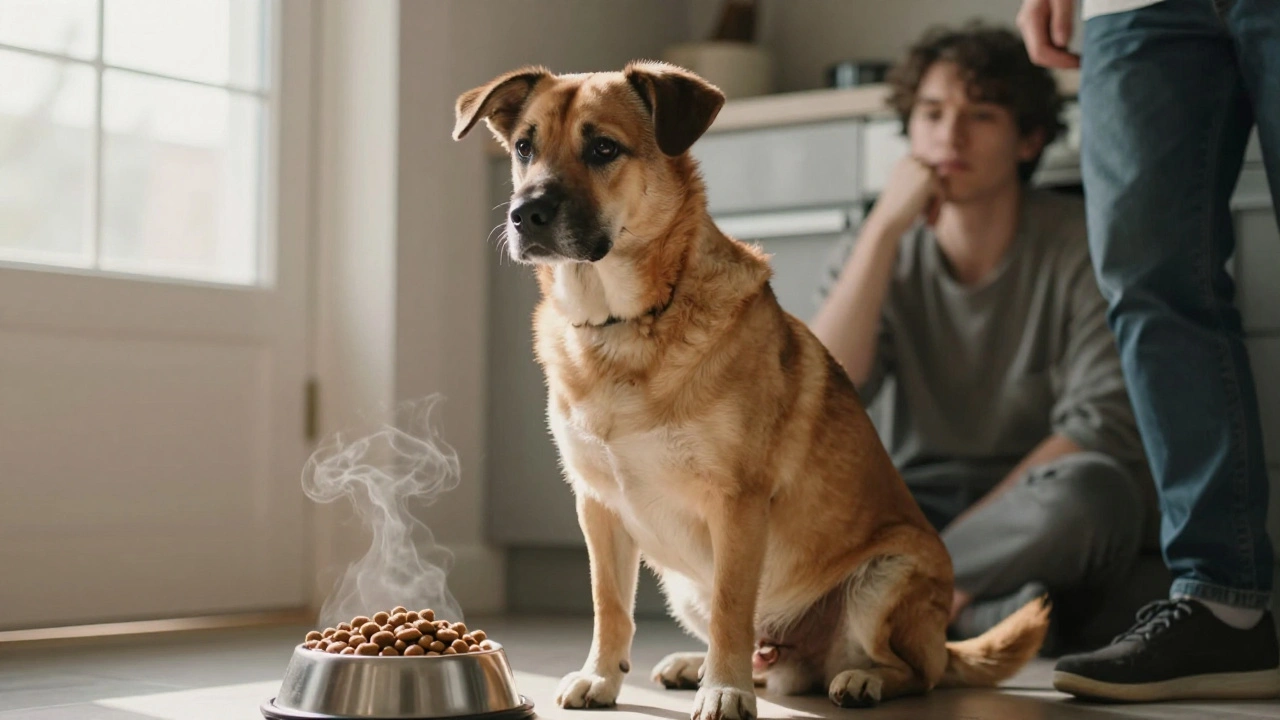
Is your dog turning up their nose at dinner like it’s a crime scene? You’re not alone. Many dog owners swear their pup used to eat anything-until suddenly, they started ignoring kibble, leaving half their bowl, or acting like the food is trying to trick them. But here’s the truth: picky eater dogs aren’t always being stubborn. Sometimes, it’s their body talking.
Why Do Dogs Become Picky Eaters?
It’s easy to blame your dog for being a snob. But before you start switching brands or begging them to eat, consider what’s really going on. Dogs don’t skip meals because they’re spoiled. They do it because something’s off.One common cause? Overfeeding treats. If your dog gets cheese, chicken, or human scraps between meals, their body learns that better food is coming. It’s not greed-it’s conditioning. A 2023 study from the University of California, Davis found that dogs given more than two treats daily were 3.5 times more likely to refuse their regular food.
Another culprit? Boredom. Just like humans, dogs get tired of the same thing every day. Kibble doesn’t change flavor, texture, or smell. Over time, that monotony makes them lose interest. And if you’ve been feeding the same brand for years? That’s likely the problem.
Medical issues are also a silent trigger. Dental pain, gastrointestinal discomfort, or even thyroid imbalances can make eating feel like a chore. A dog with a sore tooth won’t chew. A dog with nausea won’t smell food. And if their appetite dropped suddenly, it’s not a phase-it’s a signal.
When to Worry: Red Flags in Appetite Changes
Not every picky eater needs a vet. But some changes aren’t normal. Watch for these signs:- Refusing food for more than 48 hours
- Weight loss (even a few pounds matters)
- Vomiting, diarrhea, or lethargy along with不吃
- Drinking more water than usual
- Bad breath, drooling, or chewing on one side of the mouth
If you see any of these, don’t wait. A blood panel, thyroid test, or dental exam could catch something early. I’ve seen dogs with silent kidney disease or early diabetes because their owners thought they were just being fussy. By the time they acted, the condition had advanced.
How to Reset Your Dog’s Appetite
Resetting a picky eater isn’t about making meals fancier. It’s about creating structure.Start with a feeding schedule. No free-feeding. Put food down for 20 minutes, then pick it up-even if they haven’t touched it. Do this twice a day. No snacks in between. This trains their body to expect meals at set times. Hunger becomes a natural cue, not a nuisance.
Next, cut out all human food and extra treats. For two weeks, nothing but their regular kibble. If they refuse? Fine. They won’t starve. Dogs can safely go 2-3 days without food if they’re otherwise healthy. Most will eat within 36 hours when they realize there’s nothing else.
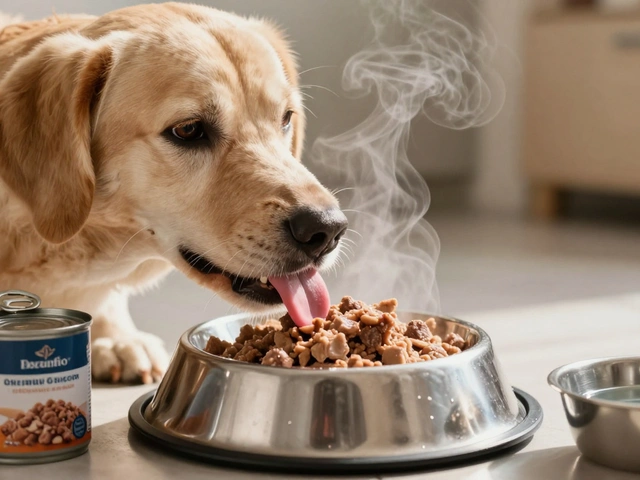
After the reset, try one simple upgrade: add warm water or low-sodium broth to their kibble. Heat releases aroma, and smell is the biggest trigger for canine appetite. A 2024 study from the American College of Veterinary Nutrition showed that warming food to body temperature (around 100°F) increased consumption by 47% in dogs with low appetites.
Food Rotation: Keep It Fresh, Not Fancy
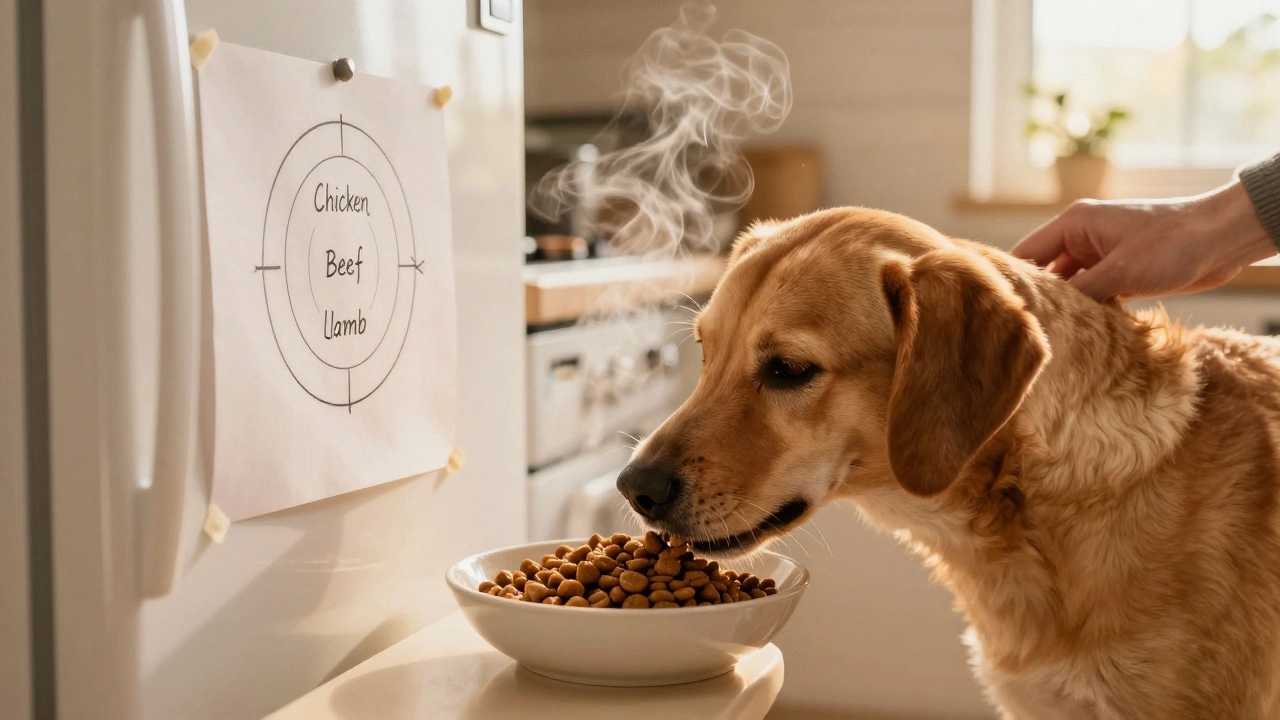
Dogs don’t need variety like humans. But they do benefit from occasional changes in protein source. Rotating between chicken, beef, lamb, or fish-based formulas every 2-3 months prevents boredom and reduces allergy risks.Don’t switch brands every week. That’s chaos. Pick three high-quality, AAFCO-approved foods with different proteins. Rotate them. For example:
- Weeks 1-4: Chicken formula
- Weeks 5-8: Beef formula
- Weeks 9-12: Lamb formula
- Repeat
Make the switch slowly-mix 25% new food with 75% old for three days, then 50/50 for two days, then full transition. Sudden changes upset stomachs. And always check the ingredient list. Avoid fillers like corn, wheat, or artificial colors. Look for meat as the first ingredient.
Health Checks You Can Do at Home
You don’t need a vet every time your dog skips a meal. But you can monitor them at home.- Body Condition Score: Feel their ribs. You should be able to feel them with light pressure, not see them. If ribs are hard to find, they’re overweight. If they’re too visible, they’re underweight.
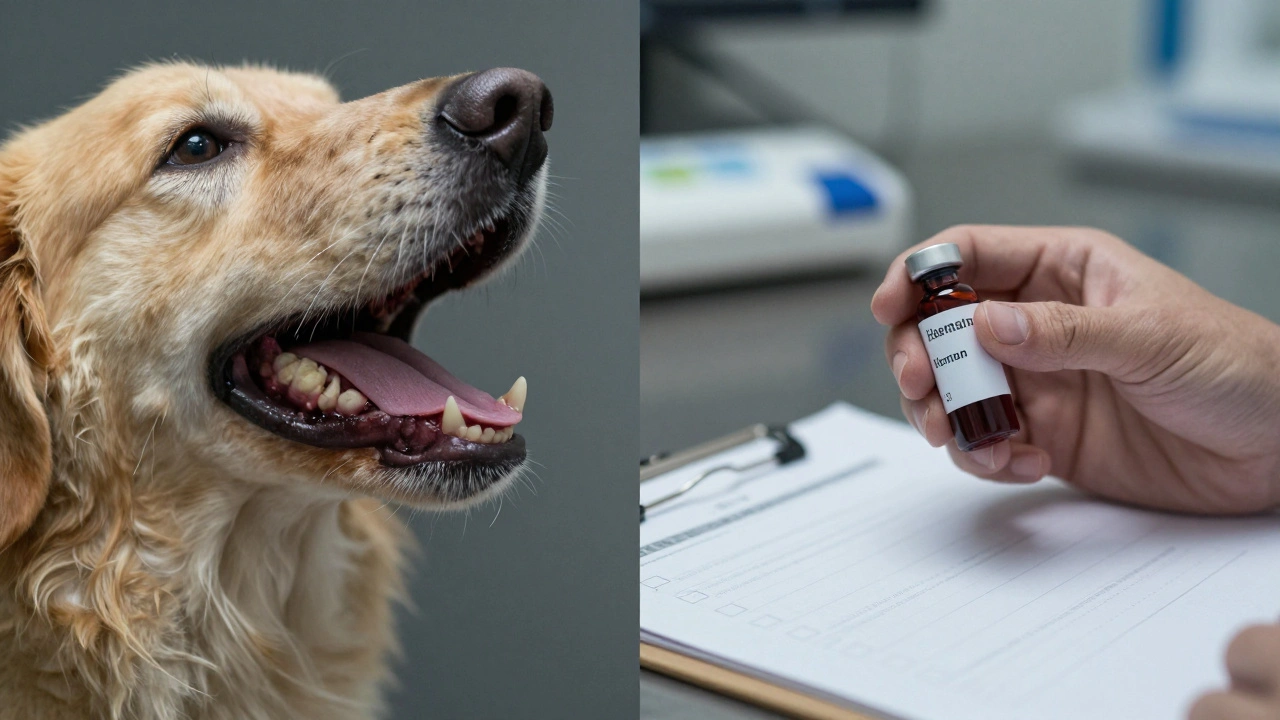
- Mouth Check: Look for red gums, tartar buildup, broken teeth, or sores. A dog with dental pain won’t chew hard kibble.
- Stool Quality: Should be firm, dark brown, and easy to pick up. Loose, greasy, or bloody stools signal digestive issues.
- Energy Level: If they’re still playful, alert, and interested in walks, it’s likely not serious. If they’re lethargic or hiding, it’s time for a vet visit.
Keep a simple log: date, food eaten, amount left, behavior. You’ll spot patterns. Maybe they eat better after walks. Or only eat when it’s raining. These clues help your vet more than a vague "they won’t eat."
Supplements and Alternatives: Do They Help?
You’ve seen the ads: probiotics, appetite stimulants, tuna-flavored toppers. Some work. Most don’t.Probiotics can help if your dog has gut imbalance-especially after antibiotics or dietary changes. Look for strains like Enterococcus faecium and Lactobacillus acidophilus. But don’t give them unless there’s a reason.
Appetite stimulants like mirtazapine? Only prescribed by vets for serious cases. Never give human meds. Even a small dose can be toxic.
Wet food or toppers? Use them sparingly. A spoonful of canned food mixed in once a week is fine. Daily? You’re back to the problem. You’re teaching them that the good stuff only comes with the bad.
What Doesn’t Work
Stop doing these things:- begging or talking to them while they eat
- chasing them with food
- offering different foods every day
- giving them table scraps as "encouragement"
- assuming they’re "just being picky" without checking for pain
These aren’t just ineffective-they make the problem worse. Your dog learns that food = drama. And drama = attention. They’re not being manipulative. They’re just responding to your behavior.
Final Thought: It’s Not About Food. It’s About Health.
A dog who won’t eat isn’t being difficult. They’re telling you something. Maybe their teeth hurt. Maybe their gut is inflamed. Maybe they’re just tired of the same old kibble.The goal isn’t to make them eat anything. It’s to make them feel well enough to want to eat. Structure, health checks, and patience beat fancy food every time. And if you’ve tried everything and they’re still refusing? That’s not stubbornness. That’s your cue to call the vet.
Is it normal for a dog to skip a meal?
Yes, occasionally. Dogs, like humans, can have off days. If your dog skips one meal but is still alert, drinking water, and acting normal, wait until the next feeding. If they skip two full meals or show other symptoms like vomiting, lethargy, or diarrhea, contact your vet.
Can stress cause a dog to stop eating?
Absolutely. Moving houses, new pets, loud noises, or even a change in your schedule can trigger appetite loss. Dogs are sensitive to routine. If you’ve recently changed something at home, give them time to adjust. Keep feeding times consistent, and avoid forcing food. Most will return to normal within 2-3 days.
Should I switch to wet food if my dog is picky?
Wet food can help temporarily because it’s more aromatic and easier to chew. But it shouldn’t be a long-term fix unless recommended by a vet. Wet food has more water, which means your dog needs to eat more to get the same calories. It’s also more expensive and spoils faster. Use it as a bridge-not a replacement.
Can dental problems make my dog a picky eater?
Yes. Broken teeth, gum disease, or oral tumors can make chewing painful. If your dog drops food, chews on one side, or drools more than usual, check their mouth. A vet dental exam is the only way to know for sure. Many owners don’t realize their dog is in pain until the vet finds advanced tooth decay.
How long should I wait before calling the vet?
If your dog hasn’t eaten for 48 hours, call your vet-even if they seem fine. Dogs can hide illness well. A 2025 study in the Journal of Veterinary Internal Medicine found that 68% of dogs with early-stage kidney disease showed appetite loss as their first symptom. Waiting too long can delay treatment.