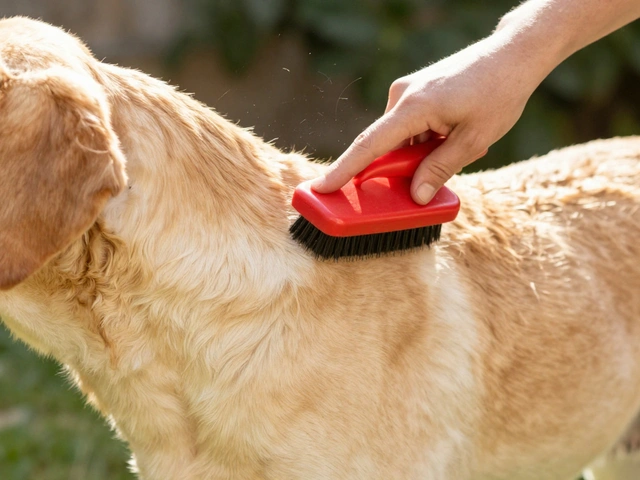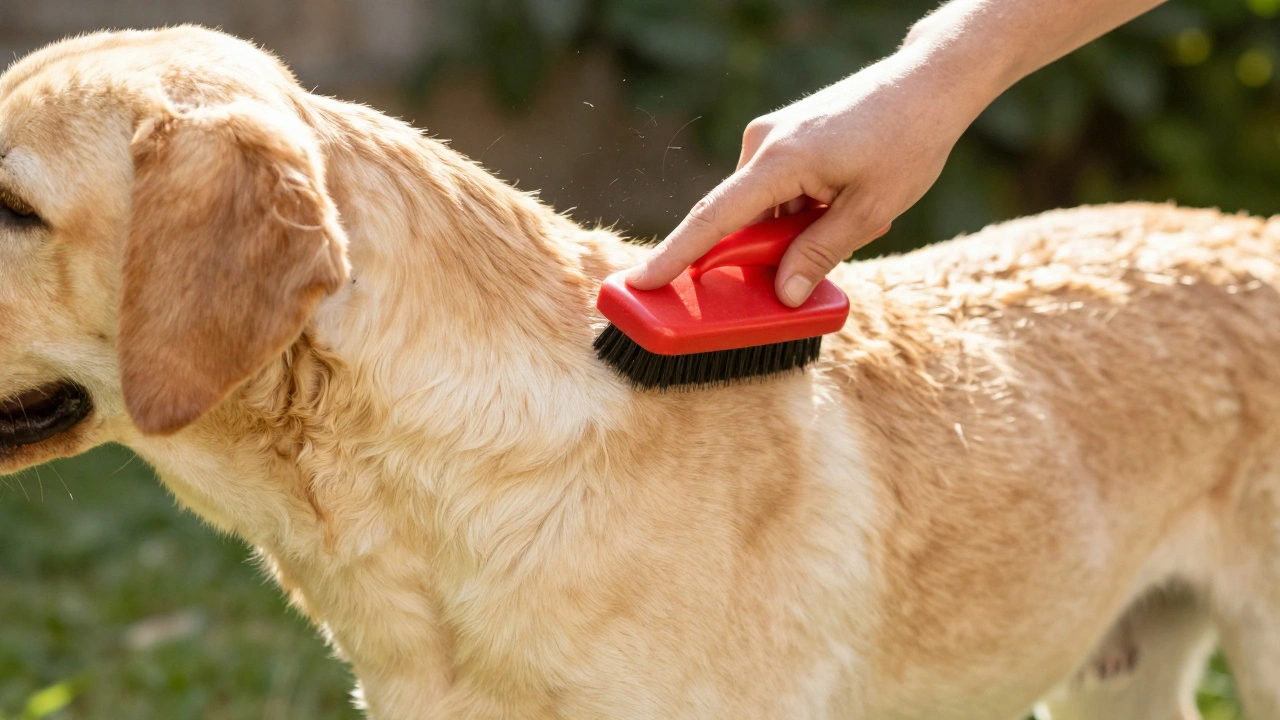
Most dog owners treat brushing like a chore they do once a month or whenever the living room looks like a snowstorm of fur. But here is the reality: brushing your dog isn't just about keeping your couch clean. If you use the wrong tool or brush too rarely, you aren't just missing hair-you might be pulling on your dog's skin or leaving painful mats that eventually require a shave-down at the vet. The secret is that a Golden Retriever and a Chihuahua have completely different biological needs when it comes to their skin and fur.
Key Takeaways for a Healthy Coat
- Short-haired dogs need brushing 1-2 times a week to manage dead hair.
- Long-haired dogs often require daily attention to prevent painful mats.
- Double-coated breeds have two distinct shedding seasons and need specialized tools like undercoat rakes.
- Tool choice is more important than the amount of time spent; the wrong brush can cause skin irritation.
Mastering Short and Smooth Coats
If you have a breed like a Beagle or a Labrador, you might think they don't need much help. However, these dogs often shed a constant, fine layer of hair that clings to everything. When you're dealing with Short-haired dogs, the goal is to remove loose follicles and distribute natural skin oils.
For these coats, a Rubber Curry Brush is your best friend. Unlike metal bristles, rubber doesn't scratch the skin. Since their hair is short, you don't need to dig deep. Use circular motions and a gentle touch. If you do this twice a week, you'll notice a massive drop in the amount of hair on your clothes. A quick pro tip: brush them outdoors or near a vacuum to catch the "static hair" that tends to float away.
| Coat Type | Frequency | Recommended Tool | Main Goal |
|---|---|---|---|
| Smooth/Short | 1-2x Weekly | Rubber Brush / Grooming Mitt | Removing dead hair & skin oils |
| Long/Silky | Daily | Slicker Brush / Metal Comb | Detangling & Mat prevention |
| Double Coat | 3-5x Weekly | Undercoat Rake / De-shedding Tool | Removing the undercoat |
| Curly/Wooly | Daily | Steel Greyhound Comb | Preventing deep mats |
Tackling Long and Silky Fur
Dogs with long, flowing hair-think Afghans or Yorkies-face a constant battle with tangles. The biggest mistake owners make here is brushing only the top layer. If you don't reach the skin, the hair mats at the base, creating tight knots that pull on the skin every time the dog moves.
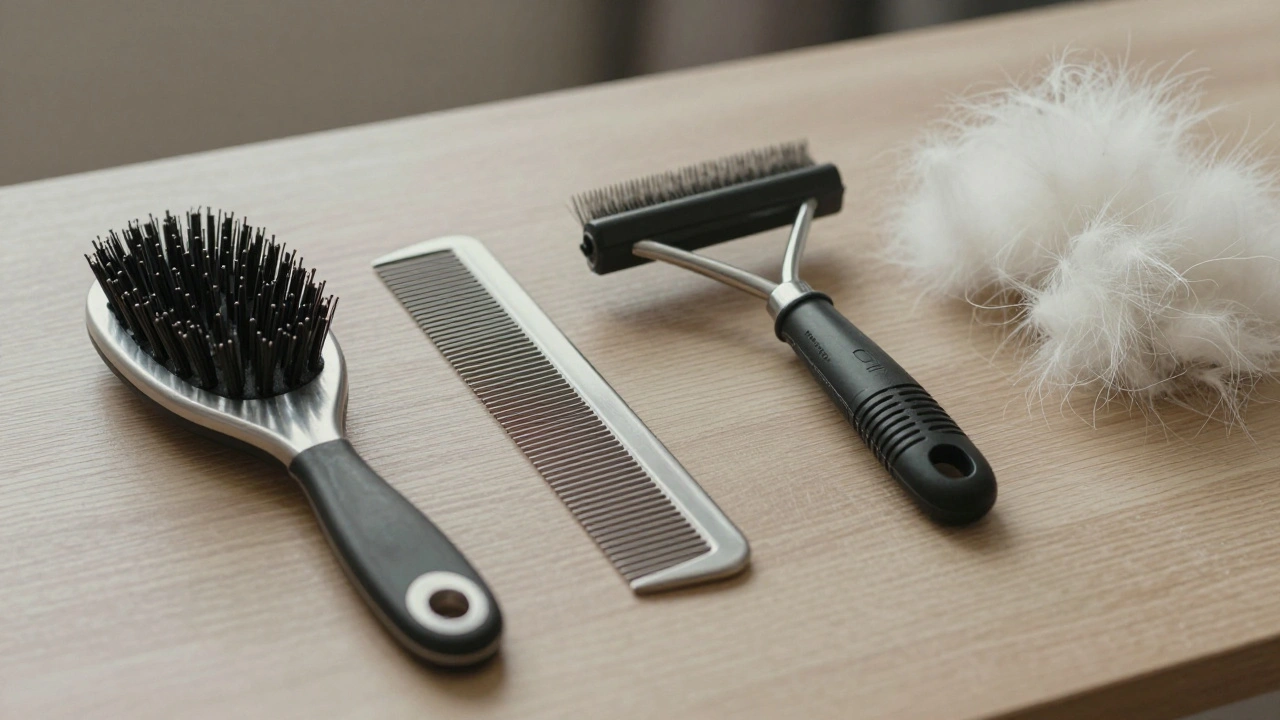
To handle this, you need a Slicker Brush, which is a rectangular brush with fine, short wires. Start at the tail and work your way forward. Use a "line brushing" technique: lift a section of hair, brush it from the skin outward, and then comb it through with a metal comb to ensure no knots remain. If you hit a knot, don't yank it. Use your fingers to tease it apart or use a detangling spray. Brushing these dogs daily is the only way to avoid the dreaded "matting" that leads to expensive grooming bills.
The Challenge of Double Coats
Breeds like Huskies, Malamutes, and German Shepherds have a unique system: a soft, insulating undercoat and a tougher outer guard hair. This is where dog brushing frequency becomes critical, especially during the "blow out" seasons in spring and fall.
A standard brush won't cut it here because it only hits the top layer. You need an Undercoat Rake. This tool has long, blunt teeth designed to reach through the guard hairs and pull out the dead fluff from the undercoat. If you skip this, the dead hair traps moisture and dirt against the skin, which can lead to hot spots or skin infections. During peak shedding, you might spend 30 minutes a day brushing, but it saves you from having a "second dog" made of fur lying on your rug.
Dealing with Curls and Wooly Coats
Poodles and Doodles have hair that grows continuously, much like human hair. Because it curls, the hairs lock together, forming mats in high-friction areas like the armpits and behind the ears. For these dogs, a Steel Greyhound Comb is essential.
The process here is methodical. You aren't just "brushing"; you are "combing." If the comb can't pass all the way to the skin, you have a mat. Use the comb to find these spots and gently break them up. Many owners rely solely on a slicker brush, but that often just pushes the mats deeper into the coat. The comb is the only way to verify that the dog is actually tangle-free. This should be a daily ritual, focusing heavily on the "friction zones."
Common Brushing Pitfalls and How to Avoid Them
One of the biggest mistakes is brushing a dog that is already severely matted. If you see a mat that looks like a felted piece of fabric, stop. Trying to brush through it will cause the skin to bunch up, and you might accidentally slice or bruise your dog with the brush. In these cases, it is safer to use professional clippers or take them to a groomer.
Another issue is ignoring the "hidden" areas. Most people brush the back and sides but forget the paws, the belly, and the area around the tail. These are the spots where burrs and stickers from the park collect. Make it a habit to check the "armpits" and the chest area, as these are the first places mats form on long-haired breeds.
Making Grooming a Positive Experience
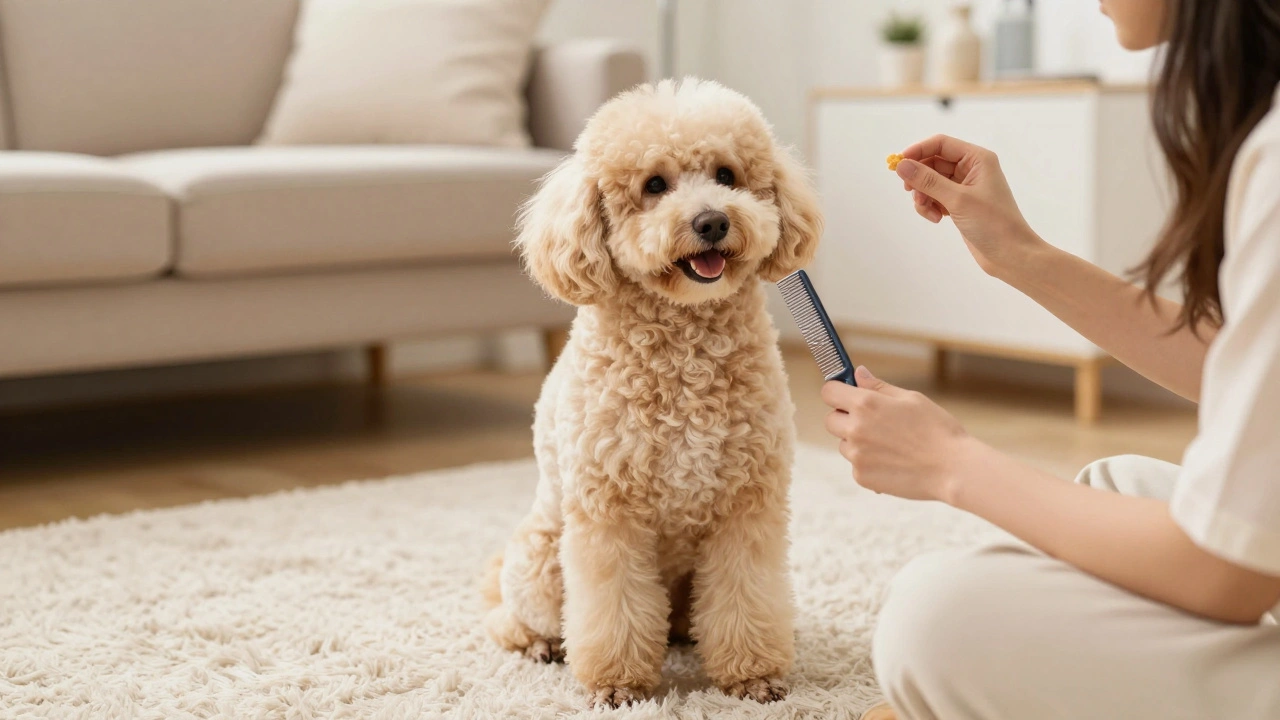
Many dogs hate being brushed because it feels restrictive or scary. You can change this by associating the brush with high-value rewards. Give a small treat every few minutes of brushing. If your dog is anxious, start by brushing only one leg or the shoulder for a few seconds, then reward them and stop. Gradually increase the time as they realize that the brush equals snacks.
Avoid the "cornering" technique where you trap the dog in a corner to finish the job. This creates a negative association. Instead, let them stand in an open space and keep the sessions short. Ten minutes of happy brushing is better than an hour of a dog struggling and panting.
How often should I brush my dog if they don't shed much?
Even low-shedding dogs need grooming. For hypoallergenic breeds like Poodles, you still need to brush daily to prevent mats. For short-haired, low-shedding breeds, once a week is usually enough to keep the skin healthy and remove any loose debris.
Can I use a human hairbrush on my dog?
Generally, no. Human brushes are designed for different hair textures and scalp sensitivities. The bristles are often too soft to reach the undercoat or too harsh for a dog's skin. Using a tool specifically designed for dogs, like a slicker or a curry brush, ensures you aren't damaging the skin barrier.
What is the best way to handle a dog that hates brushing?
The best approach is "desensitization." Let the dog sniff the brush, then touch the brush to their shoulder without actually brushing, and give a treat. Slowly move to a single stroke and another treat. Never force the process, as this can lead to grooming aggression.
How do I know if my dog is over-brushed?
Look for "brush burn"-red, irritated skin or patches where the hair looks thinner than usual. If the skin looks raw or if the dog starts flinching when you touch a specific area, you're likely pressing too hard or brushing too frequently with a harsh tool.
Does bathing help with shedding?
Bathing can loosen dead hair, but it doesn't remove it. For the best results, brush your dog *before* the bath to remove the bulk of the loose fur, and then brush again after they are completely dry to ensure no tangles formed during the drying process.
Next Steps for Different Dog Owners
If you're a new puppy owner, start the brushing routine now. Puppies don't have adult coats yet, but getting them used to the feeling of a brush now will prevent a lifetime of struggles later.
For owners of senior dogs, be extra gentle. Older dogs often have thinner skin and may suffer from arthritis, making it uncomfortable for them to stand still. Use a grooming table or a supportive rug to help them feel secure during the process.
If you have a high-shedding breed, consider investing in a high-quality vacuum specifically designed for pet hair to use in tandem with your brushing sessions. This keeps the home clean and makes the grooming process feel less like a mess and more like a maintenance routine.