You bring home a new puppy, excited to start life together, and within days, the happy chaos turns into a mess of soft, sometimes bloody stools. You might blame the change in food or stress, but if your pup is under six months old, there is a strong chance you are dealing with Coccidia a microscopic intestinal parasite that causes severe gastrointestinal distress in young dogs. It is one of the most common reasons puppies end up at the vet, yet many owners don't know what it is until they see it under a microscope-or worse, when their puppy becomes dehydrated.
This isn't just about cleaning up accidents. Coccidiosis can escalate quickly in small bodies, leading to dehydration and weight loss that can be dangerous if ignored. The good news? It is highly treatable, and once you understand how it spreads, you can prevent it from becoming a recurring nightmare. Here is exactly what you need to know about identifying, treating, and stopping this parasite.
What Exactly Is Coccidia?
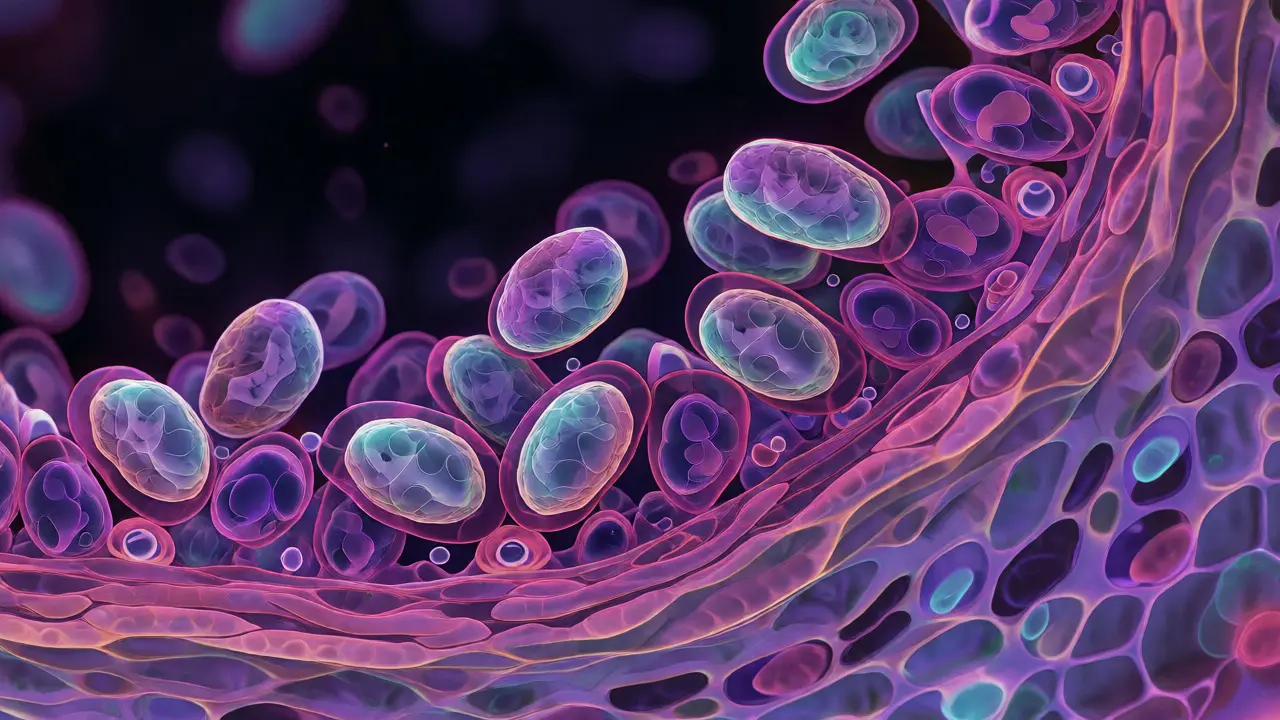
Coccidia are single-celled organisms belonging to the genus Eimeria or Isospora that infect the lining of a dog's intestines. Unlike worms, which you can often see in stool, coccidia are protozoan parasites-microscopic creatures that multiply rapidly inside the gut. They attach themselves to the intestinal wall, damaging the tissue as they reproduce. This damage prevents the intestine from absorbing nutrients and water properly, which is why the primary symptom is explosive diarrhea.
Most adult dogs carry low levels of coccidia without showing any signs. Their immune systems keep the population in check. However, puppies have immature immune systems, making them vulnerable to rapid overpopulation of the parasite. When the number of parasites spikes, the intestinal lining gets overwhelmed, leading to inflammation and fluid loss. This condition is medically known as Coccidiosis the clinical disease caused by high numbers of coccidian parasites.
How Puppies Catch It
Transmission is straightforward and unfortunately very common. Coccidia spread through the fecal-oral route. A puppy ingests the oocysts (eggs) shed in the feces of an infected dog. These oocysts aren't immediately infectious; they need time in the environment to "sporulate," or mature. In warm, humid conditions, this takes just 1-3 days. Once mature, they are incredibly resilient and can survive in soil, grass, or kennels for months.
You might wonder how a clean indoor puppy gets it. Often, the mother dog passes it to her litter during nursing if she has a subclinical infection. Or, if the puppy was in a breeder facility or shelter where sanitation wasn't perfect, exposure happens quickly. One lick of a contaminated paw after walking outside is enough to introduce the parasite. It’s not about dirtiness; it’s about microscopic resilience.
Spotting the Signs: More Than Just Loose Stools
Not every puppy with loose poop has coccidia, but certain signs point strongly toward it. The hallmark symptom is watery, yellowish, or mucus-covered diarrhea. In severe cases, you might see blood in the stool, which indicates significant damage to the intestinal lining.
- Dehydration: Look for tacky gums or skin that doesn't snap back quickly when gently pinched.
- Lethargy: A playful puppy suddenly sleeping more than usual or refusing to play.
- Weight Loss: Despite eating normally, the puppy may look thinner or have a pot-bellied appearance due to gas and inflammation.
- Appetite Changes: Some puppies refuse food entirely because their stomach hurts.
If you notice these signs in a puppy under six months, especially if they appeared shortly after bringing the dog home or visiting a park, call your vet. Don't wait for the diarrhea to stop on its own; coccidia rarely resolves without medication in symptomatic puppies.
The Diagnostic Process
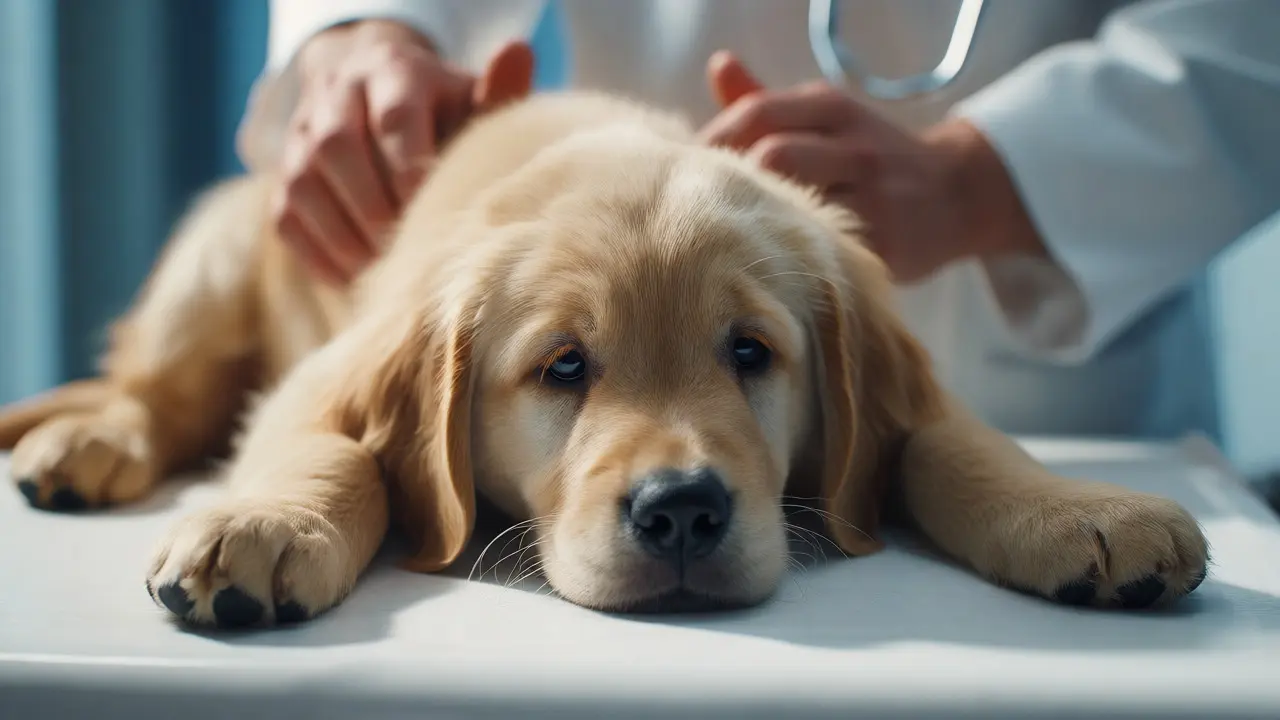
Your veterinarian will likely perform a fecal flotation test. This involves mixing a stool sample with a solution that makes the parasite eggs float to the top, where they can be viewed under a microscope. It’s quick, cheap, and effective. Sometimes, vets use a PCR test if the standard float is negative but suspicion remains high, as coccidia shedding can be intermittent.
It is worth noting that finding coccidia oocysts doesn't always mean treatment is needed. If your adult dog is healthy and asymptomatic, the vet might just monitor them. But for a puppy with active diarrhea, treatment is almost always recommended to prevent complications like stunted growth or secondary bacterial infections.
Treatment Options That Actually Work
The gold standard for treating coccidia in dogs is Sulfadimethoxine a sulfonamide antibiotic specifically approved for treating coccidiosis in dogs, commonly sold under brand names like Albon. Another common option is Ponazuril a triazine drug often used for off-label treatment of coccidiosis. Both drugs work by interrupting the parasite's ability to replicate.
| Medication Type | Brand Name Examples | Typical Duration | Notes |
|---|---|---|---|
| Sulfonamides | Albon, Sulfatrim | 5-20 days | May cause vomiting in some dogs; ensure plenty of water intake. |
| Triazines | Ponazuril | 1-3 days | Often faster acting; taste can be unpleasant for some dogs. |
| Supportive Care | Probiotics, Electrolytes | As needed | Helps restore gut flora and hydration; not a cure alone. |
Never try to treat this with over-the-counter dewormers meant for roundworms or hookworms. Drugs like pyrantel pamoate do nothing against protozoa like coccidia. Using the wrong medication wastes time while your puppy continues to lose fluids.
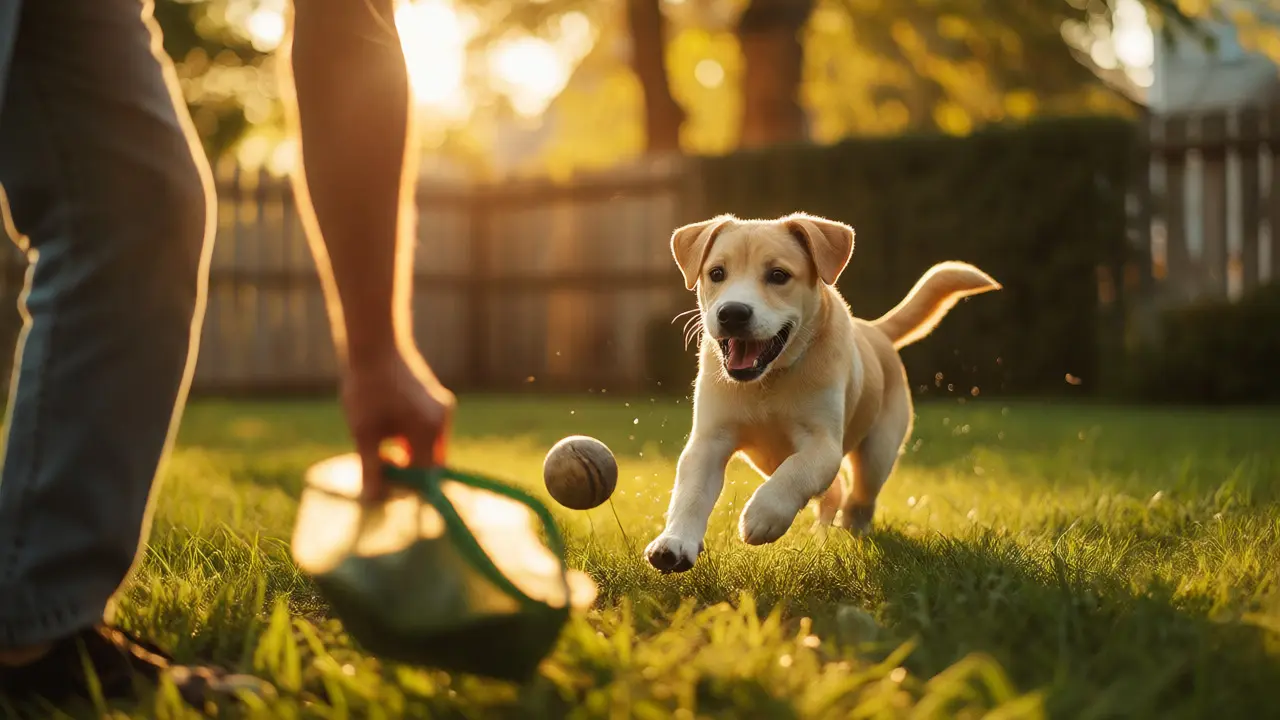
Environmental Cleanup: Stop the Re-infection Cycle
Killing the parasites in your dog is half the battle. The other half is killing the oocysts in your environment. If you don't clean up properly, your puppy will simply re-ingest the parasites from the yard or crate and get sick again.
Standard household cleaners won't kill coccidia oocysts. You need heat or specific disinfectants. Steam cleaning carpets and upholstery is highly effective because temperatures above 140°F (60°C) destroy the oocysts. For hard floors, dilute bleach solutions (1 part bleach to 32 parts water) can help, but they must sit on the surface for several minutes. Ammonia-based cleaners also work well.
For the backyard, pick up feces daily. Oocysts take 1-3 days to become infectious, so removing poop before it matures breaks the cycle. If you have multiple dogs, isolate the infected puppy until the treatment course is finished and follow-up fecals are clear.
Prevention Tips for Future Litters
If you plan to breed or adopt another puppy soon, prevention starts early. Ensure the whelping box is kept meticulously clean. Wash bedding in hot water. Avoid letting puppies roam in areas where older dogs frequently defecate. Regular fecal exams starting at two weeks of age can catch infections before they cause major illness.
Also, consider probiotics. While they don't prevent infection, studies suggest that maintaining a healthy gut microbiome can reduce the severity of symptoms if a puppy does contract coccidia. Ask your vet for a strain-specific probiotic designed for dogs, such as those containing Enterococcus faecium.
Can humans catch coccidia from dogs?
Generally, no. The species of coccidia that infect dogs (like Isospora canis) are host-specific, meaning they typically do not infect humans. However, practicing good hygiene, such as washing hands after handling dog feces, is always recommended to prevent other zoonotic diseases.
How long does it take for coccidia to go away?
With proper medication, symptoms usually improve within 24 to 48 hours. However, the full course of treatment lasts anywhere from 5 to 20 days depending on the drug used. It is crucial to finish the entire prescription even if the puppy seems better, to ensure all parasites are eliminated.
Will my adult dog get sick from my puppy's coccidia?
Adult dogs with healthy immune systems can ingest coccidia oocysts without getting sick. They may shed low levels of oocysts in their stool but show no symptoms. However, immunocompromised adults or elderly dogs could potentially develop clinical signs, so monitoring is wise.
Does bleach kill coccidia in the yard?
Bleach can kill coccidia oocysts on hard surfaces if left for adequate contact time, but it is ineffective on porous soil or grass. For yards, frequent removal of feces is the best strategy since oocysts need 1-3 days to sporulate and become infectious. Steam cleaning is effective for indoor surfaces.
Why did my puppy get coccidia if I didn't see any worms?
Coccidia are microscopic protozoa, not visible worms. You cannot see them with the naked eye. Many puppies are born with or exposed to coccidia from their mother or environment without showing immediate signs until their immune system struggles to control the population.