Walk your dog in the park, and you’re not just enjoying fresh air. You’re exposing them to a microscopic battlefield buried in the dirt. While soil looks harmless, it is one of the primary reservoirs for intestinal worms that can make dogs sick and potentially infect humans. Understanding how these parasites live in the ground and how they jump onto paws or into mouths is the first step to keeping your pet healthy. This guide breaks down the specific risks of hookworm and roundworm, explains their life cycles, and gives you practical ways to break the chain of infection.
The Hidden Life Cycle in the Ground
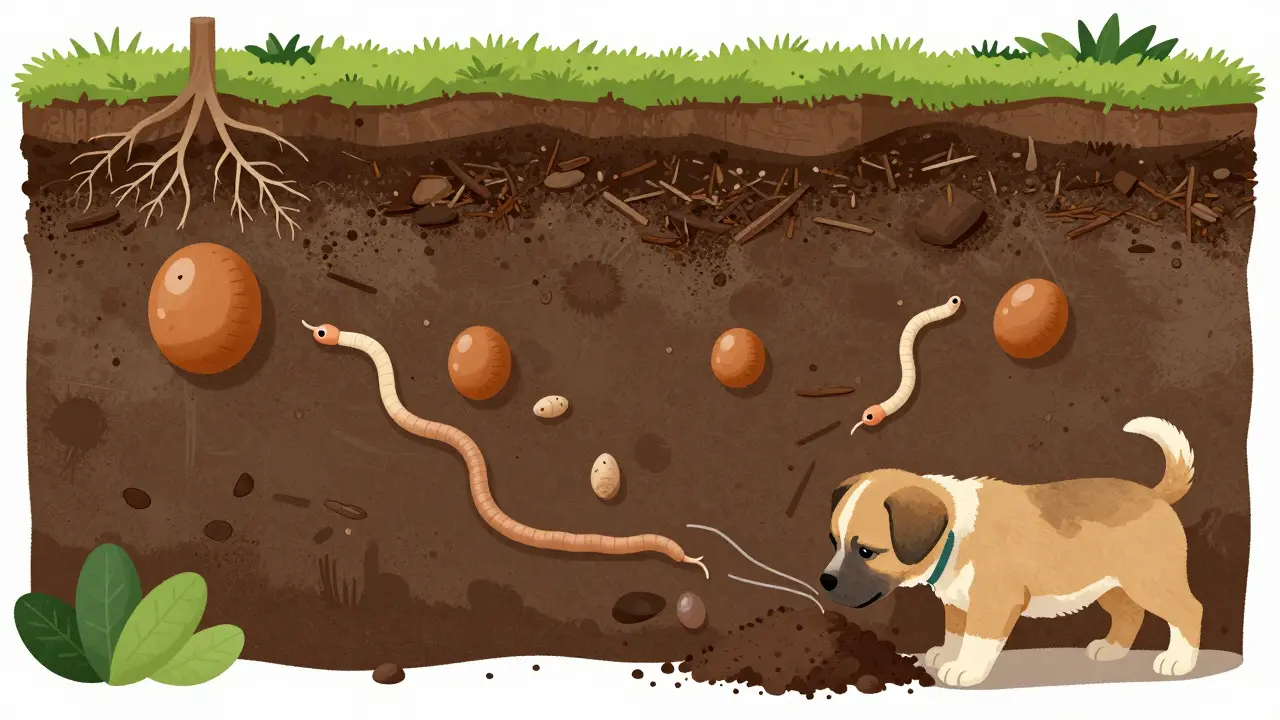
To fight these parasites, you have to understand where they come from. Both hookworms and roundworms start as eggs passed in an infected dog’s feces. But what happens next determines how dangerous the soil becomes. The environment plays a huge role here. Warm, moist conditions speed up development, which is why late spring and summer are peak seasons for exposure in places like Portland, Oregon.
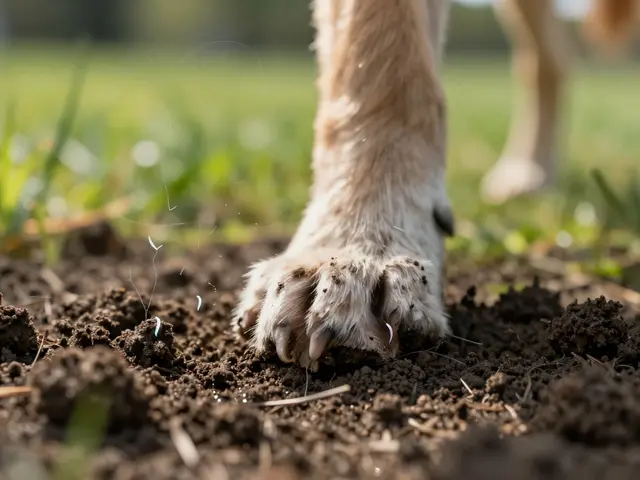
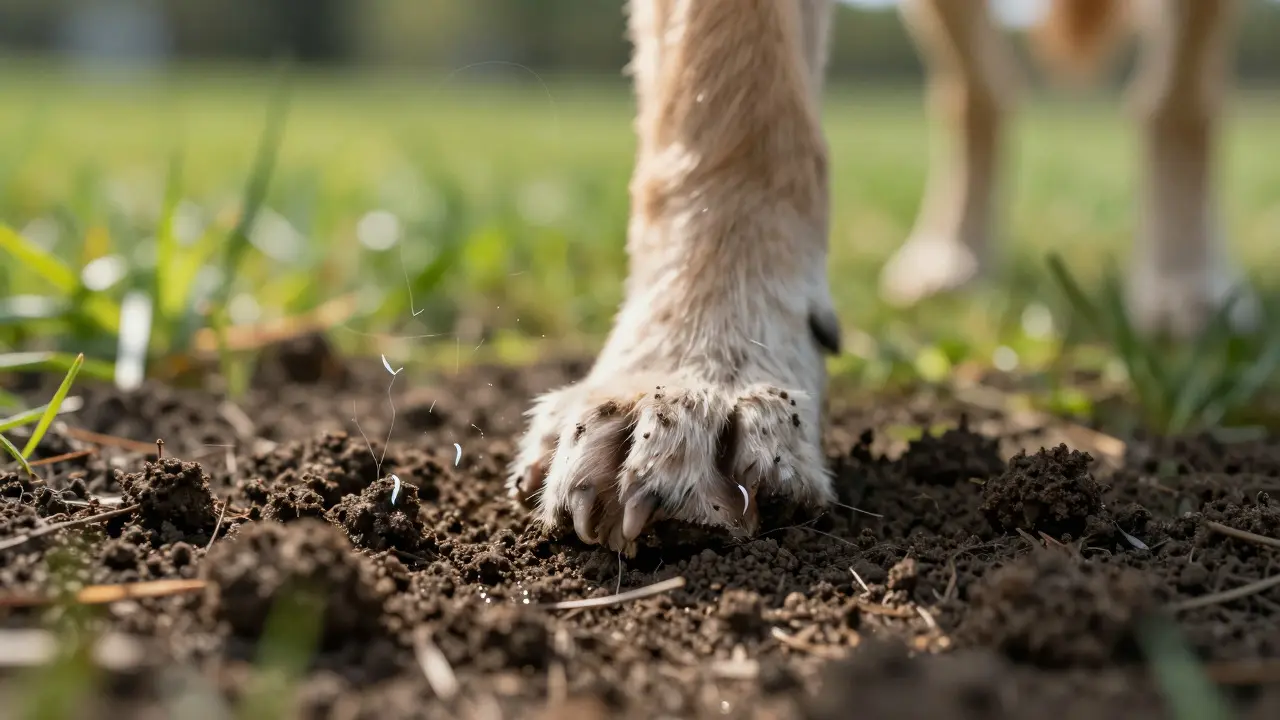
Hookworms (Ancylostoma caninum) develop into infective larvae within 7-10 days under ideal conditions. These larvae can survive in soil for months, waiting for a host. They don't need to be ingested; they can penetrate skin directly. Imagine tiny, invisible needles waiting in the grass. When a dog walks barefoot (well, pawed) through contaminated turf, these larvae burrow through the pads of their feet or even through thin skin on the legs. Once inside, they travel through the bloodstream to the lungs, get coughed up, swallowed, and mature in the intestines. It’s a nasty journey that causes anemia and poor growth in puppies.
Roundworms (Toxocara canis) work differently. Their eggs are hardy and can remain dormant in soil for years. They don’t hatch immediately. Instead, a dog must ingest the egg, usually by eating contaminated dirt or grooming fur that has tracked in the eggs. Once inside, the larvae migrate through the liver and lungs before returning to the intestine to mature. Unlike hookworms, roundworms aren’t typically transmitted via skin penetration, but they are highly resilient in the environment.
Why Your Backyard Is a Hotspot
You might think commercial parks are worse, but your own backyard is often the highest-risk zone. Why? Because it’s where your dog goes to the bathroom most frequently. If you have other neighborhood dogs, stray cats, or wildlife using the same patch of grass, the concentration of parasite eggs increases rapidly.
Mulch and compost piles are particularly tricky. Organic matter retains moisture and heat, creating a perfect incubator for hookworm larvae. If you’ve recently added new mulch or turned compost, consider that area “off-limits” for puppy playtime until it settles. Puppies are especially vulnerable because their immune systems aren’t fully developed, and they tend to eat everything they find. A single mouthful of contaminated soil can introduce hundreds of roundworm eggs.
Rain also matters. After heavy rain, surface water can wash concentrated fecal matter into low-lying areas of your yard. These puddles become temporary breeding grounds. If you notice your dog drinking from puddles or licking mud after storms, you’re increasing their intake of potential pathogens. Simple behavioral changes, like rinsing paws after walks, can significantly reduce the load of parasites brought indoors.
Recognizing the Signs in Your Dog
Parasite infections often hide in plain sight. Mild cases might show no obvious symptoms, which is why routine deworming is critical. However, when the population explodes, signs become harder to ignore. Look for these red flags:
- Pot-bellied appearance: A classic sign of roundworm infestation. The belly looks swollen while the rest of the body remains thin.
- Dull coat and lethargy: Nutrients are being stolen by the worms, leaving your dog tired and with poor fur quality.
- Diarrhea or Vomiting: Chronic digestive upset, sometimes with visible white, thread-like worms in stool or vomit.
- Anemia: Pale gums (instead of pink) indicate severe hookworm infection where blood loss is significant.
- Growth Stunting: In puppies, failure to gain weight despite adequate food intake is a major warning sign.
If you see any of these, don’t wait. Bring a fresh stool sample to your vet. Microscopic examination can identify both hookworm and roundworm eggs. Note that adult worms may not always shed eggs consistently, so a negative test doesn’t guarantee a clean bill of health. Vets often recommend repeating tests every few weeks if suspicion remains high.
Breaking the Chain: Prevention Strategies
Prevention is far easier than treatment. You can’t sterilize the entire world, but you can control your dog’s exposure. Here’s a practical approach to managing soil-based parasite risks.
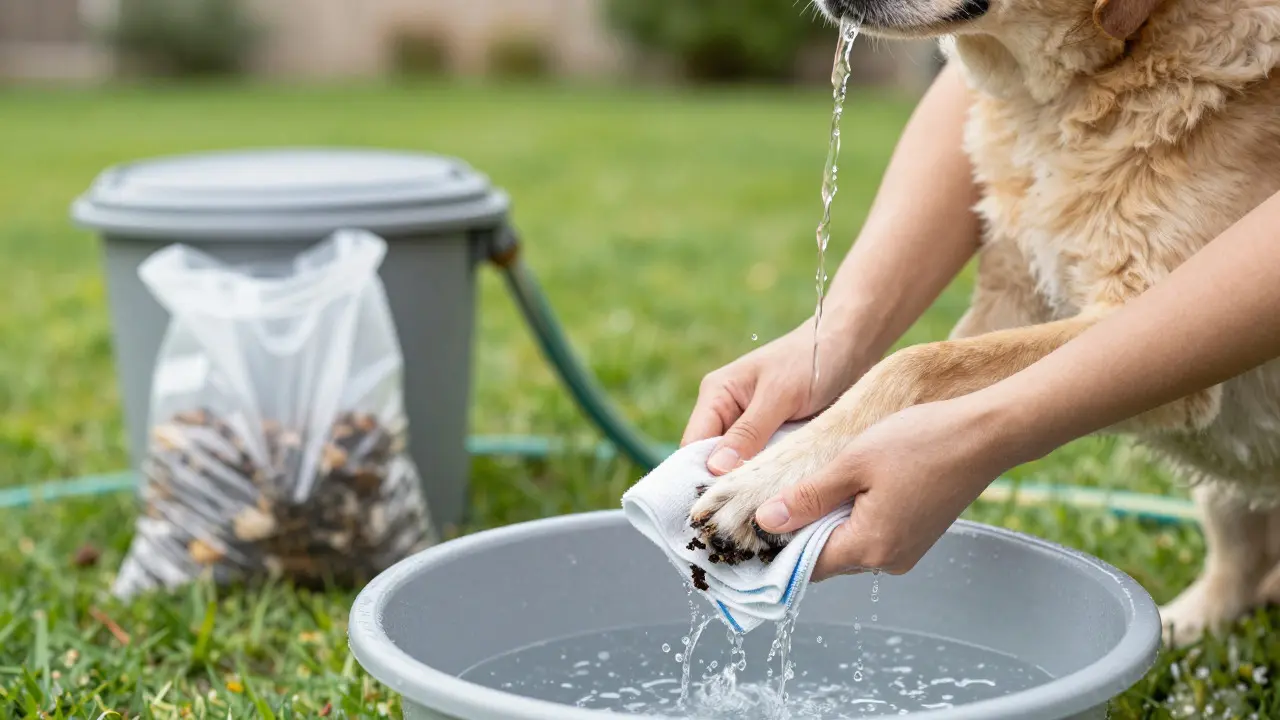
- Pick Up Poop Daily: This is the single most effective step. Remove feces before eggs have time to hatch. Use a bag and bin with a lid to prevent flies from spreading eggs further.
- Regular Deworming: Follow your vet’s schedule. For puppies, this often means monthly treatments until 6 months old, then quarterly for adults. Products containing pyrantel pamoate or fenbendazole are common and effective against both hookworms and roundworms.
- Manage Yard Hygiene: Keep grass short. Long grass traps moisture and hides feces. Avoid letting dogs play in areas where wildlife defecates frequently. Consider installing a fence to keep stray animals out.
- Rinse Paws: After walks, wipe or rinse your dog’s paws. This removes soil particles that may contain larvae or eggs. A simple damp cloth works well.
- Control Fleas and Ticks: While not direct vectors for these specific worms, fleas can carry certain hookworm species (like Uncinaria stenocephala). Comprehensive parasite prevention covers all bases.
Don’t forget about your home. Shoes track soil in from outside. Wipe down entryways and avoid walking barefoot in the yard if you suspect contamination. Children playing in sandboxes should have their hands washed thoroughly afterward, as human reinfection is possible, though rare for these specific dog parasites.
Treatment Options and What to Expect
If your dog tests positive, treatment is straightforward but requires consistency. Oral dewormers are the standard. Pyrantel pamoate kills adult worms but doesn’t affect larvae migrating through tissues. Fenbendazole is broader-spectrum and can interrupt the life cycle more effectively. Your vet will choose based on the severity and type of infection.
After the initial dose, re-treatment is usually necessary two weeks later to catch any newly hatched larvae. Skipping this second dose is a common mistake that leads to persistent infections. During treatment, monitor your dog’s energy levels and appetite. Improvement should be noticeable within a week. If symptoms persist, ask your vet about additional diagnostics to rule out other gastrointestinal issues.
Frequently Asked Questions
Can humans get hookworms from dog soil?
Yes, but rarely. Human infection usually occurs through skin contact with soil containing hookworm larvae, causing a condition called cutaneous larva migrans. This results in an itchy, winding rash. It’s more common in people who walk barefoot in contaminated areas. Proper handwashing and wearing shoes in the yard minimize risk.
How long do roundworm eggs survive in soil?
Roundworm eggs are incredibly tough. They can survive for years in the environment, especially in cool, dry conditions. This longevity makes environmental management difficult. Regular deworming and prompt fecal removal are key to reducing the cumulative load over time.
Is it safe to let my puppy play in the yard right away?
Ideally, wait until your puppy has completed their initial deworming series and is up-to-date on vaccines. Puppies are most susceptible to infection. If you must let them play, supervise closely and pick up any feces immediately. Rinse their paws afterward to remove any soil they may have eaten.
Do natural remedies work for dog parasites?
While some herbs like pumpkin seeds have anecdotal support, they lack the rigorous clinical evidence of pharmaceutical dewormers. For confirmed infections, stick to vet-prescribed medications. Natural methods can complement prevention but shouldn’t replace proven treatments for active infestations.
How often should I test my dog for parasites?
At least once a year for adult dogs, and more frequently for puppies (every 2-4 weeks until 6 months). If your dog lives outdoors, hunts, or interacts with many other animals, semi-annual testing is wise. Always follow your veterinarian’s specific recommendation based on your local prevalence rates.