Ever notice your dog shaking their head more than usual, or scratching at one ear like it’s got a bee inside? That little red bump or fleshy growth inside their ear canal might not be just dirt. It could be a mass or polyp - and if left alone, it can turn into a serious problem. These aren’t rare. In fact, about 1 in 12 dogs over age 6 will develop some kind of ear growth, according to veterinary pathology studies from the University of California, Davis. Most are benign, but they still need attention. Ignoring them doesn’t make them go away - it just makes treatment harder.
What Exactly Are Ear Masses and Polyps?
Ear masses in dogs are abnormal growths that form inside the ear canal or on the ear flap. They can be waxy, fleshy, or even cauliflower-like. Polyps are a specific type of mass - soft, benign, and usually attached by a narrow stalk. They’re made of inflamed tissue and often come from long-term ear infections or allergies. Think of them like a blister that never healed, but instead grew into a lump.
Not all masses are polyps. Some are tumors - like ceruminous gland adenomas (benign) or carcinomas (malignant). Others are just thickened skin from chronic irritation. The key difference? Polyps are usually pink, smooth, and move a little when touched. Cancerous masses tend to be harder, irregular, and don’t budge. But you can’t tell just by looking. That’s why a vet exam is non-negotiable.
Why Do Dogs Get These Growths?
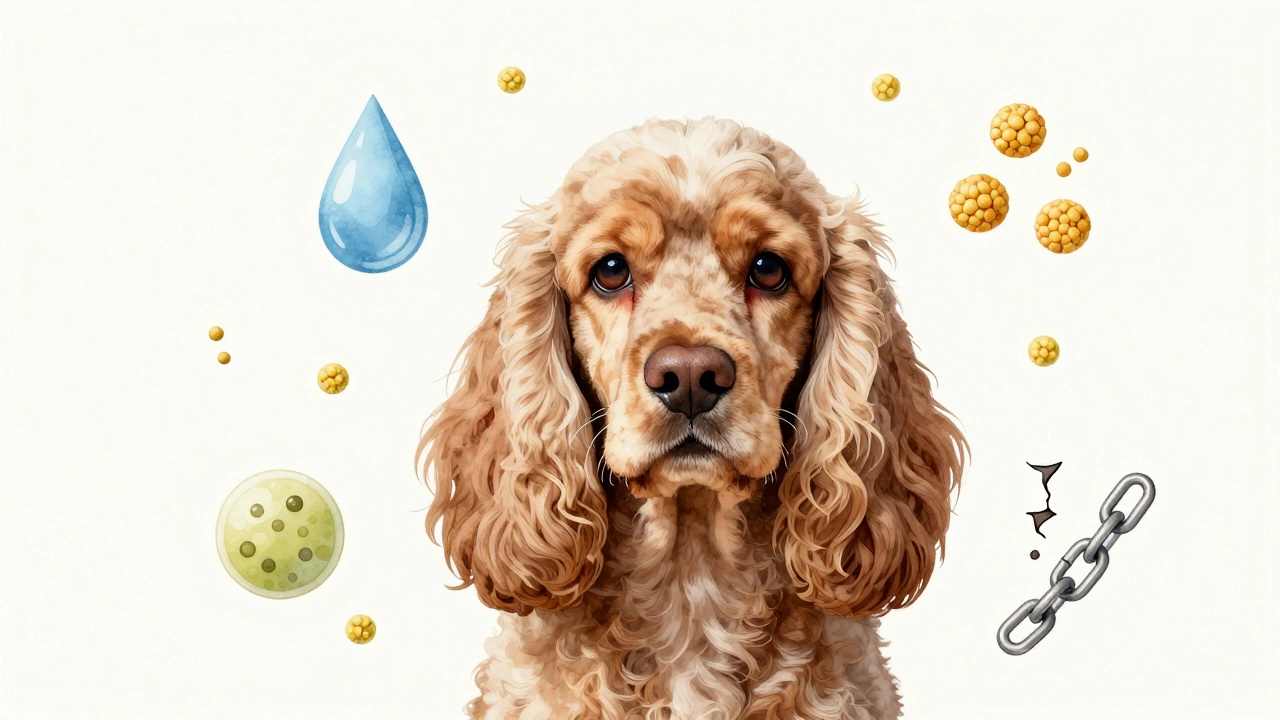
It’s almost always tied to something deeper. Chronic ear infections are the #1 cause. Dogs with floppy ears - like Basset Hounds, Cocker Spaniels, or Labrador Retrievers - are at higher risk because their ear canals stay damp and dark. That’s a perfect breeding ground for yeast and bacteria.
Allergies play a huge role too. Food allergies, environmental triggers like pollen or dust mites, even flea bites can make a dog’s skin react. When the ear canal gets inflamed, it starts producing extra wax and cells. Over time, this builds up into a polyp. One study from the Journal of Veterinary Dermatology found that 73% of dogs with ear polyps also had confirmed food or environmental allergies.
Some breeds are just built for trouble. Dogs with narrow ear canals, excess hair inside the ears, or those prone to seborrhea (oily skin) are more likely to develop these growths. And yes - if your dog has had repeated ear infections over the past year, you’re already in the high-risk zone.
How Do You Spot a Problem?
Early signs are easy to miss. But here’s what to watch for:
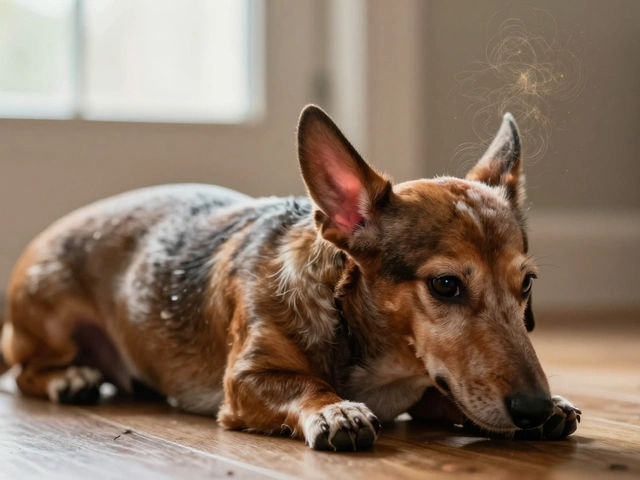
- Head shaking or tilting - especially if it’s one-sided
- Scratching or rubbing the ear against furniture or your leg
- Dark, smelly discharge - brown, yellow, or bloody
- Redness or swelling inside the ear flap or canal
- A visible lump or bump when you lift the ear
- Loss of balance or circling - this means the inner ear is affected
If your dog has any of these, don’t wait. Even if they seem fine otherwise, the growth could be blocking the ear canal. That means sound can’t get through - and your dog might be slowly going deaf in that ear. Worse, the infection can spread to the middle or inner ear. That’s when neurological symptoms like head tilt, vomiting, or walking in circles show up. At that point, treatment gets way more complicated.
How Vets Diagnose These Growths
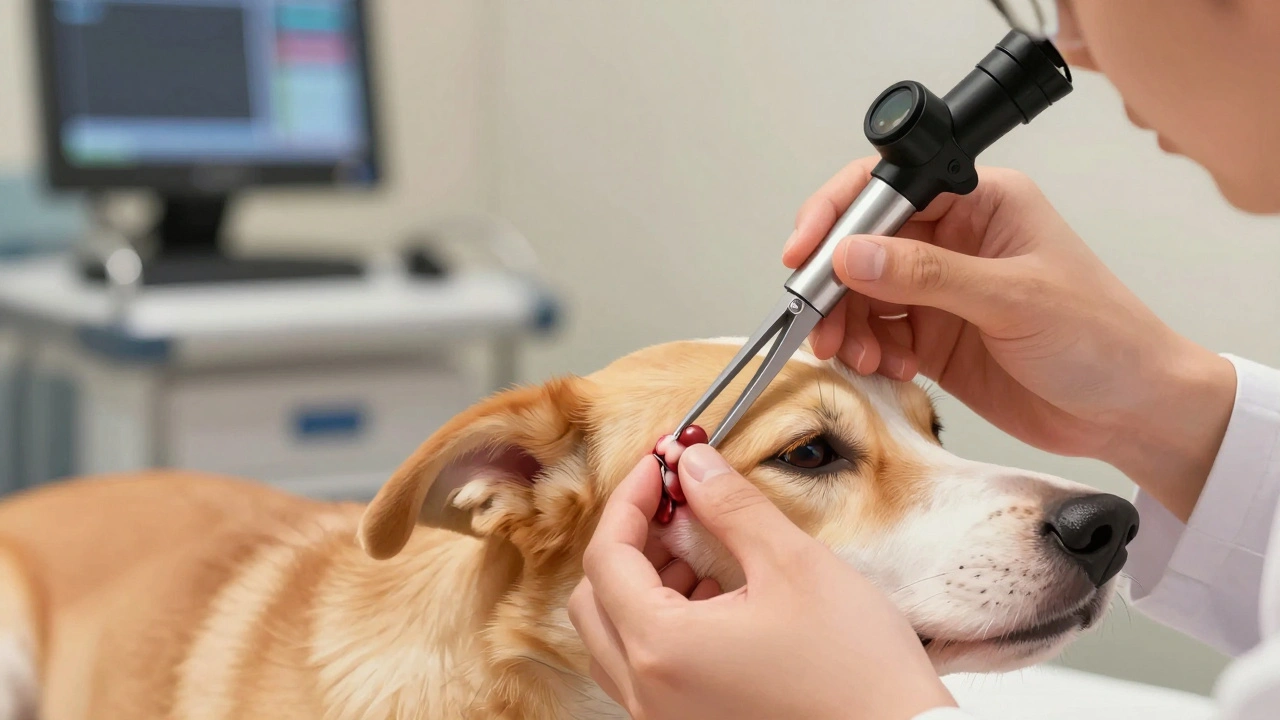
You can’t diagnose this at home. A vet needs to see inside the ear - and that requires sedation. Why? Because the ear canal is narrow and sensitive. Trying to look with a flashlight or otoscope while your dog is scared or wiggling? You’ll miss half the problem. And you might hurt them.
Here’s what happens during the exam:
- Sedation - Your dog gets a light anesthetic so they stay still. This isn’t dangerous. It’s routine.
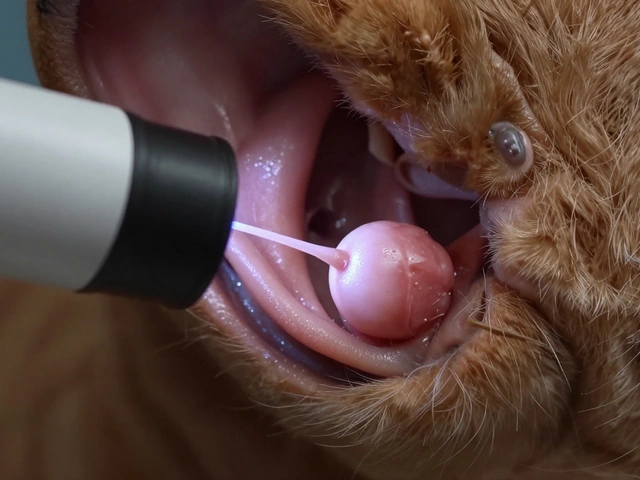
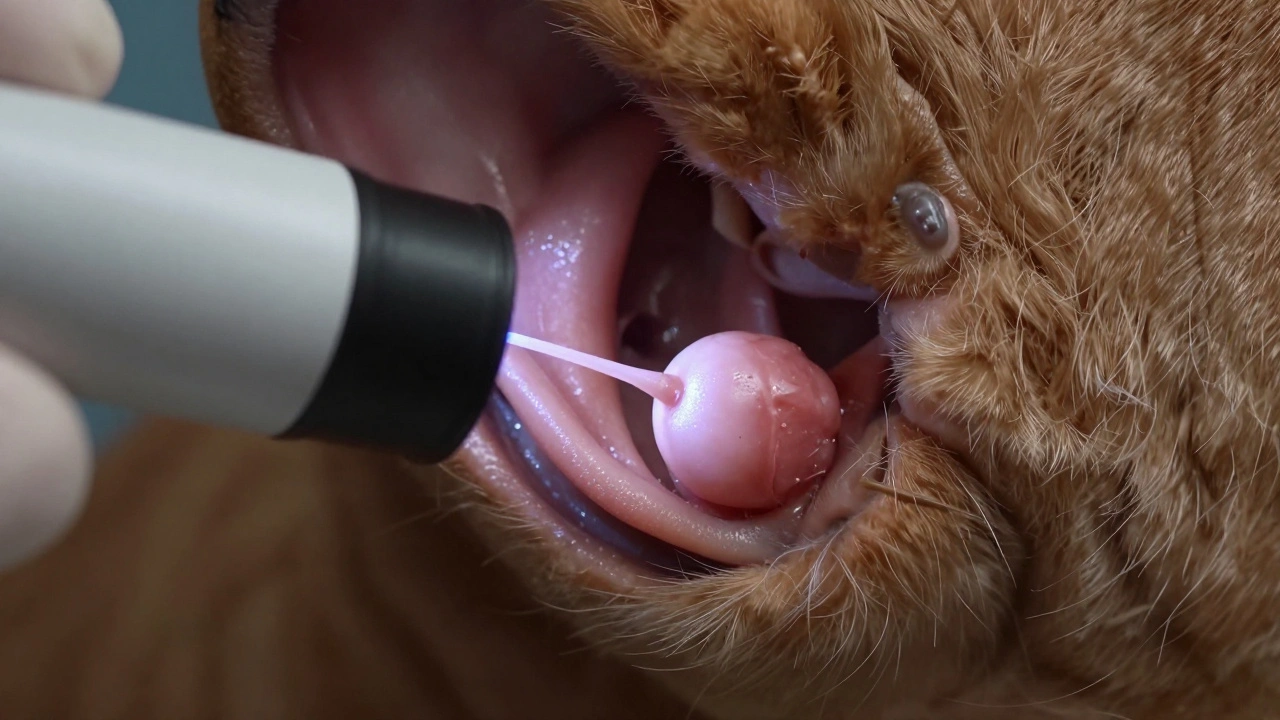
- Ear canal visualization - The vet uses a video otoscope, which is like a tiny camera on a stick. It shows the exact size, shape, and location of the growth.
- Biopsy - If it looks unusual, they’ll take a tiny tissue sample. This tells them if it’s a polyp, tumor, or something else.
- Cytology - They’ll swab the ear and look under a microscope for yeast, bacteria, or mites. This helps decide if infection is driving the growth.
Some vets will also recommend an X-ray or CT scan if they suspect the growth has reached the middle ear. This isn’t always needed, but if your dog is having balance issues, it’s a must. You can’t treat an inner ear infection if you don’t know how far it’s spread.
Treatment Options - What Actually Works
There’s no magic cream or ear drop that makes these go away. Surgery is the only reliable solution - but not every surgery is the same.
Polypectomy - If it’s a polyp, the vet can often remove it with a simple procedure called a polypectomy. They use the video otoscope to grab the base of the polyp with special forceps and gently pull it out. It’s quick - under 30 minutes. Most dogs go home the same day. But here’s the catch: polyps come back in about 30% of cases if the root cause (like allergies) isn’t fixed.
Ear Canal Ablation - If the growth is large, recurrent, or cancerous, the vet may suggest removing the entire ear canal. This sounds extreme, but it’s often the best option for dogs with chronic, deep-seated disease. It doesn’t mean your dog will be deaf - the outer ear still picks up vibrations. They’ll just lose the ability to hear high-pitched sounds. Most dogs adapt perfectly.
Medical Management - This isn’t a cure, but it’s part of the plan. After removal, your dog will need:
- Antibiotics (oral or ear drops) for 2-4 weeks
- Anti-inflammatory meds to reduce swelling
- Regular ear cleanings - every 1-2 weeks for the first few months
- Allergy testing and a hypoallergenic diet if needed
Some owners try home remedies - apple cider vinegar rinses, coconut oil, garlic oil. Don’t. These can irritate the ear further, especially if the eardrum is damaged. A single wrong drop can cause permanent hearing loss.
What Happens After Surgery?
Recovery is usually smooth. Your dog might be groggy for a few hours. They’ll need to wear an Elizabethan collar for 7-10 days to stop them from scratching. Your vet will give you ear cleaning instructions - and you’ll need to follow them. Skipping cleanings is the #1 reason these come back.
Follow-up visits are critical. The first check-up is usually 2 weeks after surgery. Then again at 6 weeks. If the biopsy showed cancer, you’ll need more frequent monitoring - every 3-4 months. Dogs with polyps should be checked every 6 months for a year, then annually.
Long-term, you’ll need to manage the root cause. If allergies triggered the polyp, you’ll need to identify the trigger. That might mean switching to a limited-ingredient diet, using air purifiers, or starting allergy shots. It’s not fun - but it’s the only way to prevent a second growth.
Can You Prevent These Growths?
Not entirely - but you can drastically reduce the risk.
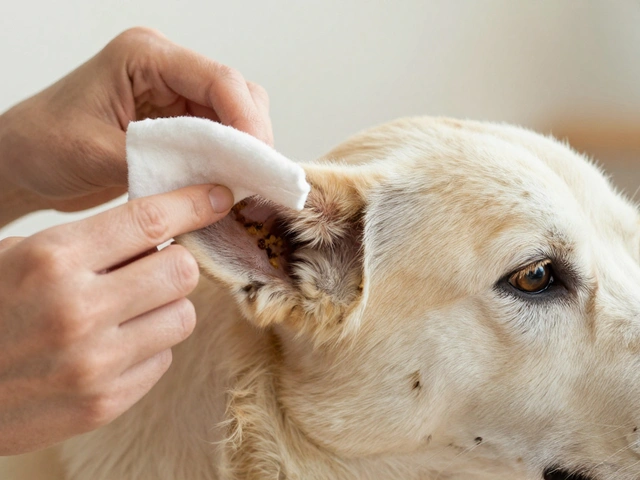
- Keep ears dry - After baths or swims, gently dry the inside of the ear with a cotton ball. Never use Q-tips - they push debris deeper.
- Regular cleaning - Use a vet-approved ear cleaner once a week. If your dog is prone to infections, do it twice.
- Check for allergies - If your dog itches their paws, belly, or ears, get them tested. Food allergies are often the hidden cause.
- Trim ear hair - For breeds with hairy ear canals (Poodles, Schnauzers), a groomer can trim excess hair every 6-8 weeks.
- Don’t ignore early signs - One head shake? One whiff of odor? That’s your cue to call the vet.
Prevention isn’t about perfection. It’s about consistency. A dog with clean, dry ears and managed allergies is far less likely to develop a polyp - even if they’re a breed that’s prone to them.
When to Worry - Red Flags
Not every ear bump is an emergency. But if you see any of these, call your vet right away:
- Bleeding from the ear
- Sudden head tilt or circling
- Loss of appetite or lethargy
- Swelling around the ear or neck
- A growth that’s growing fast or changing color
These could mean infection has spread to the brain or a tumor is aggressive. Time matters. Waiting a week could mean the difference between a simple surgery and a life-threatening condition.
Final Thoughts
Ear masses and polyps in dogs aren’t glamorous. They don’t make for cute TikTok videos. But they’re common, treatable, and often preventable. The biggest mistake owners make? Waiting. They think, “It’s just a bump. It’ll go away.” But ears are delicate. What starts as a tiny polyp can become a chronic infection, hearing loss, or even a tumor if ignored.
Treat it like a dental cavity - small now, serious later. Get it checked. Get it removed. Fix the root cause. And don’t wait until your dog is in pain.
Can ear polyps in dogs go away on their own?
No. Ear polyps are physical growths made of inflamed tissue. They don’t shrink or disappear without treatment. Even if they seem to get smaller temporarily, the underlying cause - like infection or allergy - is still active. Left untreated, they’ll likely grow larger, cause more discomfort, and may lead to permanent ear damage or hearing loss.
Are ear polyps cancerous?
Most ear polyps in dogs are benign - not cancerous. But not all ear growths are polyps. Some look similar but are tumors, like ceruminous gland adenocarcinomas. That’s why a biopsy is essential. Your vet will take a small tissue sample to confirm the type. Never assume a growth is harmless just because it looks soft or pink.
How much does ear polyp removal cost?
Costs vary based on location and complexity. A simple polypectomy using an otoscope typically runs $500-$1,200. If the growth is deep, requires a CT scan, or needs a full ear canal ablation, expect $2,000-$4,000. This includes sedation, diagnostics, surgery, and post-op meds. Pet insurance often covers part of this - especially if the condition is pre-existing and you had coverage before symptoms appeared.
Can I clean my dog’s ears at home to prevent polyps?
Yes - but only with the right products and technique. Use a vet-recommended ear cleaner (never alcohol, vinegar, or hydrogen peroxide). Gently wipe the outer ear with a cotton ball. Never insert anything deep into the canal. Over-cleaning can irritate the skin and trigger more inflammation. Aim for once a week, or twice if your dog has floppy ears or allergies.
Will my dog lose hearing after ear surgery?
If the surgery removes the entire ear canal (ablation), your dog will lose some hearing - mainly high-pitched sounds. But they’ll still hear low-frequency noises through bone conduction. Most dogs adapt quickly. If only the polyp is removed (polypectomy), hearing should remain unchanged. The goal of surgery is to restore function, not damage it.
Which dog breeds are most at risk for ear polyps?
Breeds with floppy ears and high ear wax production are most at risk. These include Cocker Spaniels, Basset Hounds, Labrador Retrievers, Golden Retrievers, and Shih Tzus. Dogs with hairy ear canals - like Poodles, Schnauzers, and Lhasa Apsos - are also prone. Any breed with chronic ear infections or allergies is at higher risk, regardless of ear shape.