Winter in Portland is wet, gray, and often colder than you remember. For a senior dog with stiff joints or thinning fur, those December mornings can be genuinely painful. You’re not just dealing with a pet that needs love; you’re managing a medical condition where temperature regulation has become a daily struggle. If your older dog shivers on the couch or refuses to go outside for their final potty break, it’s time to rethink their environment.
This guide focuses on two specific tools that make the biggest difference: dog coats and warm beds. We aren’t talking about cute accessories. We are talking about functional equipment that prevents hypothermia, reduces joint pain, and improves sleep quality for aging animals. Here is how to choose the right gear without wasting money on things that don’t work.
Why Senior Dogs Struggle with Cold
As dogs age, their body changes in ways that affect heat retention. A seven-year-old Labrador retains heat differently than a twelve-year-old one. The primary issue is metabolic slowdown. Older dogs burn fewer calories at rest, meaning they generate less internal heat. Add to this the fact that many senior dogs suffer from arthritis, and the picture becomes clear. Cold temperatures cause muscles to tighten and joints to stiffen, creating a cycle of pain that makes movement difficult. When movement is difficult, the dog moves less, generating even less heat.
Fur density also plays a role. While some breeds like Huskies retain thick double coats, short-haired breeds like Beagles or Boxers lose their natural insulation as they age. Their skin thins, and hair growth slows down. This means a dog that was comfortable in mild autumn weather might feel freezing in late November. You need external support to bridge that gap.
Choosing the Right Dog Coat
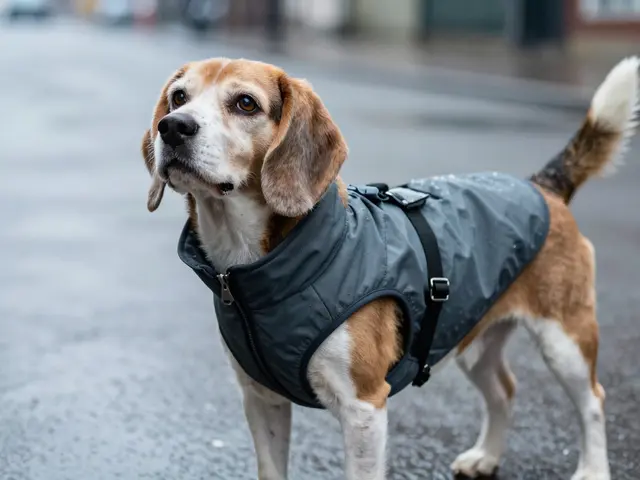
Not all coats are created equal. For a senior dog, fit is more important than style. A coat that is too tight restricts breathing and puts pressure on arthritic hips. A coat that is too loose flaps around, catching wind and actually making the dog colder by disrupting the layer of air trapped against their skin. Look for adjustable straps at the chest and belly. These allow you to customize the fit as the dog loses weight or gains muscle mass due to medication side effects.
Material matters significantly. Avoid synthetic fabrics that trap moisture against the skin. Wet fur conducts heat away from the body much faster than dry fur. Instead, look for water-resistant outer shells with fleece or wool linings. Fleece is lightweight and wicks moisture, while wool provides superior insulation even when damp. If your dog spends time outdoors in rain or sleet, a waterproof coating is non-negotiable. Check the seams; poorly sealed zippers can let in cold drafts that chill the spine.
Consider the coverage area. A standard vest covers the torso but leaves the legs exposed. For very old dogs or those with hip dysplasia, a full-body suit that covers the hindquarters may be necessary. However, these are harder to put on and take off. If your dog struggles with mobility, prioritize ease of use. A zip-up front is far better than a pull-over style, which requires lifting the dog’s legs over the head.
The Science of Warm Beds
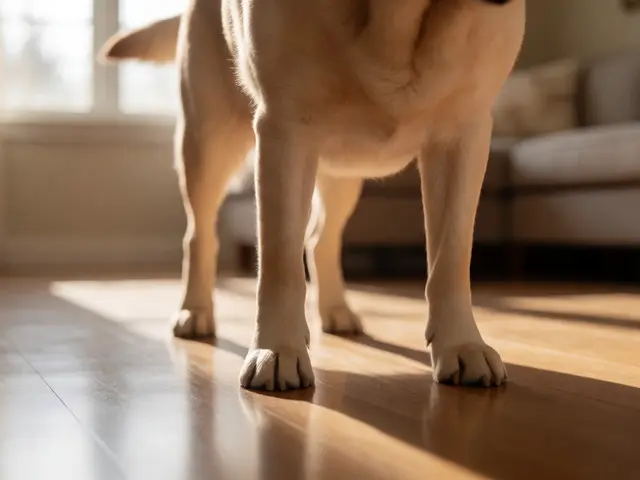
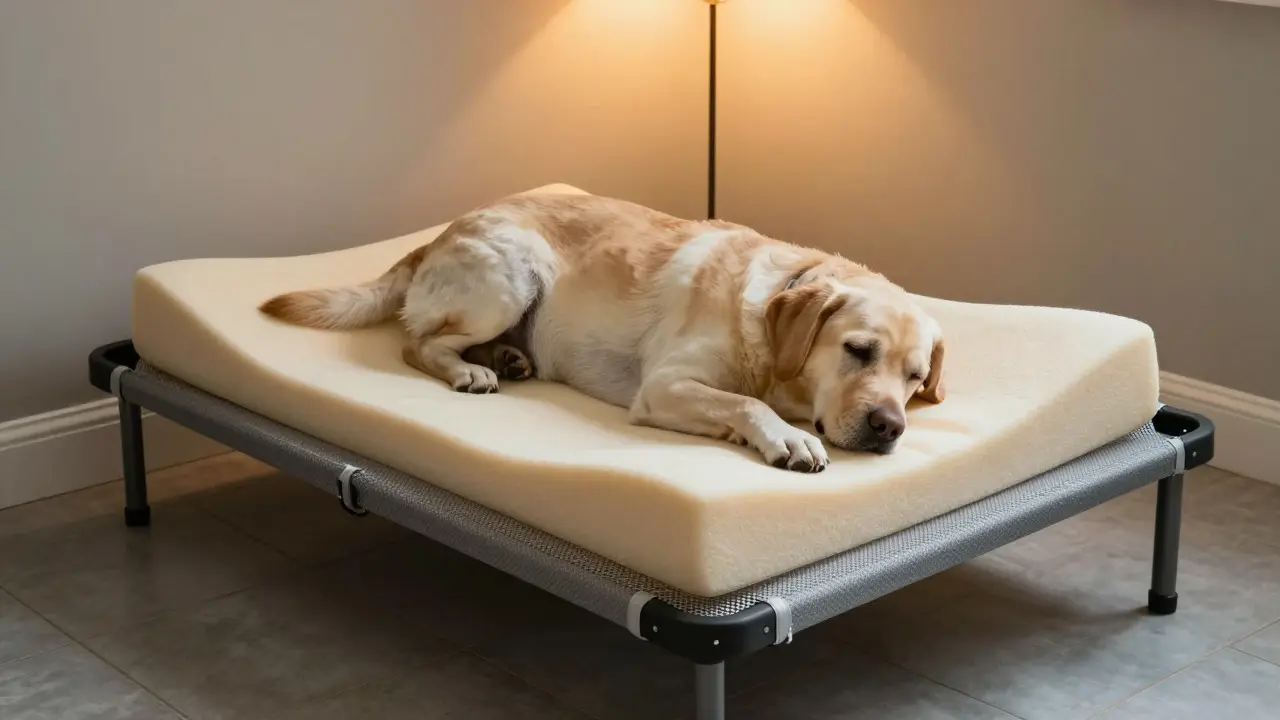
A bed is not just a place to lie down; it is an insulator. Standard foam beds sit directly on the floor. In winter, hardwood or tile floors act as heat sinks, pulling warmth out of the dog’s body through conduction. Even if the room feels warm to you, the floor level can be several degrees cooler. This is why senior dogs often shift positions constantly-they are trying to escape the cold surface.
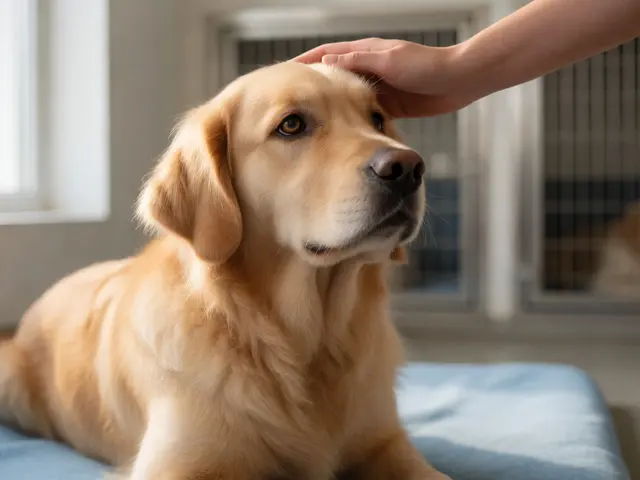
Elevated cot-style beds solve this problem by raising the dog off the ground. Air circulation underneath prevents heat loss and keeps the sleeping surface dry. However, cots lack cushioning. For a dog with severe arthritis, the hard surface can exacerbate joint pain. The solution is a hybrid approach: use an elevated base for insulation and add a high-density memory foam topper for pressure relief. Memory foam conforms to the dog’s body shape, distributing weight evenly and reducing pressure points on hips and elbows.
Heated beds offer another option, but they come with risks. Electric heating pads can pose fire hazards if chewed or if the wiring fails. If you choose a heated bed, ensure it has automatic shut-off features and a chew-proof cover. Alternatively, consider self-warming beds that use reflective materials to bounce the dog’s own body heat back at them. These require no electricity and are safer for unsupervised naps.
Comparison: Coat Types and Bed Options
| Item Type | Best For | Key Feature | Potential Drawback |
|---|---|---|---|
| Fleece-Lined Vest | Mild cold, indoor/outdoor transitions | Lightweight, easy to clean | Limited protection for hind legs |
| Waterproof Full-Body Suit | Rain, snow, extended outdoor time | Total coverage, wind resistance | Bulky, harder to put on |
| Elevated Cot Bed | Dogs with allergies, hot sleepers | Air flow, easy cleaning | No cushioning for joints |
| Memory Foam Orthopedic Bed | Severe arthritis, heavy dogs | Pressure relief, deep support | Can retain heat, heavier to move |
| Self-Warming Reflective Bed | Energy saving, safety priority | No electricity needed | Less effective in extreme cold |
Practical Tips for Daily Winter Care
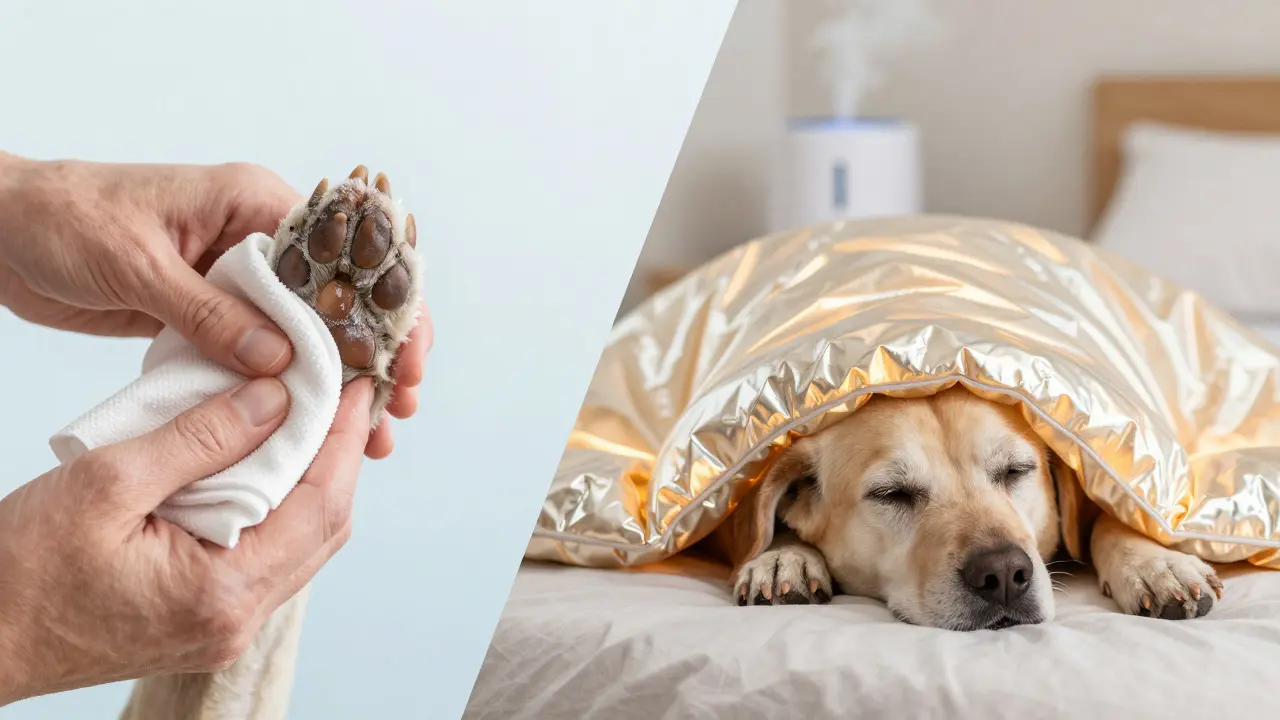
Gear is only half the battle. Your routine needs to adapt to the season. First, check paws after every walk. Ice, salt, and de-icing chemicals can crack paw pads and cause inflammation. Wipe them down with a damp cloth immediately upon entering. Second, monitor water intake. Dry indoor air from heaters can dehydrate dogs quickly. Keep fresh water available and consider adding a humidifier to the bedroom if the air feels parched.
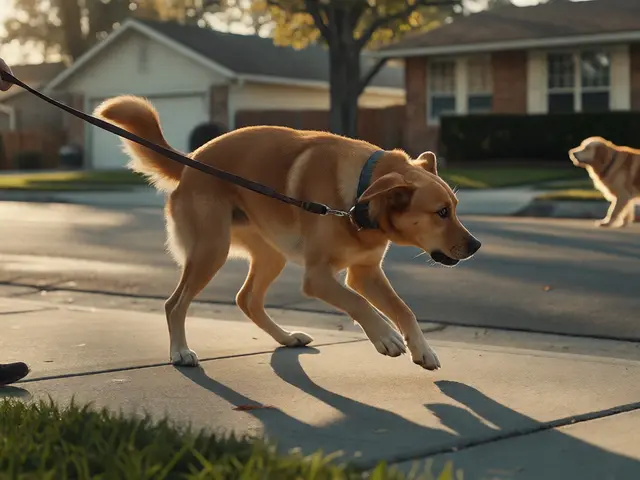
Exercise should remain consistent but modified. Shorter, more frequent walks prevent the dog from getting too cold before they finish. Use positive reinforcement to encourage movement. If your dog resists going out, bring treats or toys to make the experience positive rather than a chore. Finally, watch for signs of hypothermia. Shivering, lethargy, and pale gums are red flags. If you notice these, warm the dog gradually using blankets, not direct heat sources like hair dryers, which can burn sensitive skin.
Frequently Asked Questions
Do all senior dogs need a coat?
No, but most benefit from one during peak winter months. Dogs with short hair, low body fat, or joint issues are prime candidates. Thick-coated breeds may only need a booties for paws. Observe your dog’s behavior; if they shiver or hesitate to go outside, a coat helps.
Is a heated bed safe for an unattended dog?
Only if it has a certified auto-shutoff feature and a durable, chew-resistant cover. Always inspect the cord weekly for fraying. Self-warming reflective beds are a safer alternative for unsupervised naps as they rely on the dog’s own body heat rather than electricity.
How do I measure my dog for a coat?
Measure from the base of the neck to the base of the tail for length. Measure around the widest part of the chest for girth. Compare these numbers to the manufacturer’s size chart. When in doubt between sizes, choose the larger one to avoid restricting movement.
What is the best material for a winter dog bed?
High-density memory foam is best for joint support, while fleece or sherpa linings provide warmth. Avoid cotton fills that compress easily, as they lose insulating properties over time. Washable covers are essential for hygiene, especially for incontinent seniors.
Should I keep my senior dog indoors all winter?
Ideally, yes, for extended periods. However, regular outdoor exposure is important for mental health and bladder control. Use protective gear like coats and boots to make outdoor time comfortable. Limit exposure to extreme cold snaps below freezing.