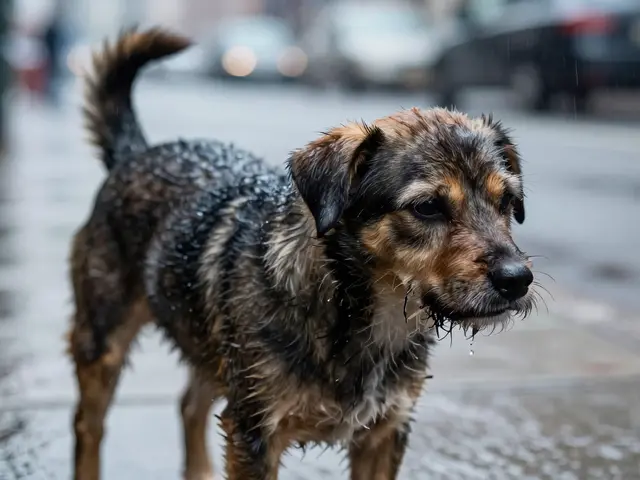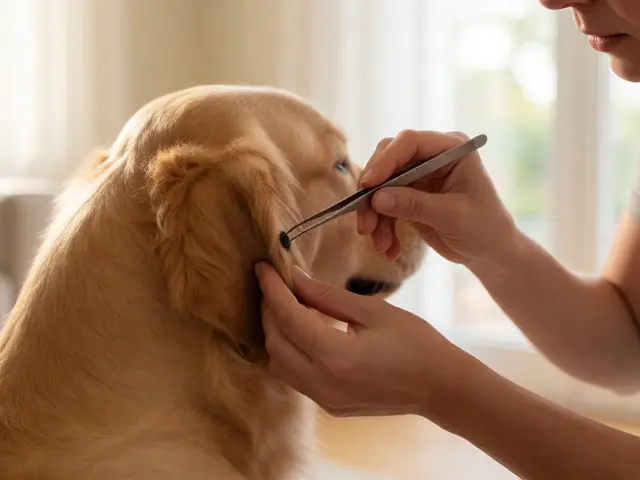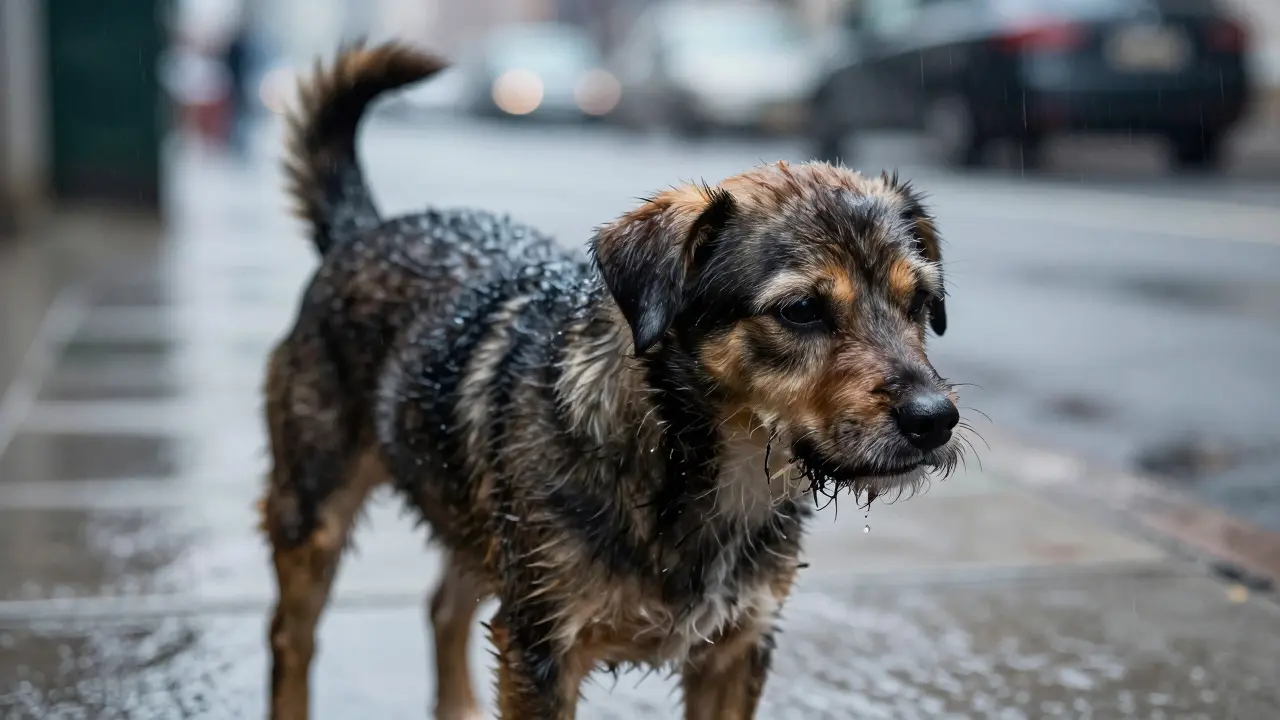
Your dog is shivering. Is it just a chill, or is their body temperature dropping dangerously low? In Portland, we know the rain can be relentless, but when the temperature dips below freezing in the mountains or during those rare hard freezes, the risk shifts from discomfort to medical emergency. Understanding dog hypothermia isn't just about keeping your pup warm; it's about recognizing the subtle signs before they become critical. Most owners assume all dogs handle cold the same way, but breed, age, and health status change everything.
Cold stress affects a dog’s physiology differently than it does ours. While humans lose heat primarily through radiation and convection, dogs rely heavily on behavioral changes and fur insulation. When that insulation fails-due to wet coats, thin fur, or wind chill-their core temperature can drop rapidly. This article breaks down exactly how to spot the warning signs, prevent injury, and respond correctly if your dog gets too cold.
Understanding Canine Hypothermia
Hypothermia is a medical condition where a dog's core body temperature drops below 95°F (35°C), leading to impaired organ function. Normal canine body temperature ranges between 101°F and 102.5°F. Once it falls below 100°F, you are entering the danger zone. Below 95°F, the heart rate slows, breathing becomes shallow, and coordination disappears. If it drops under 90°F, coma and cardiac arrest become likely without immediate veterinary intervention.
You don't need a thermometer to suspect the problem initially, but you do need to know what normal looks like. A healthy dog at rest has a steady heartbeat and responsive eyes. As hypothermia sets in, the behavior changes drastically. Here is what to look for:
- Mild Hypothermia (95-100°F): Intense shivering, tucked tail, seeking warmth, and lethargy.
- Moderate Hypothermia (90-95°F): Shivering stops (a bad sign), muscle stiffness, slow reflexes, and dilated pupils.
- Severe Hypothermia (Below 90°F): Unconsciousness, very slow or absent pulse, and pale gums.
A common mistake is assuming that because a dog is still moving, they are fine. By the time a dog stops shivering, they have often progressed past mild hypothermia into moderate stages. The shiver response is the body's last attempt to generate heat mechanically. When it stops, the metabolic engine is failing.
Frostbite: The Silent Threat
While hypothermia is systemic, Frostbite is local tissue damage caused by ice crystal formation in cells, typically affecting extremities like ears, paws, and tails. It often happens alongside hypothermia but can occur even if the core temperature remains relatively stable. Wind chill accelerates this process significantly, making a 25°F day with high winds feel like 10°F to a dog's exposed skin.
Frostbite doesn't always hurt immediately. In fact, the area often feels numb rather than painful. You might notice white or grayish patches on the ear tips, paw pads, or tail tip. If you press the affected area, it may feel firm and cold, unlike the surrounding soft tissue. Later, as blood flow returns, the area will turn red, swell, and potentially blister. This is where the real pain begins, and where permanent tissue death can occur if not managed properly.
Dogs with short hair, dark pigmentation, or pre-existing circulation issues are more susceptible. Think of it like wearing gloves that are two sizes too big-you have less insulation and more surface area exposed to the elements. Breeds like Greyhounds, Chihuahuas, and Beagles are particularly vulnerable due to their lower body fat and thinner coats compared to Huskies or Newfoundlands.
Who Is At Risk?
Not every dog needs a coat, but many do. The risk factors for cold-related injuries fall into three main categories: physical traits, environmental exposure, and underlying health conditions.
| Factor Category | High-Risk Examples | Why It Matters |
|---|---|---|
| Breed & Size | Chihuahuas, Greyhounds, Whippets, Pugs | Low body mass and thin fur reduce heat retention capacity. |
| Age | Puppies under 6 months, Seniors over 8 years | Immature thermoregulation or reduced metabolic efficiency. |
| Health Status | Hypothyroidism, Arthritis, Heart Disease | Underlying conditions impair circulation or energy production for warmth. |
| Coat Condition | Wet fur, Matted hair, Post-grooming | Wet fabric conducts heat away 25x faster than dry air; mats trap moisture against skin. |
If your dog fits any of these profiles, treat them as high-risk whenever the temperature drops below 40°F. For a large, double-coated breed like a Siberian Husky, 40°F might be perfectly comfortable. For a senior Pug with arthritis, 40°F could be a struggle to walk outside for even five minutes.
Prevention Strategies That Actually Work
Prevention is far easier than treatment. You don't need expensive gear, but you do need consistent habits. Here is how to keep your dog safe during cold snaps:
- Check the Wind Chill, Not Just the Temperature. A digital thermometer reading 30°F means little if the wind is blowing 15 mph. The effective temperature on exposed skin can be near zero. Use a local weather app that provides wind chill calculations.
- Keep Them Dry. Rain in Portland is constant. A wet dog loses heat rapidly. After walks, towel dry them thoroughly. If they get soaked, bring them inside immediately. Consider a waterproof dog jacket for rainy, cold days.
- Limit Outdoor Time. Shorten walks when it’s cold. Ten minutes of brisk activity is better than thirty minutes of standing around. Watch for panting (signs of overheating from exercise) or excessive shivering (signs of cooling).
- Protect Extremities. Booties can prevent snowball buildup and salt/chemical burns on paw pads, which weakens the skin barrier against frostbite. Ears and tails are also vulnerable; consider a hoodie-style coat that covers the ears for small breeds.
- Monitor Food and Water. Cold water can be shocking to a sensitive stomach. Offer lukewarm water instead. Also, ensure food doesn't freeze in outdoor bowls. Indoor feeding is safer in extreme cold.
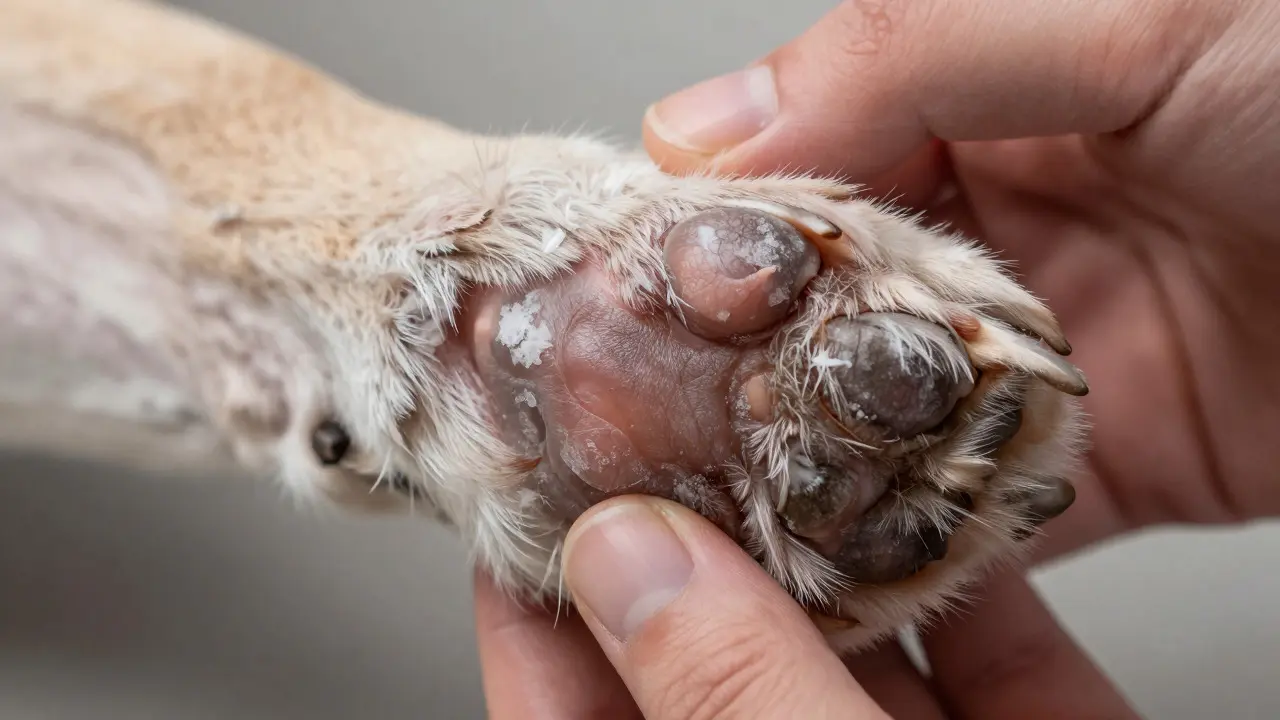
One pro tip: Check your dog’s paw pads regularly. Cracked pads bleed easily and are entry points for infection. Apply a paw balm with lanolin or beeswax to create a protective barrier before heading out.
First Aid: What To Do If They Get Too Cold
If you see shivering, lethargy, or stiff movements, act fast. But do it right. Rushing a hypothermic dog into a hot bath or using a heating pad on high can cause shock. The goal is gradual rewarming.
- Get Inside. Move the dog to a warm, draft-free room. Remove wet clothes or fur.
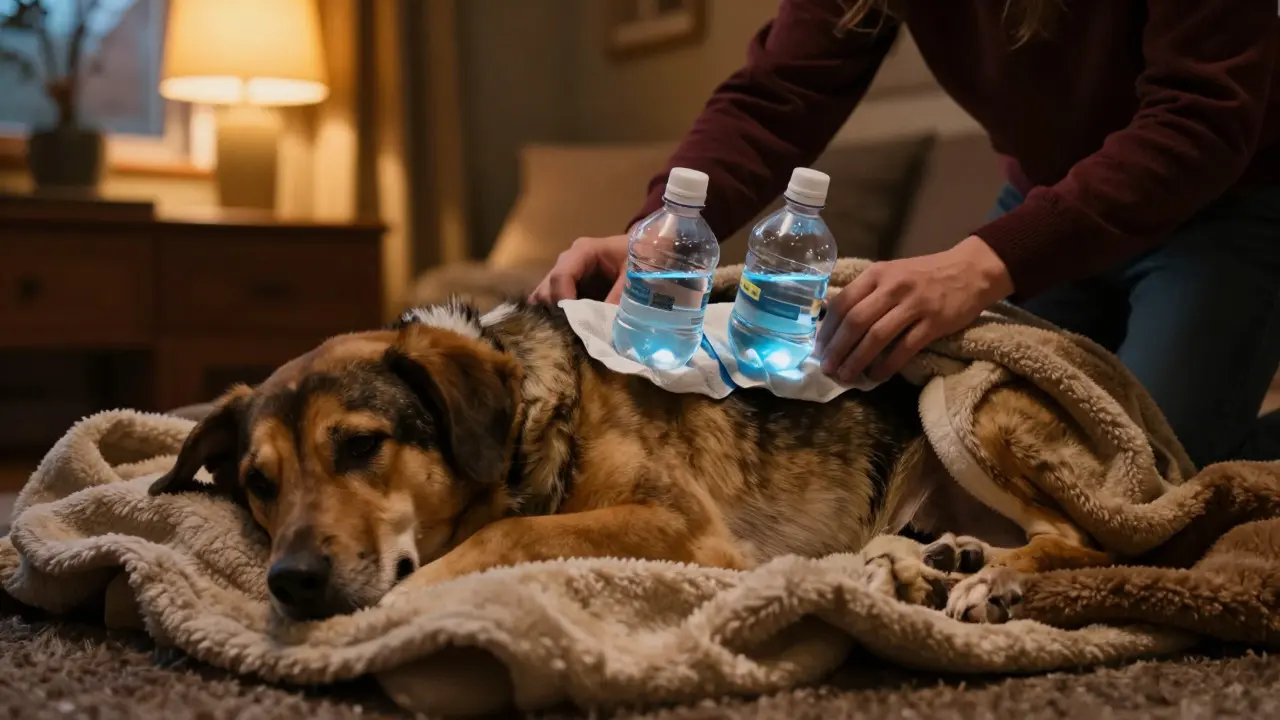
- Wrap Them Up. Use blankets, towels, or a sleeping bag. Wrap the core (chest and belly) first, then the extremities. Avoid rubbing the limbs vigorously, as this can damage damaged tissues.
- Use Warm (Not Hot) Compresses. Fill plastic bottles with warm tap water (test on your inner wrist-it should feel comfortably warm, not hot). Place them against the chest, neck, and armpits. Change them as they cool.
- Offer Lukewarm Fluids. If the dog is conscious and able to swallow, offer small sips of lukewarm water or broth. Do not force-feed.
- Call Your Vet. Even if the dog seems to recover, monitor them for the next 24 hours. Secondary complications like pneumonia or arrhythmias can develop later.
Never use alcohol rubs, hot water baths, or electric blankets directly on the skin. These methods can cause vasodilation, pushing cold blood from the extremities to the core, which can trigger cardiac arrest.
Special Considerations for Portland Pet Owners
Living in the Pacific Northwest, we face unique challenges. Our winters are wet, not just cold. The combination of rain and wind creates a "wet chill" that penetrates fur layers quickly. Unlike the dry cold of Montana or Minnesota, our damp air holds heat poorly. This means a dog can be hypothermic even if the thermometer reads 45°F, especially if they’ve been out in the drizzle for an hour.
Additionally, Portland’s urban environment introduces risks like de-icing salts on sidewalks. While less common here than in northern states, some commercial areas use calcium chloride or magnesium chloride, which can irritate paws. Rinse paws after walks in treated areas. If you live in the hills or go hiking in the Gorge, remember that elevation increases wind chill. A trailhead at 40°F can feel like 25°F at the summit with a breeze.
For multi-dog households, watch out for social dynamics. Smaller dogs often huddle with larger ones for warmth. Ensure the smaller dog isn’t being pushed out of the cozy spot. Rotate bedding so no one dog is stuck on a cold tile floor while another sleeps on the heated rug.
Frequently Asked Questions
How long can a dog stay outside in the cold?
There is no single rule, but a general guideline is 10-15 minutes per degree of temperature drop below 50°F for average-sized dogs. So at 30°F, limit outings to 20-30 minutes max, adjusting for wind and wetness. Small or short-haired dogs should be limited to 5-10 minutes. Always observe behavior: if they stop playing and start seeking shelter, it's time to go home.
Do all dogs need a winter coat?
No. Double-coated breeds like Huskies, Malamutes, and Newfoundlands usually do not need coats unless the wind is extreme. Single-coated breeds like Beagles, Labradors, and Terriers benefit from coats in temperatures below 40°F. Senior dogs, puppies, and dogs with low body fat should wear coats in cooler weather regardless of breed.
What is the fastest way to warm up a hypothermic dog?
Gradual rewarming using warm compresses on the core body (chest and abdomen) is the safest method. Wrap the dog in blankets and place warm water bottles against the torso. Avoid direct heat sources like heaters or hot baths. The process can take several hours. Seek veterinary care if shivering stops or the dog becomes unresponsive.
Can frostbite happen in temperatures above freezing?
Yes, though it is less common. Wet fur combined with strong wind can lower the effective skin temperature below freezing even if the air temperature is slightly above 32°F. This is known as "wind chill frostbite." It is most likely to affect ears, tails, and paws in wet, windy conditions.
Should I feed my dog more in the winter?
Generally, yes, but only if they are active outdoors in the cold. Burning calories to maintain body temperature requires extra fuel. However, if your dog stays indoors most of the time, keep their diet the same to avoid weight gain. Monitor their weight monthly and adjust portions accordingly.