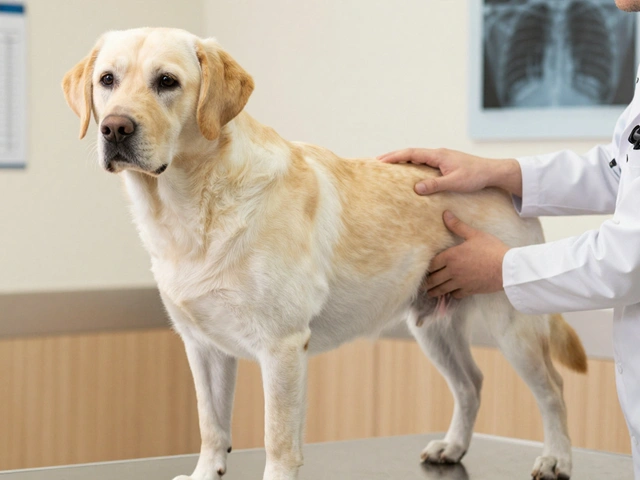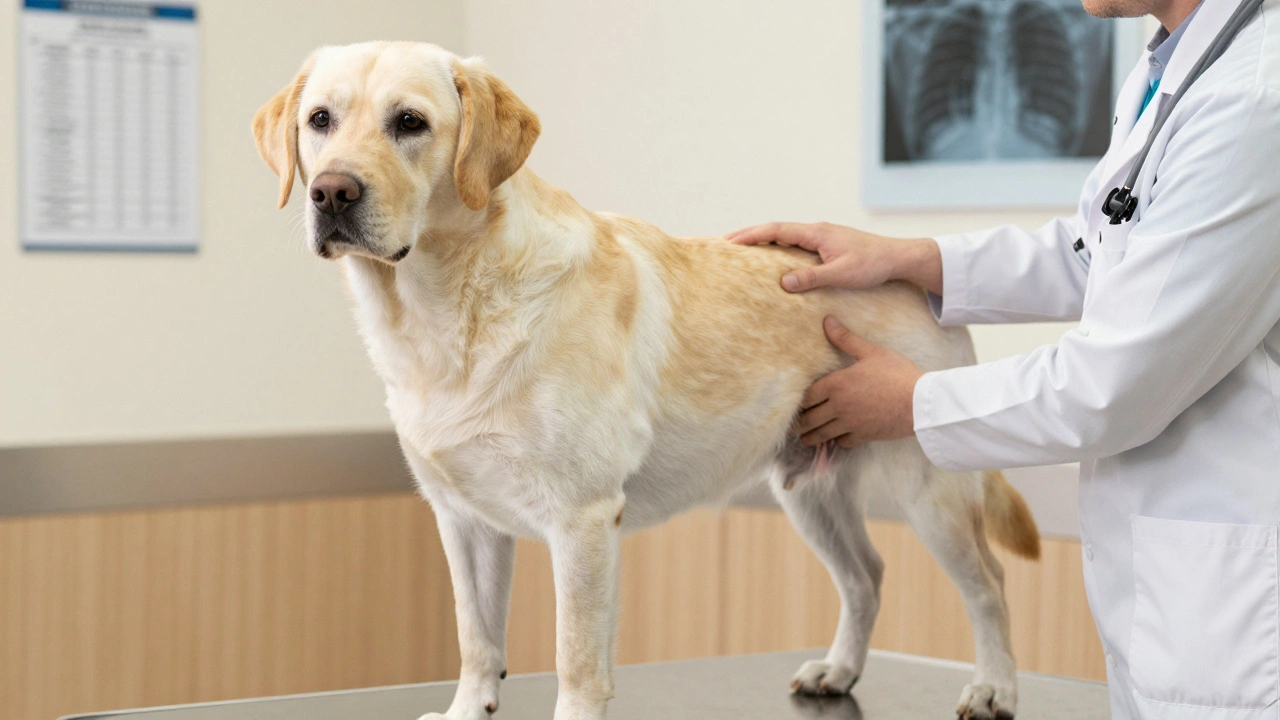
You might assume a female dog is ready to have puppies the moment she gets her first heat. That assumption could ruin her life before she even starts raising a litter. It is a common misconception that sexual maturity equals physical readiness. When you wait until the body is truly set, you protect both the mother and the future puppies from avoidable harm.
Dog Breeding is the deliberate mating of dogs to produce offspring with specific traits, requiring extensive health and ethical preparation. Also known as Canine Reproduction Management, it involves more than just finding a mate. In 2026, responsible breeding demands strict adherence to veterinary guidelines and genetic clearance protocols. Ignoring these steps often leads to higher veterinary costs later and contributes to the shelter overpopulation crisis we see in cities like Portland.
Understanding Physical Maturity Versus Sexual Maturity
The difference between being able to reproduce and being healthy enough to sustain a pregnancy is massive. Most females experience their first estrus cycle between six and twelve months of age. However, getting pregnant at ten months old can stunt growth and cause complications during delivery because the pelvis isn't fully formed.
Think of a dog's growth plates. If they are still open when a litter is carried, the mother may stop growing properly. This leads to skeletal issues later in life. You need to wait until all growth is complete. For smaller breeds, this usually happens closer to eighteen months. For larger giants, pushing past twenty-four months is often the safer bet to ensure bone density is maximized.
| Breed Size | Minimum Recommended Age | Maximum Prime Breeding Window | Risk Factors Before Minimum |
|---|---|---|---|
| Toy & Small (e.g., Chihuahua) | 15 Months | 4 Years | Dystocia (difficult birth) |
| Medium (e.g., Border Collie) | 18 Months | 5 Years | Growth plate stunting |
| Large (e.g., Labrador Retriever) | 21 Months | 5 Years | Pelvic fractures during whelping |
| Giant (e.g., Great Dane) | 24 Months | 3-4 Years | Cardiovascular stress |
Waiting longer isn't just about safety; it helps the dam mature emotionally as well. Younger mothers sometimes exhibit anxiety around their pups. An older dam is typically calmer, which sets a better temperament standard for the puppies during their critical socialization window.
Essential Health Clearances and Testing Protocols
Before you plan a single date, you must verify your dog's genetic makeup. Just because a dog looks healthy does not mean she won't pass on hidden diseases. You should work with a veterinarian who specializes in genetics rather than general practice alone. This ensures you catch carrier status before conception occurs.
One of the most critical screenings involves the Orthopedic Foundation for Animals (OFA). They evaluate hip and elbow conformation to minimize the risk of dysplasia. Dysplasia causes painful arthritis and mobility loss years down the road. Both parents need recent clearances showing normal scores. Without this proof, you are gambling with every puppy's future quality of life.
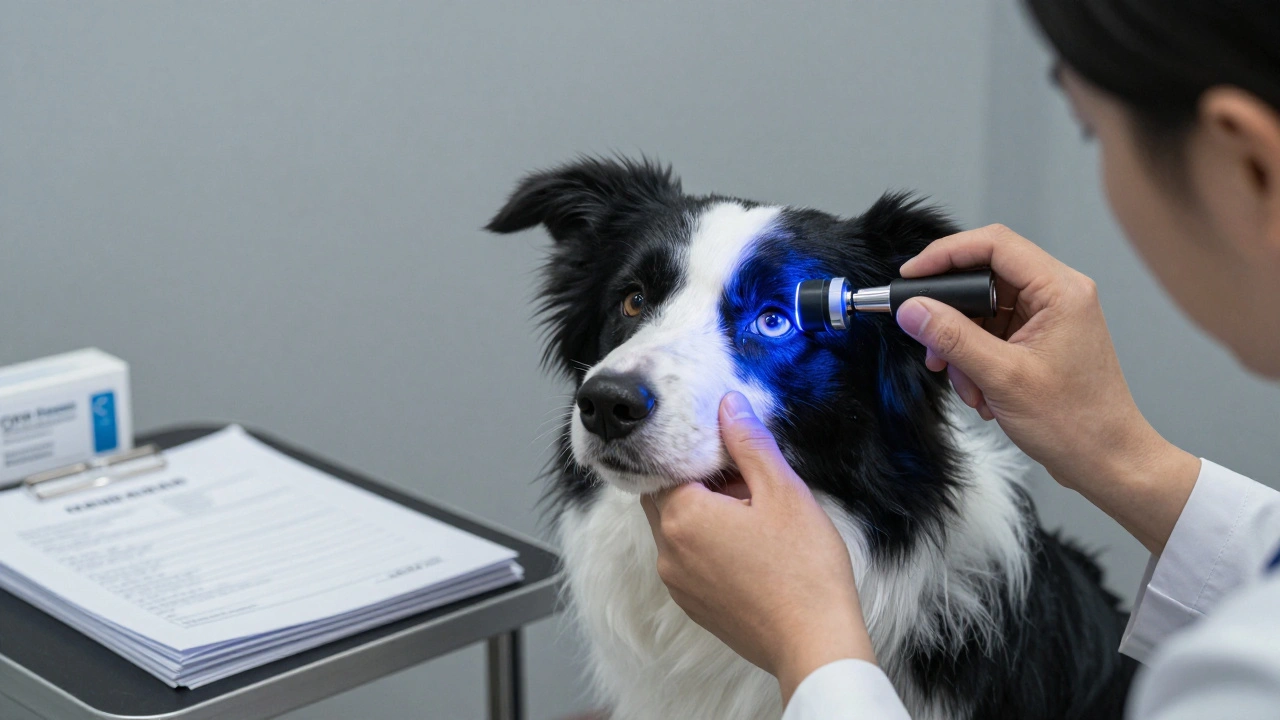
Eye exams are equally non-negotiable. You need a Certificate of Eye Registries (CERF) evaluation if your breed is prone to retinal issues. Conditions like Progressive Retinal Atrophy (PRA) lead to blindness. Detecting these early through DNA panels allows you to make informed decisions about pairing mates that dilute these risks rather than compound them.
- Hip Evaluation: OFA or PennHIP scoring
- Elbow Evaluation: X-ray assessment
- Ocular Evaluation: Annual checks by a certified ophthalmologist
- Cardiac Exam: Echocardiogram for large breeds
- DNA Testing: Breed-specific genetic mutation panels
Don't rely solely on visual inspections. These conditions sit silently within the genome until symptoms appear, sometimes too late to treat. Running these tests protects you legally as well. Many reputable breed associations require you to register litters only after uploading these certification numbers.
Timing the Heat Cycle for Success
Even with perfect health, timing matters immensely. A heat cycle consists of four distinct stages, and missing the fertile window means waiting another four to six months for the next opportunity. During proestrus, bleeding begins, but ovulation hasn't happened yet. Mating now results in nothing.
Estrus is the stage where you want to aim. Vulva swelling peaks, and the discharge lightens to a pinkish straw color. Blood test vials for progesterone levels offer the highest accuracy here. Waiting for visual signs alone carries a risk of failure. A simple blood draw can tell you exactly when ovulation will occur, usually twenty-four hours prior.
If you are using artificial insemination, the timing becomes even more technical. Shipping frozen sperm requires precise synchronization. Live coverage allows for natural behavior cues, which reduces stress on the dam. Stress affects implantation rates, so keep the environment quiet during the entire cycle.
Financial and Emotional Readiness
Breeding is rarely profitable. You should not enter this hobby thinking about recouping costs immediately. A successful litter requires emergency vet funds on hand. C-sections are not uncommon, even for healthy lines. Complications during whelping can escalate quickly without immediate intervention.
Budget at minimum two thousand dollars per litter just for basics. Include neonatal care, vaccinations, and spay/neuter fees before release. Some breed clubs enforce contracts that require you to hold onto puppies if the contract holder cannot keep them, meaning you absorb the cost.
You also need backup help. Whelping often happens at night. Having a friend or family member willing to take a shift while you sleep is crucial. Maternal neglect happens when the dam is exhausted. A rested mother makes better milk and bonds stronger with her pups.
Ethical Responsibilities Beyond Delivery
Your job isn't done once the puppies go to their new homes. Reputable breeder status relies on lifetime support. Puppies carry your bloodline reputation. If a health issue arises three years later, buyers expect you to step in.
Contracts should outline return policies explicitly. If an owner can no longer care for the dog, you take them back. This guarantees the dog never ends up in a shelter simply because the human situation changed. This commitment separates backyard breeding operations from true stewards of the breed.
Education plays a huge role here too. You are responsible for educating the new owners about nutrition, training, and exercise. Providing detailed care sheets helps them maintain the dog's health standards throughout its life.

Risks of Delayed Breeding
While waiting is generally good, waiting too long introduces new problems. After five years of age, fertility drops significantly in many breeds. Senior dams face higher risks during labor, such as prolonged dystocia or eclampsia. Eclampsia depletes calcium levels rapidly and can be fatal without immediate treatment.
If you decide against a second litter, consider egg-freezing technology emerging in 2026. Cryopreservation allows you to save eggs from a prime-age dam to fertilize later, skipping the physical wear of a third pregnancy entirely.
Summary of Preparation Steps
To move forward safely, check these boxes before any introduction:
- Confirm growth plates are closed via x-ray.
- Submit all genetic health clearances to registry databases.
- Calculate a worst-case scenario financial budget.
- Secure a local board-certified reproductive specialist.
- Prepare a contract detailing buyer rights and return policy.
These steps create a foundation of trust with the community and protect the animals involved. Your diligence ensures the lineage remains robust rather than declining in quality generation after generation.
When is too young to breed a female dog?
You should never breed before fifteen months for small dogs or twenty-one months for large breeds. Breeding during the first or second heat exposes the mother to skeletal growth issues and increases the likelihood of birthing difficulties due to an immature pelvic structure.
What health tests are mandatory before breeding?
At minimum, you need hip and elbow evaluations from the OFA, eye certifications from a board-certified ophthalmologist, and breed-specific DNA panels for hereditary conditions. These tests verify the dog is free to reproduce without passing on debilitating disorders.
How many times should a dog be bred?
Generally, a healthy female should not exceed two litters in her lifetime. Frequent breeding exhausts her reserves. Most veterinarians recommend retiring after the second or third heat post-litter to preserve longevity.
Can I breed my own two dogs together?
Breeding siblings or parents to offspring creates severe inbreeding coefficients. This doubles the chance of recessive genetic defects appearing. Unless you are managing a very limited gene pool under expert supervision, outcross to unrelated lines is always safer.
Is there insurance for puppy complications?
Standard pet insurance often excludes breeding injuries or congenital defects covered under sale contracts. Specialized breeding liability policies exist but are niche. Relying on personal savings is the standard safeguard for unexpected neonatal emergencies.