It’s hard to admit, but sometimes the kindest thing you can do for an aggressive dog is to find them a new home. If your dog growls, snaps, or bites-especially around children, strangers, or other pets-it’s not a failure of love. It’s a safety issue. And ignoring it doesn’t make it go away. In fact, it makes things worse.
Why Aggression Isn’t Just a "Bad Habit"
Aggression in dogs isn’t about being "mean" or "bad." It’s a communication tool. When a dog feels threatened, scared, or in pain, they use growling, lunging, or biting to say, "Back off." Many owners think they can train this out with treats and patience, but that’s not always true. Some dogs have deep-seated fear, past trauma, or neurological issues that can’t be fixed with obedience classes alone.
A 2023 study from the University of Edinburgh found that 68% of dogs with severe aggression toward strangers showed no improvement after six months of behavior modification. These weren’t poorly trained dogs. They were dogs whose brains had wired fear responses too strongly to undo. That doesn’t mean they’re unlovable. It means they need a different environment-one where the triggers are absent or manageable.
When Rehoming Is the Right Choice
You don’t have to give up on your dog to rehome them. Rehoming isn’t surrender. It’s switching teams. Here are the situations where rehoming is the most responsible decision:
- Your dog bites children or shows extreme fear around them
- They attack other pets or people during walks, even with a muzzle
- You have a baby, elderly relative, or someone with a disability living with you
- They’ve bitten more than once, even if "it was just a nip"
- You’re constantly anxious around them, and it’s affecting your mental health
If any of these sound familiar, you’re not alone. Thousands of families face this every year. The guilt is real. But keeping a dog in a home where they’re stressed-and where people are at risk-isn’t love. It’s denial.
What Rehoming Actually Looks Like
A good rehoming isn’t just posting a photo on Facebook. It’s a process. You need to be honest, thorough, and intentional.
- Get a professional evaluation. Talk to a certified veterinary behaviorist (not just a trainer). They’ll identify the type of aggression-fear-based, territorial, resource-guarding-and whether it’s treatable.
- Document everything. Keep a log: dates, times, triggers, what happened, how long it lasted. This helps future adopters understand the dog’s patterns.
- Be transparent. Don’t hide the aggression. Say it plainly: "This dog growls at strangers on walks. They’ve bitten twice. They need a home with no children and a secure yard."
- Work with a rescue or shelter. Not all shelters can handle aggressive dogs. Look for ones with behavior programs-like the Oregon Humane Society’s Canine Behavior Rehabilitation Program. They have the resources to assess, train, and match dogs with the right homes.
- Screen adopters carefully. Ask about their experience with aggressive dogs. Do they have a fenced yard? Have they worked with behaviorists before? Do they understand that this dog will never be "100% normal"?
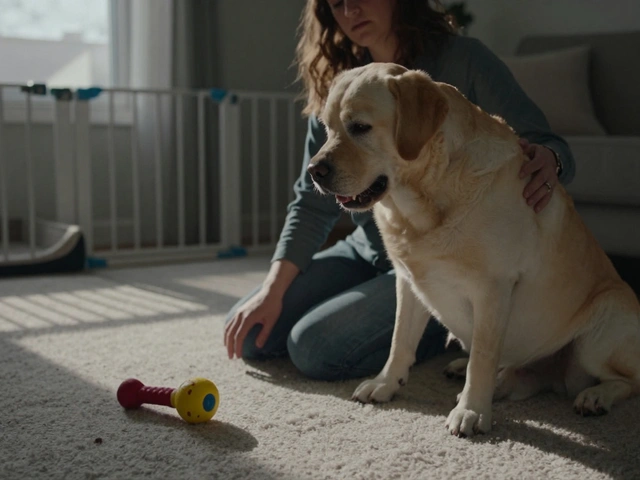
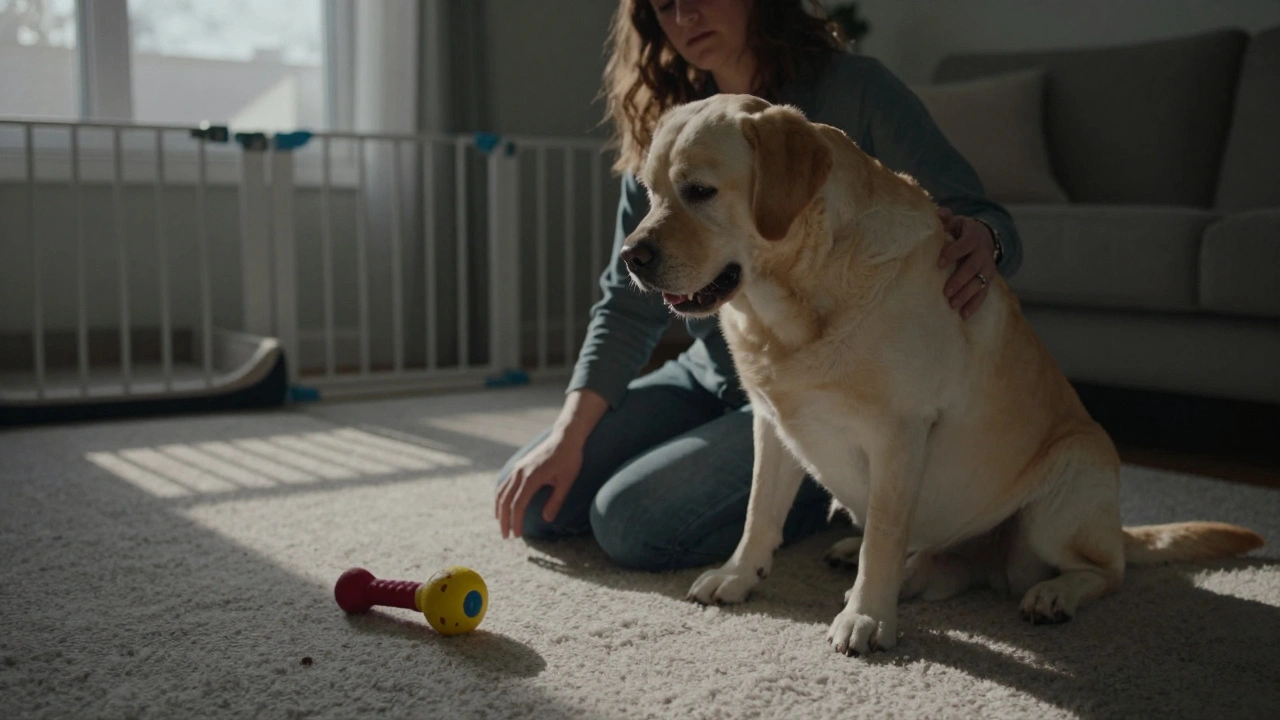
One Portland family rehomed their Labrador, Max, after he bit a delivery person. They didn’t give up. They worked with a local nonprofit for three months. Max now lives with a retired firefighter who has two large dogs and no kids. Max still growls at strangers-but now he’s safe, calm, and happy.

What Rehoming Is Not
Rehoming isn’t dumping your dog at a shelter and walking away. It’s not posting them on Craigslist with a "free to good home" note. It’s not handing them off to someone who says, "I’ve got a big yard!" without asking questions.
And it’s not a punishment. Dogs don’t understand guilt. They don’t know they’re being "given up." They just know they’re scared, confused, and alone. A thoughtful rehoming gives them a second chance at peace.
Alternatives to Rehoming
Before deciding, ask: Is there any path forward? Some dogs improve with:
- Medication: SSRIs like fluoxetine (Prozac) can help dogs with anxiety-driven aggression. A vet can prescribe this.
- Environmental changes: Moving to a quieter neighborhood, using white noise, or limiting exposure to triggers.
- Specialized training: Work with a trainer certified in aggression (not just obedience). Look for credentials like CDBC or DACVB.
But if you’ve tried all this and your dog still poses a risk? Rehoming isn’t quitting. It’s choosing safety over pride.
How to Find the Right New Home
Not all homes are safe homes. Look for adopters who:
- Have experience with high-needs dogs
- Are willing to continue behavior work
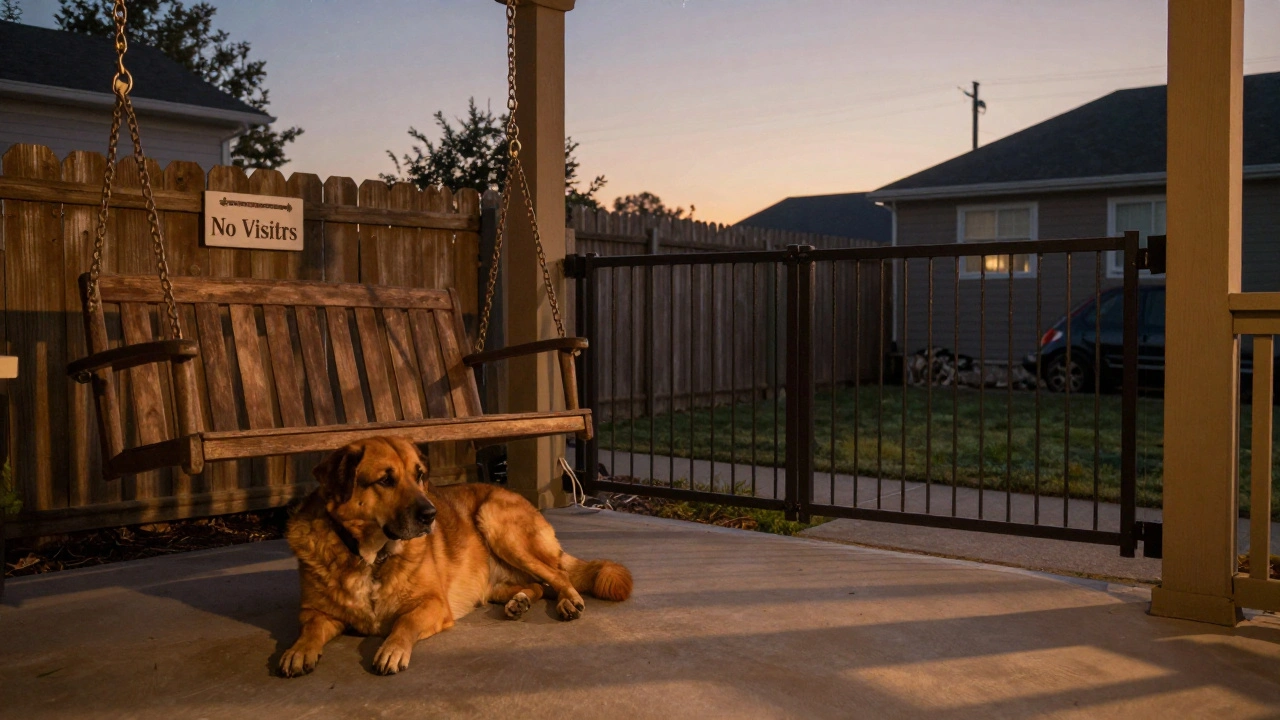
- Have a secure, fenced yard
- Don’t have young children, elderly people, or vulnerable adults living with them
- Understand that this dog may never be "cured"-but can be calm
Some rescues use home assessments, trial visits, and even video check-ins. Don’t rush. A good match takes time.
The Emotional Toll on Owners
Let’s be honest: Rehoming hurts. You feel like you failed. You wonder if you should’ve tried harder. You grieve.
But here’s the truth: You didn’t fail. You chose safety. You chose responsibility. You chose to put the dog’s well-being-and the safety of others-above your own guilt.
Many people who rehome aggressive dogs later say the same thing: "I wish I’d done it sooner. My dog was happier in the new home. And so was I."
Final Thought: Love Means Letting Go
Loving a dog doesn’t mean keeping them no matter what. It means doing what’s best for them-even if it breaks your heart. Some dogs need quiet homes, no kids, no doorbells, no strangers. Some need space, time, and a handler who knows how to read their body language.
If you’re reading this, you care enough to ask the hard question. That’s not weakness. That’s strength. And if rehoming is the right path, you’re not giving up. You’re giving them a better chance.
Is it ever too late to rehome an aggressive dog?
No, it’s never too late. Dogs of any age can be successfully rehomed if the new environment matches their needs. A 7-year-old dog with fear aggression can thrive in a quiet home with one person, even if they’ve lived with a family for years. Age doesn’t determine whether they can change-it’s about finding the right fit.
Can a dog be rehomed if they’ve bitten someone?
Yes, but it requires honesty and structure. Many rescues specialize in dogs with bite histories. The key is full disclosure: how many bites, under what circumstances, and whether there’s a pattern. Dogs that bite once due to fear (like a startled growl) have better outcomes than those with repeated, unprovoked attacks. With proper screening, many can find safe, loving homes.
What if I can’t afford behavior training or medication?
Many nonprofit shelters and rescues offer low-cost behavior consultations, subsidized medication, or even free rehoming support. Organizations like the ASPCA and local humane societies often have programs for owners who can’t afford care. Reach out before you give up-there are resources you might not know about.
Will my dog be euthanized if I take them to a shelter?
Not necessarily. Many shelters now have behavior programs specifically for aggressive dogs. They assess each dog individually. Some are placed in foster homes for training. Others are matched with experienced adopters. Euthanasia is usually a last resort-only for dogs who are dangerous despite intervention or have severe medical conditions.
How do I know if my dog’s aggression is fear-based or territorial?
Fear-based aggression usually includes cowering, tail tucking, growling when approached, and lunging to create distance. Territorial aggression happens when the dog guards their space-like the house, yard, or even their bed-and may bark or charge at people entering. A veterinary behaviorist can tell you the difference through observation and history. This matters because treatment differs: fear needs desensitization; territorial needs boundary training and leadership work.