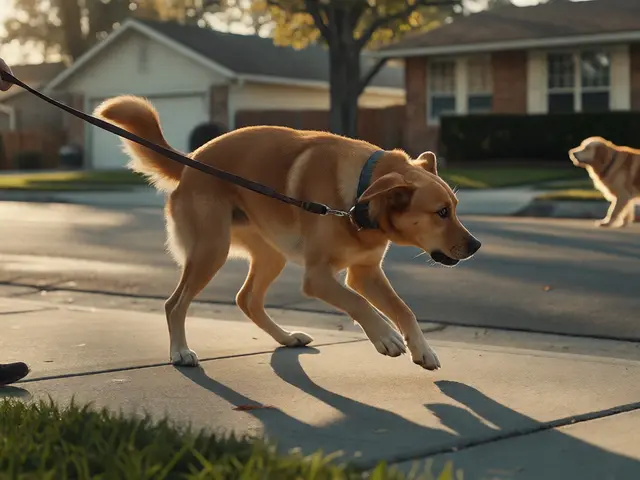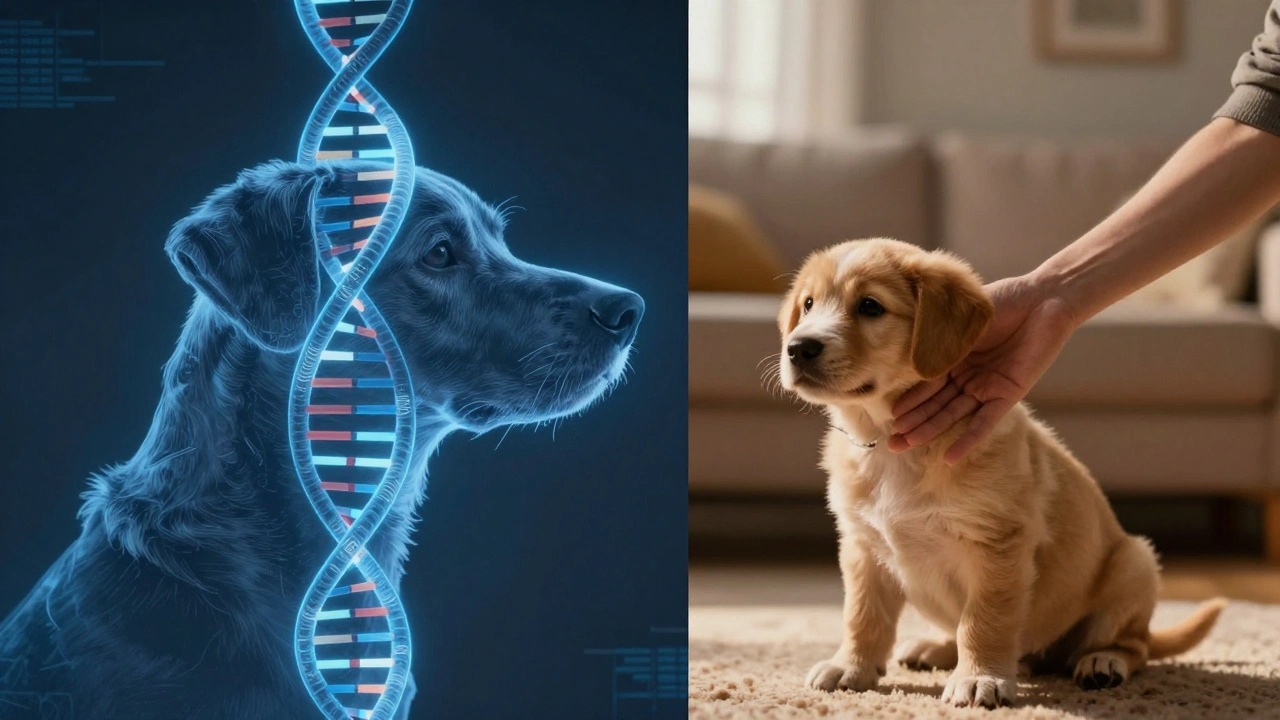
To get a handle on this, we have to look at the biological blueprint. When we talk about nature, we are talking about the hardwiring of the brain. Some dogs are simply born with a lower threshold for stress. This doesn't mean they are 'evil,' but rather that their nervous system reacts more intensely to triggers. For example, a dog with a genetic predisposition toward reactivity might perceive a passing cyclist as a direct threat, while another dog sees the same cyclist as a boring piece of scenery.
The Genetic Blueprint of Behavior
Genetics provide the baseline. In the world of canine science, Heritability is the proportion of variation in a trait that can be attributed to genetic factors . While we can't pinpoint a single 'aggression gene,' we know that certain traits-like prey drive, guarding instincts, and fearfulness-run in families. If you look at the lineage of a dog, you'll often find patterns. A dog bred for livestock guarding, like a Great Pyrenees is a large livestock guardian breed known for its independent nature and protective instincts , is genetically predisposed to be wary of strangers. This isn't a flaw; it's a feature of their breed's original purpose.
However, genetics aren't destiny. They create a 'range' of possible behaviors. Think of it like a volume knob. Genetics set the default volume, but the environment determines whether that volume gets turned up to a shout or dialed down to a whisper. A dog might have a genetic lean toward reactivity, but if they grow up in a stable, socialized environment, they may never show a single aggressive snap in their entire life.
The Role of Early Socialization and Nurture
If genetics are the hardware, nurture is the software. The most critical window for this software update is the Critical Period of Socialization is the early developmental stage, typically between 3 and 16 weeks of age, where dogs are most open to new experiences . During this time, a puppy's brain is like a sponge. Every positive interaction with a new person, a loud noise, or a different animal tells the brain: "This is safe."
When a dog misses this window, or has traumatic experiences during it, they develop a 'fear-based' response. This is where nurture overrides nature. A genetically calm Labrador who is trapped in a dark kennel for months and abused may become aggressive. This isn't because of their DNA, but because their brain has learned that the world is a dangerous place and the only way to stay safe is to attack first. This is often referred to as "learned aggression."
| Feature | Nature (Genetic) | Nurture (Environmental) |
|---|---|---|
| Primary Cause | DNA, Breed traits, Hormones | Trauma, Lack of socialization, Training |
| Onset | Often emerges during adolescence | Can happen at any age, often after a trigger |
| Predictability | Higher in specific breed lines | Depends on individual life history |
| Management Focus | Biological needs & threshold management | Desensitization & trust building |
Identifying the Type of Aggression
Not all aggression is the same. To manage it, you first have to name it. Most behaviors fall into one of these categories:
- Fear Aggression: The dog feels cornered and lashes out to make the threat go away. This is the most common type and is often a mix of a naturally anxious temperament and poor early socialization.
- Territorial Aggression: The dog believes they are protecting a resource (the home, the yard, or the owner). This is heavily influenced by breed-specific guarding instincts.
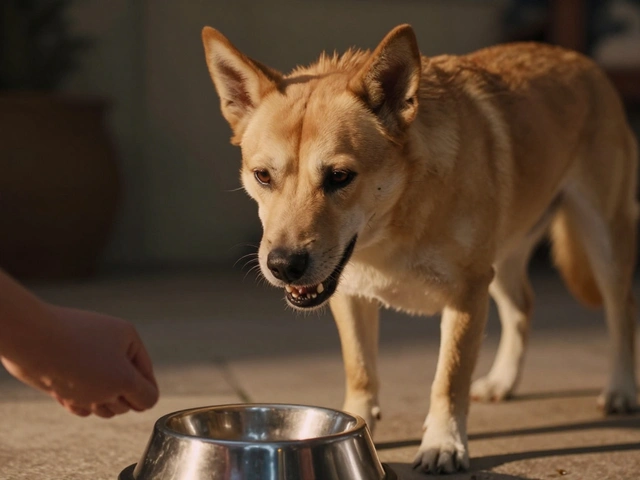
- Possessive/Resource Guarding: This happens when a dog protects food, toys, or a favorite spot on the couch. This is often a learned behavior but can be intensified by a high-drive genetic makeup.
- Pain-Induced Aggression: A dog that was once sweet may suddenly snap if they have arthritis or an ear infection. This is neither nature nor nurture in the traditional sense-it's a medical emergency.
Understanding these distinctions is vital. If you treat a fear-aggressive dog with punishment, you are essentially confirming their belief that the world is scary, which actually increases the likelihood of a bite. Conversely, treating a territorial dog with only "treats" without establishing boundaries may not solve the core instinct.
Practical Management and Intervention
So, what do you do if you're dealing with a reactive or aggressive dog? The first step is acknowledging that you cannot "cure" genetics, but you can manage the expression of those genes. The goal is to change the dog's emotional response to a trigger.
One of the most effective methods is Counter-Conditioning is a behavioral training technique that replaces a negative emotional response to a stimulus with a positive one . For example, if your dog hates other dogs, you don't force them to meet one. Instead, you give them a high-value treat (like boiled chicken) every time they see another dog from a distance. Eventually, the brain switches from "There's a scary dog!" to "There's a scary dog, which means I get chicken!"
Pair this with Desensitization is the process of exposing a dog to a trigger at a very low intensity until they no longer react . If your dog snaps at the doorbell, start by mimicking the sound at a very low volume, rewarding them for staying calm, and slowly increasing the volume over weeks. This builds the dog's confidence and expands their comfort zone.
The Danger of the "Quick Fix"
You'll see plenty of ads for "dominant dog" trainers who promise to fix aggression in a weekend using "alpha" techniques. Be extremely cautious. Many of these methods rely on Positive Punishment is the addition of an unpleasant stimulus, such as a shock collar or a prong collar, to decrease a behavior . While these might stop the dog from growling in the moment, they don't fix the emotion. In fact, they often create "suppressed' aggression. The dog stops growling because they're afraid of the collar, but the anger and fear are still there. When the pressure builds up enough, they may bite without any warning at all.
Real behavior modification is slow. It's about building a relationship based on trust and predictability. A dog that feels safe is a dog that doesn't feel the need to be aggressive. This requires a commitment to consistent routines and a willingness to accept that some dogs may always need a muzzle in public for the safety of everyone involved.
When to Seek Professional Help
There is a big difference between a dog that barks at the mailman and a dog that is actively trying to cause harm. If your dog has bitten someone or another animal, or if you feel unsafe in your own home, stop trying to fix it via YouTube videos. You need a Certified Applied Animal Behaviorist (CAAB) is a professional specialist in animal behavior who uses science-based methods to treat behavioral issues or a veterinary behaviorist. These professionals can determine if there is a neurological issue or if medication (like SSRIs) might be necessary to lower the dog's anxiety enough for training to actually work.
Can a dog "outgrow" genetic aggression?
Not exactly. They won't change their DNA, but they can "outgrow" the reactive behaviors. Through proper training and socialization, a dog with a genetic tendency toward aggression can learn to manage those impulses and choose a different response. While the instinct may remain, the behavior changes.
Do certain breeds really have more aggression than others?
Certain breeds were bred for specific jobs-like guarding, hunting, or herding-which require high intensity and protective instincts. While these traits can manifest as aggression if not managed, it's not about the breed being "aggressive" but about the breed having a specific set of instincts that need an outlet.
Is it possible to fix a dog that was abused as a puppy?
Yes, but it takes significant time and patience. Because abuse creates a deep-seated association between humans and pain, the focus must be on rebuilding trust. Many "unfixable" dogs can become wonderful pets once they feel truly safe, though some may always have specific triggers that require management.
What is the first thing I should do if my dog snaps at someone?
First, ensure everyone is safe and separate the dog from the trigger. Second, don't scream at or hit the dog, as this increases the stress and reinforces the fear. Third, observe the context: what happened right before the snap? This data is crucial for a trainer or vet to help you solve the problem.
Are shock collars effective for stopping aggression?
Generally, no. In cases of fear or anxiety-based aggression, a shock collar adds more fear to an already scared dog. While it may stop the outward behavior (like barking), it often makes the internal emotion worse, which can lead to a bite without the usual warning signs.
Next Steps for Owners
If you're currently struggling with a reactive dog, start by keeping a "trigger log." Write down every single incident: the time, the location, what the dog saw, and how they reacted. This helps you see patterns-maybe your dog only snaps when they're tired, or only when they see other dogs on leash. This data makes you a better advocate for your dog when you finally sit down with a professional.
Focus on "low-stress" wins. Find the distance at which your dog can see a trigger without reacting (the "threshold") and spend a week just rewarding them for being calm at that distance. Don't rush the process. The goal isn't a perfect dog; it's a safe, happy dog and a confident owner.