
Keeping your dog’s medical records organized isn’t just a good idea-it’s a lifesaver. Imagine your dog suddenly gets sick during a weekend trip, and you can’t find their last vaccine date or allergy history. That’s not a hypothetical scenario. It’s something that happens to hundreds of pet owners every year. A clear, up-to-date medical record can mean the difference between a quick diagnosis and a costly emergency visit.
Start with a Central File
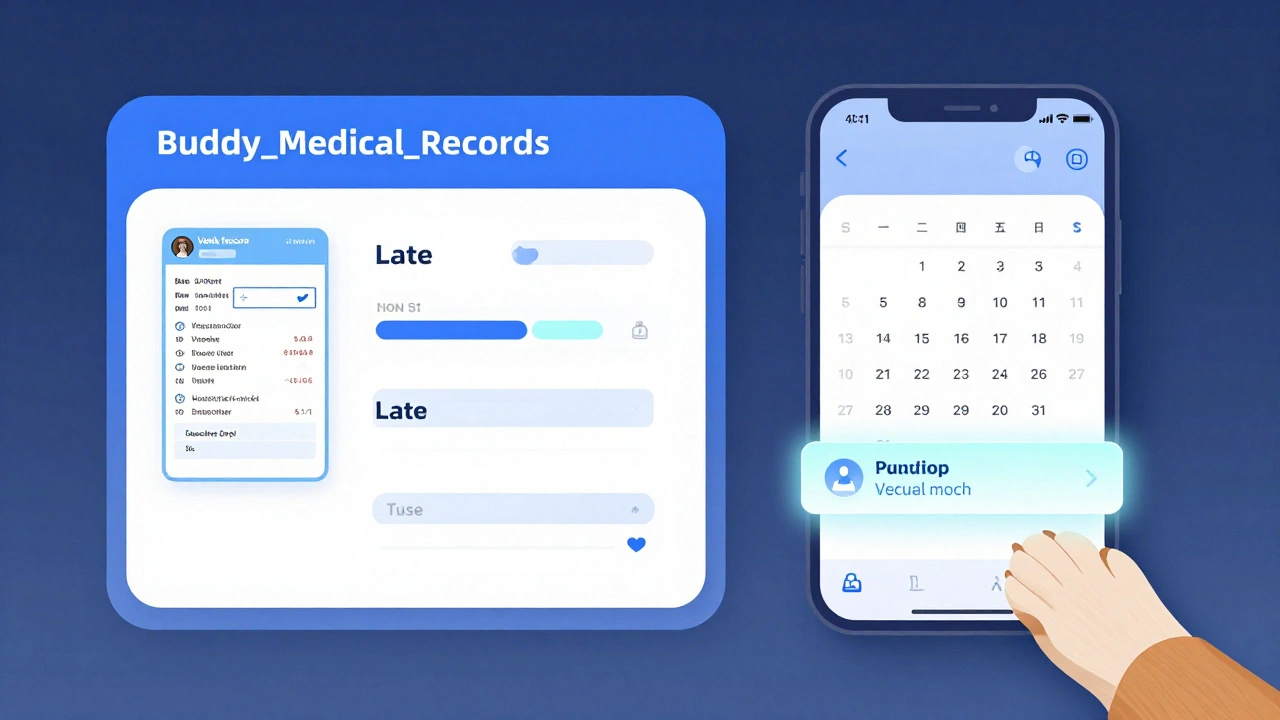
Don’t scatter papers across drawers, sticky notes, or random folders. Create one central place for all your dog’s health documents. Whether you go digital or paper, consistency matters. Most vets now send digital summaries after visits, so start by collecting those. Save them in a folder named after your dog-like "Buddy_Medical_Records"-on your phone or computer. If you prefer paper, get a three-ring binder with clear plastic sleeves. Label each section: Vaccinations, Lab Results, Medications, Surgeries, and Emergency Contacts.
Include everything: the date of each visit, the vet’s name, what was discussed, and any prescriptions given. Don’t forget to note the dosage and how long it lasted. A simple note like "Feb 3, 2026 - Dr. Lin, Portland Animal Care - Cephalexin 250mg, 10 days, for skin infection" saves you from guessing later.
Track Vaccinations Like a Pro
Vaccines are non-negotiable. Rabies, DHPP, leptospirosis, bordetella-they all have schedules. Missing one can leave your dog unprotected or even banned from dog parks, boarding facilities, or grooming salons. Keep a dedicated vaccination log. Write down the vaccine name, date given, expiration date (if applicable), and the clinic. For example:
- Rabies: Jan 15, 2025 - expires Jan 15, 2028 - Portland Animal Care
- DHPP: Mar 10, 2025 - expires Mar 10, 2026 - Dr. Lin
- Bordetella: Nov 5, 2025 - expires Nov 5, 2026 - PetSmart Vet Clinic
Set phone reminders 30 days before each due date. Most vaccines last one to three years, but bordetella (kennel cough) often needs a booster every six months. Don’t assume your vet will call you-they’re busy. You’re the only one who will remember.
Record Medications and Allergies
Medications change often. A dog might need antibiotics after surgery, then joint supplements for arthritis, then anti-anxiety meds for thunderstorms. Each change needs to be logged. Include the drug name, dosage, frequency, start date, and reason. If your dog had a reaction to a medication-like vomiting after a flea pill-write it down. That detail could prevent a future disaster.
Allergies are just as important. Did your dog get itchy after eating chicken? Did they break out in hives after a new shampoo? Note it. Even if it seems minor now, it might be critical when a vet tries a new treatment. One Oregon dog owner I talked to saved her dog’s life because she remembered a mild reaction to aspirin from three years ago. The vet didn’t even ask-she just said, "Don’t give her NSAIDs. She had a reaction in 2023." That saved a hospitalization.
Save Lab Results and Imaging
Bloodwork, X-rays, ultrasounds-they all tell a story. Don’t just take the printed sheet and toss it. Scan or photograph every result and save it with the date. A CBC (complete blood count) from last year might look normal, but if your dog is acting lethargic now, comparing the two can show a hidden trend. Same with X-rays. A slight joint change in 2024 might explain why your dog is limping in 2026.
Some clinics charge for copies. Pay the fee. It’s cheaper than redoing tests later. Keep digital copies in cloud storage (Google Drive, iCloud, Dropbox) with a backup on your phone. Paper copies? Staple them to a colored tab in your binder so they’re easy to flip to.
Log Routine Care and Behavioral Changes
Medical records aren’t just about vet visits. They include what happens at home. Did your dog’s appetite drop for a week? Did they start drinking more water? Did their bathroom habits change? Write it down. These aren’t "symptoms" yet-but they’re clues. A 2025 study from the University of Pennsylvania found that pet owners who tracked subtle behavioral changes caught early signs of kidney disease 40% faster than those who didn’t.
Use a simple notebook or a free app like PetDesk or Pawtrack. Just jot down:
- Appetite: 3/4 bowl instead of full
- Water intake: 3x more than usual
- Energy level: Less playful, sleeps more
- Coat condition: Dull, flaky skin
When you go to the vet, you’ll have a timeline-not just a feeling. That’s powerful.
Make an Emergency Card
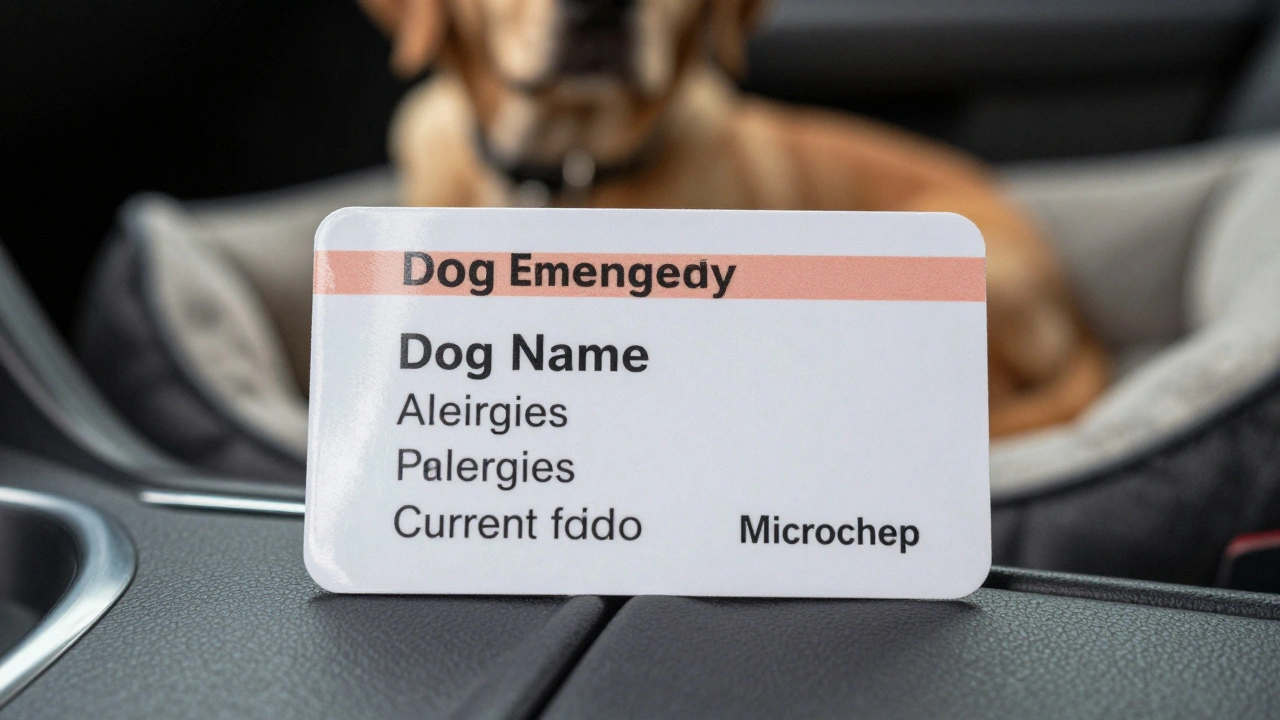
Every dog owner should have a laminated emergency card. Put it in your wallet, your car, and your dog’s collar. Include:
- Your dog’s name and breed
- Primary vet and phone number
- Emergency clinic (like VCA Westside in Portland)
- Allergies (e.g., "Allergic to penicillin, sulfa drugs")
- Current meds (e.g., "On Apoquel for allergies, 1 tab daily")
- Medical conditions (e.g., "Diabetic, on insulin")
- Microchip number and registry
Update it every time you change meds or add a new condition. A 2024 survey by the American Veterinary Medical Association found that 68% of lost dogs with emergency cards were returned home faster than those without.
Use Digital Tools-But Don’t Rely on Them Alone
Apps like Petcube, PetFirst, and Vetspire let you upload records, set reminders, and even share access with your vet. They’re great. But tech fails. Phones die. Clouds glitch. Always keep a printed copy. I know a Portland man who lost all his dog’s records when his phone broke during a road trip. He had to pay $320 to redo bloodwork because he couldn’t prove his dog had been vaccinated. Don’t be that guy.
Share Access-But Stay in Control
If you have a dog sitter, boarding facility, or pet sitter, give them your emergency card. But don’t hand over your entire binder. Keep the master file locked up. Only share what’s necessary. Some pet sitters ask for full records. That’s overkill. Give them the vaccination dates, current meds, and emergency contacts. That’s enough.
Same with family members. If your adult child takes your dog on vacation, they need to know where the records are. Show them the binder. Give them the digital folder link. Make sure they know how to find it. A simple 5-minute walkthrough prevents chaos later.
Review and Update Every 90 Days
Set a calendar reminder: every three months, open your dog’s file. Check:
- Are all vaccines up to date?
- Did any meds change?
- Are lab results labeled and dated?
- Is the emergency card still accurate?
That’s it. 10 minutes every quarter. No more. No less. You’ll be surprised how much this habit reduces stress. I’ve seen dog owners who do this-they’re calm during emergencies. They’re not scrambling. They know where everything is.
What to Do If You Lose Records
It happens. A flood. A fire. A dog chews up the binder. Don’t panic. Call your vet. Most clinics keep digital records for at least seven years. Ask for a copy. They’ll email it. If your dog changed vets, call the old clinic. Even if you moved across the country, records can be transferred. The American Animal Hospital Association requires member clinics to keep records for a minimum of five years after the last visit. So even if you haven’t been to a vet in years, they still have your dog’s history.
If you can’t get copies, get new tests done. Bloodwork, heartworm, and fecal exams are cheap-under $100. It’s better than guessing. And once you have them, update your file immediately.