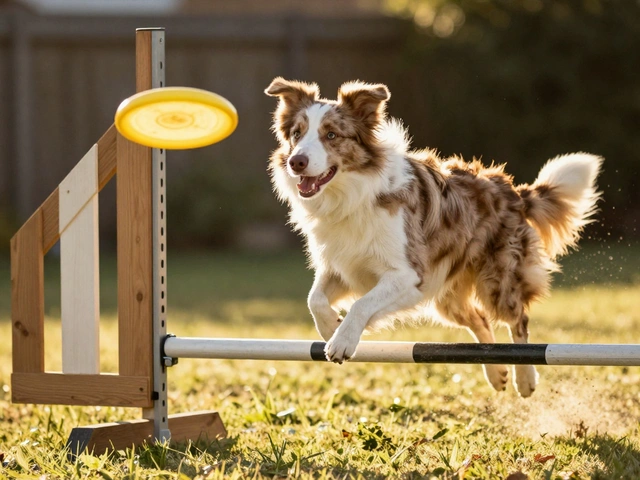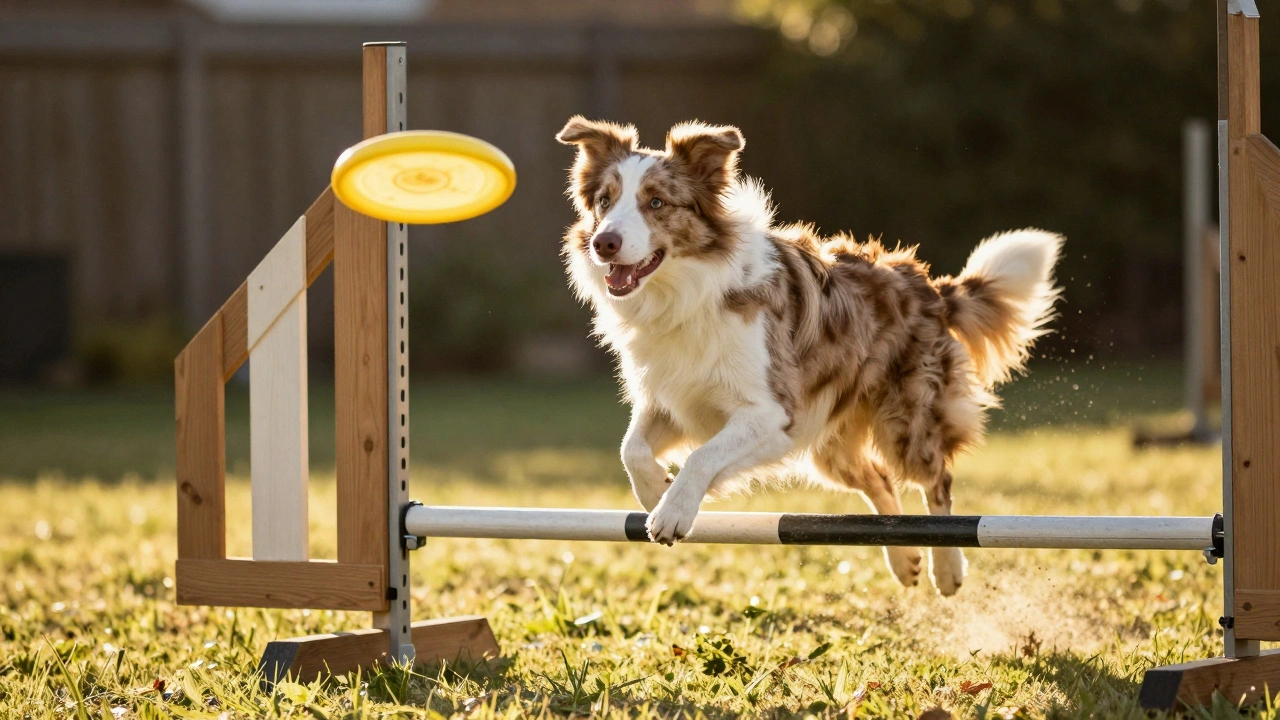
Shepherd-type dogs aren’t just loyal companions-they’re built to work. If you’ve ever watched a German Shepherd move across a field or a Border Collie herd sheep with laser focus, you’ve seen what happens when a breed was designed for purpose, not just appearance. These dogs don’t just need walks; they need tasks. Without them, boredom turns into chewing, digging, barking, or worse. Understanding their work ethic and exercise needs isn’t about being a perfect pet owner-it’s about preventing serious behavioral problems.
Why Shepherd Dogs Need More Than a Walk
Most dogs are happy with a 20-minute stroll around the block. Shepherd-type breeds? That’s barely a warm-up. These dogs evolved alongside humans for centuries, tending livestock, guarding property, and pulling carts. Their bodies are lean and strong. Their minds are sharp and restless. A Border Collie can solve a puzzle toy in under a minute. A Belgian Malinois can learn a new command in three tries. Left without mental and physical challenges, they don’t just get bored-they get destructive.
Studies tracking dog behavior in homes show that shepherd breeds with less than 90 minutes of structured activity per day are three times more likely to develop anxiety-related behaviors like excessive barking, fence jumping, or even self-harm. That’s not an exaggeration-it’s data from the University of Pennsylvania’s Canine Behavioral Research Lab in 2023. These dogs aren’t hyperactive. They’re under-stimulated.
The Work Ethic You Can’t Ignore
Shepherd dogs don’t see play as a distraction-they see it as a job. When you throw a ball, they don’t just fetch it. They calculate the trajectory, anticipate your next move, and return it with precision. That’s not instinct. That’s training. That’s heritage. They thrive on purpose. A simple game of fetch isn’t enough unless it’s part of a larger routine that includes obedience, scent work, or agility.
Take the Australian Shepherd. Originally bred to move sheep across rough terrain in Nevada’s high desert, they’re built for endurance. A single working day for one of these dogs might include 12 miles of walking, constant directional changes, and responding to subtle hand signals. Modern pet owners don’t need them to herd sheep-but they do need to replicate that level of mental engagement. Without it, the dog starts making up its own jobs. Like tearing apart your garden. Or barking at passing cars. Or refusing to settle down after 10 p.m.
How Much Exercise Is Enough?
There’s no one-size-fits-all number, but here’s a practical baseline:
- Minimum daily activity: 90 minutes total
- Breakdown: 60 minutes physical (running, hiking, playing fetch) + 30 minutes mental (training, puzzle toys, scent games)
- For high-drive breeds (Malinois, Tervuren): 120+ minutes, ideally split into two sessions
- For older or less intense shepherds (like some Shetland Sheepdogs): 60-75 minutes with heavy mental focus
Walking on a leash doesn’t count as physical exercise unless it’s brisk and continuous. A slow stroll around the neighborhood is like a human sitting on the couch scrolling through their phone-it’s not enough. These dogs need to run. They need to change direction. They need to jump, turn, and focus.

Mental Exercise Isn’t Optional
Physical exercise alone won’t cut it. Shepherd dogs are problem-solvers by nature. If you give them a Kong toy stuffed with peanut butter, they’ll figure it out in minutes. Then what? They’re bored again. That’s where training comes in.
Teach them:
- New commands every week (even simple ones like "go to your mat" or "wait for your food")
- Hide-and-seek with treats or toys around the house
- Scent discrimination games (find the treat under one of three cups)
- Agility drills using household items (chairs as jumps, tunnels from blankets)
One owner in Portland started using her German Shepherd for weekly "errand runs"-asking the dog to carry a small backpack with groceries from the car to the kitchen. It took two weeks of training, but now the dog gets visibly excited when she grabs the pack. That’s not just obedience. That’s fulfillment.
Signs You’re Not Meeting Their Needs
If your shepherd-type dog is doing any of these, you’re falling short:
- Constantly chewing on furniture or shoes
- Excessive barking at nothing
- Refusing to lie down, even after a long walk
- Jumping fences or trying to escape
- Obsessively chasing lights, shadows, or moving objects
These aren’t "bad behaviors." They’re symptoms. Your dog isn’t being defiant-they’re trying to tell you they need more. The fix isn’t punishment. It’s structure.

What Doesn’t Work
Many people think buying a bigger yard or getting a second dog will solve the problem. It won’t. A large backyard doesn’t replace mental stimulation. Another dog might give them company, but it won’t replace the need for human-led tasks. These dogs bond with people who challenge them-not just pet them.
Also, don’t rely on dog parks. While they’re great for socialization, they’re terrible for mental exercise. Most shepherd dogs either become overstimulated or disengage completely. They need clear direction, not chaos.
Real Solutions for Real Life
You don’t need to become a professional trainer. You just need to be consistent. Here’s how to build a realistic routine:
- Morning: 30-minute brisk walk or jog + 10 minutes of obedience drills (sit, stay, recall)
- Afternoon: 15-minute puzzle toy session or scent game while you’re at work
- Evening: 45-minute play session-fetch, tug, or agility course using household items
- Weekly: Try one new activity-canine nosework class, hiking on trails, or a dog sport like flyball
Even if you work full-time, you can still meet their needs. Just 20 minutes of focused training before work and 20 minutes after makes a huge difference. Consistency matters more than duration.
What Happens When You Get It Right
When a shepherd-type dog gets enough work, something changes. Their energy doesn’t disappear-it transforms. They become calm, focused, and deeply connected to you. The barking stops. The chewing stops. The anxiety fades. They don’t just obey-they choose to follow you because they trust you to give them purpose.
I’ve seen it in homes across Portland: a Border Collie who used to bark at every car now sleeps quietly at the foot of the bed. A German Shepherd who jumped fences now waits patiently for her owner to open the door. These aren’t magic tricks. They’re the result of meeting a dog’s true needs.
Shepherd dogs aren’t for everyone. But if you’re ready to give them work-not just walks-they’ll give you a loyalty and focus no other breed can match.
Do shepherd dogs need a lot of space to live?
Not necessarily. What matters is activity, not square footage. A shepherd dog can live happily in an apartment if they get enough daily exercise and mental stimulation. A 60-pound German Shepherd in a 700-square-foot unit can thrive if they get two hours of structured activity every day. What they can’t handle is being left alone for long hours with nothing to do. Space isn’t the issue-stimulation is.
Can shepherd dogs be good with kids?
Yes, but only if they’re properly trained and socialized. Breeds like the Australian Shepherd and Shetland Sheepdog are often great with children because they’re naturally protective and attentive. But their herding instinct can lead to nipping at fast-moving kids. Early training to redirect that behavior is essential. Never leave a young child unsupervised with any herding breed until you’re confident the dog understands boundaries.
Are shepherd dogs good for first-time dog owners?
Generally, no. These breeds require experienced handlers who understand structure, consistency, and mental stimulation. They’re not stubborn-they’re intelligent. If you don’t provide clear leadership and enough challenges, they’ll take charge themselves. First-time owners often underestimate how much time and energy these dogs need. If you’re new to dog ownership, consider a less intense breed first.
How do I know if my dog is a true shepherd-type breed?
Look for key traits: high energy, intense focus, strong herding or guarding instincts, and a need for mental challenges. Common breeds include German Shepherd, Border Collie, Australian Shepherd, Belgian Malinois, Shetland Sheepdog, and Dutch Shepherd. Even mixed breeds with shepherd ancestry often show these behaviors. If your dog obsessively circles people, tries to herd children or pets, or can’t sit still without a task, they likely have shepherd DNA.
What if I can’t provide enough exercise?
If you work long hours or have physical limitations, consider hiring a professional dog walker who specializes in high-energy breeds. Some trainers offer structured enrichment sessions-think of them as doggy daycare with a purpose. You can also look into dog sports like obedience trials, nosework, or dock diving. These activities channel their energy productively. But if you simply can’t meet their needs, it’s kinder to choose a breed with lower energy demands.