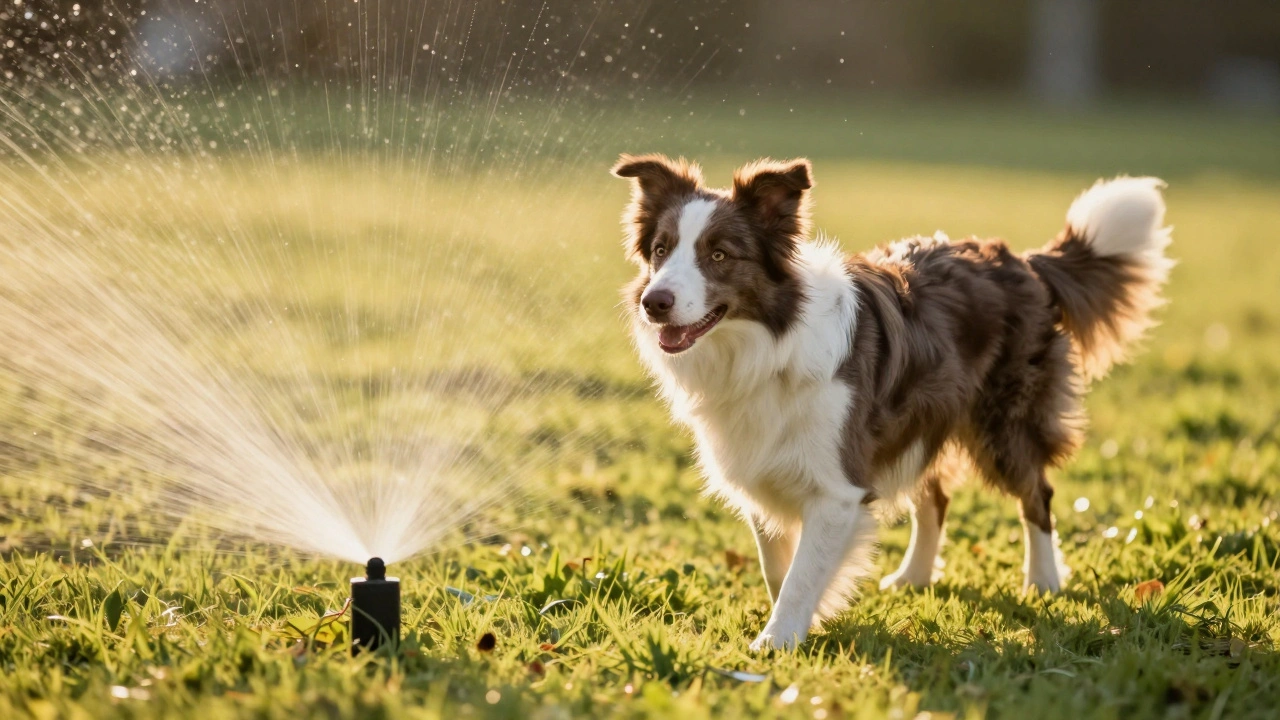
Ever wonder why your golden retriever is always smiling, or why your border collie won’t stop staring at the lawn? It’s not just training. It’s not just upbringing. It’s genetics. Dog behavior isn’t random-it’s written in their DNA, shaped over centuries by human selection for specific jobs. Understanding what genetics predicts about behavior helps you set the right expectations, avoid frustration, and build a better bond with your dog.
Why Breed Matters More Than You Think
People often say, "My dog is a mix, so I can’t predict anything." But even mixed-breed dogs carry strong genetic signals from their ancestors. A 2022 study from the University of California, Davis analyzed over 4,000 dogs and found that breed explains about 25% of behavioral variation-more than environment, age, or sex. That’s not a small number. It means if your dog has a lot of herding breed DNA, you’re likely dealing with a dog that obsesses over movement, tries to herd kids or cats, and needs a job to stay calm.
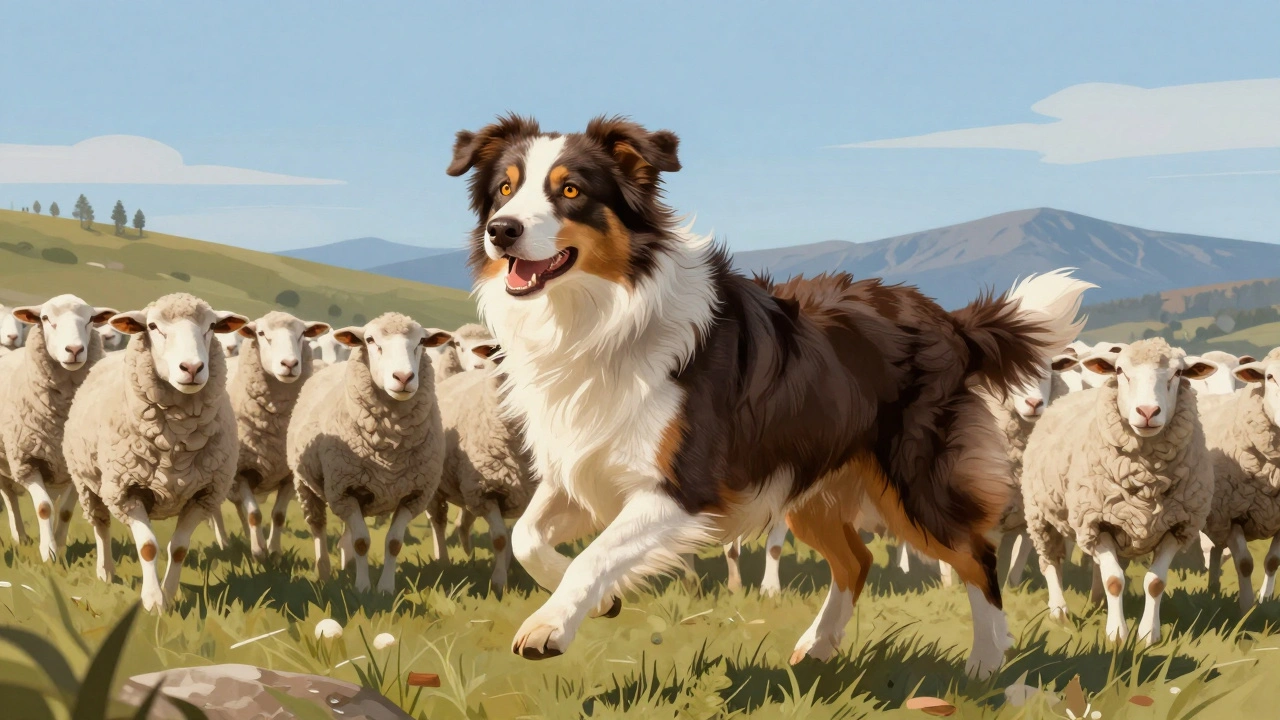
Take the Australian shepherd. They weren’t bred to cuddle on the couch. They were bred to run for hours, guide sheep across hills, and respond instantly to hand signals. If you take one of these dogs and put them in a small apartment with no mental stimulation, they don’t "misbehave." They’re just doing what their genes tell them to do: work, move, control.
What Genetics Predicts: The Big Five Traits
Researchers have boiled down dog behavior into five core traits that show up consistently across breeds:
- Excitability - Some breeds are wired to react fast. Terriers, hounds, and herding dogs often bark, leap, or chase at the sight of movement. This isn’t bad energy-it’s high alertness.
- Aggression toward strangers - Guarding breeds like Rottweilers or Dobermans are more likely to show wariness around unfamiliar people. This doesn’t mean they’re dangerous-it means they’re tuned to protect.
- Separation anxiety - Dogs bred to work closely with humans (like Labrador Retrievers or Cavalier King Charles Spaniels) are more prone to panic when left alone. Their genes say: "Stay close. Don’t let the group leave."
- Chasing - Sight hounds like Greyhounds and Whippets have a 90%+ genetic drive to chase moving objects. A squirrel isn’t prey to them-it’s a trigger. You can’t train this out. You can only manage it.
- Trainability - Border Collies, Poodles, and German Shepherds score highest. Their brains are built to follow complex commands. A Beagle? Less so. Not because they’re dumb-they’re built to follow scents, not voices.
These traits don’t appear randomly. They line up with the original purpose of the breed. A dog bred for hunting doesn’t need to sit still. A dog bred for companionship doesn’t need to ignore noise. Genes don’t lie.
Myth: You Can Train Out Breed Behavior
"I trained my husky not to howl." That’s great. But did you change the urge? No. You just taught them to hold it in. The howling drive is still there. It’s why so many huskies howl when left alone-even if they’ve never been punished for it. The behavior isn’t learned. It’s inherited.
Same goes for digging. Terriers dig because their ancestors dug out rodents. You can stop them from digging in the yard, but you can’t erase the instinct. Trying to suppress it without offering alternatives leads to stress, not obedience.
The real trick? Work with the breed, not against it. Give a border collie agility training. Give a bloodhound a scent game. Give a bulldog puzzle toys that let them nudge and push. Channel the genetics, don’t fight them.
Genetics vs. Environment: The Real Balance
Genetics sets the range. Environment sets the outcome. Think of it like a volume knob. Genetics turns the dial to "loud," "quiet," or "moderate." But how you raise the dog determines whether it’s blasting music or just humming.
A high-energy herding dog raised with daily runs, training, and mental challenges will be calm indoors. The same dog, left alone all day with no stimulation, will destroy your couch-not out of spite, but because their brain is screaming for activity.
Early socialization matters too. A dog with a genetic tendency toward wariness around strangers can become friendly if exposed to lots of people between 8 and 16 weeks. But if you skip that window? Their genetic wariness becomes lasting fear. Genes load the gun. Experience pulls the trigger.
What Your Dog’s Breed Says About Their Needs
Here’s a quick look at what common breed types need based on genetics:
| Breed Type | Primary Genetic Drive | What They Actually Need |
|---|---|---|
| Herding (Border Collie, Australian Shepherd) | Control, movement, focus | Daily structured tasks, agility, flyball, or obedience drills |
| Hunting (Beagle, Labrador) | Tracking, scent, retrieving | Scent games, fetch, nose work, hidden treat hunts |
| Guarding (Rottweiler, Doberman) | Protection, alertness, territorial awareness | Structured socialization, confidence-building, clear leadership |
| Sighthound (Greyhound, Whippet) | Chasing, speed, visual stimulation | Secure yard, leash walks, occasional sprint space |
| Companion (Cavalier King Charles, Pug) | Attachment, proximity, affection | Regular human contact, no long alone time, indoor comfort |
Notice how none of these are about "being good" or "obedient." They’re about fulfilling a biological need. A Labrador doesn’t need to know how to sit. It needs to find things with its nose. A Pug doesn’t need to run a marathon. It needs to be near you.
What You Should Do Next
If you’re thinking about getting a dog, don’t pick based on looks or trends. Pick based on your lifestyle and what the breed’s genes demand. If you work 10-hour days, a high-drive herding dog will not be happy. If you love hiking, a sighthound might be bored. If you want a calm lap dog, avoid breeds bred for independence.
Already have a dog? Research their breed background-even if they’re a mix. Use DNA tests like Embark or Wisdom Panel to find out what breeds are in them. Then, match their needs to their genes. Give them a job. Give them a purpose. They’ll thank you with calmness, loyalty, and fewer destroyed shoes.
Why This Matters Now
More than ever, people are adopting dogs from shelters without knowing their background. A dog with high prey drive gets taken in by a family with cats. A dog with separation anxiety ends up alone for hours. The result? Rehoming. Surrender. Heartbreak.
Understanding breed traits isn’t about labeling dogs. It’s about matching them to the right homes. It’s about giving them the life their genes expect. And that’s the best gift you can give a dog.
Can you change a dog’s breed traits through training?
You can’t change the underlying genetic drive, but you can manage it. Training helps dogs learn how to control their impulses, not eliminate them. A border collie will always want to herd, but you can teach them to herd a ball instead of your kids. A husky will still howl, but you can teach them to howl on cue-or redirect that energy into a game. The goal isn’t to make them different. It’s to give them a healthy way to be themselves.
Are mixed-breed dogs less predictable than purebreds?
Not necessarily. Mixed-breed dogs often show stronger versions of traits from their dominant ancestry. A dog that’s 75% German Shepherd will still have high trainability and protective instincts. DNA tests can reveal those hidden breed influences. The unpredictability comes from not knowing the mix, not from the mix itself. Once you know the genetic components, behavior becomes far more predictable.
Do rescue dogs have breed traits even if their history is unknown?
Yes. Even without a known pedigree, a dog’s behavior reveals its genetic roots. A dog that obsessively chases cars likely has sighthound or terrier ancestry. One that constantly nips at heels probably has herding genes. Behavior is the clearest clue. Watching how they react to stimuli-movement, noise, strangers-gives you the same insight as a DNA test.
Is aggression in dogs always genetic?
No. Aggression can come from fear, poor socialization, or trauma. But genetics can increase the risk. Dogs bred for guarding or fighting may have lower thresholds for reacting aggressively. That doesn’t mean they’re violent-it means they need careful handling, early socialization, and consistent leadership. A fearful dog with no genetic aggression can still become reactive if mistreated. Both nature and nurture matter.
What’s the best way to find out what breed my dog is?
A simple at-home DNA test like Embark or Wisdom Panel can identify 250+ breeds and reveal health risks too. They’re affordable, accurate, and give you a breakdown of ancestry. Even if your dog is 90% mixed, knowing the top 2-3 contributors helps you understand their needs. Behavioral clues help too-watch how they react to movement, noise, or being alone. You’ll often see the breed traits loud and clear.