Walking into a friend's living room and seeing white fur on the dark sofa is a nightmare for anyone with allergies or a love for clean spaces. You don't need to give up on having a dog just because you hate vacuuming every hour. Low-shedding dog breeds are canine varieties that release significantly less hair than average, often due to hair-like coats rather than double coats. These dogs change the game for households that prioritize cleanliness without sacrificing companionship.
However, "low-shedding" does not mean "no maintenance." In fact, many of these breeds require more frequent brushing than their shedding counterparts to prevent mats and keep their coats healthy. Understanding the difference between a true non-shedder and a low-shedder is the first step to choosing the right companion and setting realistic expectations for your daily routine.
Why Some Dogs Shed Less Than Others
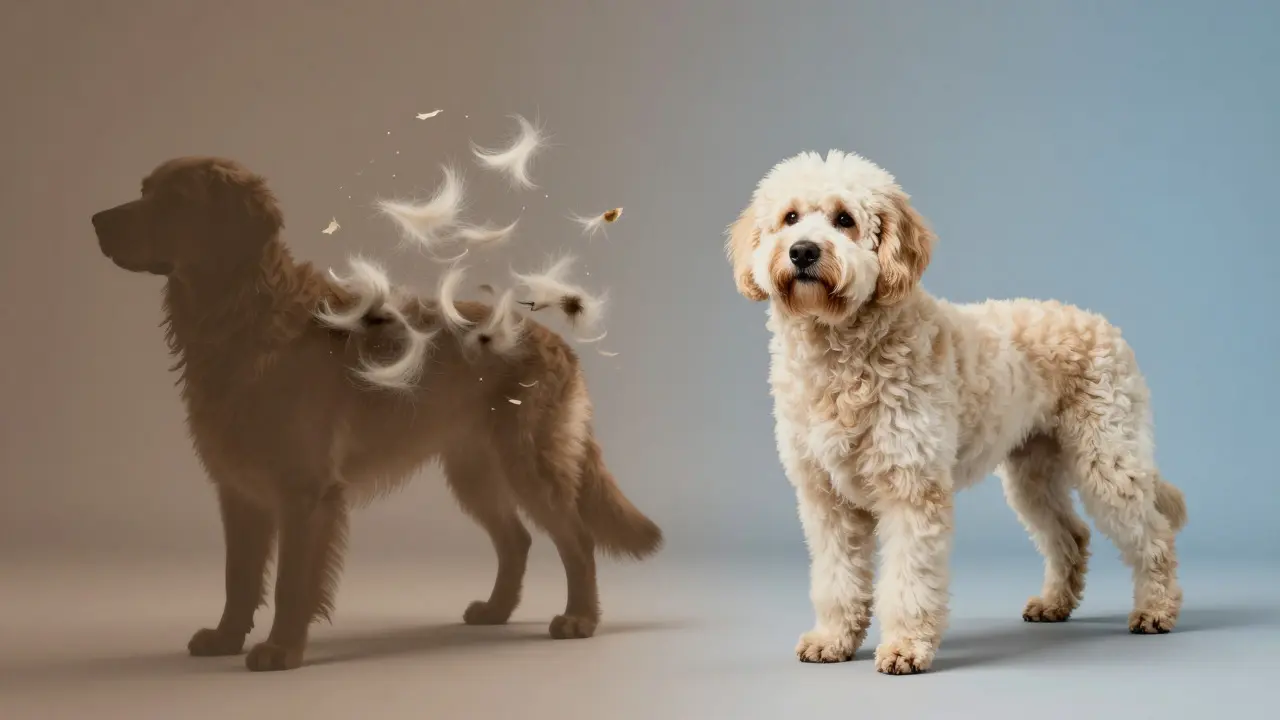
To understand why certain breeds stay cleaner, you have to look at their coat structure. Most dogs have a double coat consisting of a dense undercoat and a coarser outer guard hair. This setup protects them from weather but results in heavy seasonal shedding when they blow their coat. Low-shedding breeds typically lack this dense undercoat or have hair that grows continuously, similar to human hair, rather than falling out in cycles.
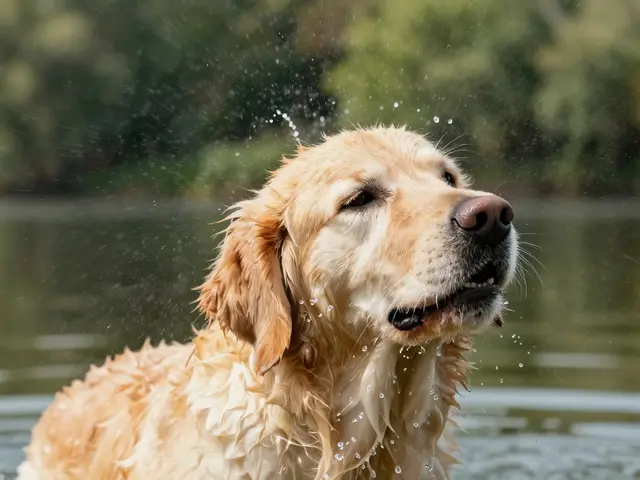
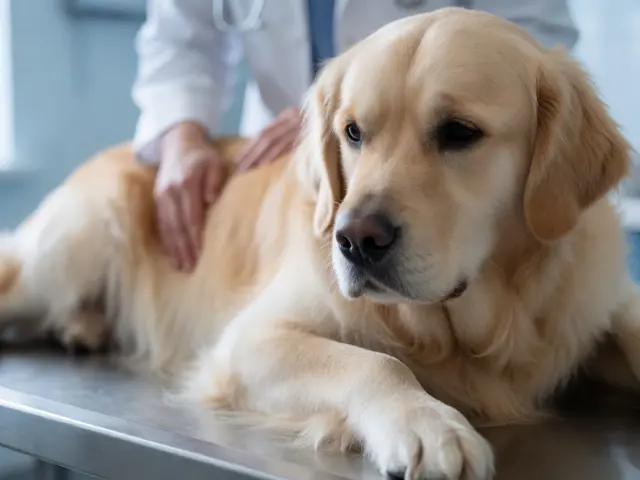
This biological difference means that while a Golden Retriever might shed enough hair to fill a dustpan weekly, a Poodle’s hair tends to fall out only when it breaks or is brushed away. For allergy sufferers, this matters because allergens (proteins found in dander, saliva, and urine) stick to loose fur. When there is less floating fur, there is less airborne dander, making the environment more comfortable, though rarely 100% allergen-free.
Top Low-Shedding Breeds for Clean Homes
Not all low-shedding dogs are created equal. Some require professional grooming every six weeks, while others can be managed with a good brush at home. Here are some of the most popular choices that balance temperament with minimal hair loss:
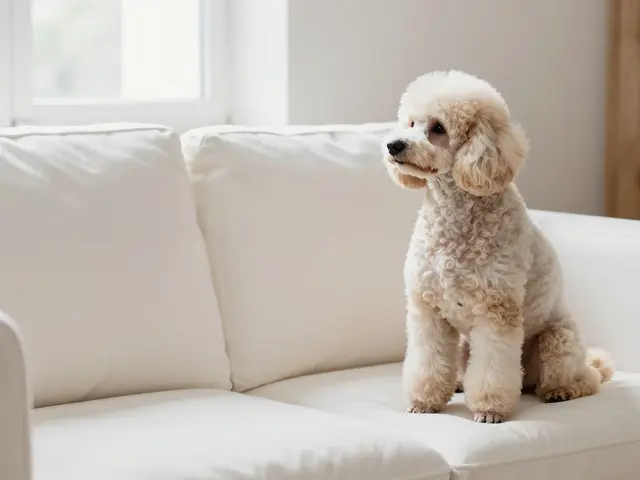
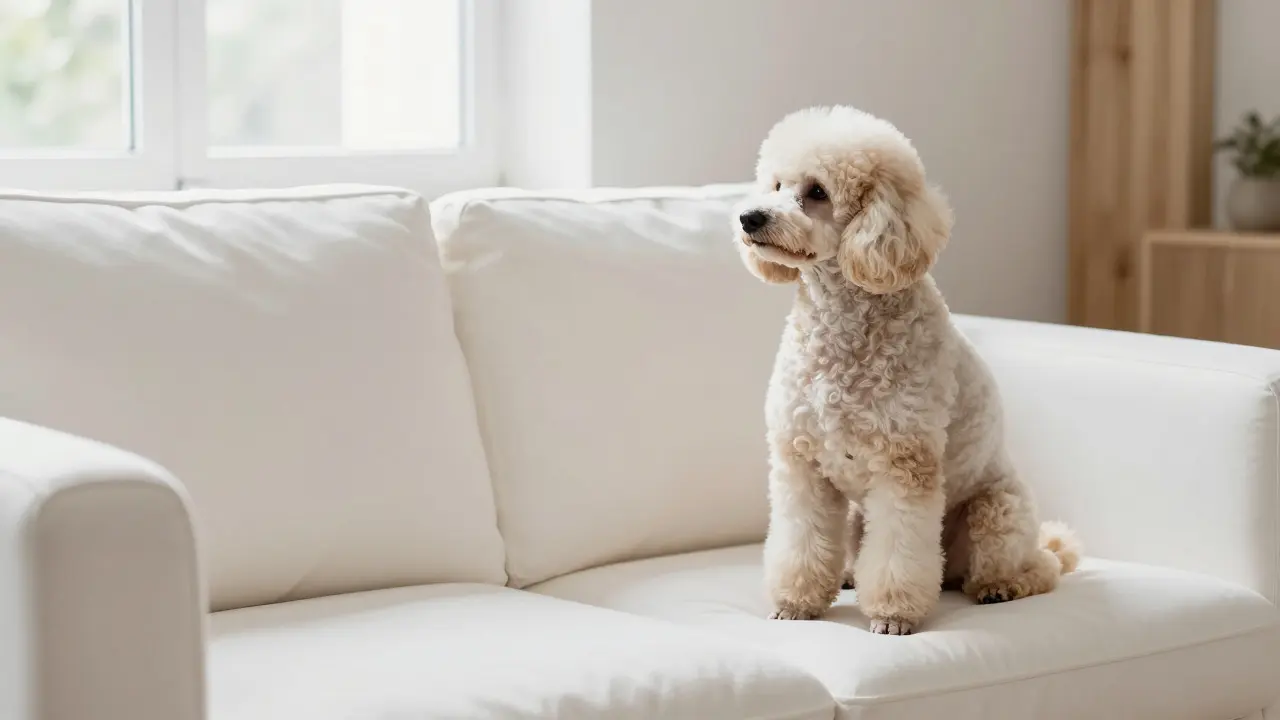
- Poodles (Standard, Miniature, Toy): Often cited as the gold standard for hypoallergenic pets. Their curly coat traps dander instead of releasing it. They require regular clipping to maintain shape and prevent matting.
- Bichon Frise: A small, fluffy dog with a soft, cotton-like texture. They shed very little but need daily brushing to keep their topknots and beard tangle-free.
- Portuguese Water Dog: A powerful swimmer with a waterproof, single-layer coat. They shed minimally but their long hair needs thorough combing after swimming or playing outside.
- Shih Tzu: Known for their luxurious, flowing mane. While they shed little, their facial hair can get dirty quickly, requiring frequent wiping around the eyes and mouth.
- Schnauzers (Miniature, Standard, Giant): These terriers have wiry coats that grow continuously. Regular stripping or clipping keeps them looking sharp and reduces loose hair.
The Grooming Reality: What to Expect
Choosing a low-shedding breed is a commitment to grooming, not an escape from it. The trade-off is clear: less cleanup on the floor, more time spent with a brush. If you choose a breed like the Poodle, which requires regular clipping to maintain its curly coat structure, you should budget for professional grooming sessions every 6 to 8 weeks. Between visits, home maintenance is critical.
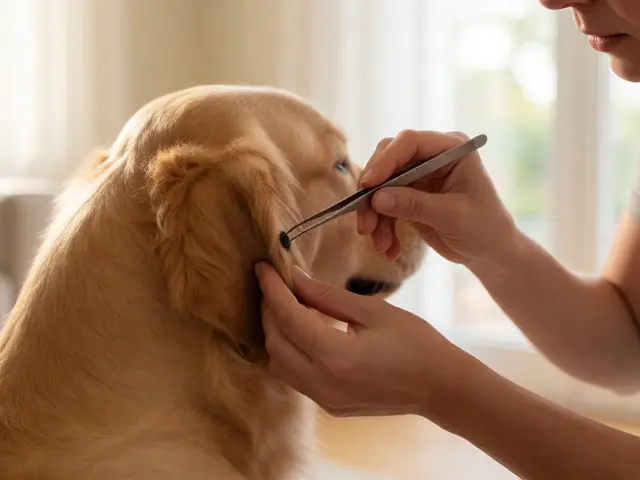
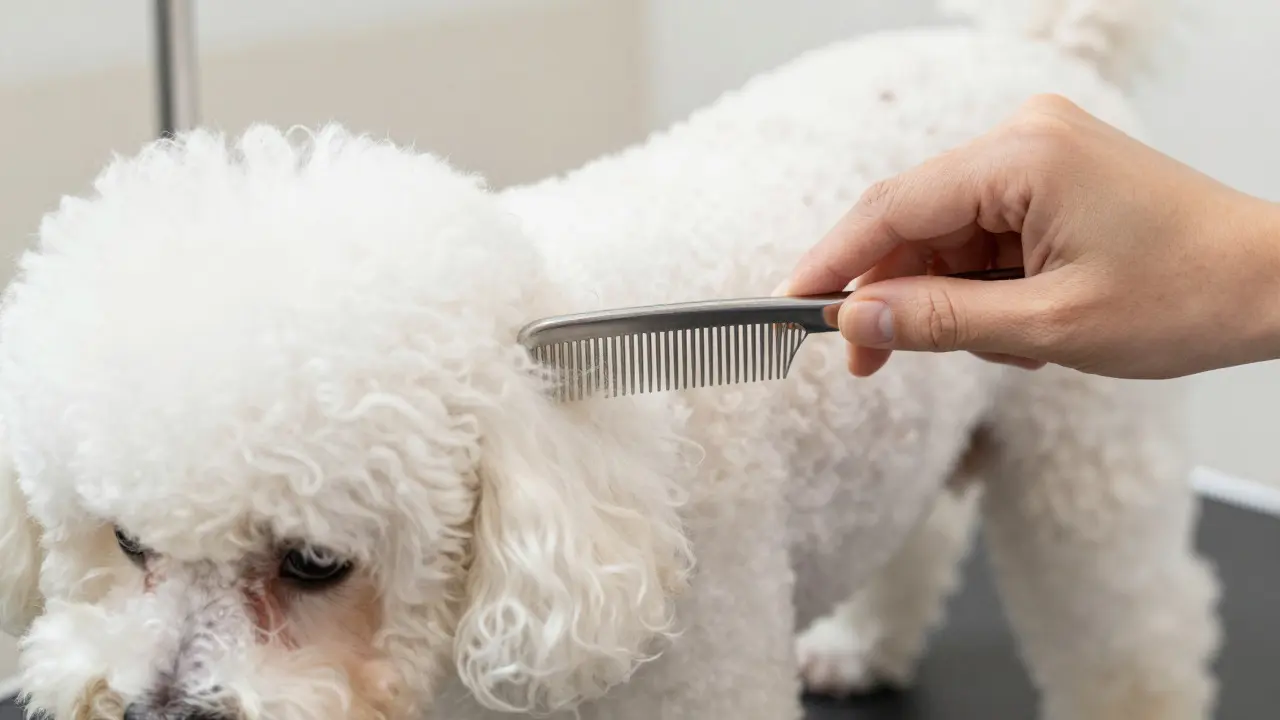
For smaller breeds like the Bichon Frise, daily brushing is non-negotiable. Their hair forms tight curls that trap dirt and moisture, leading to matting if left unattended. Mats can pull on the skin, causing pain and even skin infections. Using a slicker brush followed by a metal comb helps detect tangles early. Think of it like detangling human hair; if you wait until it’s knotted together, it becomes a much harder job.
Essential Tools for Coat Maintenance
You don’t need a salon at home, but you do need the right tools. Generic brushes often snag or break the delicate hair of low-shedding breeds. Investing in quality equipment saves time and stress for both you and your dog.
Don’t forget about nail trimming. Many owners focus solely on hair, but overgrown nails can alter a dog’s gait and cause joint issues. For breeds with long hair on the paws, keeping the hair trimmed short prevents mud from sticking and makes walking easier.
Bathing and Drying Techniques
Bathing frequency depends on the breed, but generally, low-shedding dogs need a bath every 4 to 8 weeks. More frequent bathing can strip natural oils, leading to dry skin and increased itching. Use a gentle, pH-balanced shampoo designed for dogs. Human shampoos can disrupt the skin barrier, causing irritation.
Drying is just as important as washing. Curly coats take a long time to air-dry, which creates a breeding ground for yeast and bacteria. Invest in a high-velocity dryer or a force-dryer. These tools push air through the coat, drying the skin underneath rather than just the surface. If you don’t have access to professional drying, use a towel to blot excess water and then use a regular hair dryer on a cool setting, keeping it moving to avoid hot spots.
Nutrition and Skin Health
Coat condition starts from the inside out. A diet rich in omega-3 and omega-6 fatty acids supports skin integrity and reduces inflammation. Look for foods containing fish oil, flaxseed, or chicken fat. Dehydrated skin leads to dull coats and excessive scratching, which can worsen any existing skin issues.
If your dog has persistent itching or redness despite good grooming, consult a veterinarian. Allergies are common in sensitive breeds, and dietary adjustments or medicated shampoos may be necessary. Regular check-ups ensure that minor skin issues don’t become major problems.
Frequently Asked Questions
Are low-shedding dogs truly hypoallergenic?
No dog is 100% hypoallergenic. However, low-shedding breeds produce less airborne dander, which is the primary trigger for many allergies. Individual reactions vary, so spending time with a specific breed before adopting is recommended.
How often should I brush a Poodle?
Ideally, every day. At minimum, three times a week. Daily brushing prevents mats from forming in the dense, curly coat, which can become painful and difficult to remove once established.
Do Schnauzers need professional grooming?
Yes, typically every 6 to 8 weeks. While you can brush at home, maintaining the traditional Schnauzer look requires professional clipping or hand-stripping to keep the wiry texture intact.
What causes mats in low-shedding dogs?
Mats form when hair tangles together and isn’t combed out. Moisture, dirt, and friction from collars or harnesses accelerate matting. Areas behind the ears, under the armpits, and around the tail are most vulnerable.
Can I shave my low-shedding dog to reduce grooming?
Generally, no. Shaving down to the skin can damage the follicle, leading to regrowth issues or sunburn. It also removes the insulation layer, making the dog uncomfortable in both heat and cold. Keep the coat at a functional length.