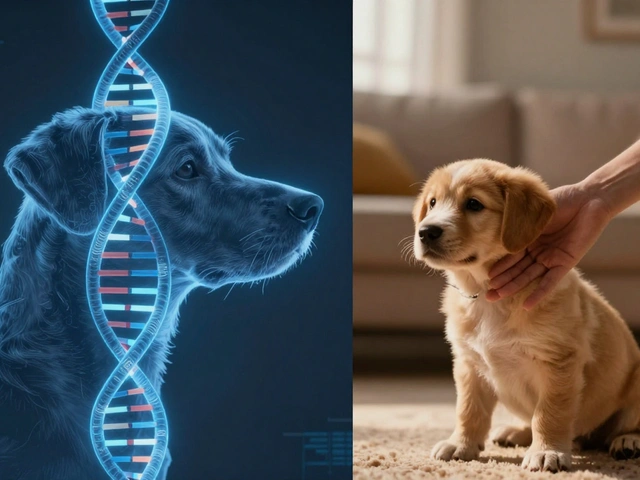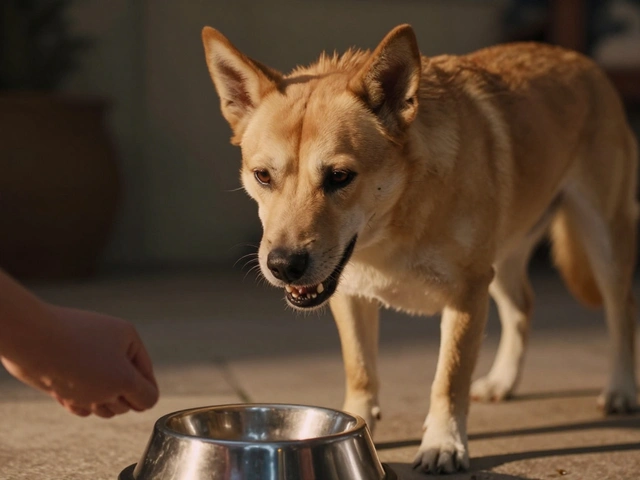
When your dog, who’s always been gentle, suddenly snaps at someone - a family member, a delivery person, even another dog - it’s terrifying. You might think it’s bad training, jealousy, or dominance. But before you blame behavior or discipline, stop. Sudden aggression in dogs is often a red flag for something medical. It’s not about bad vibes or bad dogs. It’s about pain, illness, or brain changes you can’t see.
Why Sudden Aggression Isn’t Just "Bad Behavior"
Dogs don’t wake up one day deciding to bite. They don’t hold grudges like humans. If your dog, who’s never shown aggression, suddenly growls, lunges, or snaps, something is off. And more often than not, it’s not emotional - it’s physical. A 2023 study from the University of California, Davis, found that 42% of dogs referred for sudden aggression had an underlying medical condition. That’s nearly half. Most owners never connect the dots because the signs are subtle. Your dog isn’t being "mean." They’re in discomfort, confused, or scared - and they’re reacting the only way they know how.Pain: The Most Common Culprit
If your dog is hurting, they’re not going to tell you. They’ll just get defensive. Pain makes animals protective. Even a dog who loves to cuddle will snap if you touch a sore spot. Common sources of pain that trigger aggression:- Arthritis - Especially in older dogs. A stiff hip or lower back can make petting or lifting painful. They might growl when you try to pick them up or brush their hind legs.
- Dental disease - A broken tooth, abscess, or severe gum infection causes constant discomfort. Your dog might snap if you touch their muzzle or try to take away a chew toy.
- Neurological pain - Conditions like cervical spondylosis or slipped discs can cause nerve pain that radiates. A dog with this might lunge at you when you walk behind them.
- Internal injuries - A rib fracture, abdominal trauma, or even a tumor can make a dog react aggressively to touch, pressure, or movement.
Here’s the catch: dogs mask pain. They don’t cry. They don’t limp visibly. But they’ll growl when you touch their belly, avoid stairs, or refuse to lie down. If the aggression started after a fall, surgery, or even a routine grooming session - look for pain first.
Neurological Disorders That Change Behavior
The brain controls behavior. If something’s wrong in there, aggression can be a symptom. These aren’t rare - they’re underdiagnosed.- Canine cognitive dysfunction (CCD) - Think of it as dog dementia. Dogs lose their sense of familiarity. They might not recognize you, forget where the door is, or get confused in their own home. This confusion can turn into fear-based aggression. A dog with CCD might snap at you because you look like a stranger.
- Brain tumors - Even small tumors pressing on the frontal lobe can alter personality. A calm dog might suddenly become irritable, anxious, or aggressive. Seizures, disorientation, or circling are often present too.
- Epilepsy - Post-ictal aggression (after a seizure) is real. Your dog might be disoriented, blind, or terrified for 10 minutes to several hours after a seizure. That’s when they’re most likely to bite.
- Encephalitis - Brain inflammation from infection (like distemper) or autoimmune disease can cause sudden behavioral shifts. Fever, lethargy, and head tilting often accompany it.
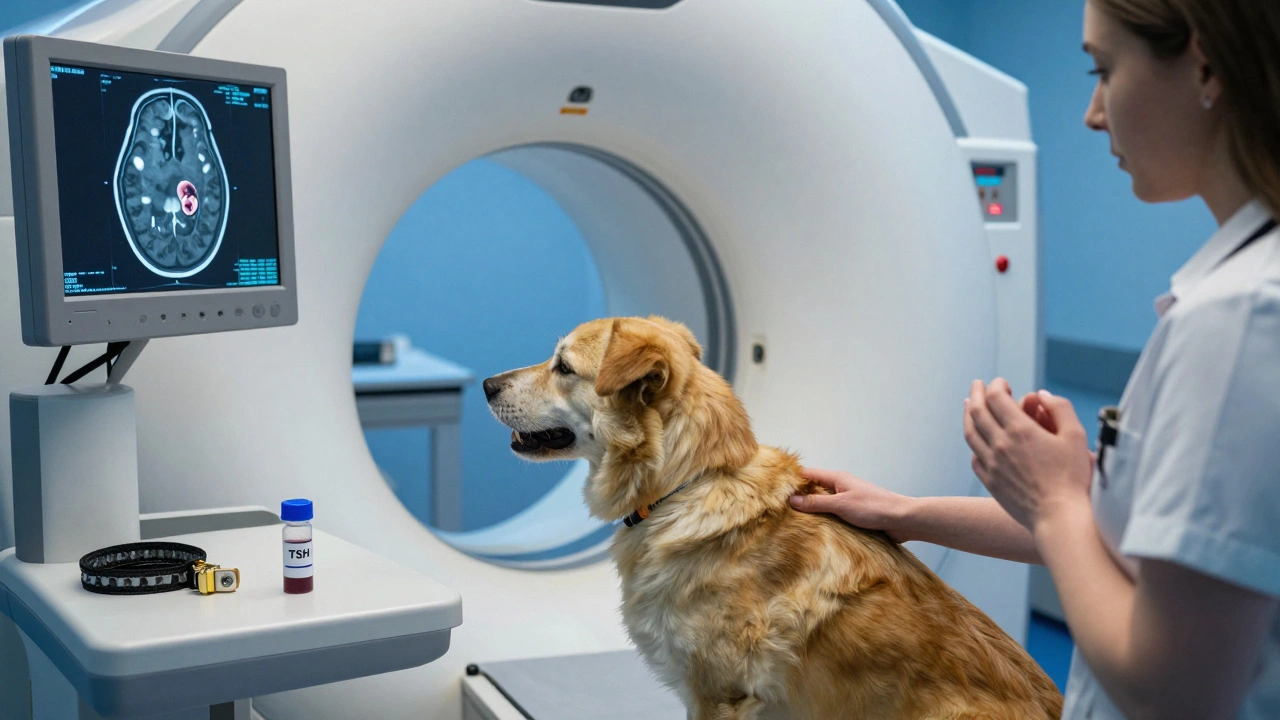
These conditions don’t always show obvious symptoms. A dog with a brain tumor might just seem "off" - less playful, more clingy, or suddenly aggressive at night. If behavior changes abruptly, especially with other neurological signs, a vet neurology consult is critical.
Hormonal Imbalances and Endocrine Disease
Your dog’s hormones are silent controllers of mood. When they go off, aggression follows.- Hypothyroidism - This is the #1 endocrine cause of aggression in dogs. Low thyroid hormone affects serotonin levels. Dogs become irritable, anxious, and easily startled. They might snap at children, other dogs, or even you for no reason. A simple blood test can catch this. Many vets don’t test for it unless the dog is lethargic or gaining weight - but aggression alone is enough reason to check.
- Cushing’s disease - Too much cortisol. Dogs with this condition are often thirsty, urinate a lot, and have a potbelly. But they also become more aggressive, especially when touched. Their skin gets thin, hair falls out, and they’re more prone to infections.
- Hypercalcemia - High calcium levels, often from tumors or kidney disease, can cause neurological symptoms including aggression. It’s rare, but it happens.
These aren’t "behavior problems." They’re medical conditions that need treatment. Hypothyroidism alone affects 1 in 50 dogs. If your dog is middle-aged or older and suddenly aggressive, ask your vet to run a full thyroid panel - not just T4, but TSH and free T4 too.
Infections and Toxins
Bacteria, viruses, and poisons can mess with your dog’s brain. Some are obvious. Others sneak in.- Rabies - Yes, it’s rare in vaccinated dogs, but it still exists. Sudden aggression, disorientation, drooling, and fear of water are classic signs. If your dog has never been vaccinated or had a lapse in shots, this must be ruled out immediately. It’s fatal - for them and for you.
- Lyme disease - Tick-borne illness. Joint pain, fever, and neurological symptoms can lead to aggression. Dogs with Lyme often don’t show lameness - they just seem "cranky."
- Toxic exposure - Household cleaners, antifreeze, certain plants (like sago palm), or even human medications (like antidepressants) can cause neurological toxicity. A dog might become aggressive, tremble, or have seizures after ingesting something you didn’t think was dangerous.
Even a single lick of antifreeze can be deadly. If your dog has had access to chemicals, plants, or pills - assume toxicity until proven otherwise.

What to Do Next
Don’t wait. Don’t try to "train it out." Don’t blame the dog. Go to the vet - now.Here’s what a smart vet will do:
- Take a full history: When did the aggression start? What triggers it? Any recent injuries, changes in routine, or new pets?
- Do a full physical exam: Check for pain, stiffness, dental issues, lumps, or neurological signs.
- Run basic blood work: CBC, chemistry panel, thyroid levels (T4, TSH, free T4), and calcium.
- Test for tick-borne diseases: Lyme, ehrlichia, anaplasma.
- Consider imaging: X-rays for spine or joints, or an MRI if neurological signs are present.
- Rule out toxins: Ask about exposure to cleaners, plants, or medications.
If your vet dismisses your concerns with "it’s just behavior," get a second opinion. Many general practitioners don’t connect aggression to medical causes. A board-certified veterinary neurologist or internal medicine specialist is often needed.
What Not to Do
- Don’t punish - Yelling, alpha rolls, or shock collars will make a fearful or painful dog more aggressive.
- Don’t isolate - Keeping your dog locked up only increases stress and confusion.
- Don’t assume it’s "just aging" - Older dogs aren’t supposed to be aggressive. That’s a warning sign, not a normal part of aging.
- Don’t wait to see if it gets worse - Medical causes can progress fast. Early intervention saves lives.
Real-Life Example
A 7-year-old golden retriever in Portland started growling at her owner every time he tried to hug her. She’d never done it before. Her owner thought she was jealous of the new baby. He tried positive reinforcement. Nothing worked. Then she started limping. A vet visit revealed severe hip arthritis and a hidden dental abscess. After pain medication and a tooth extraction, her aggression vanished. She now curls up beside him every night - no growling, no fear.That’s not behavior. That’s medicine.
Can a dog suddenly become aggressive because of anxiety?
Anxiety can cause aggression, but sudden, unexplained aggression is rarely just anxiety. Anxiety-related aggression usually builds slowly - your dog might start pacing, panting, or hiding before snapping. If the aggression appears overnight with no history of fear, it’s more likely a medical issue. Always rule out pain or illness first.
Is hypothyroidism common in dogs?
Yes. Hypothyroidism affects about 1 in 50 dogs, especially medium to large breeds like golden retrievers, Dobermans, and cocker spaniels. It’s often overlooked because vets look for weight gain or lethargy - but sudden aggression, skin problems, or cold intolerance can be the only signs.
Can vaccines cause aggression in dogs?
No, vaccines do not cause aggression. There’s no credible scientific evidence linking vaccines to behavioral changes. If aggression starts after a vaccine, it’s likely a coincidence - or the dog was already in pain or ill, and the vet visit triggered stress. Always investigate underlying medical causes before blaming vaccines.
What if the vet says everything is normal?
Ask for a referral to a veterinary neurologist or internal medicine specialist. Routine bloodwork doesn’t catch everything. Conditions like brain tumors, early dementia, or subtle spinal issues often need advanced imaging like MRI or CT scans. If your dog’s behavior changed suddenly, don’t accept "no reason found" as an answer.
Should I stop interacting with my dog until I find the cause?
No. Avoiding your dog increases their stress and isolation. Instead, limit triggers - don’t touch areas where they snap, avoid sudden movements, and keep interactions calm. But keep them close. Your presence is calming. Just be safe. Use baby gates or crates if needed, but don’t abandon them.