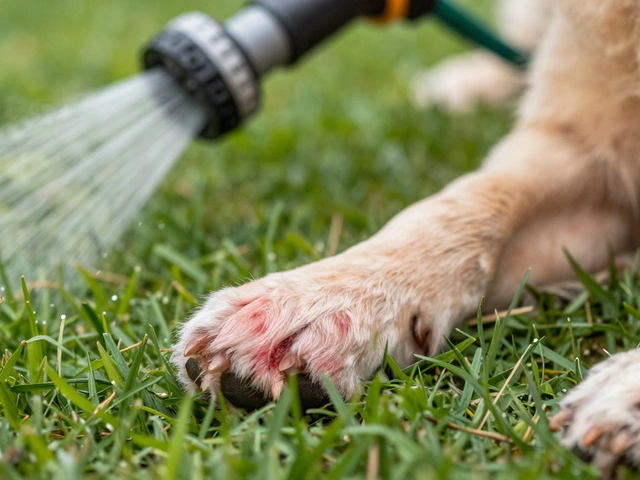
If your dog is constantly scratching, licking their paws, or has red, irritated skin, you’re not alone. Over 10 million dogs in the U.S. suffer from atopic dermatitis - a chronic, itchy skin condition triggered by environmental allergens like pollen, dust mites, or mold. Traditional treatments like steroids and antihistamines often come with side effects or lose effectiveness over time. That’s where Cytopoint comes in - a targeted, non-steroidal injection designed to break the itch cycle in dogs without suppressing their entire immune system.
What Is Cytopoint?
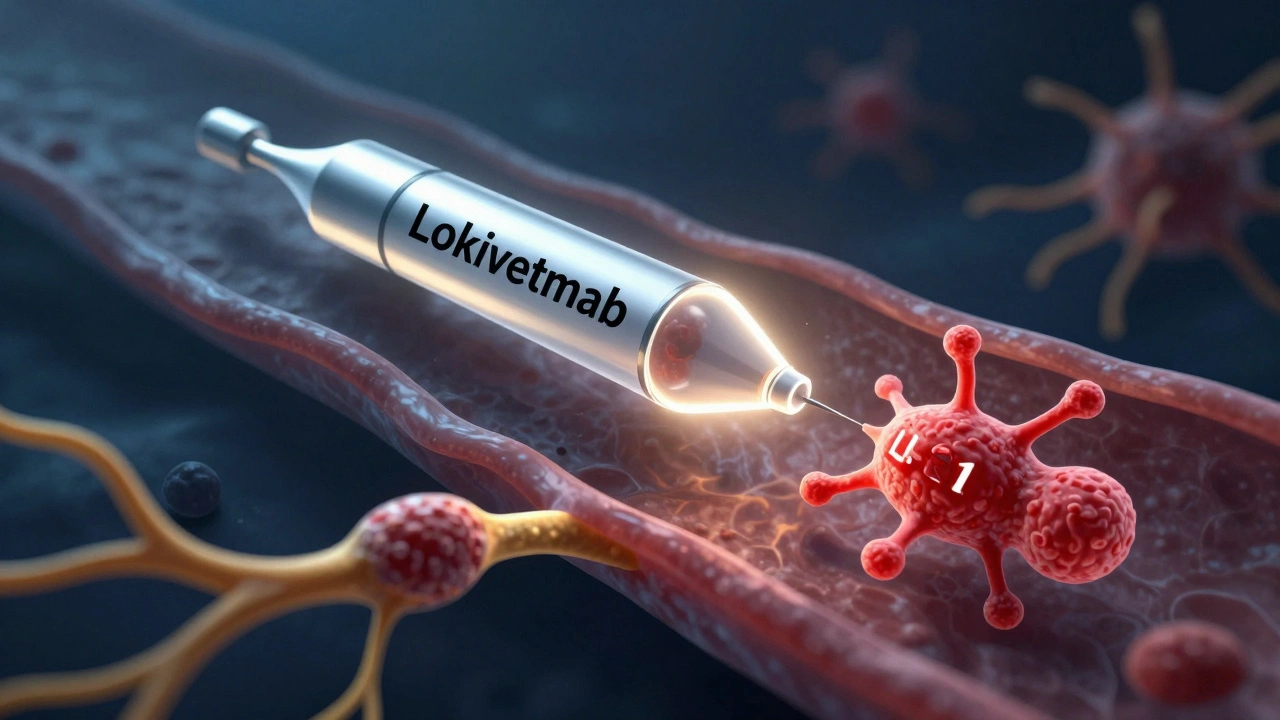
Cytopoint is a monoclonal antibody therapy made specifically for dogs. Unlike older allergy treatments that work broadly across the body, Cytopoint zeroes in on one key player in the itch response: interleukin-31 (IL-31). This protein is the main signal your dog’s body sends to tell their brain, “Itch!” Even if the allergen is still present, blocking IL-31 stops the itch before it starts.
The active ingredient in Cytopoint is lokivetmab, a canine-specific monoclonal antibody. It’s not a drug - it’s a lab-made protein that mimics your dog’s own immune system. Because it’s designed to recognize only IL-31 in dogs, it doesn’t interfere with other bodily functions. That’s why it doesn’t cause the weight gain, increased thirst, or liver stress you might see with steroids.
How Does It Work?
When your vet gives your dog a Cytopoint injection, it’s like sending in a precision sniper to take out the itch signal. The injection enters the bloodstream and binds to IL-31 molecules before they can attach to nerve receptors in the skin. No IL-31 binding means no itch signal. Your dog stops scratching, licking, or chewing - often within 24 hours.
The effects last for 4 to 8 weeks, depending on the dog. Some dogs need injections every 4 weeks; others go 7 or 8 weeks before symptoms return. This is longer than most antihistamines, which wear off in hours. And because it’s not a steroid or immunosuppressant, your dog’s immune system stays intact. They can still fight off infections, heal wounds, and respond to vaccines normally.
Who Is Cytopoint For?
Cytopoint is approved for dogs over 12 weeks old and weighing at least 3.3 pounds. It works best for dogs with atopic dermatitis - allergies caused by airborne triggers, not food or parasites. If your dog’s skin flares up every spring or fall, or if they chew their paws after walks, Cytopoint is likely a good fit.
It’s not meant for dogs with:
- Food allergies (those need dietary changes)
- Flea allergy dermatitis (flea control is key here)
- Secondary skin infections (antibiotics may be needed first)
- Severe immune disorders (your vet will screen for these)
Many owners use Cytopoint alongside other treatments. For example, if your dog has a bacterial skin infection from constant scratching, your vet might prescribe antibiotics for 2-4 weeks, then start Cytopoint to prevent the itch from coming back.
What to Expect After the Injection
Most dogs show improvement within 1 to 3 days. You’ll notice less paw licking, fewer hot spots, and quieter nights. Some dogs stop scratching almost immediately. Others take a bit longer, especially if they’ve been scratching for months and their skin is already inflamed.
The injection itself is simple - it’s given under the skin, like a vaccine. Most dogs don’t even flinch. No sedation is needed. Side effects are rare. In clinical studies, less than 1% of dogs had mild reactions like vomiting, diarrhea, or lethargy. These usually passed within 24 hours.
Unlike oral medications, Cytopoint doesn’t need daily dosing. One injection every 4 to 8 weeks means no missed pills, no fights at mealtime, and no stress over remembering a schedule.
How It Compares to Other Treatments
| Treatment | How It Works | Duration | Side Effects | Best For |
|---|---|---|---|---|
| Cytopoint (lokivetmab) | Binds to IL-31, blocks itch signal | 4-8 weeks per injection | Very low (rare vomiting or lethargy) | Environmental allergies, chronic itching |
| Corticosteroids | Suppresses entire immune system | Days to weeks (daily or every other day) | Increased thirst, urination, appetite, liver stress | Severe flare-ups, short-term use |
| Antihistamines | Blocks histamine receptors | 12-24 hours (daily) | Drowsiness, dry mouth, occasional GI upset | Mild allergies, young dogs |
| Apocaps (cyclosporine) | Suppresses T-cells | Daily, lifelong | Vomiting, diarrhea, increased infection risk | Chronic cases unresponsive to other treatments |
Cytopoint stands out because it doesn’t treat symptoms broadly - it targets the exact cause of the itch. That’s why many vets now recommend it as a first-line treatment for moderate to severe atopic dermatitis.
Cost and Accessibility
Cytopoint isn’t cheap. A single injection typically costs between $60 and $120, depending on your vet’s location and your dog’s weight. That’s more than a bottle of antihistamines, but you’re paying for a targeted, long-lasting solution. Many owners find they spend less overall because they’re not buying multiple medications or treating recurring infections.
It’s only available through licensed veterinarians. You can’t buy it online or over the counter. Your vet will likely do a full exam before starting treatment to rule out other causes of itching, like mites or fungal infections.
Real-World Results
One study published in the Journal of Veterinary Dermatology followed 217 dogs with atopic dermatitis over 12 weeks. After just one Cytopoint injection, 75% of dogs had a 50% or greater reduction in itching. By the end of the study, 68% of owners said their dog’s quality of life improved significantly.
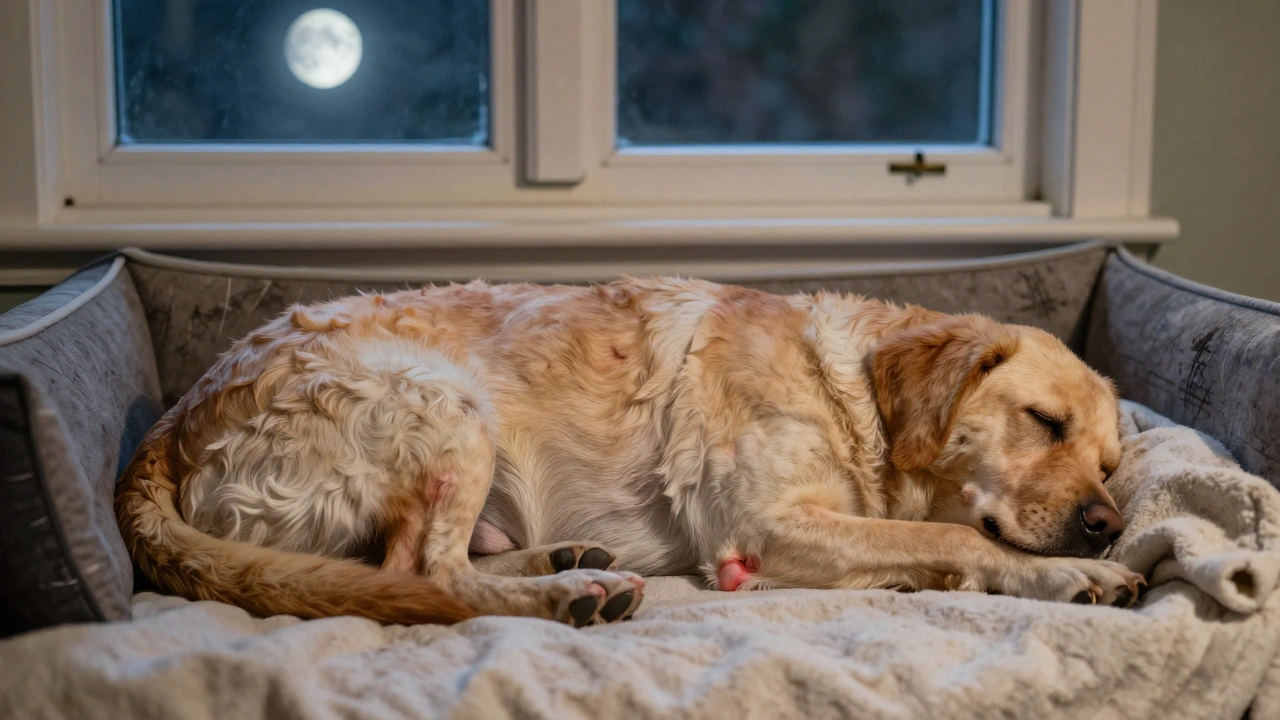
Another owner in Ohio shared her 5-year-old Labrador’s story: before Cytopoint, her dog scratched until his skin bled. She tried steroids, antihistamines, oatmeal baths - nothing lasted. After the first Cytopoint shot, the licking stopped. Within two weeks, his fur started growing back. Three months later, he was sleeping through the night without waking up to scratch.
Limitations and What It Won’t Do
Cytopoint doesn’t cure allergies. It doesn’t remove pollen from your yard or stop your dog from being sensitive to dust. It simply blocks the itch signal so your dog can heal. That means you still need to manage environmental triggers: wipe paws after walks, use air purifiers, bathe with gentle shampoos, and keep bedding clean.
It also won’t help if your dog has an infection. If their skin is oozing, crusty, or smells bad, they need antibiotics first. Cytopoint can’t fix that - but once the infection clears, it can keep the itch from returning.
When to Talk to Your Vet
If your dog has been scratching for more than a few weeks, it’s time to talk to your vet. Don’t wait until their skin is raw. Early intervention with Cytopoint can prevent long-term skin damage and reduce the need for stronger drugs later.
Your vet might recommend:
- A skin scrape to check for mites
- A food trial to rule out food allergies
- Allergy testing (blood or intradermal) to identify triggers
- Starting Cytopoint while addressing underlying causes
Many vets now use Cytopoint as part of a broader plan - not a magic bullet, but a powerful tool that gives dogs relief while you work on long-term management.
Is Cytopoint safe for long-term use?
Yes. Studies have shown Cytopoint is safe for use over multiple years. Dogs treated for over 2 years showed no increase in serious side effects. Because it doesn’t suppress the immune system, long-term use doesn’t raise infection risk like steroids or cyclosporine do.
Can Cytopoint be used with other medications?
Absolutely. Cytopoint works well with antibiotics, antifungals, flea preventatives, and even omega-3 supplements. It doesn’t interact with most drugs, making it easy to combine with other treatments your vet recommends.
Does Cytopoint work for all breeds?
Yes. Clinical trials included breeds like Labradors, French Bulldogs, Terriers, and Retrievers - all showed similar results. It’s not breed-specific. Effectiveness depends more on the type of allergy than the dog’s size or breed.
What if my dog’s itching comes back after 4 weeks?
That’s normal. Cytopoint lasts 4 to 8 weeks, but some dogs need injections every 4 weeks, especially during high pollen seasons. Your vet will help you find the right schedule. If itching returns faster than expected, they may check for secondary issues like fleas or infections.
Can puppies get Cytopoint?
Yes, as long as they’re at least 12 weeks old and weigh over 3.3 pounds. Early treatment can prevent chronic skin damage and reduce the chance of lifelong allergy problems. Many vets now recommend starting treatment as soon as moderate itching appears.
If your dog’s itching is keeping them - and you - up at night, Cytopoint offers a real alternative. It’s not a cure, but it’s one of the most effective, safest options we have today for managing environmental allergies in dogs. With the right care, your dog can go from constant scratching to calm, comfortable living - without the side effects of old-school treatments.