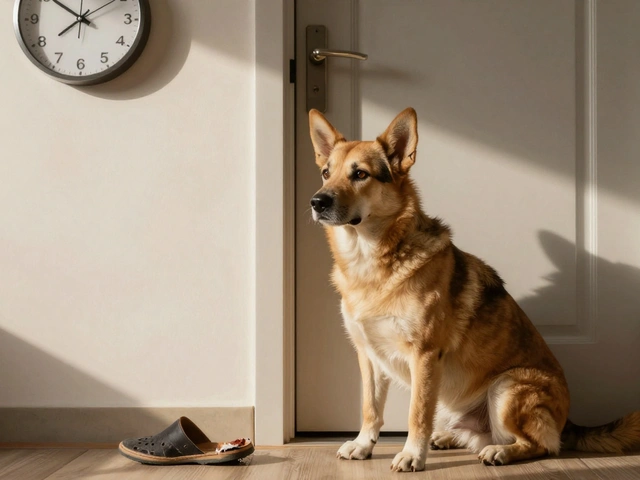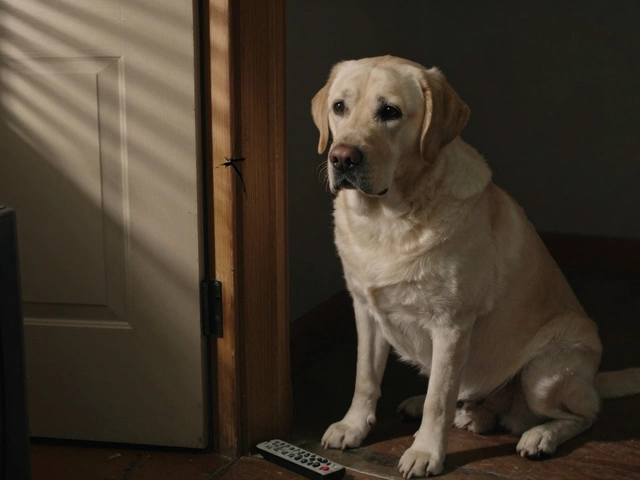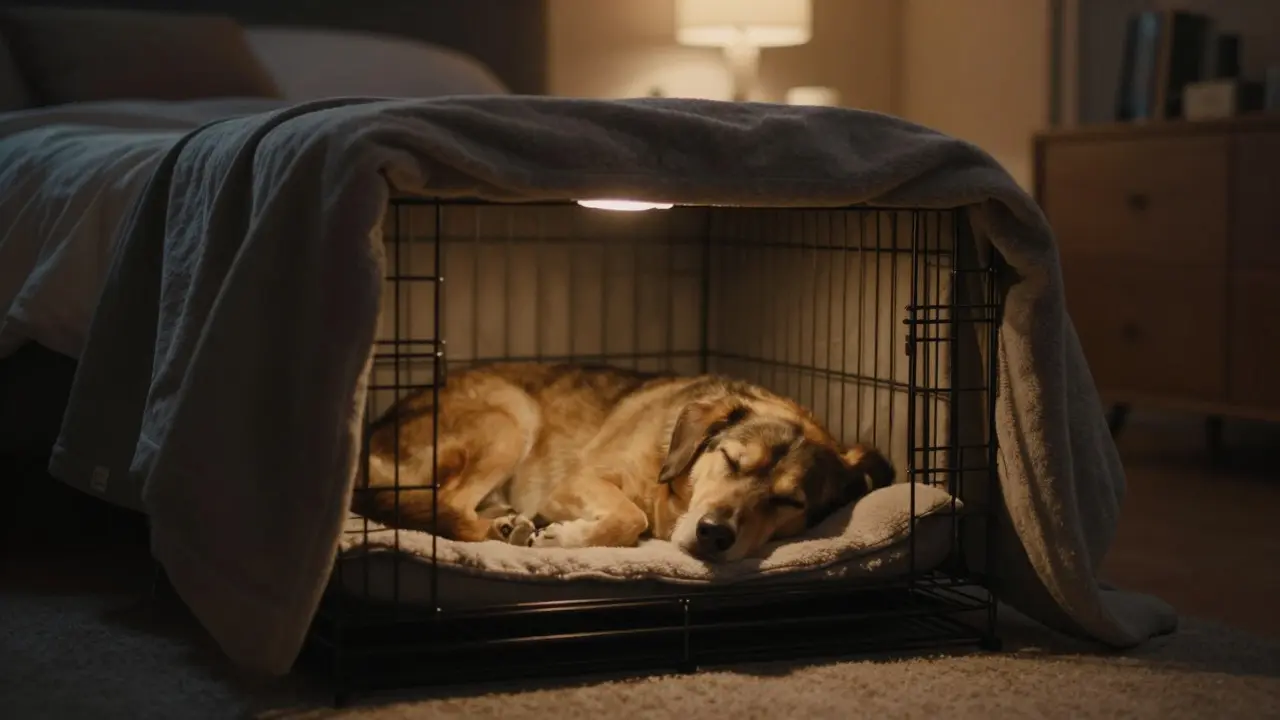
It is 11:30 PM. You are in bed, trying to sleep, but the sound of scratching at the bedroom door wakes you up. Your dog is pacing, whining, or perhaps chewing through a toy. For many pet parents, this is not a one-time event; it is a nightly ritual that leaves everyone exhausted. The instinct is often to let the dog out, which accidentally reinforces the idea that crying works. But for dogs with separation anxiety is a condition where pets become distressed when left alone, often manifesting as destructive behavior, vocalization, or physiological stress responses, simply letting them roam free can sometimes make things worse by increasing their access to "forbidden" areas.
The solution many behavioral experts recommend is overnight crating is the practice of confining a dog to a safe, enclosed space during sleeping hours to reduce anxiety and prevent destructive behaviors. However, throwing an anxious dog into a crate without preparation is a recipe for disaster. If done correctly, the crate becomes a den-a place of safety rather than punishment. Here is how to transition your anxious dog to sleeping in a crate without adding more stress to their night.
Understanding the Root of Nighttime Distress
Before you buy a single screw for the crate, you need to understand why your dog struggles at night. Dogs are pack animals with strong social bonds. When the household goes quiet, the absence of their primary attachment figure (you) triggers a survival mechanism. This isn't spite; it's fear. Common signs include:
- Persistent barking or whining within minutes of you leaving the room.
- Destructive chewing on doors, windows, or crate bars.
- Accidents inside the crate due to loss of bladder control from stress.
- Panting, drooling, or trembling even after you return.
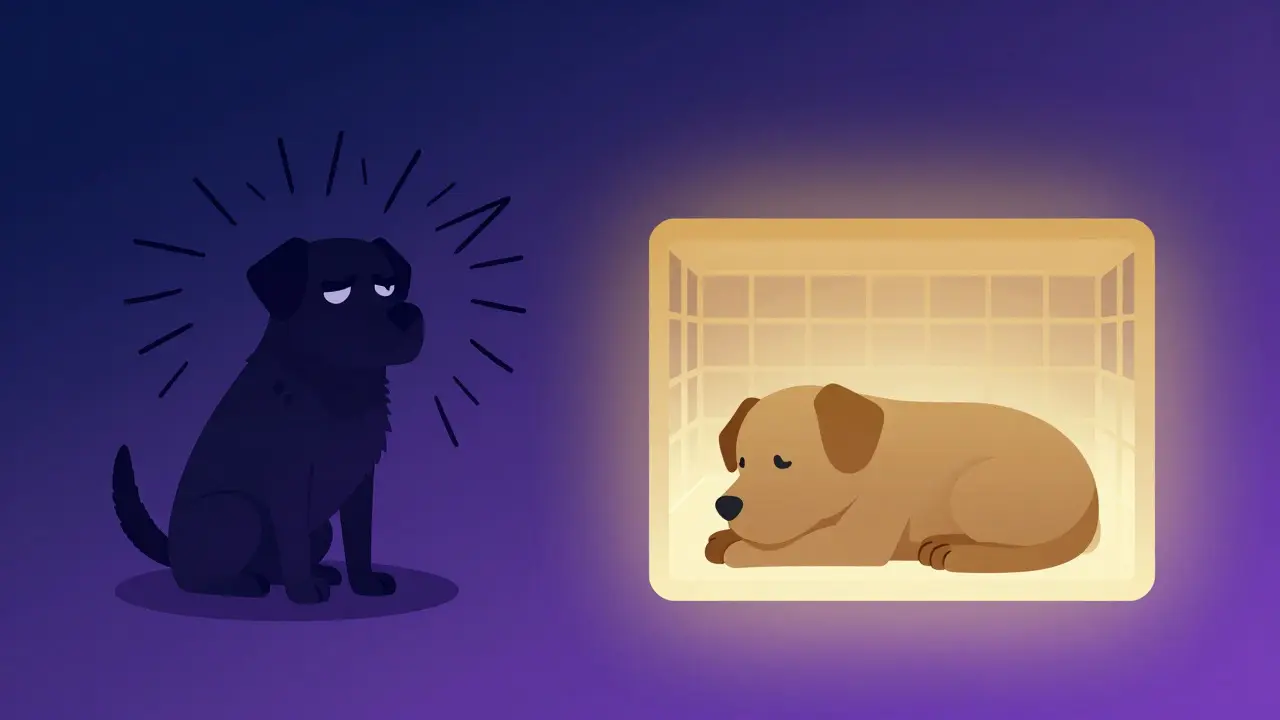
If these symptoms appear only at night, the issue might be specific to the dark or the silence. If they happen all day, your dog has generalized separation anxiety. Overnight crating helps because it limits the scope of the problem. Instead of panicking about the whole house, the dog focuses on a small, manageable space. The key is making that space feel like a sanctuary, not a prison.
Choosing the Right Crate Environment
A crate that is too big allows the dog to use one corner as a bathroom, which defeats the purpose of house training and increases odor-related stress. A crate that is too small causes physical discomfort. The ideal size allows your dog to stand up, turn around, and lie down comfortably. Measure your dog from nose to tail base, then add six inches for length. For height, measure from floor to shoulder and add three inches.
Location matters just as much as size. Do not put the crate in a cold hallway or a noisy garage. Place it near your bedroom door or in a quiet corner of your bedroom. The goal is proximity. Your dog should be able to smell you and hear your breathing. This provides a sense of security without requiring constant interaction. Cover three sides of the crate with a breathable blanket to create a visual barrier. Most dogs feel safer when they cannot see out, mimicking the feeling of being in a cave or burrow.
The Gradual Desensitization Protocol
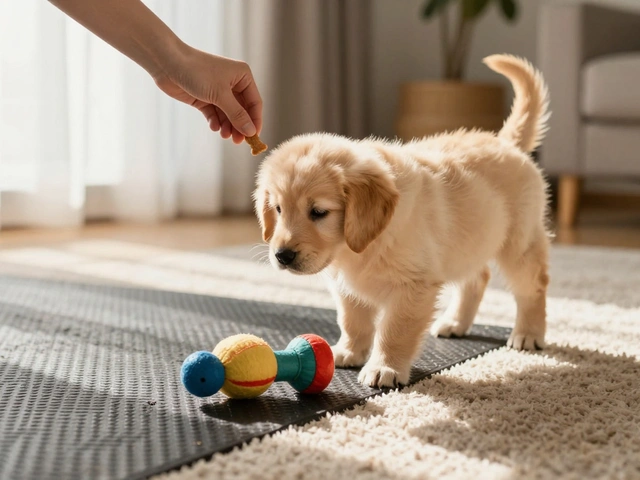
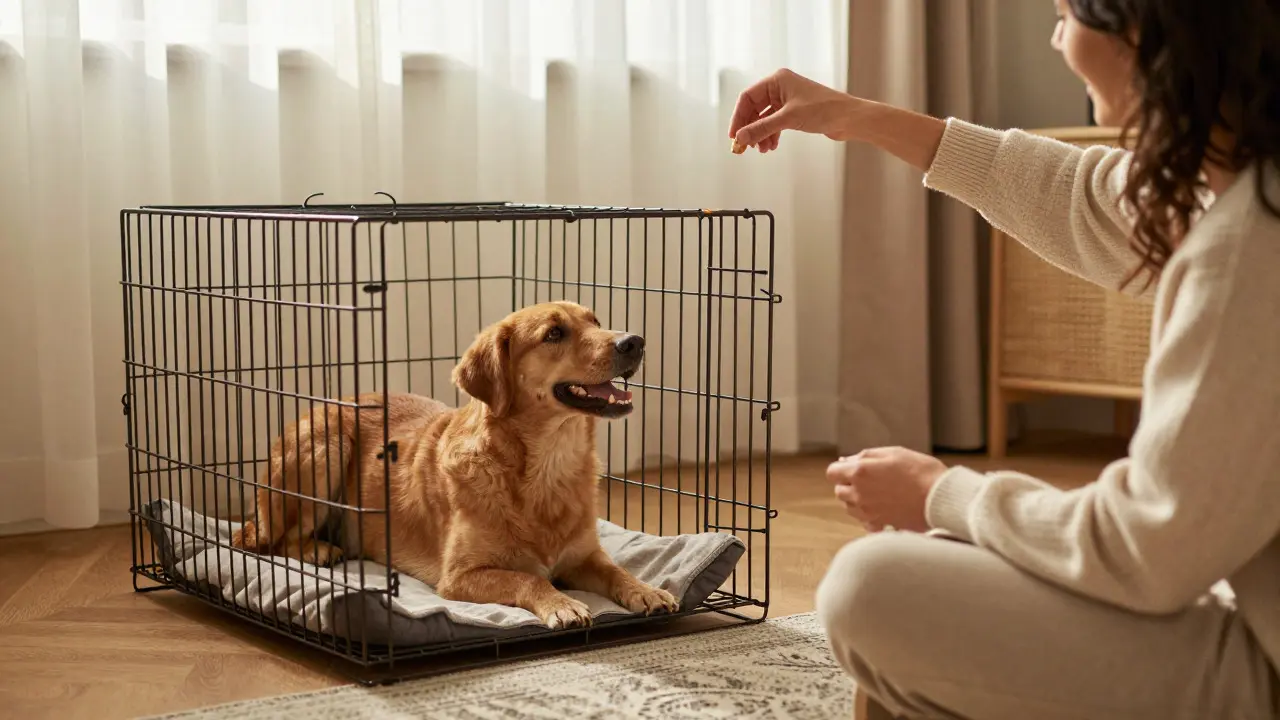
This is the most critical step. Do not lock your dog in the crate for eight hours on the first night. Start with short intervals while you are home. Feed your dog meals in the open crate. Toss high-value treats like chicken pieces or cheese cubes in there. Let the dog go in and out freely. Once they are comfortable eating inside, close the door for five seconds. Open it before they show any sign of stress. Repeat this process over several days, gradually increasing the time to 15, 30, and 60 minutes.
During this phase, keep your energy low. Avoid exciting greetings or goodbyes. Walk away calmly. Close the door calmly. Walk back calmly. Open the door calmly. You are teaching your dog that being closed in is boring, not scary. If your dog panics, reset the timer. Go back to a shorter duration. Consistency is far more important than speed.
Establishing a Calming Pre-Sleep Routine
Anxiety spikes when routines change. Create a predictable sequence of events before lights-out. This acts as a signal that sleep time is approaching. A typical routine might look like this:
- Physical Exercise: Take a brisk walk or play fetch for 20-30 minutes two hours before bedtime. A tired dog sleeps better.
- Mental Stimulation: Use a snuffle mat or a puzzle feeder for dinner. Licking and chewing release endorphins, which naturally calm the nervous system.
- Toilet Break: Ensure the dog has fully eliminated right before entering the crate.
- The Cue: Use a specific phrase like "Goodnight, [Name]" every single night. This verbal cue becomes a trigger for relaxation.
Provide a long-lasting chew item, such as a Kong stuffed with peanut butter and frozen, or a raw bone (if appropriate for your dog). Chewing occupies the mouth and reduces the urge to vocalize. Rotate these toys so they don't get bored. Keep the environment dim. Consider using a white noise machine or a fan to mask outside sounds that might startle your dog during deep sleep cycles.
Managing the First Few Nights
The first night in the crate will likely be the hardest. Expect some whining. Resist the urge to rush in immediately. Wait 30-60 seconds to see if the dog settles on its own. If the whining continues, check if they need to pee. If not, ignore the noise. Rewarding the whining teaches the dog that noise equals freedom. Only reward silence. When the dog stops whining, wait a few seconds, then offer a treat or a gentle word from a distance. This reinforces the idea that quiet leads to good things.
If your dog has severe anxiety, consider using calming aids. Pheromone diffusers like Adaptil emit synthetic dog appeasing pheromones that mimic those produced by nursing mothers. These can help lower heart rate and reduce stress hormones. Some owners also find success with thunder shirts, which apply gentle pressure to the body, similar to swaddling a baby. Always consult your veterinarian before starting any supplements or medications, especially if your dog has pre-existing health conditions.
Common Mistakes to Avoid
Even well-intentioned owners sabotage crate training. Here are the top pitfalls:
- Punishment: Never scold your dog for accidents in the crate. It makes the crate a negative place. Clean accidents with enzymatic cleaners to remove the scent completely.
- Inconsistent Rules: If you let the dog out at 2 AM on Tuesday but not Wednesday, the dog learns nothing. Stick to a consistent wake-up time, even on weekends.
- Over-Crating: Don't leave the dog in the crate for more than 8-9 hours at a stretch for adult dogs. Puppies have smaller bladders and need more frequent breaks.
- Ignoring Medical Issues: Sudden onset of crate distress could indicate pain, arthritis, or urinary issues. Rule out medical problems with a vet visit if behavior changes abruptly.
| Strategy | Best For | Risk Factor | Success Rate Estimate |
|---|---|---|---|
| Gradual Desensitization | Mild to Moderate Anxiety | Low (Time-intensive) | High (85%+) |
| Cold Turkey Method | Severe Anxiety / Emergency | High (Can worsen trauma) | Variable (40-60%) |
| Proximity + White Noise | Sleep-Specific Triggers | Medium (Requires consistency) | High (75%+) |
When to Seek Professional Help
Most dogs improve with consistent crate training within 2-4 weeks. However, if your dog shows signs of extreme distress-such as self-injury, complete refusal to eat, or panic attacks lasting more than 30 minutes-you may need professional intervention. Certified Professional Dog Trainers (CPDT-KA) who specialize in behavior can assess your dog's specific triggers. In severe cases, veterinary behaviorists may prescribe anti-anxiety medication to help break the cycle of fear. Medication is not a cure-all, but it can lower the baseline anxiety enough for training techniques to work effectively.
Remember, overnight crating is a tool, not a permanent sentence. As your dog's confidence grows, you can gradually increase their freedom. Maybe they start sleeping in the crate for four hours, then move to a pen, then eventually share the room. The goal is independence, not confinement. By respecting your dog's emotional needs and providing a structured, safe environment, you transform the crate from a source of dread into a favorite resting spot. It takes patience, but the result is peaceful nights for both you and your dog.
How long does it take for a dog to stop whining in a crate?
For most dogs with mild anxiety, significant improvement is seen within 7 to 14 days of consistent training. Severe cases may take 4 to 8 weeks. The timeline depends on the dog's history, age, and the consistency of the owner's routine. Patience is key; rushing the process often resets progress.
Is it cruel to crate an anxious dog?
No, provided the crate is introduced positively. Cruelty comes from using the crate as punishment or ignoring the dog's basic needs. When used correctly, the crate provides a secure, den-like environment that reduces the overwhelming stimuli of the entire house, actually lowering overall stress levels for many anxious dogs.
Should I cover the crate with a blanket?
Yes, covering three sides of the crate usually helps. Visual stimulation can be distracting and anxiety-inducing. A breathable blanket creates a cozy, enclosed space that mimics a natural den. Just ensure the material is fire-resistant and doesn't restrict airflow.
What if my dog pees in the crate?
First, rule out a urinary tract infection with a vet visit. If healthy, the crate is likely too large, allowing the dog to separate sleeping area from bathroom area. Downsize the crate or use a divider panel. Clean the accident with an enzymatic cleaner to remove the scent, which encourages the dog to hold it next time.
Do calming chews work for separation anxiety?
Calming chews containing ingredients like L-theanine, chamomile, or melatonin can provide mild support for low-level stress. They are best used as part of a comprehensive plan that includes desensitization and routine. They are not a standalone cure for severe separation anxiety but can help manage the initial transition period.