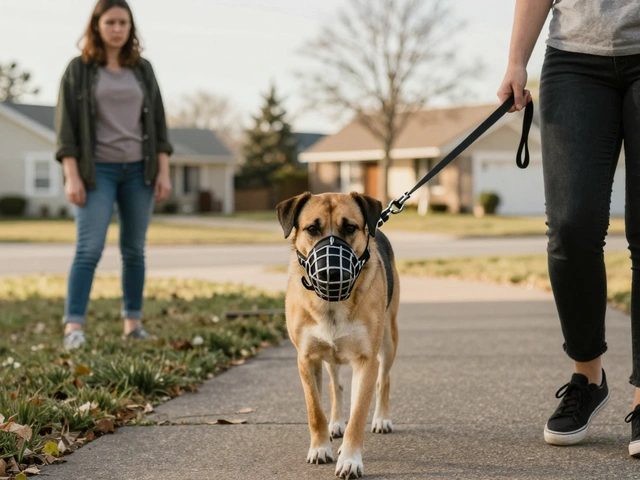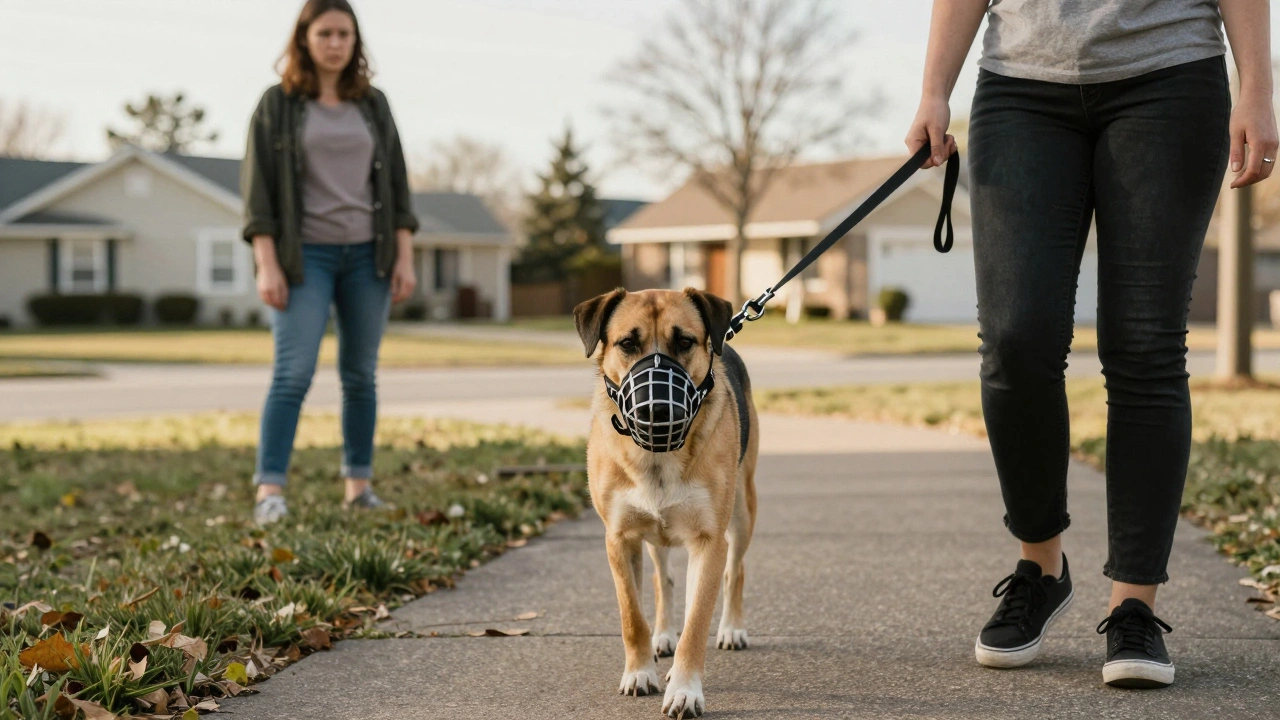
If your dog has a bite record, finding insurance isn’t just harder-it’s often a race against time. Many standard pet insurance policies exclude dogs with aggression history, and landlords, parks, and even neighbors might demand proof of coverage before allowing your dog near public spaces. Public liability insurance for dogs with bite records exists, but it’s not the same as regular pet insurance. It doesn’t cover medical care for your dog. Instead, it protects you financially if your dog injures someone else or damages their property.
Why standard pet insurance won’t work
Most pet insurance companies treat dogs with bite records as high-risk. They either refuse coverage outright or add extreme exclusions. A 2024 survey by the American Pet Insurance Association found that 78% of insurers automatically deny applications for dogs with one or more documented bites. Even if you find a company willing to cover your dog, they’ll likely exclude any future bite-related claims. That leaves you exposed. If your dog bites someone again, you could be sued for medical bills, lost wages, or property damage-potentially costing tens of thousands of dollars.Public liability insurance is different. It’s designed for situations where your dog harms someone else. It’s not about treating your dog’s health. It’s about protecting your assets. This type of coverage is often bundled with homeowners or renters insurance, but if your current policy excludes your dog because of its record, you’ll need a standalone policy.
What public liability insurance covers
A solid public liability policy for a dog with a bite record typically includes:- Medical expenses for the injured person
- Legal defense costs if you’re sued
- Settlements or court-ordered damages up to your policy limit
- Property damage caused by your dog (like a chewed-up couch at a neighbor’s house)
It does NOT cover:
- Vet bills for your dog
- Dog training or behavioral therapy
- Loss or theft of your dog
- Damage to your own property
For example, if your dog bites a mail carrier while they’re delivering a package, the liability policy pays for their emergency room visit, lost wages, and any legal fees you incur. It doesn’t pay for your dog’s anxiety medication or behavior training. Those costs are on you.
How to get coverage with a bite record
Getting coverage isn’t impossible, but it requires a different approach. Here’s how to increase your chances:- Document everything. Keep records of your dog’s behavior: training logs, professional evaluations, vaccination history, and any incidents (even minor ones). A certified dog behaviorist’s report can make a big difference.
- Complete a behavior modification program. Many insurers require proof your dog has undergone at least 12 weeks of training with a certified professional. Look for trainers with CPDT-KA or KPA credentials. Keep certificates and progress notes.
- Use a muzzle in public. Some companies will offer coverage if your dog wears a basket muzzle whenever outside your home. It’s not ideal, but it reduces risk.
- Ask for a home visit. Some insurers send out a representative to assess your yard, fencing, and home environment. A secure, fenced yard with no access to strangers improves your odds.
- Don’t lie. If you hide a bite record, your policy can be canceled retroactively. If a claim comes later, you’ll be on the hook for everything.

Top insurers that cover dogs with bite records
Not all companies are the same. Based on 2025 data from the National Association of Insurance Commissioners, these providers are most likely to offer liability coverage for dogs with bite histories:| Provider | Max Coverage | Requires Muzzle? | Training Required? | Exclusions |
|---|---|---|---|---|
| PetSure | $1 million | Yes | Yes (12+ weeks) | None for bites if trained |
| Lemonade | $500,000 | No | Yes (12 weeks) | Excludes breeds classified as "dangerous" by local law |
| ASPCA Pet Health Insurance | $300,000 | Optional | Yes (behavioral assessment) | Excludes repeat incidents |
| Nationwide | $1 million | Yes | Yes (certified trainer) | Excludes dogs with 2+ bites in past 2 years |
These companies don’t guarantee coverage, but they’re the most flexible. Nationwide and PetSure are the most likely to approve dogs with one documented bite if training and safety measures are in place. Lemonade is the easiest to apply for online but has stricter breed limits.
What to do if you’re denied
If every insurer says no, you still have options. Some states offer high-risk pools for pet liability. Oregon doesn’t have one yet, but you can contact your state’s insurance commissioner’s office-they sometimes maintain lists of insurers willing to take on high-risk pets.Another path: work with a local independent insurance agent. They have access to niche markets and specialty carriers that don’t show up on Google searches. Ask them specifically for “excess liability” or “umbrella policies” that cover pet-related incidents. These often cost $150-$300 per year and can be added to your existing homeowners policy.

Real-world consequences of going uninsured
In 2023, a homeowner in Portland was sued for $87,000 after their dog bit a child during a backyard playdate. The family had no liability coverage. Their savings were drained. They had to sell their car. They moved to a smaller apartment because their landlord wouldn’t renew the lease.That’s not rare. According to the Insurance Information Institute, the average dog bite claim in 2025 was $52,000. That number has risen 22% since 2020. If you’re living with a dog that has a bite record, you’re not just managing behavior-you’re managing risk.
Prevention is still your best tool
Insurance is a safety net. It doesn’t stop bites. Only consistent training and management do. If your dog has a record:- Never leave them unsupervised around strangers or children
- Use a leash and muzzle in public-even if not legally required
- Keep a log of triggers: loud noises, sudden movements, other dogs approaching
- Re-evaluate training every 3 months with a certified behaviorist
Some owners think once their dog is trained, they’re safe. That’s dangerous. Dogs don’t forget. A single lapse in management can undo years of progress. Insurance helps cover the cost of mistakes. But it can’t undo the trauma for the person bitten-or the emotional toll on you.
Final thoughts
Public liability insurance for dogs with bite records isn’t a luxury. It’s a necessity. It’s not about trusting your dog. It’s about protecting everyone else-and yourself. The cost of a policy is a fraction of what you’d pay after a single claim. And in places like Portland, where dog-friendly parks and neighborhoods are common, having coverage isn’t just smart-it’s expected.If your dog has a bite record, start today. Gather your records. Find a trainer. Call an agent. Don’t wait for the next incident to realize you’re unprotected.
Can I get liability insurance if my dog has bitten someone twice?
Most insurers will deny coverage if your dog has two or more documented bites within a two-year period. Nationwide and PetSure may consider it on a case-by-case basis if you’ve completed a 6-month behavior program and have a certified trainer’s evaluation. But many companies have a hard limit: one bite, and you’re eligible. Two bites, and you’re likely out of luck unless you find a specialty provider through an independent agent.
Does homeowners insurance cover dog bites?
Some do-but only if your dog has no bite history. If your dog has a documented bite, your insurer will likely remove the liability coverage for pet-related incidents. In many cases, they’ll cancel your entire policy. You can’t rely on standard homeowners insurance if your dog has a record. You need a separate liability policy.
What if my dog bites someone and I don’t have insurance?
You’re personally liable. The injured person can sue you for medical bills, lost wages, pain and suffering, and even emotional distress. In Oregon, there’s no cap on damages for dog bites. A single incident could cost you your home, savings, or future wages if a court orders wage garnishment. Insurance isn’t optional-it’s your financial shield.
Do I need to tell my insurer about a bite even if my dog is trained now?
Yes. Failing to disclose a bite record-even if you think your dog is cured-is considered fraud. If a claim happens later, your insurer can cancel your policy and deny payment. They can also report the incident to state authorities, which may affect future insurance applications. Full disclosure is the only safe path.
Are certain dog breeds automatically denied coverage?
Some insurers still use breed bans, but many have moved away from them. Instead, they focus on behavior. A Pit Bull with no bite history may be covered. A Golden Retriever with two bites likely won’t be. The key isn’t breed-it’s documented history. Always ask for a behavior-based evaluation, not a breed-based rejection.