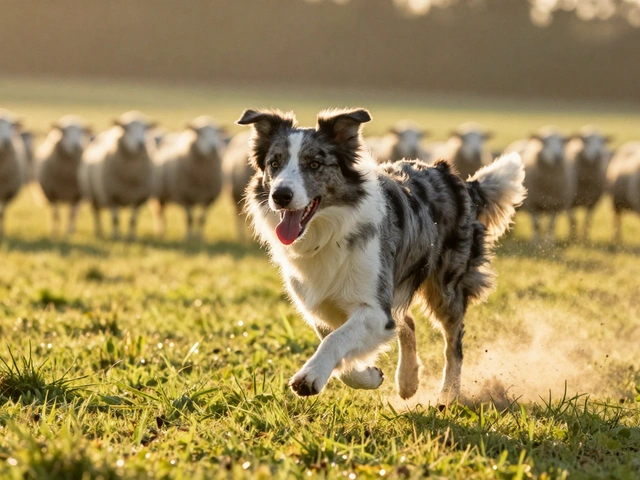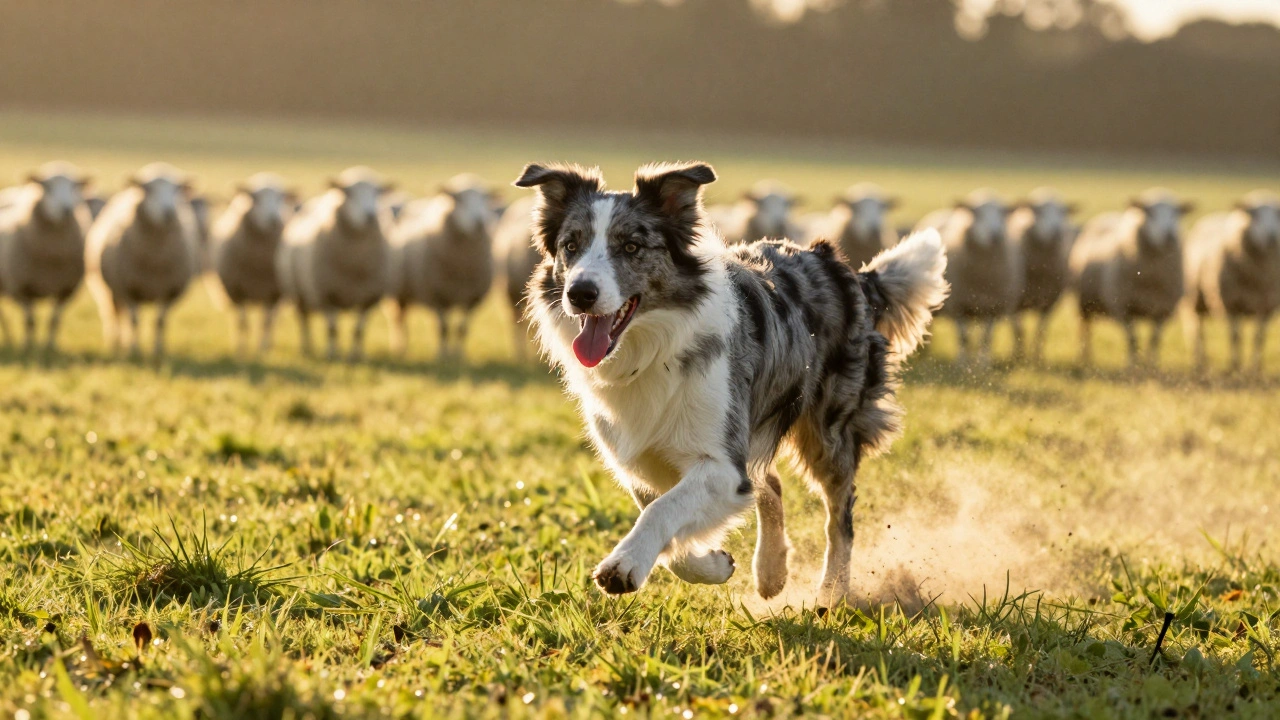
When a border collie runs 20 miles in a day chasing sheep, or a German shepherd pulls a sled through snow for hours, they’re not just exercising-they’re burning through calories like a race car on a track. These aren’t your average pets. They’re athletes. And like any athlete, what they eat before, during, and after work makes the difference between lasting the whole day or collapsing by noon.
Why Working and Sporting Dogs Need More Than Just Kibble
Most pet dogs need around 300 to 800 calories a day, depending on size. But a hunting Labrador that spends 6 hours in the field? That dog could burn 2,500 to 4,000 calories. A sled dog team in the Iditarod burns up to 10,000 calories per dog per day. That’s not a typo. That’s the kind of energy demand you’re dealing with.
Regular dog food just doesn’t cut it. Commercial kibble is designed for sedentary pets. It’s often too high in carbs and too low in fat and protein. Working dogs need fuel that’s dense, digestible, and designed for endurance. Their bodies don’t store energy like humans do. They rely heavily on fat for sustained power, not just carbs for quick bursts.
Studies from the University of Illinois and the American College of Veterinary Nutrition show that working dogs on high-fat diets (at least 20% fat on a dry matter basis) recover faster, maintain muscle mass, and show fewer signs of fatigue than those on standard diets. Fat isn’t the enemy-it’s the engine.
Macronutrient Breakdown: What They Really Need
Let’s break it down simply:
- Protein: 30-40% of calories. Not just for muscle building-protein helps repair tissue after intense activity. Too little, and your dog starts breaking down its own muscle. Too much, and the kidneys get overloaded.
- Fat: 20-30% of calories. This is the main fuel source for endurance. Animal fats (chicken fat, fish oil) are better than plant oils. They’re more bioavailable and deliver more energy per gram.
- Carbs: 30-40% of calories. Not zero, but not the star. Carbs give quick energy for short bursts-like a sprint to retrieve a bird. But too many carbs lead to spikes and crashes. Stick to digestible sources like sweet potatoes or brown rice.
For example, a top-tier performance dog food like Nutrish Performance or Royal Canin Sports Energy has 32% protein, 24% fat, and 35% carbs. That’s the sweet spot. Avoid foods with corn, wheat, or soy as main ingredients-they’re fillers that cause inflammation and slow recovery.
Feeding Timing: When to Feed for Peak Performance
Feeding your dog at the wrong time is like giving a runner a heavy meal right before a marathon. It’s a recipe for cramps and sluggishness.
Here’s the schedule that works:
- 12 hours before activity: Feed the main meal. This gives time for digestion. A full stomach during exercise can cause bloat or vomiting.
- 2-3 hours before: No food. Just water. This keeps the gut empty and reduces risk of gastric torsion, especially in deep-chested breeds like Dobermans or Great Danes.
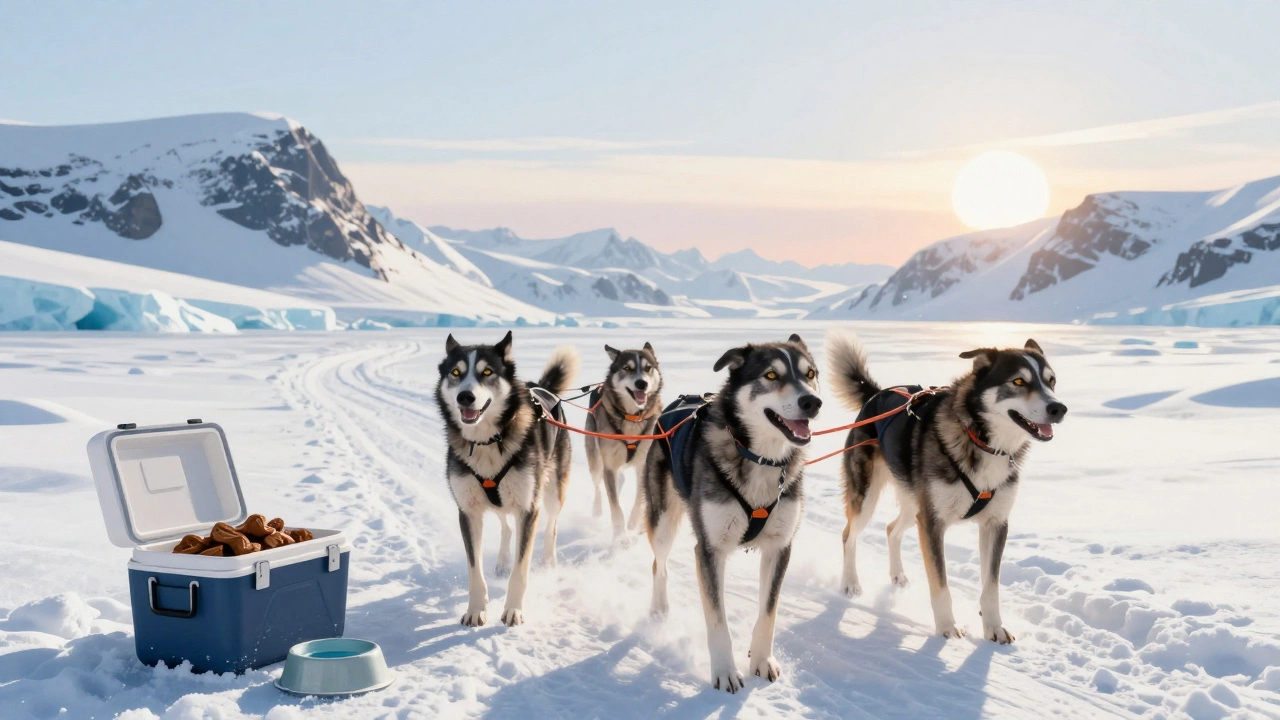
- During long sessions (over 2 hours): Offer small, high-energy snacks every 60-90 minutes. Think freeze-dried liver pieces, or a spoonful of peanut butter (xylitol-free) on a spoon. These are easy to digest and give quick energy.
- Immediately after: Within 30 minutes, feed a recovery meal. This is critical. Dogs enter a 30-minute window after exercise where their muscles are most receptive to nutrients. Delay this, and recovery slows by 40%.
A 2023 study from the University of California, Davis, found that dogs given a post-exercise meal with 30g of high-quality protein and 15g of fast-digesting carbs (like dextrose) regained muscle glycogen 60% faster than those who waited 2 hours.
Recovery: It’s Not Just Rest
Recovery isn’t just letting your dog nap on the couch. It’s active repair. And nutrition is the building material.
After hard work, dogs need:
- High-quality protein: Look for eggs, chicken, fish, or lamb as the first ingredient. These contain all essential amino acids, especially leucine, which triggers muscle repair.
- Omega-3 fatty acids: Found in fish oil or flaxseed. These reduce inflammation that builds up from repetitive motion. A daily dose of 1,000mg EPA/DHA per 25 lbs of body weight cuts soreness and joint pain.
- Electrolytes: Sweating isn’t the only way dogs lose fluids-they lose sodium, potassium, and chloride through panting. Add a pinch of sea salt to their water after long sessions. Or use commercial canine electrolyte powders designed for athletes.
- Hydration: Water is non-negotiable. A working dog can lose up to 10% of its body weight in fluid during a day of work. That’s life-threatening. Always have fresh water available. Check gum color-if it’s pale or slow to return pink, they’re dehydrated.
One handler in Wisconsin reported that after switching to a recovery protocol with fish oil, electrolytes, and a post-workout meal within 30 minutes, his three hunting dogs went from needing two days off after a hunt to being ready to go again in 24 hours.
Common Mistakes (And How to Avoid Them)
Even experienced handlers mess up. Here are the top three mistakes:
- Mistake 1: Feeding too much protein. More isn’t better. Excess protein turns into energy, but it’s inefficient. It strains the kidneys and creates more waste products your dog has to flush out. Stick to 30-40% protein. Anything above 45% is unnecessary and risky.
- Mistake 2: Using human sports supplements. Don’t give your dog Gatorade or protein powder meant for people. Many contain xylitol, caffeine, or artificial sweeteners that are toxic. Always use dog-specific products.
- Mistake 3: Ignoring weight loss. If your dog is losing weight despite eating enough, something’s wrong. It could be parasites, thyroid issues, or poor nutrient absorption. See a vet. Don’t just add more food.
Real-World Example: A Day in the Life of a Hunting Dog
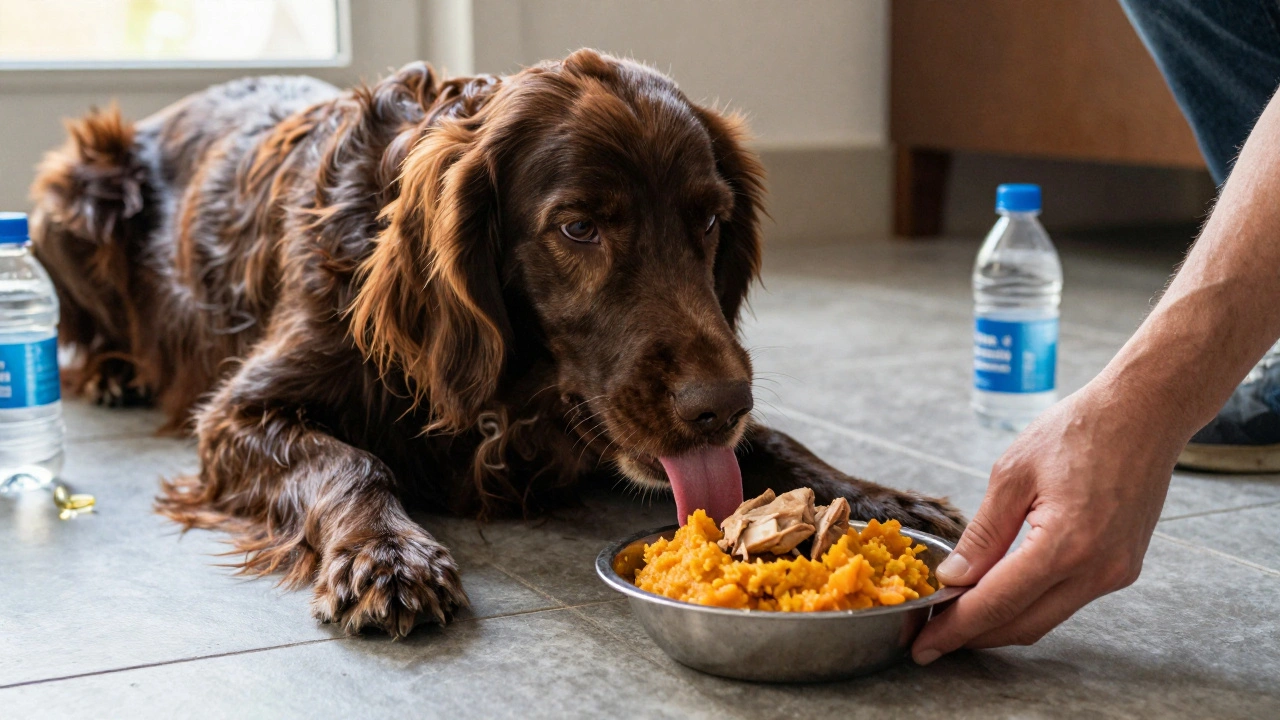
Meet Max, a 65-pound English Setter who hunts grouse for 5-6 hours, 3 days a week.
- 6:00 PM (previous night): 2 cups of high-performance kibble (32% protein, 24% fat).
- 6:00 AM (morning of hunt): No food. Just water.
- 7:30 AM: 10 minutes before heading out, a spoonful of peanut butter (xylitol-free) and 100ml of electrolyte water.
- 11:00 AM: During a break, 2 freeze-dried liver treats.
- 1:00 PM: Hunt ends. Immediately after, 1/2 cup of cooked chicken breast and 1/4 cup of sweet potato mash.
- 2:00 PM: 1,000mg fish oil capsule mixed into food.
- 7:00 PM: Second meal: same performance kibble, but with added 1 tsp of bone broth for hydration.
Max stays lean, energetic, and shows zero signs of joint pain. His coat is shiny. His stamina is consistent. All because his food matches his workload.
What to Look for in Performance Dog Food
Not all "performance" labels are created equal. Here’s what to read on the bag:
| Feature | Good | Avoid |
|---|---|---|
| Protein source | Named meat (chicken, lamb, fish) | Meat meal, unspecified animal fat |
| Fat source | Chicken fat, fish oil | Vegetable oil, soybean oil |
| Carb source | Sweet potato, brown rice, oats | Corn, wheat, soy, fillers |
| Calorie density | ≥ 400 kcal/cup | ≤ 350 kcal/cup |
| Added supplements | Glucosamine, chondroitin, omega-3 | Artificial preservatives (BHA, BHT) |
Brands like Orijen Active, Hill’s Science Diet Adult Performance, and Acana Heritage Sport & Work meet these standards. Always check the guaranteed analysis on the bag-not the marketing on the front.
When to Call the Vet
Some signs aren’t normal. If your dog shows any of these, it’s not just a bad diet-it’s a health issue:
- Sudden weight loss despite increased food
- Excessive panting or lethargy after light activity
- Dark urine or refusal to drink water
- Repeated vomiting or diarrhea after meals
- Limping or reluctance to move after rest
These could signal kidney stress, thyroid problems, or even food allergies. A vet can run blood tests and adjust nutrition based on actual needs-not guesswork.
How much food should I feed my working dog?
Start with the manufacturer’s recommendation for active dogs, then adjust based on body condition. A good rule: if you can feel but not see ribs, you’re in the right zone. Most working dogs need 1.5 to 2.5 times the amount of a pet dog. For example, a 50-pound dog might need 4-5 cups of performance food per day, split into two meals.
Can I feed my dog raw food?
Yes, but only if you’re doing it right. Raw diets can work for working dogs-they’re high in fat and protein, which is ideal. But they must be balanced. A raw diet lacking calcium or zinc can cause bone problems over time. Use a commercial raw formula that’s AAFCO-approved, or work with a veterinary nutritionist to formulate a home-prepared diet. Never just feed raw meat alone.
Do working dogs need supplements?
Not always, but often. Fish oil for inflammation, joint support like glucosamine, and electrolytes after long sessions are the most helpful. Avoid multi-vitamins unless a vet says your dog has a deficiency. Most performance foods already include what they need. Too many supplements can cause imbalances.
What’s the best time to give treats during activity?
Give treats during breaks, not while working. If your dog is running, jumping, or pulling, they’re not digesting well. Wait until they’re resting-even for 5 minutes. Small, soft treats (like freeze-dried liver or a spoonful of canned pumpkin) are easiest to digest. Avoid hard treats or bones during activity-they’re a choking hazard.
How do I know if my dog is getting enough energy?
Watch behavior, not just weight. A well-fed working dog stays alert, has a shiny coat, recovers quickly after rest, and doesn’t beg for food constantly. If your dog seems tired, slow to respond, or loses muscle tone, they’re under-fueled. If they’re gaining weight or sluggish, you’re overfeeding. Adjust portion sizes every 2-3 weeks based on performance, not appearance alone.