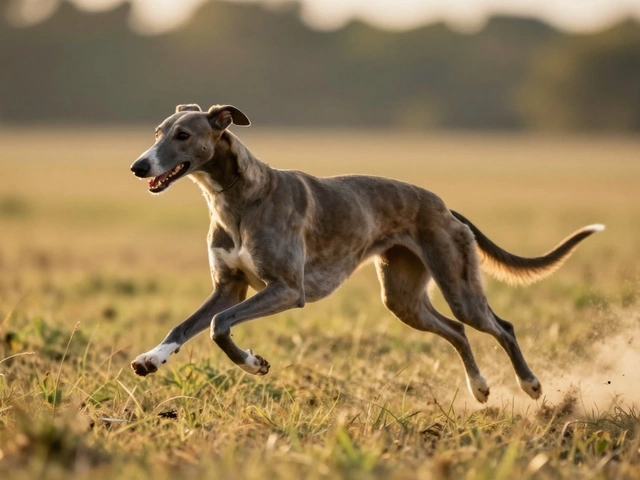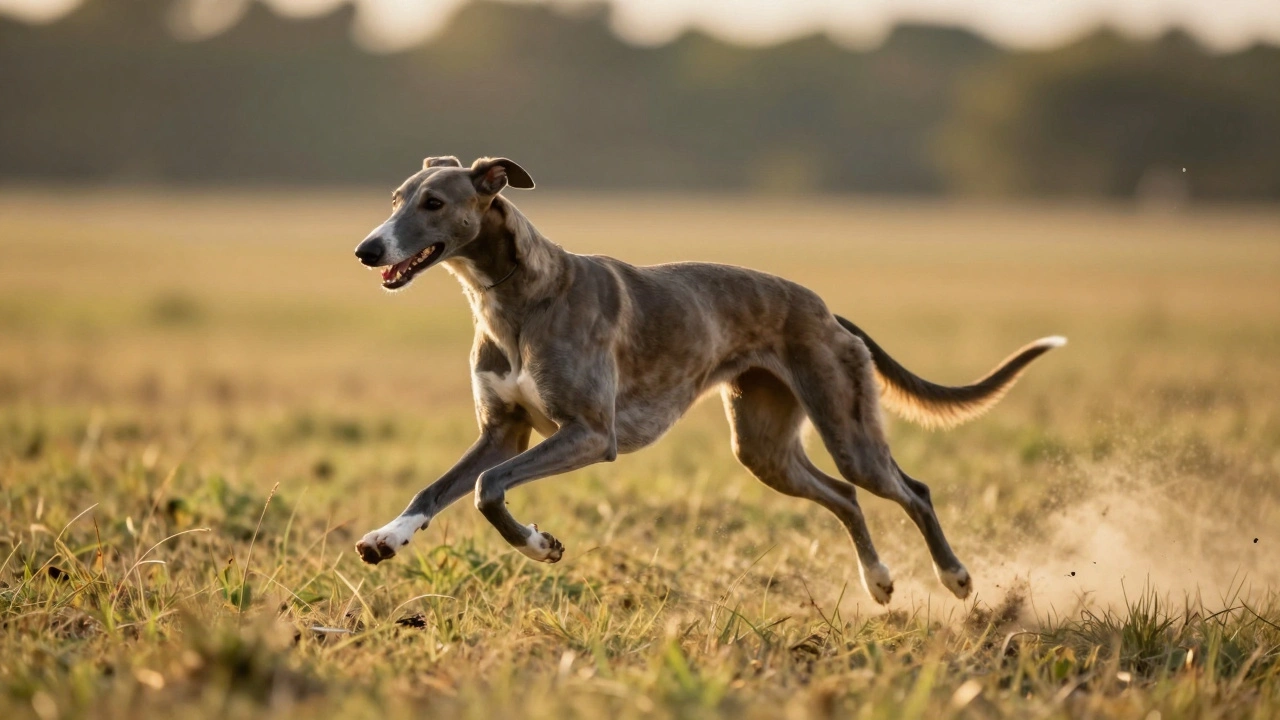
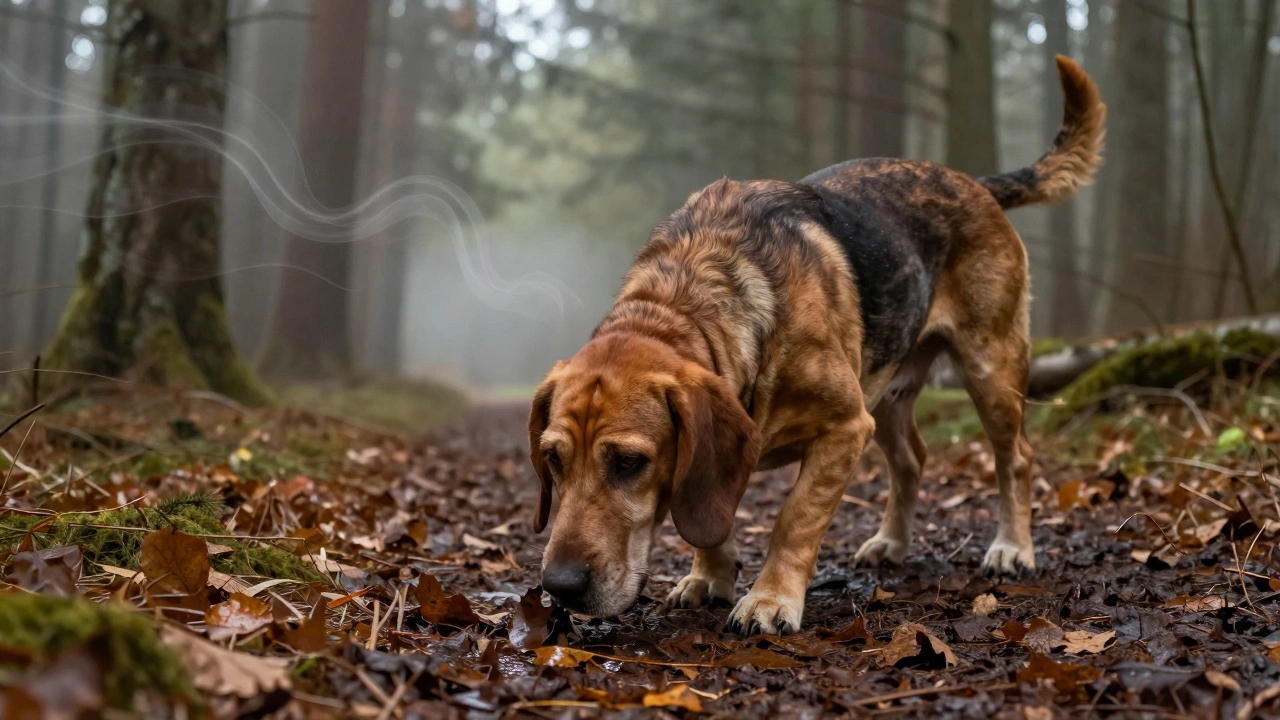
Not all dogs chase things because they’re playful. Some do it because they were bred for it - thousands of years ago. When you look at a greyhound sprinting across a field or a bloodhound trailing a scent through the woods, you’re seeing two very different kinds of hunters. These are hounds, and they fall into two clear groups: sighthounds and scent hounds. Knowing the difference isn’t just interesting trivia - it helps you understand their behavior, training needs, and even how they interact with your home.
What Makes a Hound a Hound?
Hounds are a group of dog breeds originally developed for hunting. Unlike herding dogs or guard dogs, hounds rely on instinct, not commands, to do their job. They’re built for endurance, focus, and speed. But here’s the catch: not all hounds hunt the same way. Some track with their noses. Others chase with their eyes. That’s where the split happens.
Historically, humans didn’t just pick any fast dog and call it a hunter. They selectively bred dogs for specific skills. A dog that could spot a rabbit from 300 yards away and bolt after it? That became a sighthound. A dog that could follow a fox’s trail through rain-soaked brush for hours? That became a scent hound. These differences shaped their bodies, brains, and behaviors - and they still do today.
Sighthounds: The Speed Demons
Sighthounds hunt by sight. They spot movement, lock on, and go. Their whole body is built for one thing: explosive speed. Think of them as the race cars of the dog world.
Look at a greyhound. Long, lean body. Deep chest for lung capacity. Flexible spine that lets them stretch out in a full gallop. Their legs are built for stride, not power. They can hit 45 miles per hour in just a few strides. That’s faster than most cars in a neighborhood.
Other sighthounds include the Afghan hound, Irish wolfhound, Saluki, and Borzoi. Each has slight variations - some have long coats for cold climates, others are built for desert heat - but they all share the same hunting style. They don’t follow scent trails. They don’t circle or backtrack. They see prey, they chase, they catch. If they don’t see it, they lose interest fast.
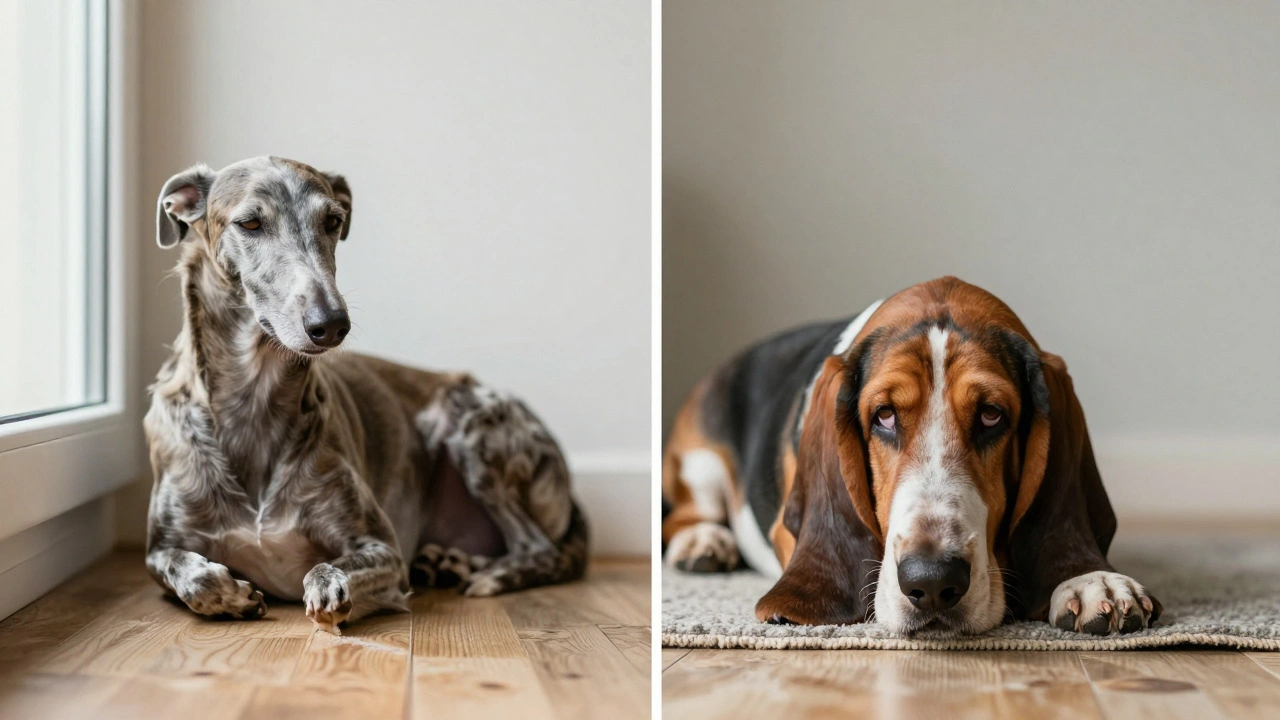
This is why sighthounds often seem aloof indoors. They’re not ignoring you - they’re conserving energy. Their natural state is calm until something moves. A squirrel darting across the yard? That’s a trigger. A leaf blowing in the wind? That’s a distraction. You can’t train them out of this. It’s wired into them.
Scent Hounds: The Trackers
Scent hounds hunt with their noses. Their olfactory system is so advanced, they can follow a trail that’s days old, even over water or through heavy rain. A bloodhound’s nose has over 300 million scent receptors. Humans? About 5 million. That’s not a slight advantage - it’s a whole different sense.
These dogs have long, floppy ears that sweep scent particles toward their nostrils. Their skin hangs loose around the neck and face, trapping scent molecules like a living air filter. Their chests are broad, lungs huge, and their pace is steady - not fast, but relentless. They move at a slow trot, nose to the ground, following a trail like a GPS with a heartbeat.
Common scent hounds include the beagle, basset hound, coonhound, and harrier. Each has a specialty. Beagles are used for tracking small game and even detecting contraband at airports. Basset hounds were bred to track rabbits in thick brush. Coonhounds climb trees to corner raccoons. They don’t just follow scent - they interpret it, layer by layer.
Scent hounds are persistent. Once they pick up a trail, they’ll follow it for miles. They don’t care if you call them. They don’t care if you’re late for work. They’re on a mission. That’s why many scent hounds are notorious escape artists. If they catch a scent on the wind, they’ll slip through a fence, jump a gate, or dig under a wall. No amount of training will change that instinct.
Key Differences at a Glance
| Feature | Sighthounds | Scent Hounds |
|---|---|---|
| Hunting Method | Visual tracking - spot and chase | Scent tracking - follow trail |
| Speed | Very fast (up to 45 mph) | Slow to moderate (steady trot) |
| Endurance | Short bursts | Long-distance persistence |
| Physical Build | Lean, deep-chested, long legs | Broad chest, droopy ears, loose skin |
| Focus | High when movement is seen | High when scent is detected |
| Indoor Behavior | Calm, quiet, low energy | Relaxed but prone to howling |
| Training Difficulty | Hard to recall - easily distracted by motion | Hard to recall - easily distracted by scent |
Which One Fits Your Life?
If you live in a small apartment with no yard, a sighthound might be easier. They’re quiet, sleep a lot, and don’t need constant walks. A greyhound, for example, can be perfectly happy with two 20-minute walks a day. But you’ll need a secure fence - they’ll sprint through a garden gate if they see a cat.
If you have a big yard and don’t mind a dog that howls at the moon or disappears into the woods for an hour, a scent hound might be your match. Beagles are popular family pets, but they’re notorious for wandering off if they catch a scent. You’ll need a leash, a fence, and patience.
Neither type is good for off-leash walks in open areas. Neither will come when called if something catches their attention. That’s not disobedience - it’s biology. You can’t train a bloodhound to ignore a raccoon trail any more than you can train a cat to stop chasing laser dots.
What You Need to Know Before You Adopt
If you’re considering a hound breed, here’s what really matters:
- They’re not obedience dogs. They don’t work for praise. They work because they’re driven.
- They need mental stimulation. A sighthound needs to run. A scent hound needs to sniff. Puzzle toys won’t cut it. Try scent games or secure open-space runs.
- They bond deeply. Once they trust you, they’re loyal to a fault. But they don’t crave constant attention like a Labrador.
- They’re quiet when calm. No barking, no whining - unless they’re on a trail. Then, it’s a chorus.
- They’re not for first-time owners. If you expect a dog that listens to every command, stick with a herding or working breed.
Many shelters have retired racing greyhounds or rescue scent hounds. They’re often gentle, calm, and surprisingly easy to live with - once you understand their nature. The key isn’t changing them. It’s working with them.
Final Thought: Respect the Instinct
These dogs didn’t evolve to please us. They evolved to survive - to run, to track, to hunt. When you live with a sighthound or a scent hound, you’re not just owning a pet. You’re sharing your home with a creature shaped by centuries of natural selection. The best thing you can do? Let them be who they are. Give them space to run. Let them sniff. Protect them from themselves. And in return, you’ll get a quiet, loyal, deeply bonded companion unlike any other.
Are sighthounds good with other pets?
It depends. Sighthounds have a strong prey drive, so they may chase cats, rabbits, or small dogs. Many can live peacefully with household pets if introduced young and properly supervised. But never assume they’re safe off-leash around small animals. Rescue organizations often test greyhounds for cat compatibility before adoption.
Can scent hounds be trained not to follow trails?
Not completely. Their instinct to follow scent is biological, not learned. You can teach them to respond to commands like "leave it" or "come" - but only if you’re consistent and use high-value rewards. Even then, if they catch a strong scent, they may ignore you. That’s why secure fencing and leashes are non-negotiable.
Do sighthounds need a lot of exercise?
They need bursts of speed, not long walks. Two 20-minute sprints in a fenced yard or on a leash are enough for most. Too much walking can bore them. Too little running can lead to restlessness. Think of it like a sprinter - they don’t run marathons. They explode.
Why do scent hounds howl?
It’s communication. When a scent hound picks up a trail, they howl to signal to other dogs or their handler. It’s a natural behavior, not a problem. Some breeds, like coonhounds, are especially vocal. You can’t stop it - but you can manage it with training and by understanding what triggers it.
Are hounds hypoallergenic?
No. Neither sighthounds nor scent hounds are hypoallergenic. While some, like the Afghan hound, have long hair, they still shed dander. All dogs produce allergens in saliva and skin. If allergies are a concern, spend time with the breed before adopting - and consider air purifiers and regular grooming.