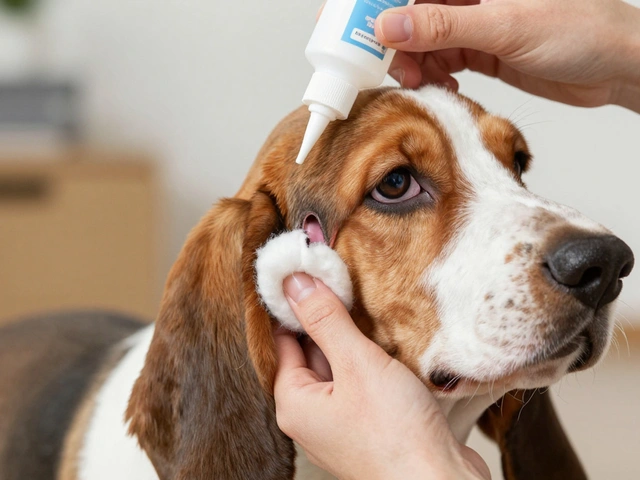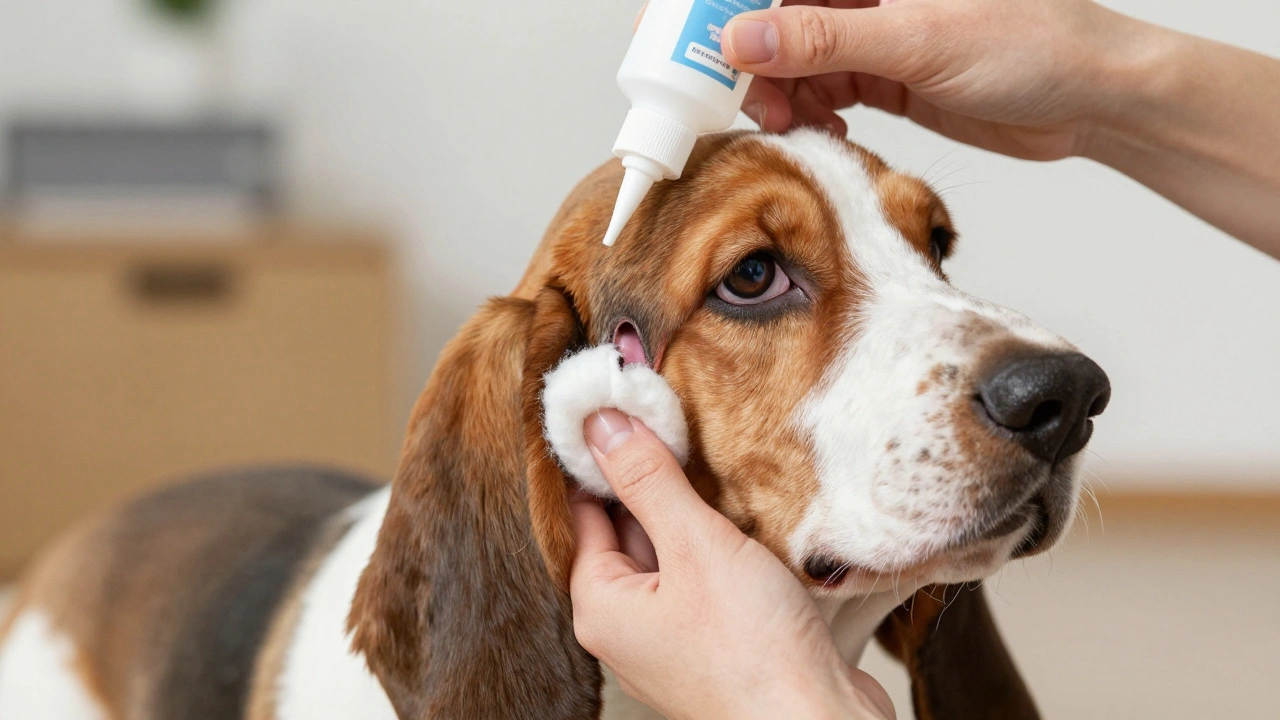
Most puppy owners don’t realize how much trouble floppy ears can cause. Unlike dogs with upright ears, breeds like Basset Hounds, Cocker Spaniels, and Shih Tzus trap moisture, dirt, and wax deep inside their ear canals. Left unchecked, this leads to infections, itching, and even hearing loss. The good news? Simple, regular ear care can stop most problems before they start.
Why Puppy Ears Need Special Attention
Puppies have sensitive skin and developing immune systems. Their ear canals are narrow, curved, and prone to buildup. A healthy puppy ear should look pink, dry, and smell faintly neutral-like clean skin. If you notice redness, swelling, a sour or yeasty odor, or if your pup keeps shaking their head or scratching at their ears, something’s wrong.
Ear infections in puppies are often caused by yeast (like Malassezia) or bacteria (like Staphylococcus). Moisture from swimming, bathing, or even just humid weather creates the perfect breeding ground. Allergies also play a big role-food or environmental triggers can make ears inflamed and sticky. One study from the Journal of Veterinary Dermatology found that over 60% of recurrent ear infections in dogs under one year old were linked to underlying allergies.
How Often Should You Clean Your Puppy’s Ears?
Don’t clean daily. Over-cleaning strips natural oils and irritates the skin. For most puppies, once a week is enough. If your pup swims often, has floppy ears, or has a history of infections, clean every 3-4 days. Use a vet-approved ear cleaner, not water, hydrogen peroxide, or alcohol. These can burn delicate tissue.
Here’s a simple rule: If their ears look clean and smell fine, skip the clean. If they look waxy, slightly dirty, or smell off, it’s time. Always check after baths or pool time.
Step-by-Step Ear Cleaning Guide
- Choose a quiet, calm moment. Don’t rush. If your puppy is wiggly, try after a walk or nap.
- Get your supplies ready: ear cleaner (vet-recommended), cotton balls or pads (never Q-tips), and treats.
- Gently lift the ear flap to expose the ear canal. Don’t pull hard-just enough to see inside.
- Squeeze a few drops of cleaner directly into the ear canal. Don’t stick the bottle tip in. Just hover over the opening.
- Gently massage the base of the ear for 20-30 seconds. You’ll hear a squishing sound. This loosens debris.
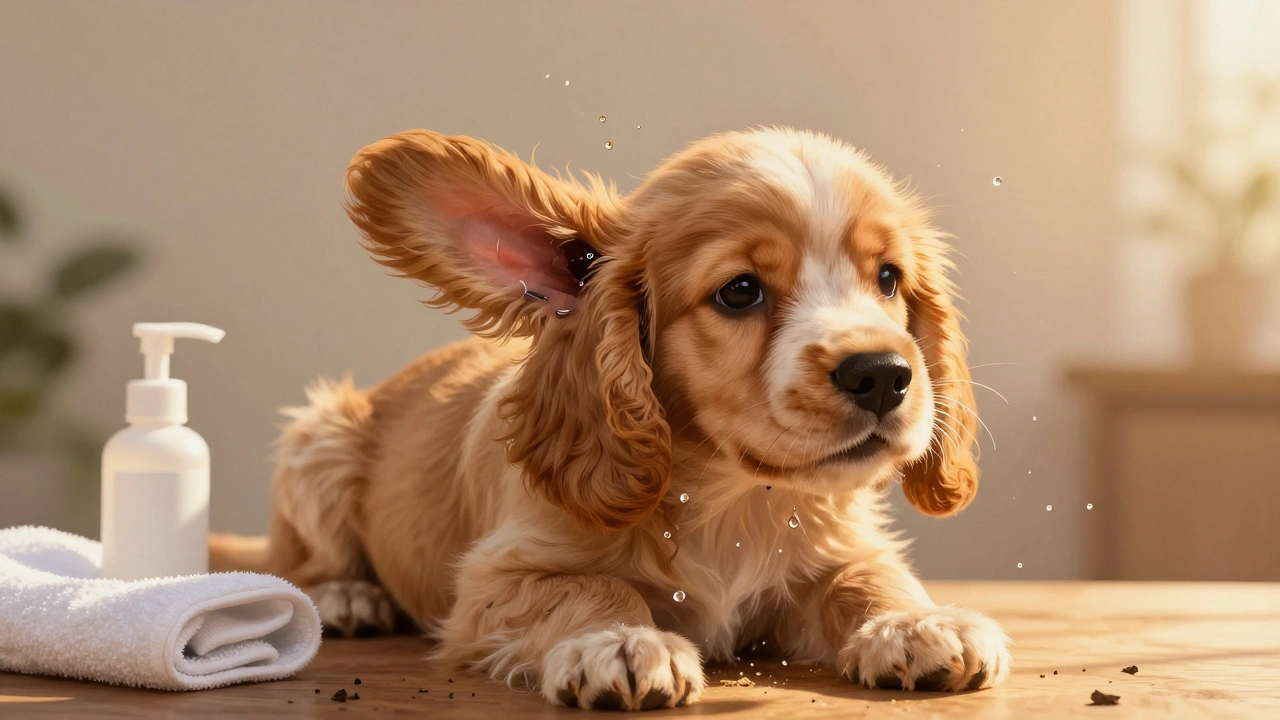
- Let your pup shake their head. That’s natural-they’ll eject excess cleaner and gunk.
- Use a cotton ball to wipe the outer ear and visible canal. Don’t poke deep. Only clean what you can see.
- Reward with a treat and praise. Make it positive so they don’t dread it next time.
Never insert anything into the ear canal. Cotton swabs can push wax deeper or puncture the eardrum. Even the tip of a cotton ball should never go past the first curve.
Signs of an Ear Infection
Early detection saves your puppy from pain and vet bills. Watch for these red flags:
- Head shaking or tilting
- Scratching at ears with paws or rubbing on furniture
- Dark brown, yellow, or bloody discharge
- Strong, sour, or sweet odor
- Red, swollen, or warm ear flap
- Loss of balance or walking in circles
- Refusing to eat or yelping when ears are touched
If you see any of these, call your vet. Don’t try home remedies like apple cider vinegar or tea tree oil. They can make things worse. Infections need prescription medication-antibiotics, antifungals, or anti-inflammatories. Left untreated, chronic infections can damage the ear canal permanently.
Preventing Future Infections
Prevention is easier than treatment. Here’s what works:
- Dry ears after swimming or rain. Use a soft towel or a gentle blow dryer on low heat, held at least 12 inches away.
- Trim hair around the ear canal. Long hair traps moisture. Ask your groomer to pluck or trim excess hair every 4-6 weeks.
- Check for allergies. If your puppy has itchy skin, paw licking, or recurring ear issues, talk to your vet about food trials or allergy testing.
- Use ear-drying drops after baths. Many vets sell solutions with drying agents like acetic acid. They help prevent yeast growth.
- Keep your home clean. Dust, pollen, and mold can trigger allergic reactions that show up in the ears.
Some breeds need extra care. Basset Hounds, for example, have deep ear canals and long, heavy ears that block airflow. For them, cleaning twice a week and using drying drops after every swim is standard. Poodles and Shih Tzus need regular hair removal to prevent blockages.
What Not to Do
Here are common mistakes that make ear problems worse:
- Using Q-tips inside the ear canal
- Cleaning with water, hydrogen peroxide, or alcohol
- Ignoring early signs because "it’s just wax"
- Using leftover human ear drops
- Skipping vet visits because you think it’s "just an itch"
Human ear drops often contain steroids or antibiotics that are unsafe for dogs. Even a few drops can cause serious side effects. Always use products made for dogs.
When to See the Vet
You don’t need to run to the vet every time you see a little wax. But if cleaning doesn’t help, or symptoms get worse, don’t wait. Chronic ear infections can lead to:
- Thickened, scarred ear canals
- ruptured eardrums
- permanent hearing loss
- neurological issues from inner ear damage
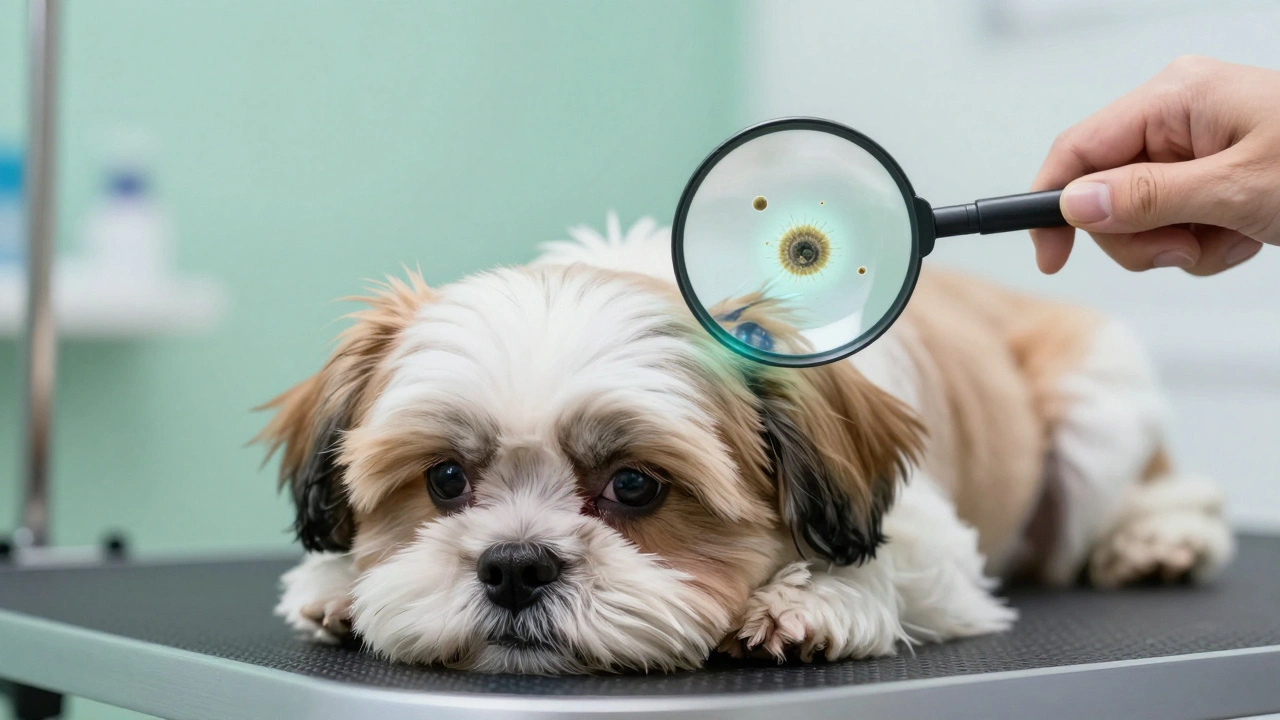
Your vet may do an ear cytology-swabbing the ear and looking at cells under a microscope. This tells them if it’s yeast, bacteria, or both. They might also recommend an allergy test or X-ray if the infection is deep.
Some puppies need ongoing maintenance. Your vet might prescribe a monthly ear cleaner or suggest a hypoallergenic diet. Stick with it. Consistency beats intensity.
Final Tip: Make It Routine
Ear care isn’t a chore-it’s a bonding moment. Do it when you’re relaxed, and your puppy will learn to trust you. Keep a small supply of cleaner and cotton pads in your dog’s grooming bag. Set a weekly reminder on your phone. A few minutes now saves hours of vet visits later.
Healthy ears mean a happy, comfortable puppy. You’ve got this.
How often should I clean my puppy’s ears?
Most puppies need ear cleaning once a week. Breeds with floppy ears or those who swim often may need cleaning every 3-4 days. Always check for odor or discharge-clean only when needed. Over-cleaning can cause irritation.
Can I use water or baby wipes to clean my puppy’s ears?
No. Water doesn’t dry the ear canal and can trap moisture, leading to yeast infections. Baby wipes often contain fragrances or alcohol that irritate sensitive skin. Always use a vet-approved ear cleaner designed for dogs.
What’s the best ear cleaner for puppies?
Look for cleaners with drying agents like acetic acid or alcohol-free formulas with natural ingredients like aloe or green tea extract. Popular vet-recommended brands include Epi-Otic, Virbac Ears, and Douxo S3. Avoid anything with hydrogen peroxide or witch hazel.
My puppy hates ear cleaning. What do I do?
Start slow. Touch their ears gently for a few seconds, then give a treat. Gradually add cleaning steps over several days. Always reward calm behavior. Use high-value treats like chicken or cheese. Never force it-if they’re panicked, stop and try again later. Patience builds trust.
Can ear infections cause hearing loss in puppies?
Yes. Chronic or untreated infections can damage the eardrum or inner ear structures. Scar tissue can narrow the ear canal, and deep infections may affect balance or hearing. Early treatment prevents permanent damage. If your puppy stops responding to sounds, see your vet immediately.