The uncomfortable truth about backyard breeding
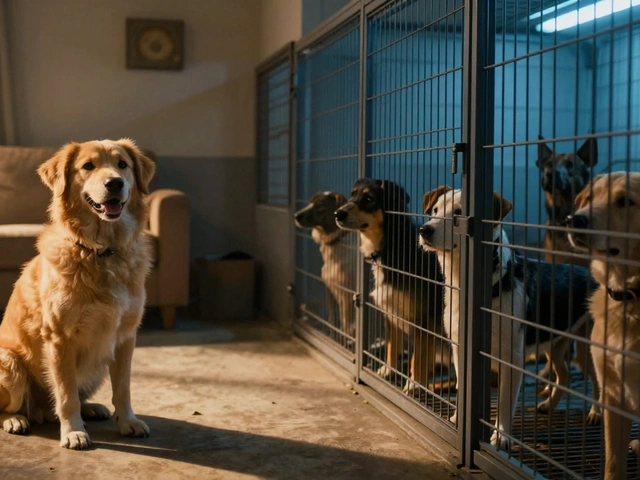
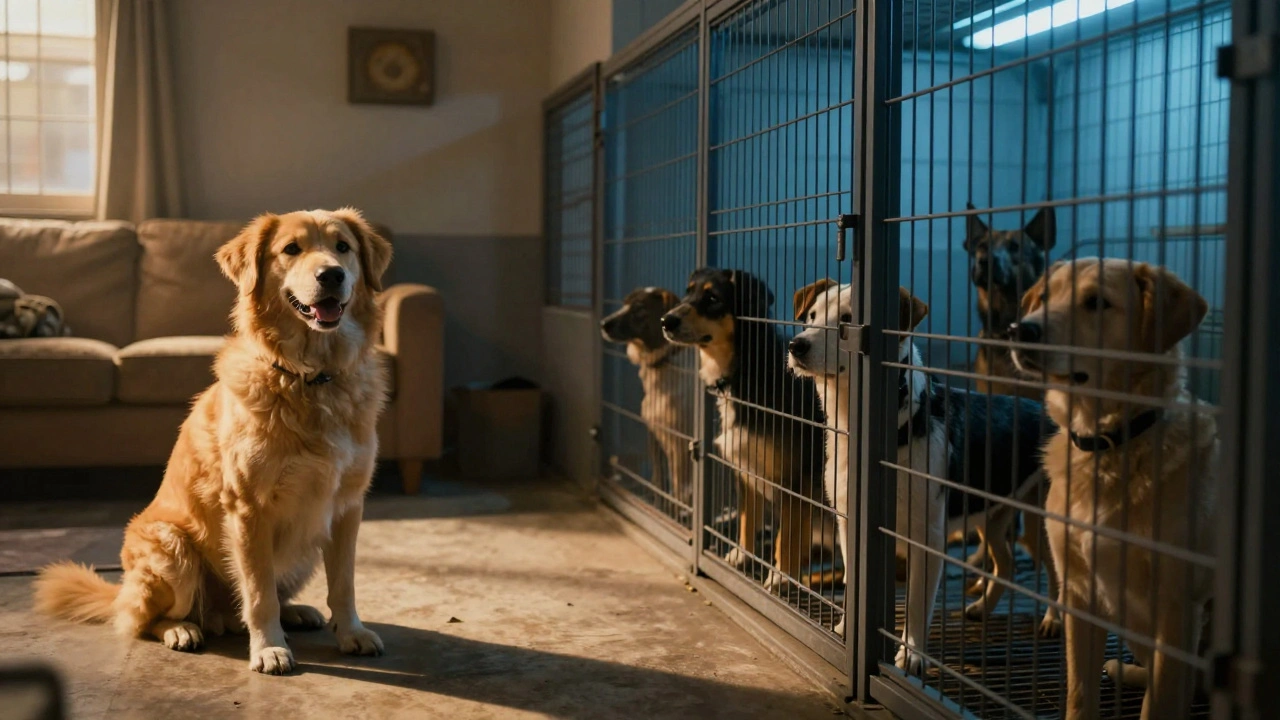
Most people start thinking about breeding their dog because they love their pet and think, "Wouldn't it be amazing for other people to have a dog just like mine?" It sounds sweet, but the reality is often a financial and emotional nightmare. Every single puppy born into a home without a strict plan is a puppy that might take a spot away from a dog in a shelter. In the US alone, millions of dogs enter shelters annually, and many are breed-specific mixes that could have been avoided with more restraint.
Breeding isn't just about putting two dogs together and waiting. It's a high-stakes gamble with biology. If you aren't prepared to handle a puppy with a lifelong genetic defect or a mother who develops eclampsia, you're not just risking your dog's health-you're potentially creating a lifetime of medical bills for a stranger. To do this right, you need to move from the mindset of "having puppies" to the mindset of responsible dog breeding.
Quick Takeaways for Potential Breeders
- Health testing is non-negotiable; a "healthy-looking" dog can still carry lethal recessive genes.
- The cost of breeding usually far outweighs the profit from selling puppies.
- You must have a guaranteed lifelong commitment to every puppy you produce.
- Breed standards are the roadmap, not a suggestion, to prevent physical deformities.
The biological gamble: Health and genetics
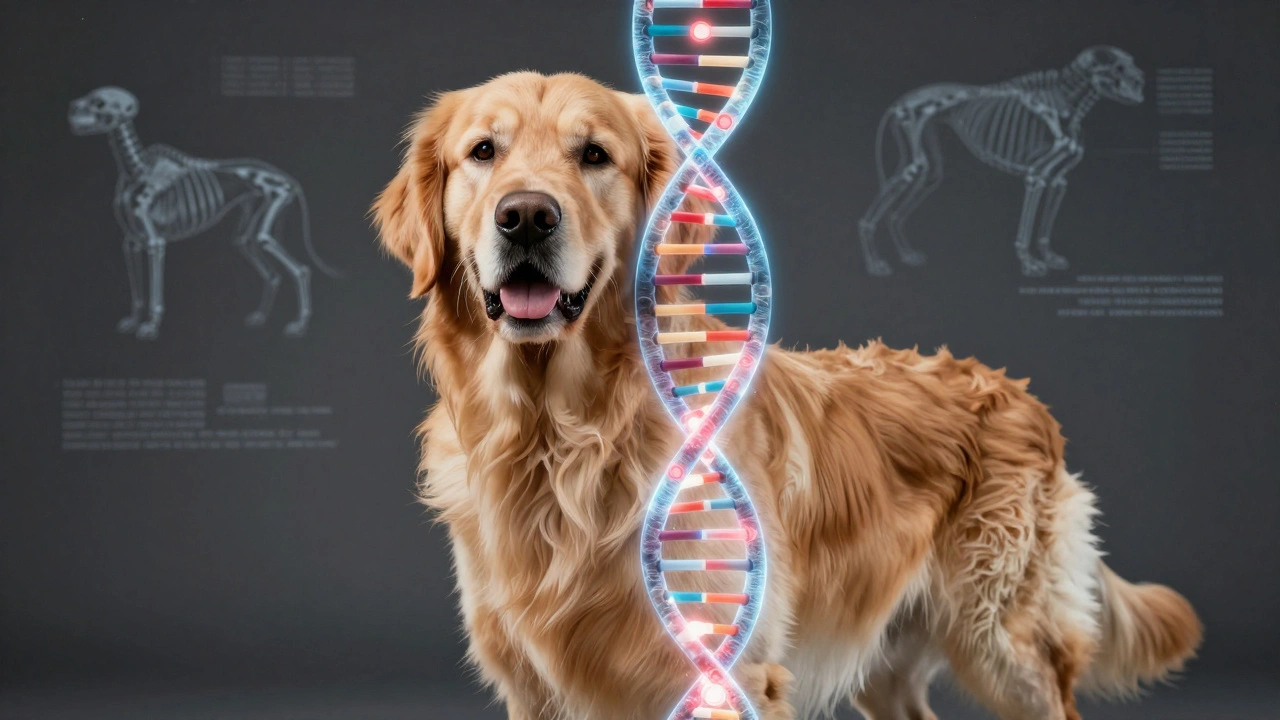
You might think your dog is the picture of health because they run fast and eat everything. But genetics are invisible. This is where Genetic Testing is the process of analyzing a dog's DNA to identify mutations that cause hereditary diseases. For example, if you have a Golden Retriever, you can't just hope they don't have hip dysplasia; you need a certified evaluation.
Take Hip Dysplasia as a concrete example. It's a condition where the hip joint doesn't fit together perfectly, leading to arthritis and pain. A dog can look perfectly normal at age two but be a genetic carrier. If you breed two carriers, you could produce a litter where half the puppies struggle to walk by age three. This is why the Orthopedic Foundation for Animals (OFA) is the gold standard for certifying that a dog's joints are actually healthy before they enter a breeding program.
Beyond joints, you have to consider breed-specific nightmares. Great Danes often face bloat, while Cavaliers might struggle with syringomyelia. If you aren't an expert in the specific medical vulnerabilities of your breed, you're essentially rolling the dice with living creatures.
| Breed Group | Essential Test | What it Prevents/Detects | Required Timing |
|---|---|---|---|
| Large Breeds (Labradors, Shepherds) | OFA Hip/Elbow Score | Joint degradation and lameness | After 2 years old |
| Brachycephalic (Bulldogs, Pugs) | BOAS Assessment | Severe respiratory distress | Pre-breeding physical |
| Sighthounds (Greyhounds) | Heart Screening | Congenital heart defects | Adult stage |
| Small Breeds (Poodles, Terriers) | Patellar Luxation Check | Knee cap dislocation | Young adult |
The financial reality: It's a money pit
Many people think breeding is a way to make extra cash. In reality, a responsible litter is almost always a financial loss. Let's break down the actual costs. First, you have the stud fee-which can range from a few hundred to thousands of dollars depending on the dog's pedigree. Then there are the prenatal vet visits and ultrasound scans to confirm the litter size.
Then comes Whelping. Whelping is the process of giving birth to puppies. If everything goes perfectly, you're spending money on high-calorie food and bedding. But if things go wrong-which they often do-you're looking at an emergency C-section. An emergency C-section on a Sunday night can easily cost $3,000 to $7,000. Does the price of your puppies cover that?
Don't forget the "hidden" costs of the first eight weeks: deworming, first rounds of vaccinations, and the sheer amount of time required. You'll be waking up every three hours to feed neonates for several weeks. If you have a full-time job or children, the stress levels can become unbearable. You aren't just a pet owner anymore; you're a 24/7 neonatal nurse.
Defining the "Perfect" Match
A common mistake is breeding a dog just because they have a great temperament. While a good personality is essential, it's only one piece of the puzzle. You need to look at the Breed Standard. This is a formal description of the ideal physical and behavioral characteristics of a specific dog breed. If your dog is "too small" or has a "wrong" coat type, breeding them might actually push the breed further away from its healthy, functional form.
You also need to evaluate the temperament of both the sire (father) and the dam (mother). If the father has a hint of aggression or the mother is overly anxious, those traits can be amplified in the puppies. You aren't just creating cute animals; you're creating future neighbors. A puppy with behavioral issues caused by poor breeding choices is a tragedy for the new owner and a failure for the breeder.
The ethical commitment: The "Life-Long」 Guarantee
The most important part of responsible breeding happens after the puppies leave your house. A responsible breeder never sells a puppy with a "no return" policy. Instead, they offer a lifetime return policy. This means if the owner moves, loses their job, or can no longer care for the dog ten years from now, the breeder takes the dog back.
Can you handle that? Imagine ten years from now, you're contacted by someone who can't keep the dog you bred. You are now responsible for that dog for the rest of its life. If you aren't prepared to be the safety net for every single puppy you produce, you should not breed. This is the primary difference between a professional breeder and a backyard breeder.
Risk Management and Potential Pitfalls
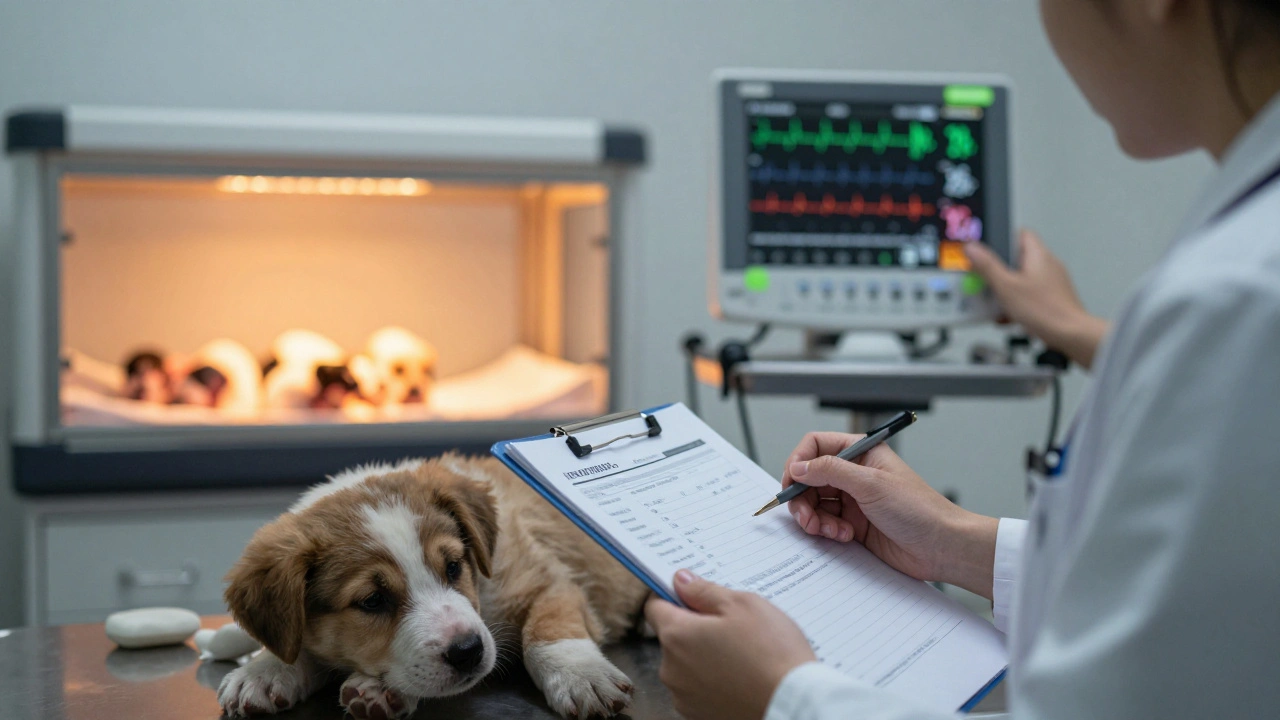
Pregnancy in dogs is not without danger. Pyometra is a life-threatening uterine infection that can occur if a female is not bred or is bred poorly. While not caused by breeding itself, the cycle of heat and mating can sometimes coincide with health crises. Additionally, there is the risk of Eclampsia, a drop in calcium levels during or after nursing that can cause seizures and death if not treated immediately with intravenous calcium.
Then there's the puppy stage. Some puppies are born with "cleft palates," meaning they can't suckle and will starve if you don't notice it within hours. You'll need to learn how to tube-feed a puppy and keep them warm using heat lamps without overheating them. If this sounds overwhelming, that's because it is. It requires a level of dedication that goes far beyond basic pet ownership.
Is it okay to breed my dog just once for the experience?
Generally, no. Breeding "for the experience" is the hallmark of backyard breeding. Without extensive health testing and a plan for the puppies' entire lives, you are risking the health of the mother and the quality of life of the puppies. One litter can produce several dogs with genetic issues that will affect them for 15 years.
How do I find a reputable stud dog?
Look for a stud that has documented health clearances (like OFA or PennHIP) and a proven pedigree. Avoid any stud owner who says "he's healthy, he's never been sick." Health is about genetics, not just the absence of current illness. Ask for the actual certificates and verify them with the issuing organization.
What is the difference between a "preservation breeder" and a "backyard breeder"?
A preservation breeder focuses on improving the health, temperament, and structure of the breed according to a standard, often using science and data. A backyard breeder typically breeds for profit or "cuteness," often ignoring health testing and offering no long-term support for the puppies produced.
Can I breed my dog if they are a mixed breed?
While you can, it's ethically difficult. Without a breed standard, it's hard to know what you're improving. You also run a higher risk of unpredictable health issues since you don't have a clear map of the genetic predispositions of the mix. Most rescues strongly advise against breeding mixed-breed dogs due to the existing overpopulation of shelter pets.
What are the signs that a puppy needs emergency vet care during whelping?
Warning signs include the mother straining for more than 30-60 minutes without a puppy emerging, a significant gap (more than 2 hours) between puppies, or a greenish discharge without a puppy being born. These can indicate dystocia (difficulty giving birth) and require immediate veterinary intervention to save the litter.
Next Steps for the Conscious Owner
If you're still feeling the pull to breed, your first step isn't finding a mate-it's finding a mentor. Connect with a reputable breeder in your area and ask if you can shadow them during a whelping period. You'll quickly see the blood, the sweat, and the sleepless nights involved.
Next, invest in the health tests. Even if you decide not to breed, knowing your dog's genetic markers is valuable for their own care. If you find that your dog isn't a genetic goldmine, you've just saved yourself and a dozen puppies from a lifetime of medical struggles. If you do decide to move forward, build a "puppy fund" that can cover a $5,000 emergency vet bill without blinking. Only then can you call your approach responsible.