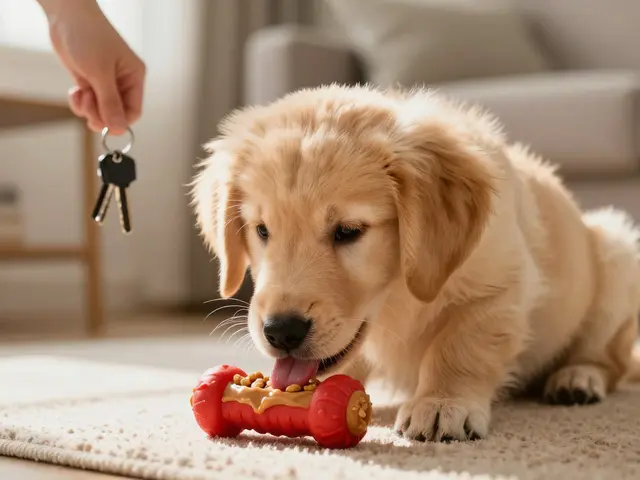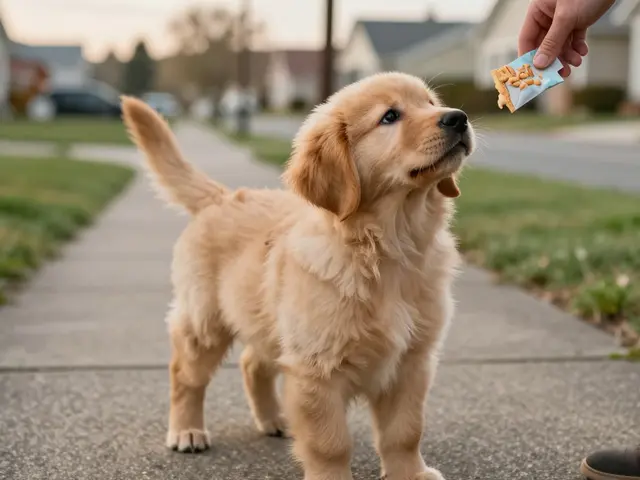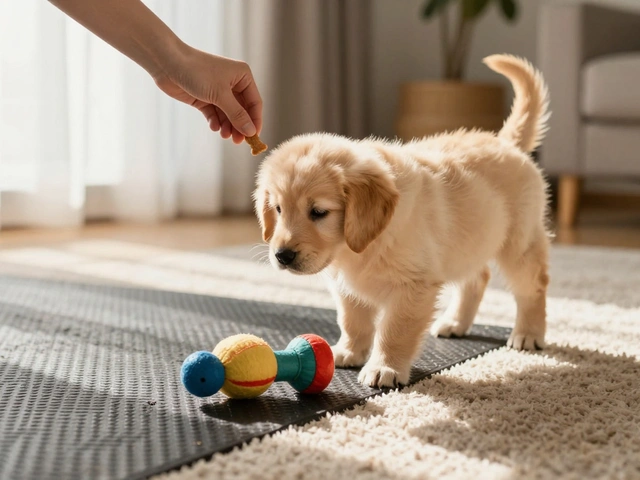
Walking your new puppy down the street feels like a victory lap. But stepping into a crowded park or a busy grocery store is where things get tricky. You want them to be confident, not fearful. The goal of puppy socialization isn't just exposure; it's controlled, positive experiences that build trust in their environment.
Many owners make the mistake of rushing into high-traffic areas before their puppy’s immune system is ready. Others keep them home too long, leading to reactive behaviors later. The sweet spot lies in understanding the balance between safety and stimulation. Let’s break down how to navigate parks, stores, and public spaces without turning your walk into a stress test for both of you.
Timing It Right: Vaccinations and Risk Assessment
Before you step outside the house, check your vet’s records. Puppies are most vulnerable to parvovirus until they have completed their core vaccine series, typically around 16 weeks of age. This doesn’t mean they must stay indoors in a bubble, but it does mean you need to be selective about where you go.
Vaccination Schedule is a timeline of immunizations that protects puppies from common diseases like distemper, parvo, and rabies. During the gap between vaccines, avoid places with unknown dog traffic, like public dog parks. Instead, focus on "safe" environments where hygiene is controlled or where other dogs are known to be vaccinated.
- Weeks 8-10: Home and quiet neighborhood walks. Focus on sounds (traffic, doors) and surfaces (grass, pavement).
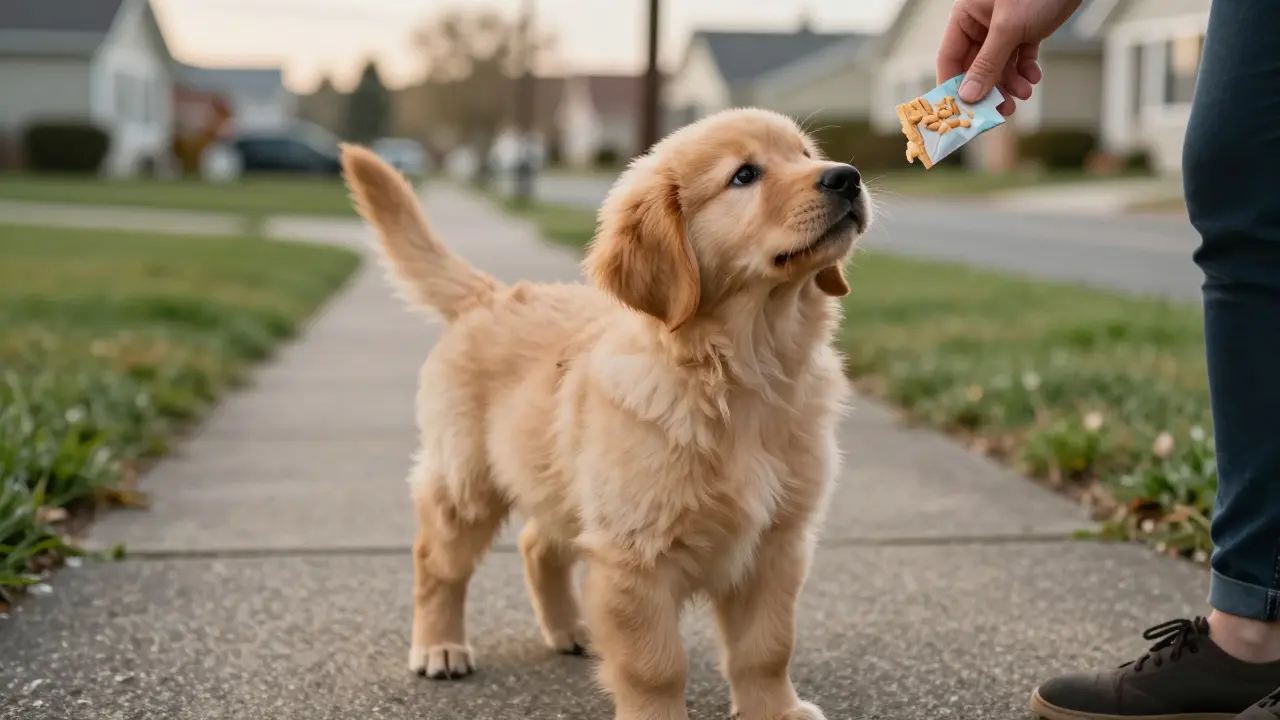
- Weeks 10-14: Controlled visits to pet-friendly stores or quiet parts of parks. Bring treats.
- After 16 weeks: Full access to dog parks and group classes once final boosters are done.
The Park Strategy: Not All Grass Is Equal
A dog park is not the same as a public park. A dedicated off-leash area is a high-stimulation zone with unpredictable dog behavior. For a young puppy, this can be overwhelming. Instead, look for large, open green spaces where you can keep your pup on a loose leash or use a long line.
Dog Parks are designated areas for off-leash dog exercise and social interaction. While great for adult dogs, they require caution for puppies. Look for parks with separate small-dog sections or times when the crowd is thin. Avoid peak hours if your puppy is shy. If you do enter an off-leash area, watch body language closely. Stiff bodies, fixed stares, or low growls are signs to step back.
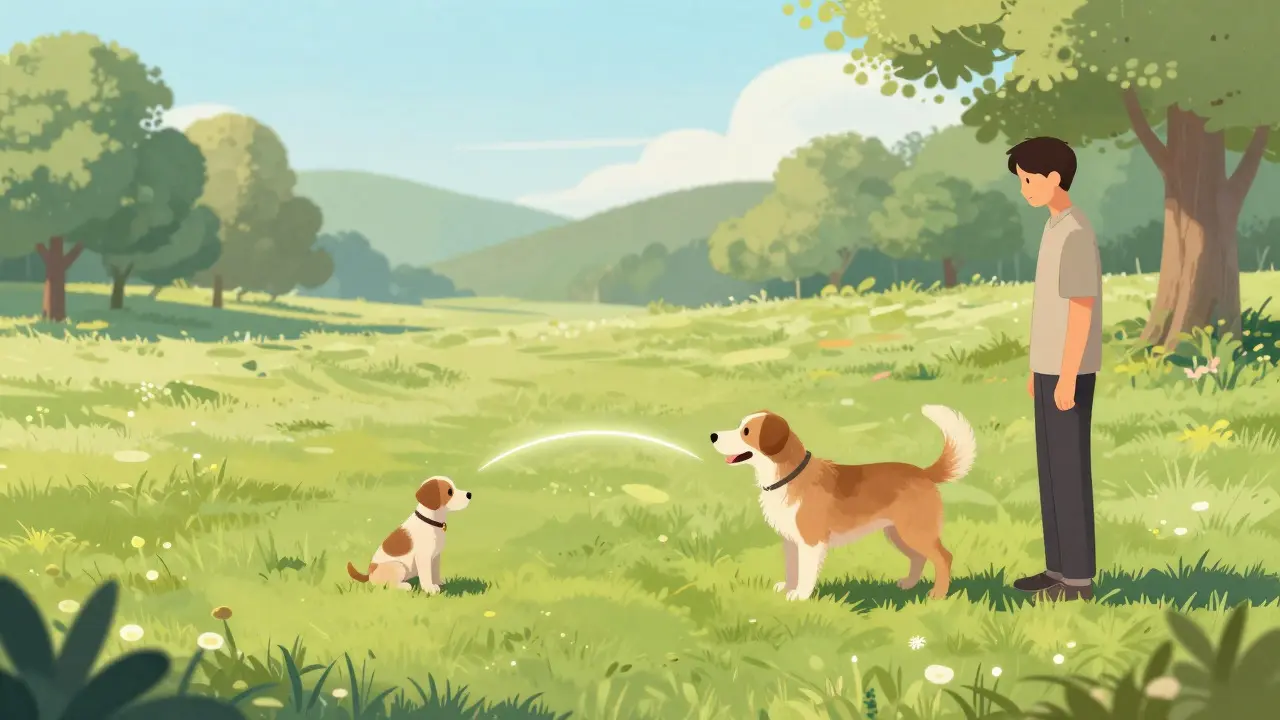
When at a regular park, practice "check-ins." Call your puppy’s name and reward them for looking at you. This builds recall, which is vital for safety. If another dog approaches, let your puppy choose whether to engage. Don’t force interactions. Forced play can lead to fear or aggression.
Stores and Errands: Real-World Training Grounds
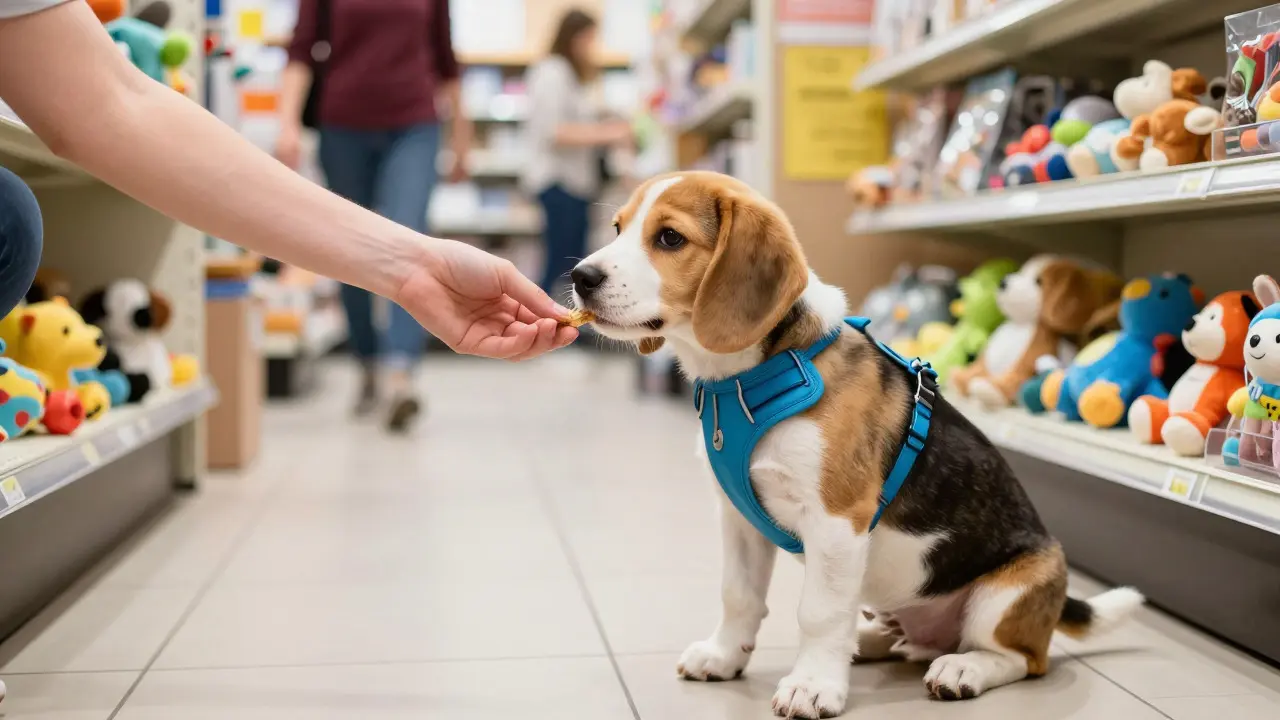
Grocery stores, coffee shops, and pet supply stores are excellent for building confidence in human-centric environments. These places offer a variety of smells, sounds, and visual stimuli that prepare your puppy for city life.
Pet-Friendly Stores are retail locations that allow leashed dogs inside, providing opportunities for socialization with humans and objects. Start with short trips. Go during off-peak hours if possible. Sit on the floor or a bench while your puppy watches people pass by. Reward calm behavior with high-value treats. If they whine or pull, don’t punish them; just increase the distance from the stimulus and try again later.
| Location Type | Risk Level (Pre-Vaccine) | Socialization Value | Best For |
|---|---|---|---|
| Home Neighborhood | Low | Medium | Basic obedience, sound desensitization |
| Pet-Friendly Store | Low-Medium | High | Human interaction, object tolerance |
| Public Park (Leashed) | Medium | High | Dog-to-dog observation, recall training |
| Off-Leash Dog Park | High | Very High | Advanced social skills (Post-Vaccine only) |
Safe Rules: Managing Stress and Overwhelm
Socialization fails when it becomes a trauma session. Your job is to manage the intensity. Use the "Threshold Rule": if your puppy is staring, freezing, or trembling, you are too close. Move away. Give them space to reset. Then, slowly approach again.
Always carry a treat pouch. Keep it accessible. When something scary happens-a loud truck, a fast-moving jogger-reward your puppy for staying calm. This teaches them that new things often lead to good outcomes.
Keep sessions short. Ten to fifteen minutes of focused socialization is better than an hour of dragging a tired, stressed puppy around. End on a positive note. Leave before they get bored or anxious.
Reading Body Language: What Your Puppy Tells You
Puppies communicate through subtle cues. A wagging tail doesn’t always mean happiness; it can indicate excitement or tension. Look at the whole body. Relaxed ears, soft eyes, and a loose posture mean comfort. Tucked tail, raised hackles, or lip licking mean stress.
If your puppy avoids eye contact with another dog, give them space. Forceful eye contact can be seen as challenging. Let your puppy sniff at their own pace. Sniffing is how dogs gather information. Interrupting it can cause frustration.
Common Mistakes to Avoid
One big error is assuming all dogs are friendly. Some adult dogs are territorial or fearful. Always ask permission before letting your puppy interact with an unfamiliar dog. Another mistake is over-rewarding bad behavior. If your puppy jumps up, ignore them until all four paws are on the ground. Consistency is key.
Don’t skip the boring stuff. Practice sitting, staying, and coming when called in these new environments. Obedience commands give you control tools when things get chaotic. A well-trained puppy is a safer puppy in public spaces.
Frequently Asked Questions
Can I take my puppy to a dog park before all vaccines?
Generally, no. Off-leash areas have high exposure risks for parvovirus. Wait until your puppy has completed their full vaccination series, usually around 16 weeks. Before that, stick to leashed walks in low-risk areas.
How long should puppy socialization sessions last?
Keep them short, around 10 to 15 minutes. Puppies have limited attention spans and energy levels. Short, positive sessions prevent burnout and ensure each experience ends on a happy note.
What if my puppy is afraid of other dogs?
Give them space. Don’t force interactions. Let them observe from a distance. Reward calm behavior. Gradually decrease the distance over time as their confidence grows. Patience is crucial here.
Are grocery stores good for puppy socialization?
Yes, if the store allows leashed dogs. They provide exposure to various people, carts, and noises. Just keep visits brief and reward calm behavior. Avoid crowded aisles if your puppy gets overwhelmed.
How do I know if my puppy is overstimulated?
Look for signs like excessive panting, yawning, lip licking, hiding behind your legs, or freezing. If you see these, remove the puppy from the situation, let them calm down, and try again later with less intensity.