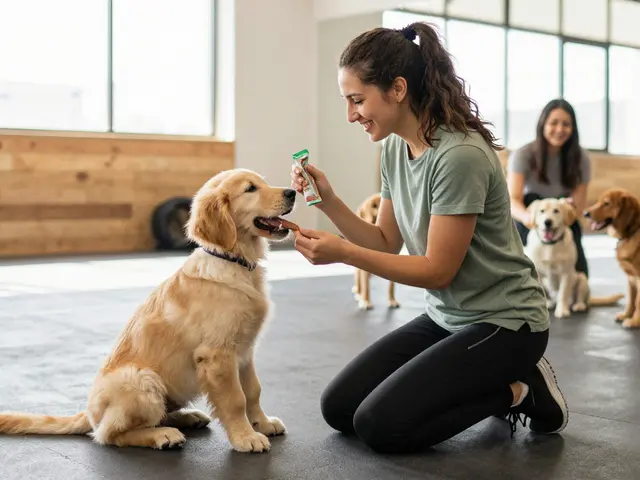
Most dog owners assume that if a puppy is friendly with people and other dogs, they are ready for life. But there is a hidden skill set that gets overlooked: the ability to be alone. Puppy socialization is the process of exposing young dogs to various environments, sounds, and experiences to build confidence. While many focus on making puppies love strangers, fewer realize that teaching them to tolerate absence is just as critical. If you skip this part, you might end up with an adult dog that panics every time you leave the house.
The window for this specific type of socialization is narrow. Puppies are most adaptable between 3 weeks and 14 weeks of age. After that, new experiences can trigger fear rather than curiosity. By integrating "alone time" into your daily routine during these first few months, you lay the groundwork for a calm, independent adult dog. This isn't about ignoring your puppy; it's about teaching them that your departure is normal, boring, and safe.
Why Early Exposure Matters for Independence
Separation anxiety in dogs often stems from a lack of self-regulation. A puppy that has never been left alone doesn't know how to cope with silence or the absence of their primary attachment figure. They rely entirely on external cues to feel secure. When those cues disappear, stress hormones spike, leading to destructive behavior, barking, or soiling accidents.
Separation anxiety is a behavioral condition where dogs become distressed when separated from their owners. It is not just "bad manners." It is a genuine emotional state. The good news? It is far easier to prevent than to treat. Prevention starts with small, controlled absences. You don't need to lock your puppy in a crate for hours. In fact, long periods of isolation too early can backfire. Instead, you want to build a tolerance for being alone through short, frequent sessions.
Think of it like building muscle. You wouldn't lift 100 pounds on day one. You start with light weights and increase gradually. Similarly, you start with leaving the room for 30 seconds, then a minute, then five minutes. Each successful session reinforces the idea that "Mom/Dad will come back, and nothing bad happened while I was alone."
The Art of Boring Departures
One of the biggest mistakes owners make is turning departures into high-drama events. You hug the puppy, say goodbye loudly, rush out the door, and then return ten minutes later to a frantic greeting. Your puppy learns that leaving is exciting but stressful. To prevent this, you need to make departures mundane.
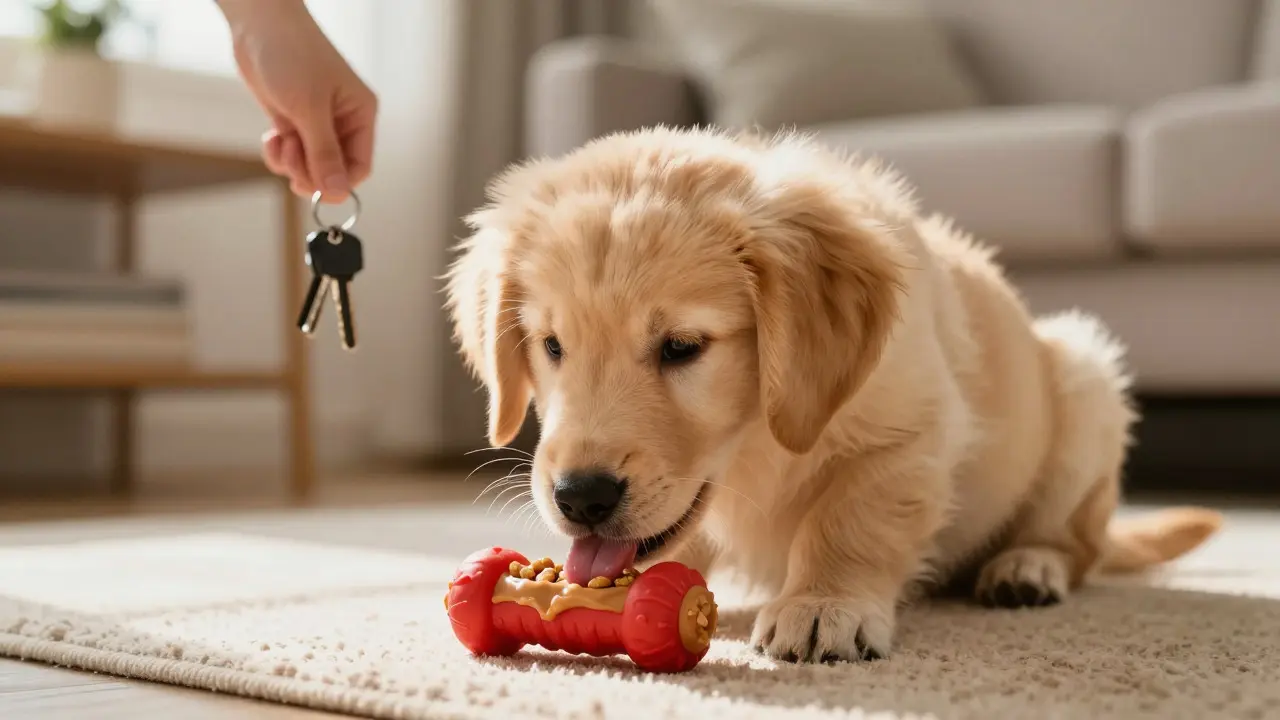
Try this technique: Pick up your keys, put on your shoes, and stand by the door. Then, sit back down. Do it again. Walk to the door, open it, look outside, and close it. Repeat this three or four times a day without actually leaving. This desensitizes your puppy to the pre-departure cues. When you finally do leave, the ritual won't signal panic because they have seen you do it dozens of times without consequence.
Keep greetings low-key too. When you return home, wait a few minutes before interacting with your puppy. Ignore them until they settle down. This teaches them that arrivals are also uneventful. Consistency is key here. If you alternate between big hugs and cold shoulders, your puppy will never learn what to expect.
Crate Training: A Safe Haven, Not a Prison
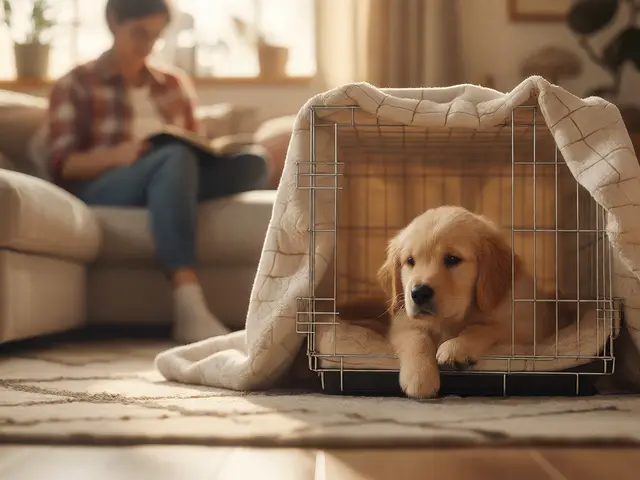
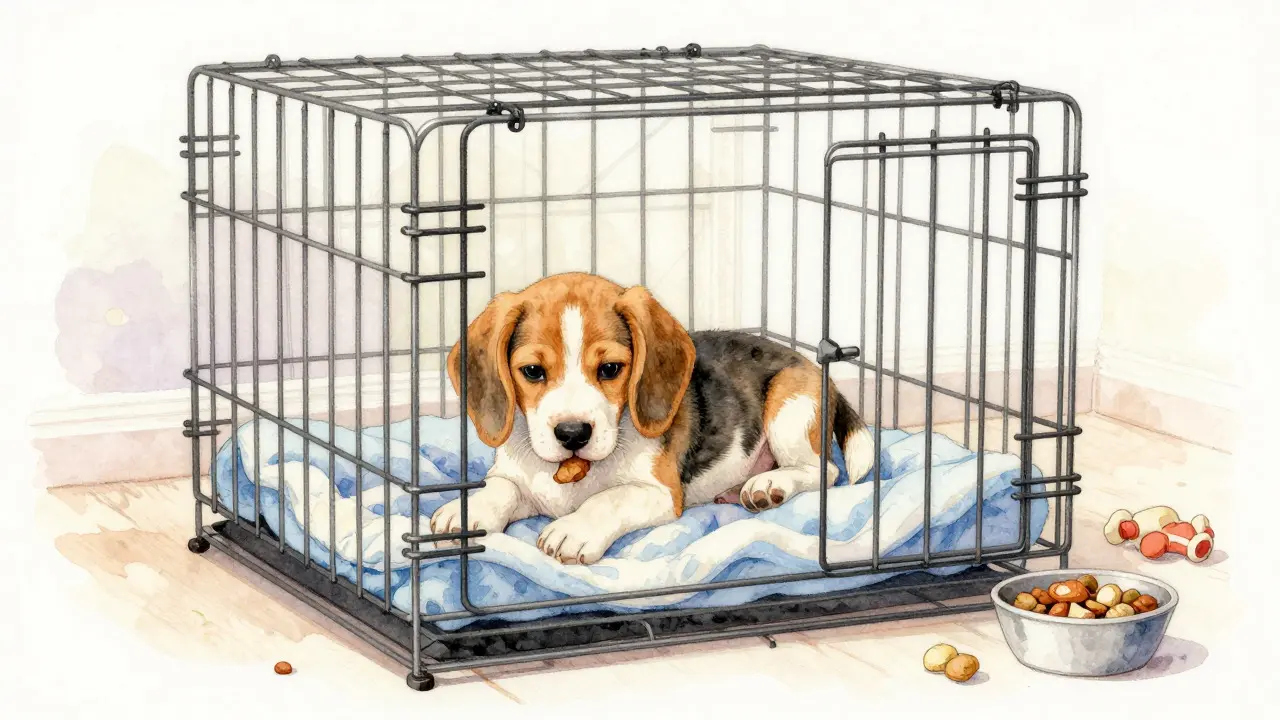
For many puppies, a crate is a confined space that provides security and helps with housebreaking. However, the crate must be associated with positive things, not punishment. If you use the crate only when you leave, your puppy will associate confinement with loneliness. Instead, feed meals inside the crate, give treats there, and play games near it.
Start with the door open. Toss a treat in, let your puppy grab it, and praise them. Gradually close the door for short periods while you are in the same room. Once they are comfortable sleeping in the closed crate with you nearby, you can begin leaving the room. Start with 30 seconds. Increase to two minutes. Then five. The goal is for your puppy to fall asleep in the crate without looking at you. If they whine, wait a moment. If the whining escalates, go back in and shorten the duration. You want success, not endurance.
A well-crated puppy feels protected. The walls block visual stimuli that might cause stress. For puppies who are naturally anxious, the crate acts as a den. For confident puppies, it provides structure. Either way, it supports the goal of independence.
Mental Stimulation Before You Leave
Tired dogs are happy dogs. A puppy with pent-up energy is more likely to bark or chew when left alone. Before you step out the door, engage your puppy in a short play session or a training game. Ten minutes of fetch or a quick obedience drill can burn off excess energy. But don't overdo it. You want them relaxed, not exhausted.
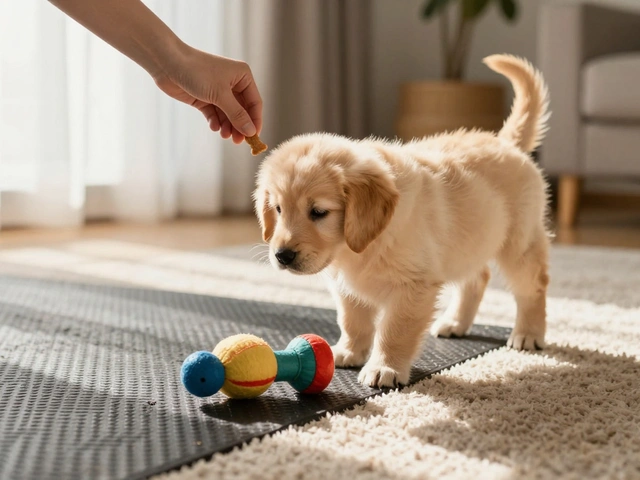
Then, provide a food puzzle. Kibble stuffed in a Kong toy is a durable rubber toy designed to hold food and slow down eating is a classic tool for this. Freeze it with some wet food or peanut butter inside. The effort required to get the food out keeps their brain busy. This shifts their focus from "Where is my human?" to "How do I get this treat?" Mental fatigue is just as important as physical fatigue when it comes to calming a puppy down.
Variety matters. Rotate different toys and puzzles so they don't get bored. If a toy becomes predictable, its value drops. Keep a stash of special toys that only come out when you leave. This creates a positive association with your absence. When the Kong appears, it means something good is happening, even if you aren't there.
Background Noise and Environmental Enrichment
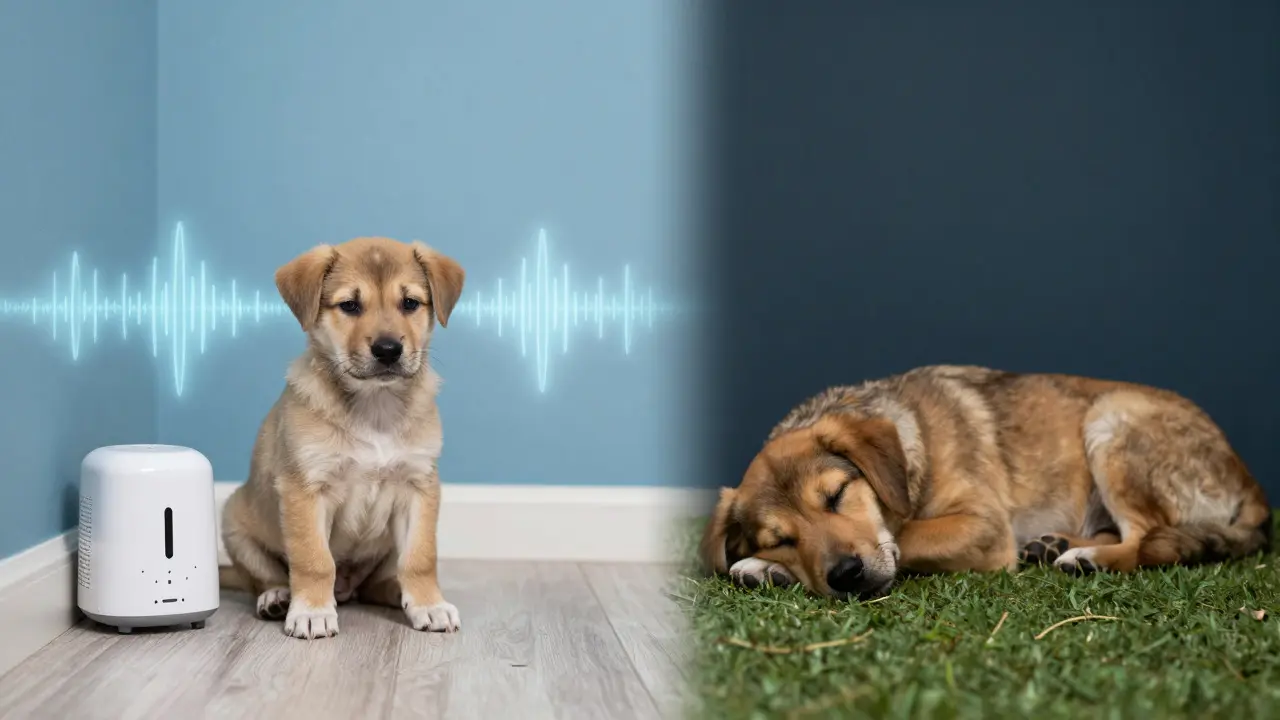
Silence can be unsettling for puppies. They hear every creak of the house, every car passing by, and every neighbor's dog barking. Without context, these sounds can be alarming. White noise or soft music can mask these triggers. Many owners find that classical music or specially composed "calming music for dogs" helps reduce stress levels. Test different audio options at home while you are present to see what your puppy responds to best.
Visual enrichment also plays a role. A window perch where your puppy can watch birds or squirrels can be soothing, provided the view isn't too stimulating. Some puppies become frustrated by watching other dogs they can't reach. Observe your puppy's body language. If they are pacing or staring intensely, maybe the window isn't the right spot. A quiet corner with a bed and a toy is often safer.
Common Mistakes That Backfire
Even well-meaning owners can accidentally worsen separation issues. Here are a few pitfalls to avoid:
- Inconsistent routines: Leaving for five minutes one day and eight hours the next confuses the puppy. Stick to a predictable schedule whenever possible.
- Punishing behavior upon return: If you come home to a mess, resist the urge to scold your puppy. They likely didn't connect the mess to your return. Punishment only increases anxiety.
- Leaving the TV on all day: While background noise helps, constant stimulation can be overstimulating. Use it strategically, not as a permanent blanket solution.
- Ignoring subtle signs: Whining, pacing, or drooling before you leave are early warning signs. Address them with shorter absences, not longer ones.
Another common error is relying solely on technology. Cameras are great for monitoring, but they shouldn't replace proper training. If you see your puppy panicking on camera, don't call out to them. Just note the time and adjust your training plan. Intervening remotely can reinforce the idea that your presence is needed to stop the stress.
Building Confidence Through Controlled Absences
As your puppy grows, gradually increase the length of time you are away. Move from minutes to hours. Introduce variations in your routine. Leave at different times of day. Take different routes when walking. This flexibility prevents your puppy from tying anxiety to specific triggers, like the sound of the mailman or the closing of the front door.
Involve other household members in the process. If only you leave, your puppy may bond exclusively with you. Have family members or friends take turns doing short absences. This broadens the puppy's comfort zone. They learn that multiple people can be trusted, and that absence is a normal part of life regardless of who is present.
By six months, your puppy should be able to handle several hours of alone time comfortably. This foundation makes adolescence much smoother. Puberty brings hormonal changes and increased independence, which can sometimes resurface old anxieties. But if the base is solid, these hiccups are manageable. You've already taught them the core lesson: being alone is safe.
| Strategy | Key Action | Best For | Risk if Misapplied |
|---|---|---|---|
| Boring Departures | Desensitize to keys/shoes rituals | All puppies | Creating false alarms if inconsistent |
| Crate Training | Positive association with confinement | Anxious or destructive puppies | Associating crate with punishment |
| Food Puzzles | Mental engagement via Kongs | High-energy puppies | Overfeeding or boredom if toys rotate poorly |
| Background Noise | Masking environmental triggers | Noisy neighborhoods | Overstimulation if volume is too high |
Frequently Asked Questions
At what age should I start separating my puppy?
You can start micro-separations as soon as your puppy arrives home, typically around 8 weeks old. Begin with leaving the room for 30 seconds while they are playing or eating. The key is to start before they form strong attachment bonds, which usually solidify between 12 and 16 weeks.
Is it okay to leave my puppy alone for 8 hours on workdays?
It depends on the puppy's maturity and training. Most veterinarians recommend no more than 4-5 hours of alone time for puppies under 6 months. If you work 8-hour days, consider hiring a dog walker, using a pet sitter, or working from home initially. Long durations without breaks can lead to bladder issues and increased anxiety.
What if my puppy cries when I leave?
Brief crying is normal, especially in the first few weeks. If it lasts less than 5-10 minutes, ignore it. If it escalates into screaming or destruction, your absence duration is likely too long. Go back in, calm them down, and try a shorter interval next time. Never punish the crying, as it increases fear.
Do I need to use a crate for socialization?
No, a crate is not mandatory. Some puppies prefer freedom in a safe, puppy-proofed area. Others thrive in crates. Observe your puppy's preferences. If they seek out enclosed spaces, a crate works well. If they roam happily, a gated room might be better. The goal is safety and security, not confinement itself.
Can separation anxiety develop later in life?
Yes, secondary separation anxiety can develop due to changes in routine, loss of a companion animal, or medical issues. However, puppies who were properly socialized to be alone are more resilient to these changes. Early prevention builds a buffer against future stressors.