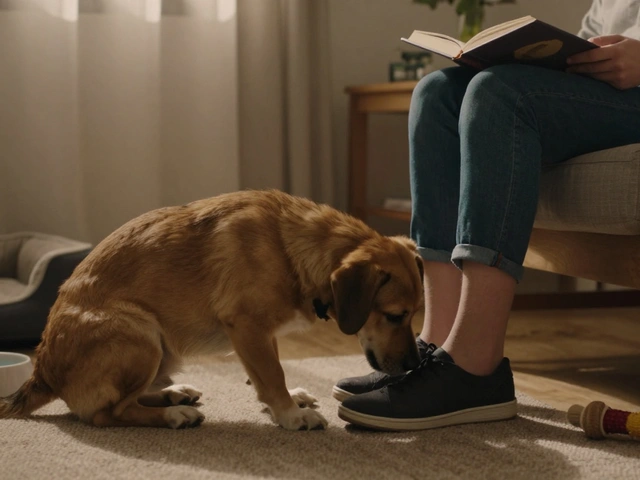
Bringing home a newly adopted dog is exciting, but it’s also one of the most stressful times for both you and your pet. They’ve likely been in a shelter, foster home, or worse - on the streets. Their world has turned upside down. You want them to be calm, well-behaved, and bonded to you. But pushing them too hard too fast? That’s how trust breaks. The first 30 days aren’t about obedience drills. They’re about building a foundation so strong, your dog will choose to listen to you - not because they’re forced to, but because they feel safe.
Day 1-3: Let Them Breathe
Don’t expect them to sit, stay, or even come when called. Right now, they’re processing a new scent, new sounds, new rules. Their heart rate is high. Their eyes are wide. They’re waiting for the next thing to go wrong.
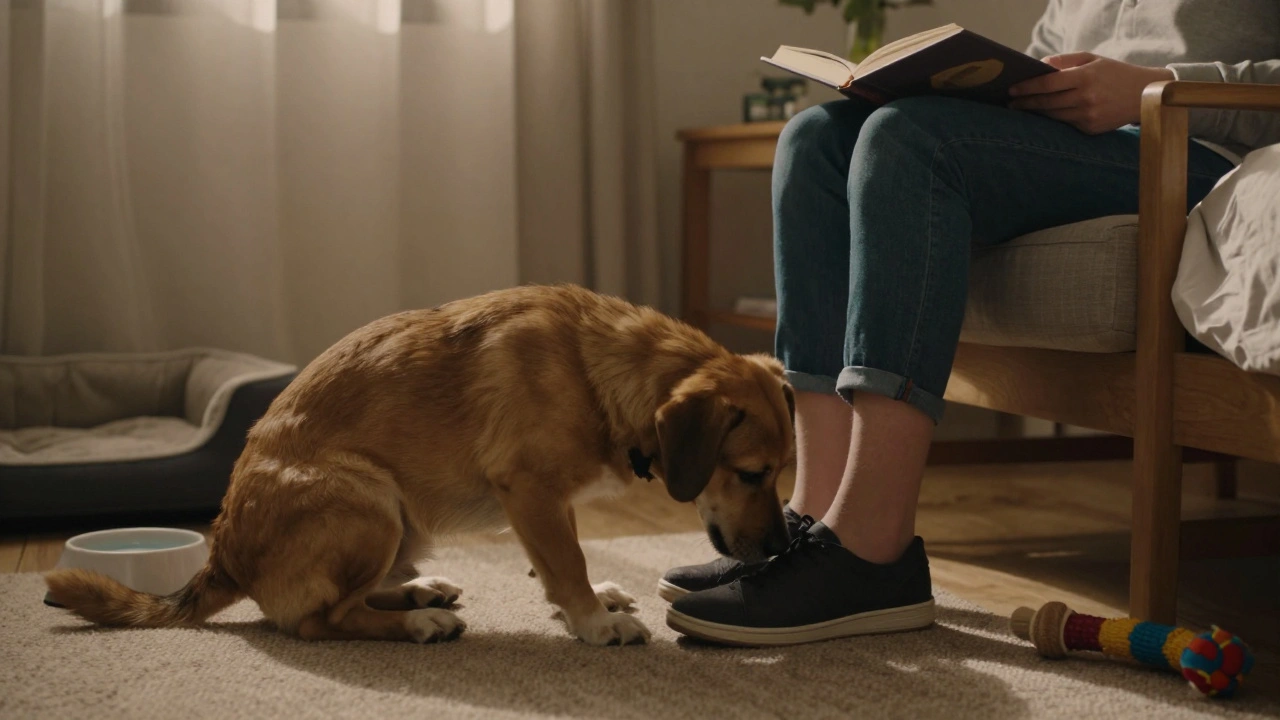
Set up a quiet room with a bed, water, food, and a few toys. No kids, no other pets, no loud TV. Let them explore at their own pace. If they hide under the bed for 12 hours? That’s normal. Don’t pull them out. Don’t coax them with treats. Just sit nearby, read a book, and let your presence become familiar. If they sniff your shoes or lick your hand? That’s progress.
Feed them in the same spot, at the same time. Use the same food they were given at the shelter - sudden diet changes cause stomach issues. If you need to switch food, do it slowly over 7 days. Most shelters feed kibble. Don’t assume they’ll love homemade meals. Stick with what’s familiar until they relax.
Day 4-10: Learn Their Language
Every dog communicates differently. Some bark when scared. Others freeze. Some wag their tail so hard they fall over - but that doesn’t always mean happy. Watch how your dog reacts to noise, strangers, or being touched.
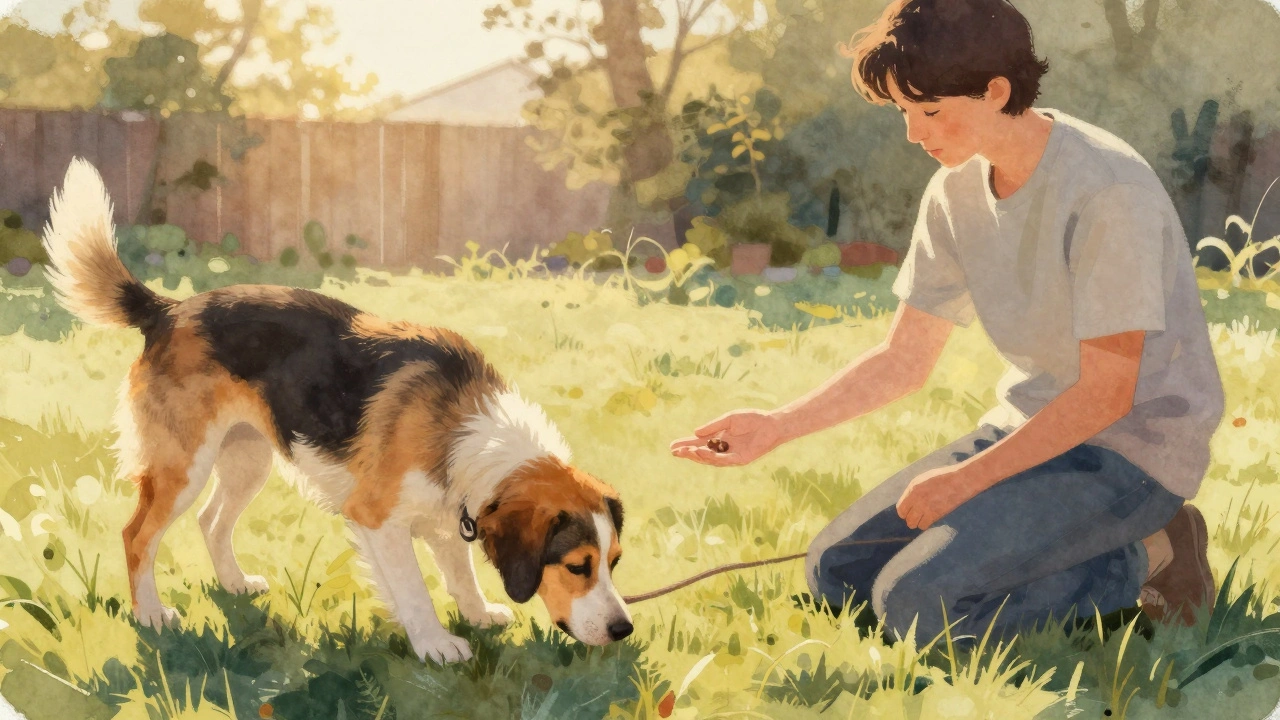
Try this: sit on the floor and drop a treat. Don’t look at them. Don’t call them. Just wait. If they take it? That’s a win. If they don’t? Try again tomorrow. You’re not training them to fetch. You’re teaching them that you’re not a threat.
Watch for stress signals: lip licking, yawning when they’re not tired, turning their head away, tucked tail, stiff posture. These aren’t disobedience - they’re panic signals. If you see them, back off. Don’t force petting. Don’t make eye contact. Give them space. You’ll earn more trust in 10 minutes of quiet than 2 hours of training.
Start short, 5-minute walks around the yard. No leash pulling. No chasing squirrels. Just let them sniff. Let them stop. Let them turn around. You’re not exercising them - you’re helping them map their new world. A dog that knows where the safe spots are feels less anxious.
Day 11-20: Build Routine, Not Rules
By now, they’re starting to relax. Maybe they sleep on the floor next to you. Maybe they wag when you come home. That’s your cue to start gentle structure.
Establish three daily anchors: feeding, walking, and quiet time. Do them at the same time every day. Dogs thrive on predictability. It’s not about discipline - it’s about safety. When they know what comes next, they stop worrying.
Introduce basic cues: come, sit, and leave it. Use treats they love - small, soft, smelly. Say the word once. Wait. If they do it? Reward immediately. If they don’t? Walk away. No yelling. No repetition. You’re not teaching tricks. You’re teaching them that listening = good things happen.
One common mistake? Trying to teach too much too soon. You don’t need to teach sit, down, heel, and stay in week two. Pick one. Master it. Then move on. A dog that understands come in a distracting yard is safer than a dog that knows ten tricks but freezes when the doorbell rings.
Start crate training if you plan to use one. Make it cozy, not a punishment. Leave the door open. Toss treats inside. Let them explore. If they cry? Don’t rush to let them out. Wait 5 minutes. Then go check. If they’re calm? Reward. If they’re still upset? Try again tomorrow. Crates shouldn’t feel like jail. They should feel like a den.
Day 21-30: Socialize, But Don’t Overload
This is where most people mess up. They take their dog to the dog park, invite friends over, and expect instant friendliness. That’s a recipe for fear, not friendship.
Instead, introduce one new person per week. A quiet neighbor. A calm family member. Keep it short. 10 minutes max. Let your dog choose how close to get. No hugging. No staring. No forcing interaction. If they hide? That’s fine. You’re not trying to make them love everyone - just that they don’t panic when someone new shows up.
Same with other dogs. No dog parks yet. Find one calm, vaccinated dog your dog seems to tolerate. Walk side by side, 10 feet apart. No direct interaction. Just let them be near each other. If they sniff each other’s butts? Let them. If they growl? Walk away. This isn’t playtime - it’s exposure therapy.
Start teaching them to be alone. Leave the house for 5 minutes. Then 10. Then 15. Don’t make a big deal when you leave or come back. If they whine? Don’t rush back. Wait until they’re quiet. You’re not training separation anxiety - you’re preventing it.
What to Avoid in the First 30 Days
- Don’t correct them for accidents. Clean it up, don’t scold. They don’t know the rules yet.
- Don’t use shock collars, citronella sprays, or choke chains. They work short-term but destroy trust long-term.
- Don’t compare them to other dogs. Every dog heals at a different pace.
- Don’t rush training. You can’t force connection.
- Don’t ignore signs of fear. A dog that’s scared today will be reactive tomorrow.
What Success Looks Like at Day 30
You won’t have a perfect dog. But you’ll know if you’ve done your job:
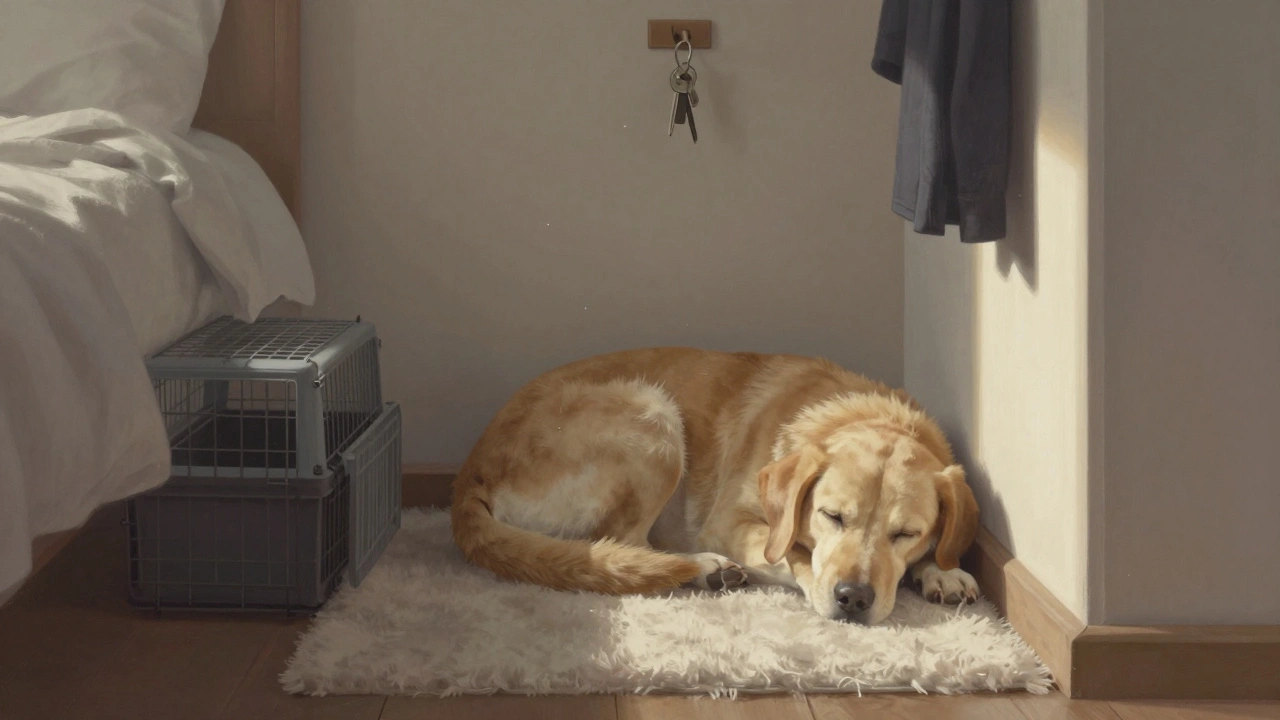
- They sleep near you - not in another room.
- They come when called, even if they have to think about it.
- They look to you for cues in new situations - not away in panic.
- They take treats gently from your hand.
- They don’t panic when you pick up your keys or put on your coat.
That’s not obedience. That’s trust. And trust is the only thing that lasts.
What Comes Next
After day 30, you can start adding structure: longer walks, more social exposure, advanced cues like wait and stay. But keep the foundation strong. Continue feeding, walking, and quiet time at the same hours. Keep the treats coming - not as bribes, but as reminders that you’re safe.
Most dogs settle into their new home between 60 and 90 days. But the first 30? That’s the make-or-break window. Don’t rush it. Don’t overtrain. Just be calm, consistent, and kind. They’ll remember you for life.
My newly adopted dog won’t eat. What should I do?
It’s common for stressed dogs to lose their appetite for the first few days. Don’t force food. Stick to the same food they had at the shelter. Offer meals twice a day at set times. Remove uneaten food after 15 minutes. If they still won’t eat after 3 days, or show signs of vomiting or lethargy, see a vet. Stress can suppress appetite, but it shouldn’t last longer than a week.
Should I let my new dog sleep in my bed?
It’s up to you. But if you plan to say no later, don’t start with yes. Dogs don’t understand boundaries the way humans do. If you let them sleep with you now and change your mind in two weeks, they’ll be confused - and it could damage trust. Decide before day one: bed or crate? Stick with it. If you want them near you, place a dog bed right beside yours. That way, they feel close without the rules changing later.
My dog barks at everything. How do I stop it?
Barking isn’t disobedience - it’s communication. Your dog is telling you they’re scared, confused, or excited. Don’t yell or punish. Instead, redirect. When they bark, calmly say quiet, then offer a treat or toy. If they stop? Reward. If they keep barking? Walk away. Over time, they’ll learn that silence gets attention. It takes weeks, not days. Patience is the only tool that works.
How long does it take for a rescue dog to bond?
Some dogs bond in days. Others take months. It depends on their past. A dog that was abused may never fully trust, but they can learn to feel safe. Focus on consistency, not speed. The bond isn’t built with treats or hugs - it’s built with time, quiet presence, and never forcing interaction. The first 30 days set the tone. After that, it’s just a matter of showing up, every day.
Is it too late to train an adult rescue dog?
No. Adult dogs often learn faster than puppies because they’re calmer and more focused. They don’t have the energy of a puppy, but they have the attention span. The key? Start with trust, not commands. Once they feel safe, they’ll want to please you. Many shelter dogs have never been taught anything. That doesn’t mean they can’t learn. It means they’ve never had someone patient enough to show them how.