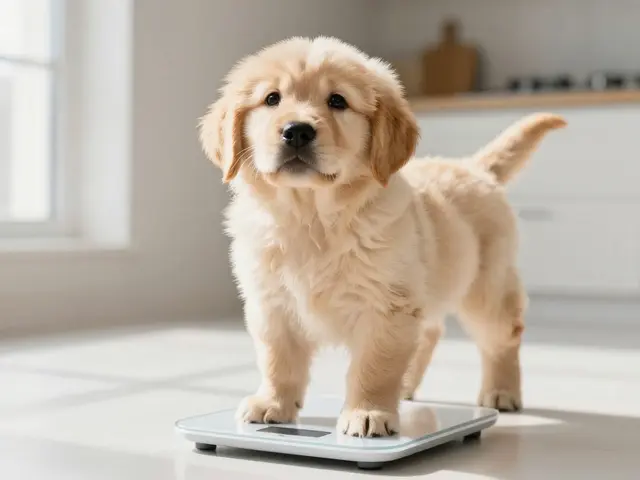
There is a specific moment in every new puppy owner's life where the excitement of a wagging tail gives way to a practical question: "Is he eating enough?" or "Is she gaining too much?" For breeders and first-time owners alike, Puppy Weight Tracking is a systematic method of monitoring a young dog's physical development through regular weighing and data logging to ensure optimal health. It isn't just about vanity metrics; it is a vital diagnostic tool. A puppy that gains weight too fast risks joint issues later, while one that stalls might be missing critical nutrients during their rapid developmental window.
You don't need a lab coat to do this right. You need a scale, a notebook (or an app), and a bit of consistency. The goal is simple: catch problems early when they are easy to fix. Whether you are raising a litter of Golden Retrievers or a single Chihuahua, the principles of monitoring growth remain the same. Let’s look at how to build a reliable log and what signals actually matter versus what is just noise.
Why Daily Weighing Beats Weekly Guesses
Most people wait until a vet visit to weigh their puppy, which happens every few weeks. By then, significant changes have already occurred. Daily Weighing is the practice of measuring a puppy's mass every 24 hours, typically before breakfast, to detect subtle trends in growth rate. While it sounds tedious, the data reveals patterns invisible to the naked eye. For example, a puppy might lose 0.5 pounds over two days due to mild dehydration or stress, then regain it. If you only weighed them weekly, you’d see zero change. But that dip could signal an underlying issue with hydration or digestion.
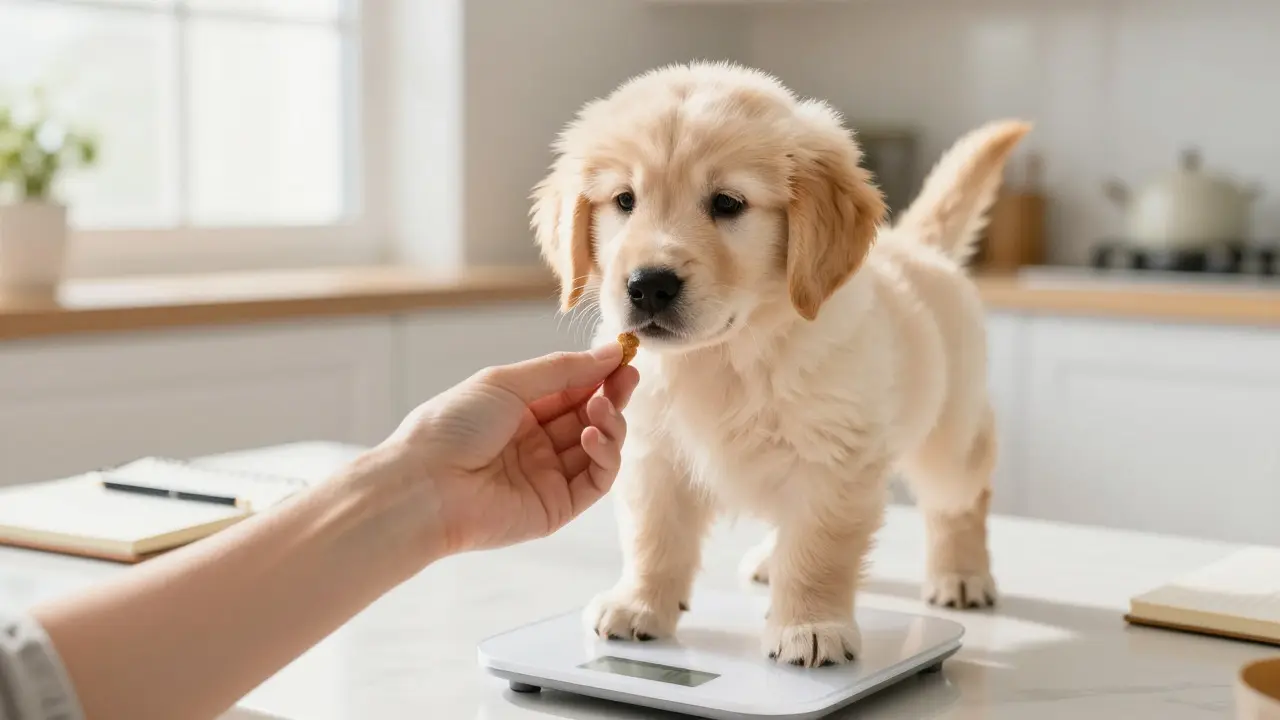
Consistency is key here. Try to weigh your puppy at the same time each day, ideally in the morning after they’ve gone to the bathroom but before they eat. Use a digital kitchen scale for puppies under 10 pounds and a standard bathroom scale for larger breeds. If using a bathroom scale, hold the puppy and subtract your own pre-puppy weight. Record the date, time, and weight immediately. Do not rely on memory. This creates a baseline that makes future deviations obvious.
Setting Up Your Log: What to Record
A good log is more than just numbers. It provides context. When you write down a weight, ask yourself: "What else happened today?" Create a simple table or spreadsheet with these columns:
- Date & Time: Ensures consistent measurement windows.
- Weight (lbs/kg): The primary metric.
- Food Intake: Amount of food eaten and any leftovers. Did they finish the bowl?
- Stool Quality: Note consistency (firm, soft, loose) and frequency. Digestive health directly impacts weight gain.
- Activity Level: Was the puppy unusually lethargic or hyperactive?
- Vaccinations/Meds: Some vaccines cause temporary appetite loss or lethargy.
This contextual data helps you correlate weight changes with specific events. For instance, if a puppy’s weight plateaus for three days after a vaccination, it’s likely a normal side effect. But if the plateau continues after the vaccine wears off, you might need to investigate diet or parasites.
| Date | Time | Weight (lbs) | Food Eaten | Stool | Notes |
|---|---|---|---|---|---|
| Aug 12 | 7:00 AM | 4.2 | Full bowl | Firm | Played fetch for 30 mins |
| Aug 13 | 7:05 AM | 4.3 | Left 10% uneaten | Slightly soft | New treat introduced |
| Aug 14 | 7:00 AM | 4.1 | Half bowl | Loose | Lethargic, no play |
Understanding Growth Curves by Breed
Not all puppies grow at the same pace. Comparing a Great Dane to a Pomeranian using the same yardstick is like comparing a truck to a bicycle. Breed-Specific Growth Charts are standardized references showing expected weight ranges for specific dog breeds at various ages. These charts are based on data from healthy litters and provide a benchmark for what is "normal."
For large breeds like German Shepherds or Labradors, rapid growth is common but risky. They need controlled calories to prevent hip dysplasia. For small breeds like Yorkshire Terriers, even a small drop in weight can be dangerous because they have less energy reserve. Always consult your vet for breed-specific expectations. However, general rules apply:
- Weeks 2-8: Rapid growth phase. Weight should double roughly every week initially.
- Months 2-6: Steady linear growth. Gains slow down slightly as bones lengthen.
- Months 6-12: Fill-out phase. Muscles develop, and weight gain becomes less dramatic but still steady.
Red Flags: When to Worry
So, what does a bad day look like versus a real problem? Here are the red flags that should prompt a call to your veterinarian:
- Weight Loss Over 3 Days: If a puppy loses more than 5% of its body weight over 72 hours without a known cause (like diarrhea), see a vet. Dehydration and illness move fast in small bodies.
- Plateau After Week 4: Once a puppy is past the neonatal stage, weight should continue to increase. A flat line for more than a week suggests poor nutrient absorption, parasites, or chronic illness.
- Rapid Gain With Lethargy: Gaining weight quickly is usually good, but if paired with low energy, it could indicate fluid retention or metabolic issues rather than muscle/fat gain.
- Inconsistent Appetite: Skipping meals regularly or picking at food often precedes weight loss. Monitor this closely alongside your logs.
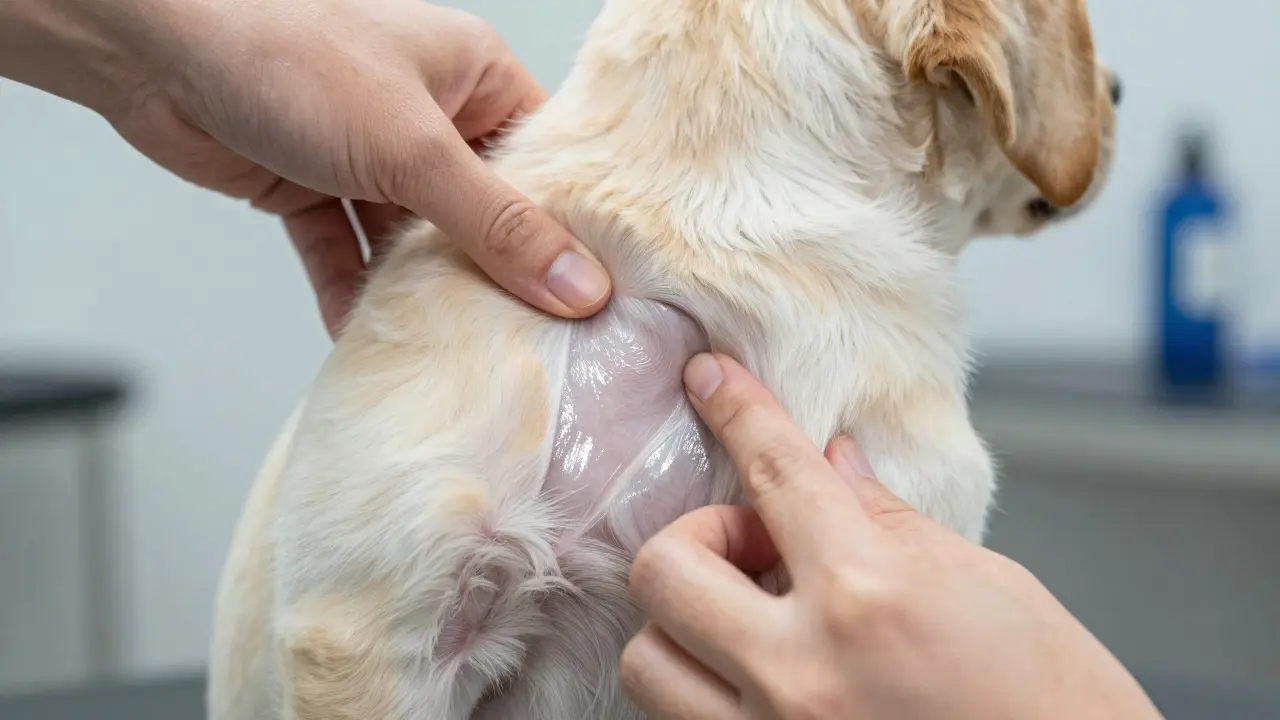
- Visible Body Condition Changes: Look at the ribs. You should feel them easily but not see them prominently. If ribs are visible without touching, the puppy may be underweight. If you can’t feel them at all, they may be overweight.
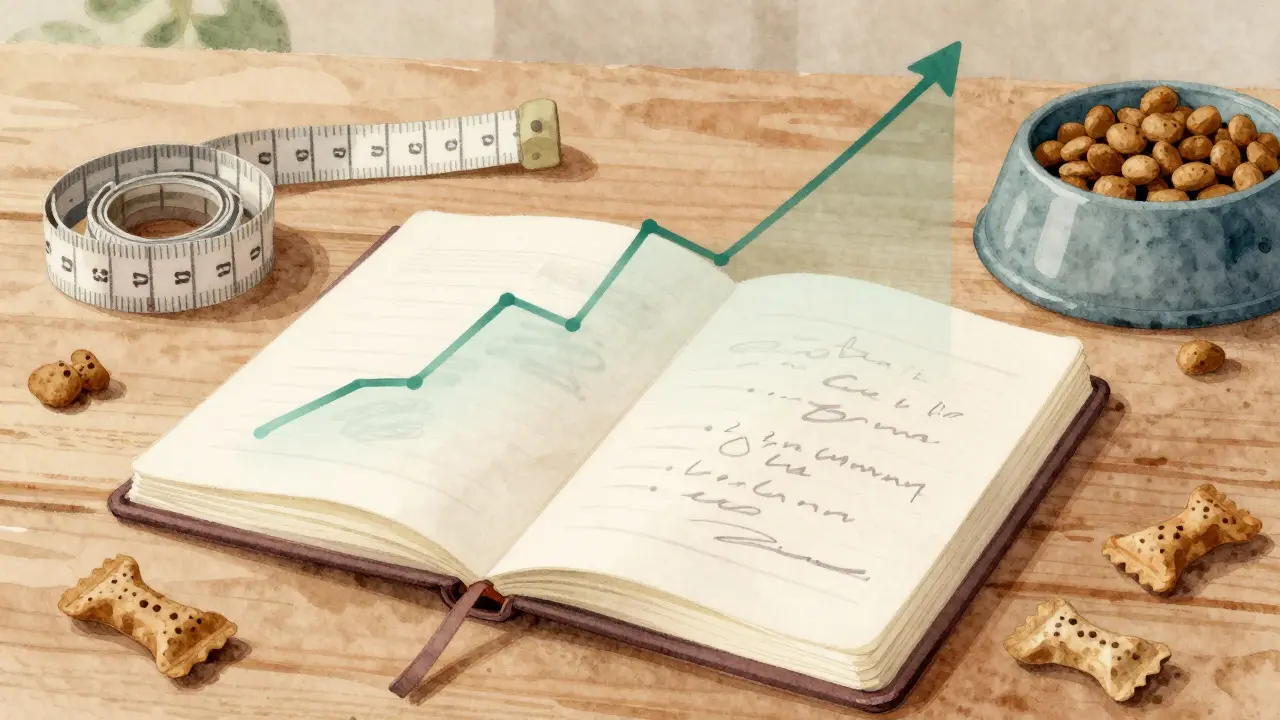
Don’t panic over a single bad reading. Scales fluctuate. Hydration levels affect weight by up to 1-2 pounds in larger dogs. Look at the *trend*. Is the line going up steadily? If yes, you’re likely doing great.
Feeding Adjustments Based on Data
Your weight log isn’t just for watching; it’s for acting. If the trend is upward but too steep, adjust portions. If it’s flat or downward, increase calories or check for worms. Caloric Density is the amount of energy provided per unit of food, which must match the puppy's metabolic needs for growth. Most high-quality puppy foods list calories per cup. Calculate your puppy’s daily caloric needs based on their current weight and activity level, then adjust the portion size accordingly.
For example, if a 10-pound puppy needs 400 calories a day and their food has 350 calories per cup, they need about 1.1 cups daily. Split this into 3-4 meals. If the weight log shows they’re gaining faster than expected, reduce by 10%. If they’re losing weight, increase by 10%. Small adjustments prevent big swings. Always transition food slowly to avoid digestive upset, which can skew your stool quality logs.
Tools and Tips for Accuracy
To get reliable data, minimize error sources. Here are some pro tips:
- Use the Same Scale: Different scales have different calibrations. Stick to one device.
- Weigh Before Feeding: Food adds weight. Weighing after breakfast will give you a higher number than weighing before dinner.
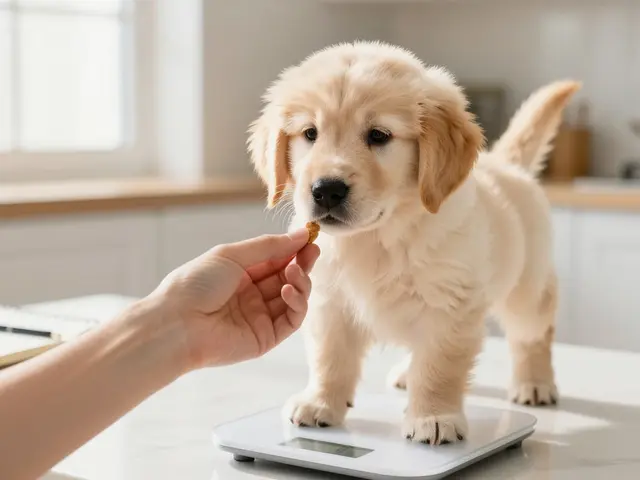
- Handle Calmly: A stressed puppy might shake or move, causing scale errors. Keep sessions quick and positive with a treat afterward.
- Digital vs. Analog: Digital scales are more precise. Analog scales require visual estimation, which introduces human error.
- App Integration: Many pet apps allow you to input weight and automatically generate graphs. Visualizing the trend line makes anomalies pop out instantly.
Remember, the goal is health, not perfection. A puppy doesn’t need to hit a specific number on a chart; they need to thrive. Your log is your best advocate for that thriving.
Frequently Asked Questions
How often should I weigh my puppy?
Ideally, once a day for the first three months. After that, twice a week is sufficient for most adult-bound breeds. Consistency matters more than frequency.
What if my puppy’s weight stays the same for a week?
A one-week plateau is often normal, especially around vaccinations or teething. Check their appetite and stool quality. If they are eating well and active, monitor for another week. If it persists beyond 10 days, consult your vet.
Do treats count toward daily weight?
Yes, but keep them minimal. Treats should not exceed 10% of daily caloric intake. If you give many treats, note them in your log so you can account for the extra calories when analyzing weight gain.
Is it better to use pounds or kilograms?
It doesn’t matter as long as you are consistent. Most US vets use pounds, but international resources often use kilograms. Pick one unit and stick to it for your entire log to avoid conversion errors.
What if my puppy is smaller than the breed average?
Being smaller than average is not inherently bad. Some dogs are simply compact. As long as they are following their own growth curve and are active with a good coat, they are likely healthy. Focus on relative progress, not absolute size.