Over half of dogs in the U.S. are overweight or obese, according to the Association for Pet Obesity Prevention. That’s not just a cute cuddle bug-it’s a health crisis. Owners often try quick fixes because they love their dogs and want them to feel better fast. But many of these methods don’t work, and some can actually hurt your dog. Let’s cut through the noise and look at what really works when it comes to dog weight loss.
Myth: Feeding Less Food = Faster Weight Loss
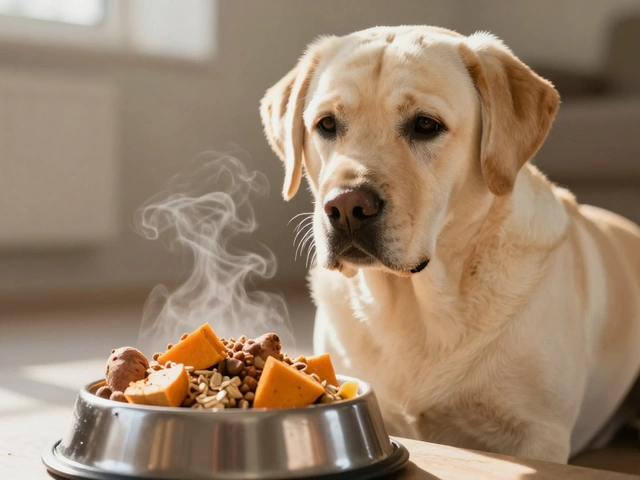
It sounds logical: if your dog is overweight, give them less food. But cutting calories too much or too fast can backfire. Dogs need balanced nutrition, not just fewer kibbles. Reducing food without adjusting the type or quality can lead to muscle loss, low energy, and even nutrient deficiencies. A 70-pound Labrador on 2 cups of regular kibble a day might lose weight if you drop to 1 cup-but they’ll also lose muscle, feel tired, and may start begging nonstop. Instead, switch to a vet-recommended weight management formula. These foods are lower in calories but higher in protein and fiber, so your dog feels full longer and keeps lean mass. A study from the University of Illinois found that dogs on weight-loss diets with 30% more protein lost 40% more fat and kept more muscle than those on standard reduced-calorie diets.
Myth: All Treats Are Bad
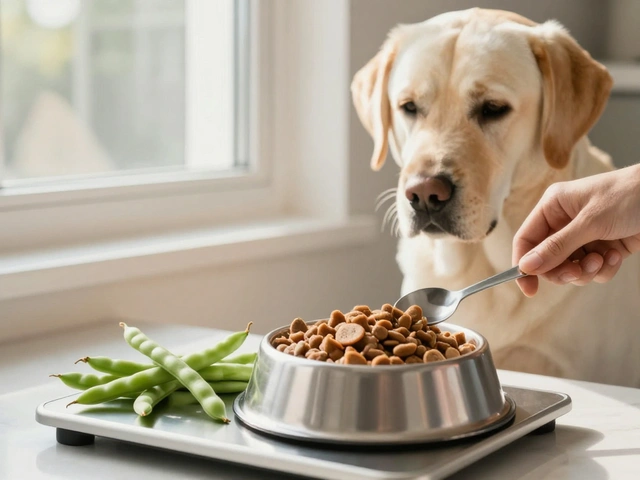
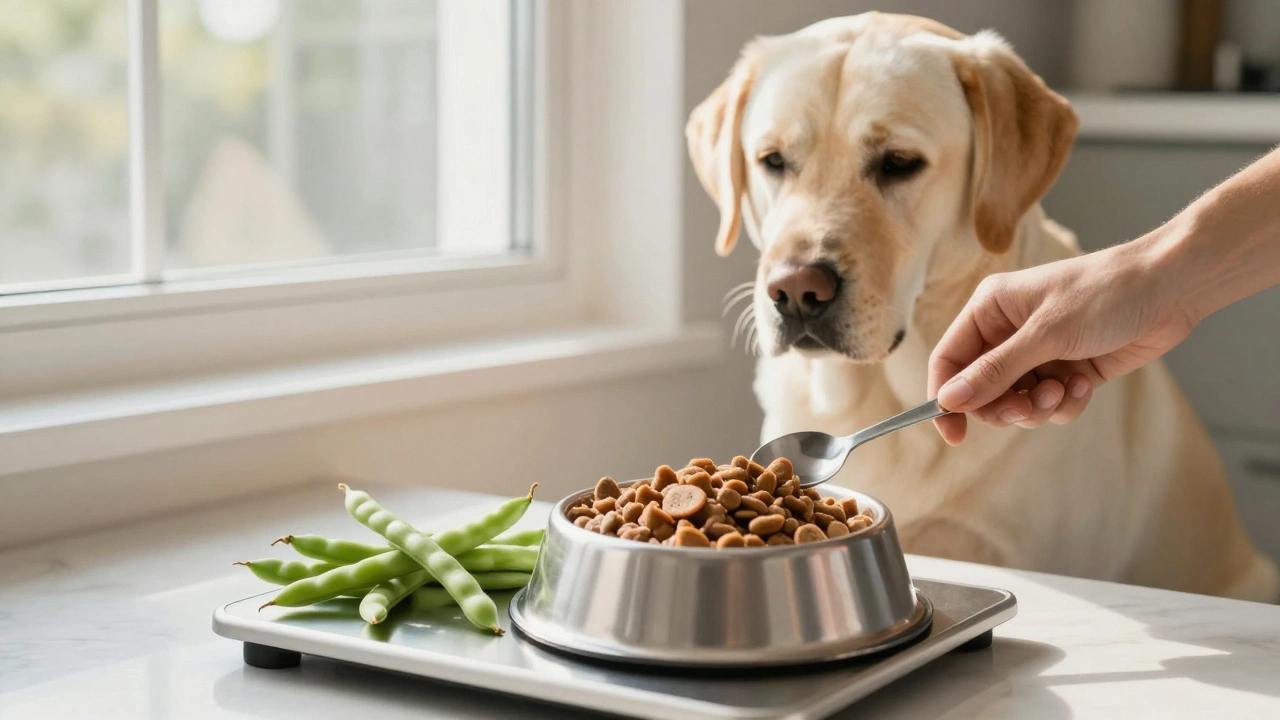
Treats aren’t the enemy. The problem is what kind you’re giving and how many. A single dental chew can have 100+ calories. That’s like giving your dog a candy bar every day. And if you’re using kibble as treats during training? You’re adding extra meals without realizing it. The solution isn’t to cut treats entirely-it’s to replace them. Use low-calorie options like green beans, carrot sticks, or freeze-dried liver (in tiny pieces). A 10-pound dog only needs 3-5 small treats per day for training. Measure them. Don’t guess. And if you’re using treats for obedience drills, count them as part of your dog’s daily food allowance. One simple trick: swap half their kibble for treats during training sessions instead of adding extras on top.
Myth: More Exercise Always Means More Weight Loss
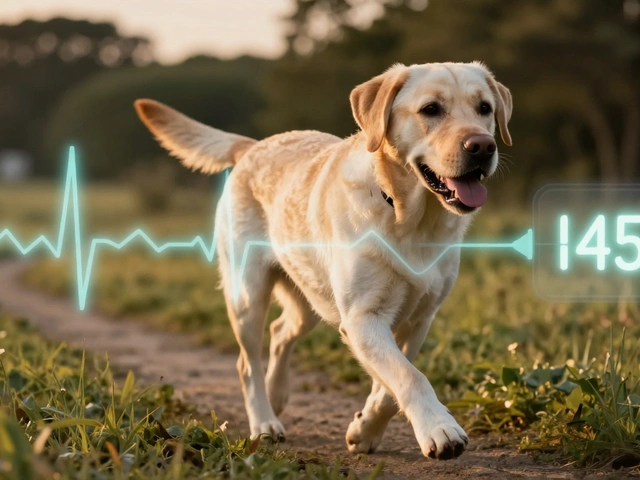
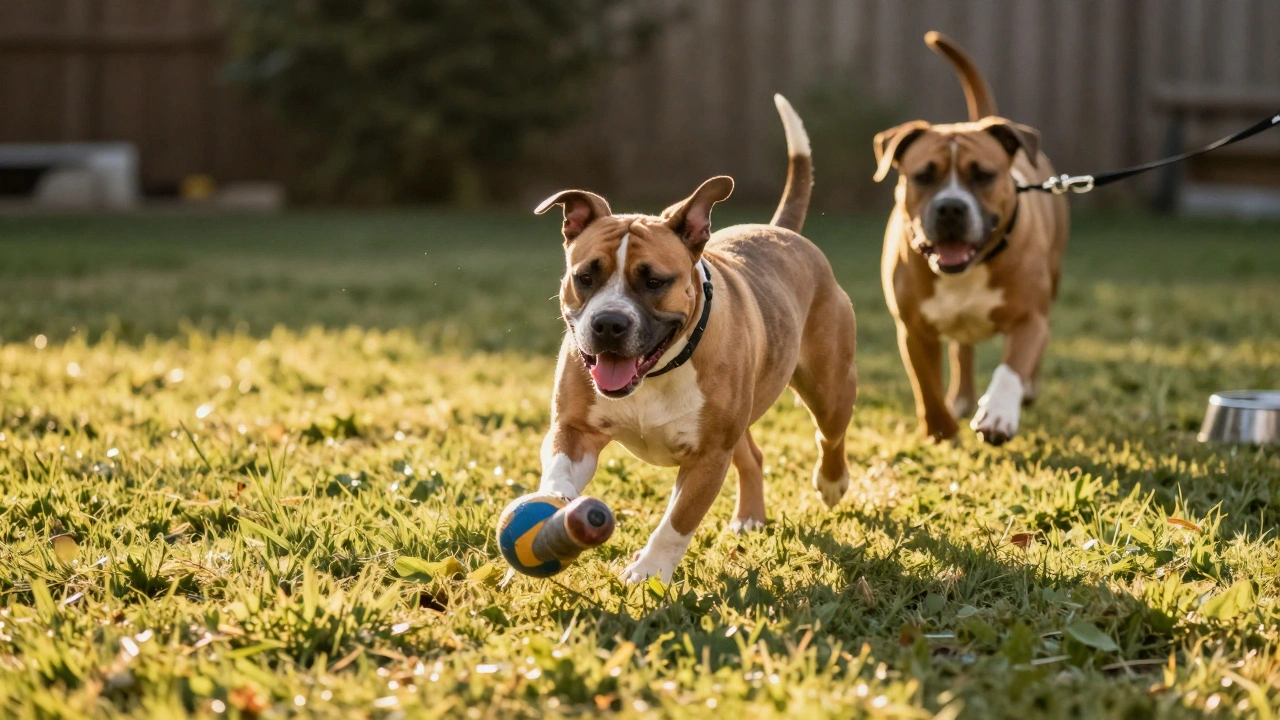
Walking your dog twice a day sounds like a perfect plan. But if your dog is 60 pounds overweight and you’re taking them on 20-minute strolls, you’re not burning enough calories to make a dent. A 60-pound dog walking at a slow pace burns about 120 calories per hour. That’s less than half of what a single cup of regular dog food contains. For significant weight loss, you need structured activity. Try 30-45 minutes of brisk walking or light jogging five days a week. Add short bursts of play-fetch, tug-of-war, or chase games. These raise the heart rate and burn more fat. A 2024 study from the University of Missouri showed that dogs doing interval play (10-second sprints followed by 30-second walks) lost 2.5 times more body fat than dogs doing only steady walks. And don’t forget: if your dog has joint issues, swimming is a low-impact powerhouse. Just 20 minutes of swimming burns as many calories as 45 minutes of walking.
Myth: Grain-Free Diets Help Dogs Lose Weight
Grain-free dog food has been marketed as a weight-loss miracle. But there’s no science to back it up. In fact, the FDA has warned that grain-free diets may be linked to heart disease in dogs. Weight loss isn’t about avoiding wheat or rice-it’s about total calories and protein quality. Many grain-free foods are higher in fat and calories because they replace grains with potatoes, peas, or lentils, which are dense in carbohydrates. A 2023 analysis of 12 popular weight-loss dog foods found that grain-free options had, on average, 15% more calories per cup than their grain-inclusive counterparts. If your dog doesn’t have a food allergy, stick with a balanced, vet-approved formula. Look for ‘weight management’ on the label-not ‘grain-free’.
Myth: Your Dog Just Has a Slow Metabolism
It’s easy to blame your dog’s breed or age. ‘He’s a Basset Hound-he’s just built to be chubby.’ Or, ‘She’s 9, so her metabolism is slowing down.’ But metabolism isn’t the main issue. Most overweight dogs are getting too many calories, not burning too few. Even senior dogs can lose weight with the right plan. A 12-year-old Beagle in a veterinary weight-loss program lost 18% of her body weight in 6 months by switching to a high-protein, low-carb diet and doing daily 30-minute walks. The key? Consistency. Your dog’s metabolism doesn’t need a magic fix-it needs the right balance of food, activity, and routine.
Myth: Weight Loss Pills or Supplements Work
There’s a whole aisle of dog weight-loss supplements at pet stores: green tea extract, L-carnitine, fiber blends, appetite suppressants. None of these are FDA-approved for dogs. And many have no real studies behind them. L-carnitine, for example, is often sold as a fat-burning aid-but in dogs, it only helps if they’re deficient, which is rare. Appetite suppressants? They’re risky and can cause anxiety, restlessness, or even heart problems. The only weight-loss medication approved for dogs is Slentrol (dirlotapide), and it’s only prescribed by vets for severe obesity. Even then, it’s used alongside diet and exercise-not as a standalone fix. Don’t waste money on supplements. Talk to your vet instead.
What Actually Works
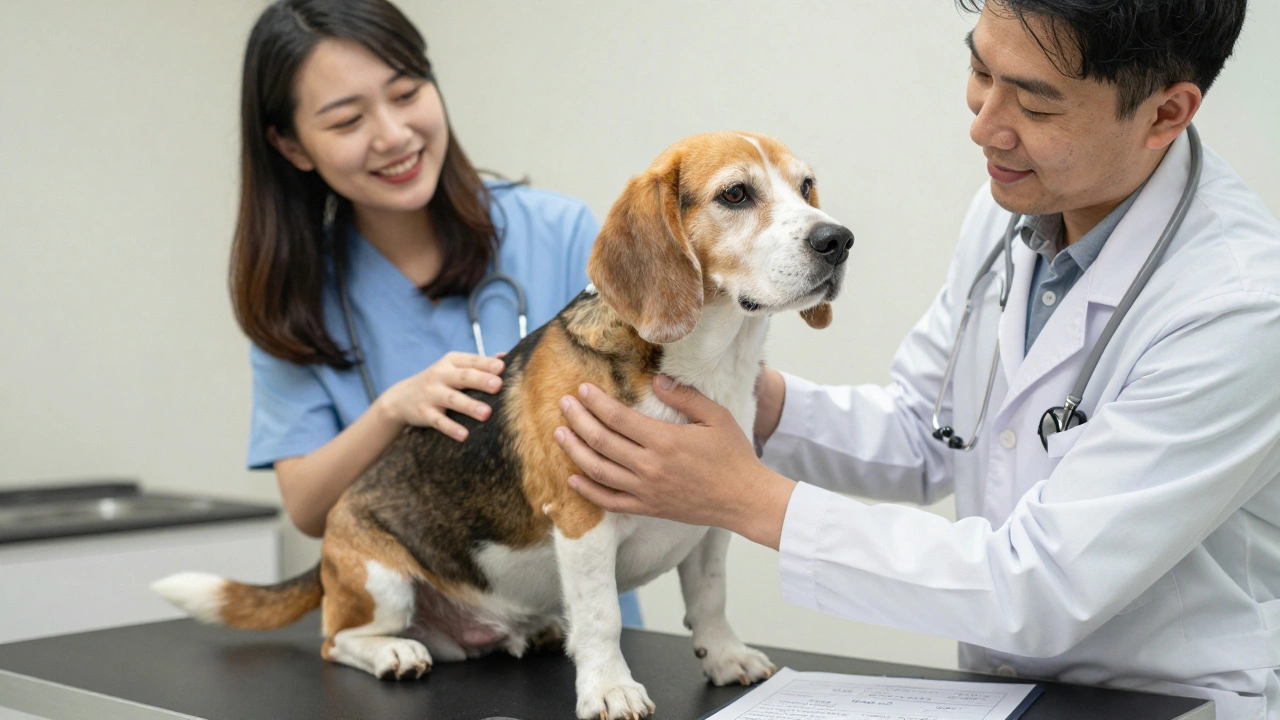
Real, lasting weight loss for dogs comes down to three things: precise feeding, consistent activity, and vet oversight. Start by measuring every bite. Use a kitchen scale to weigh food daily. Switch to a vet-recommended weight-loss diet. Increase activity gradually-aim for 5 days a week of movement that gets your dog panting a little. Schedule monthly check-ins with your vet. They’ll track body condition score (not just weight) and adjust the plan. Most dogs reach their goal weight in 4-6 months. That’s slow, yes-but it’s safe, sustainable, and healthy.
Quick Checklist: Dog Weight Loss That Works
- Use a scale to measure food daily-not a measuring cup
- Switch to a vet-approved weight management dog food
- Replace high-calorie treats with low-calorie alternatives (green beans, carrots)
- Do 30-45 minutes of active exercise 5 days a week (walking, swimming, play)
- Visit your vet every 4-6 weeks to track progress
- Avoid all unapproved supplements and weight-loss pills
Frequently Asked Questions
How long should it take for a dog to lose weight safely?
A safe rate is 1-2% of body weight per week. For a 50-pound dog, that’s about half a pound per week. Losing too fast can cause liver problems or muscle loss. Most dogs reach their target weight in 4 to 6 months. Patience is key-this isn’t a race.
Can I feed my dog human food to help them lose weight?
Some human foods are safe and low-calorie, like green beans, broccoli, or plain pumpkin. But don’t use them as a primary diet. They lack the protein, fats, and nutrients dogs need. Use them as occasional treats or to bulk up meals, not replace dog food. Avoid onions, garlic, grapes, and anything with salt, sugar, or spices.
My dog is always hungry. What should I do?
Hunger is normal during weight loss, especially if your dog is used to free-feeding. Switch to a high-fiber, high-protein weight-loss food-they’ll feel fuller longer. Add a few cups of water to their meal to increase volume. Try puzzle feeders to slow down eating and make meals last longer. And don’t give in to begging-consistency is what changes their behavior over time.
Is it okay to feed my dog once a day while they’re losing weight?
No. Feeding once a day can make hunger worse and increase begging behavior. It also raises the risk of low blood sugar in small breeds. Most vets recommend two meals a day for weight-loss dogs. This keeps energy stable and reduces food obsession. If your dog is overweight, split their daily food into two equal portions.
What if my dog isn’t losing weight even after following the plan?
There could be an underlying health issue. Hypothyroidism, Cushing’s disease, or insulin resistance can block weight loss. Ask your vet for blood work to rule these out. Also, double-check portion sizes and treat counts-many owners underestimate how much they’re giving. Keep a daily log of food, treats, and walks. Sometimes the problem isn’t the plan-it’s the accuracy of execution.