Your dog suddenly seems sluggish, shedding more than usual, or gaining weight despite eating the same amount? These are classic signs that something might be off with their metabolism. Hypothyroidism is a common endocrine disorder where the thyroid gland fails to produce enough hormones, leading to slowed bodily functions. It affects roughly 1% of all dogs, but certain breeds like Golden Retrievers, Dobermans, and Cocker Spaniels are at higher risk. If you suspect your pet has this condition, understanding the symptoms and knowing how to test for it is the first step toward getting them back to normal.
Key Takeaways
- Hypothyroidism is the most common thyroid disease in dogs, characterized by low production of T3 and T4 hormones.
- Early detection relies on recognizing subtle changes in behavior, coat quality, and body weight before severe complications arise.
- The standard diagnostic tool is a serum Total T4 test, which must be interpreted carefully alongside clinical signs and other blood work.
- Treatment involves lifelong daily medication (levothyroxine), which is highly effective and generally safe when monitored regularly.
- Breed predisposition matters; if you own a Golden Retriever or Beagle, keep a closer eye on their energy levels and skin health.
Understanding Canine Thyroid Function
To grasp why hypothyroidism causes so many varied symptoms, you need to understand what the thyroid actually does. The thyroid gland, located at the base of the neck, produces two main hormones: triiodothyronine (T3) and thyroxine (T4). Think of these as the gas pedal for your dog’s body. They regulate metabolic rate, heart function, digestion, and even mood. When the gland underproduces these hormones, the entire system slows down.
In most cases, this isn’t because the gland itself is damaged externally, but rather due to an autoimmune attack called lymphocytic thyroiditis. The immune system mistakenly attacks the thyroid tissue, gradually reducing its ability to make hormones. Another less common cause is idiopathic fibrosis, where the gland simply shrinks and becomes inactive without a clear immune trigger. Unlike humans, where Hashimoto’s thyroiditis is the primary culprit, dogs often present with similar autoimmune mechanisms but can also suffer from iodine deficiency or excess in specific dietary contexts, though this is rare in commercial diets.
Recognizing the Symptoms: What to Look For
Hypothyroidism rarely hits hard and fast. Instead, it creeps in over months or even years. By the time a vet diagnoses it, the dog may have been showing signs for a while. Here is what typically happens:
- Weight Gain: This is often the first thing owners notice. The dog eats normally or even less, yet gains fat, particularly around the abdomen and ribs.
- Lethargy: Your once energetic runner now prefers napping. They may resist walks or seem "tired" after minimal activity.
- Skin and Coat Changes: A dull, dry coat is common. You might see excessive shedding, hair loss (alopecia), especially on the tail (often called "rat tail"), and darkening of the skin (hyperpigmentation).
- Cold Intolerance: The dog seeks out warm spots, sleeps near heaters, or shivers in temperatures that previously didn't bother them.
- Reproductive Issues: In intact females, irregular heat cycles or infertility can occur. Males may experience reduced libido or testicular atrophy.
It’s crucial to distinguish these signs from other conditions. For example, Cushing’s disease also causes weight gain and lethargy, but it usually presents with increased thirst and urination, which is not typical for hypothyroidism. Similarly, senior dogs naturally slow down, but the combination of skin issues and specific weight distribution points strongly toward thyroid problems.
Diagnostic Process: How Vets Test for Hypothyroidism
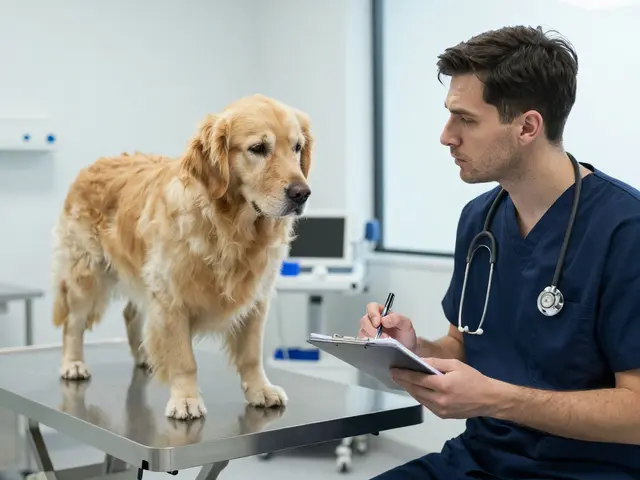
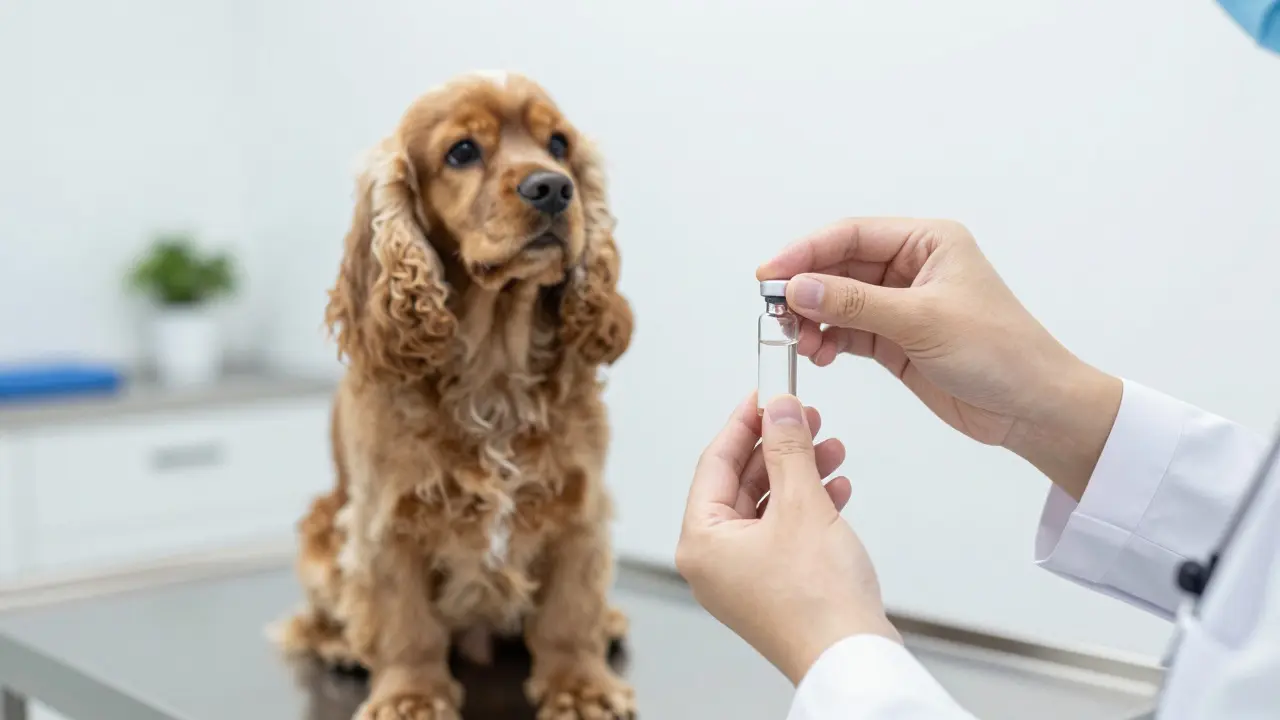
Diagnosing hypothyroidism isn't just about one blood test. It’s a process of elimination and confirmation. Your veterinarian will start with a physical exam and a detailed history. Then, they will order blood work. The gold standard initial test is the Serum Total T4 measurement of total thyroxine hormone levels in the blood.
- Baseline Blood Work: This includes a complete blood count (CBC) and a chemistry panel. Hypothyroid dogs often show elevated cholesterol (hypercholesterolemia) and triglycerides. Liver enzymes may also be slightly elevated.
- Total T4 Measurement: If the T4 level is below the reference range, it supports the diagnosis. However, a low T4 alone isn't definitive. Other illnesses like kidney failure, liver disease, or non-thyroidal illness syndrome can lower T4 levels temporarily.
- Free T4 Measurement: If the Total T4 is borderline or inconclusive, vets may measure Free T4, which represents the biologically active portion of the hormone. This provides a clearer picture of actual hormonal activity.
- TSH Stimulation Test: In complex cases, a synthetic TSH injection is given, and T4 levels are measured before and after. A blunted response confirms the thyroid's inability to respond properly.
Timing matters. Stress, recent surgery, or concurrent medications (like steroids) can skew results. That’s why vets often recommend repeating tests if initial results are ambiguous. Never interpret a single low T4 value in isolation; it must align with clinical signs.
Treatment Options and Lifestyle Management
Once diagnosed, treatment is straightforward but requires commitment. The standard therapy is oral levothyroxine, a synthetic form of T4. It replaces what the body isn't making. Most dogs respond dramatically within weeks.
- Medication Dosage: Typically dosed twice daily initially, then adjusted based on follow-up blood tests. Some vets switch to once-daily dosing for convenience if stable.
- Dietary Considerations: While no special diet is strictly required, maintaining a healthy weight is critical. As metabolism improves, caloric needs may change. Monitor food intake to prevent obesity during recovery.
- Exercise: Gradually increase activity levels. Avoid forcing intense exercise immediately; let the dog regain stamina naturally.
Consistency is key. Missing doses can lead to symptom relapse. Pill pockets or flavoring sprays help ensure compliance. Regular monitoring is essential to adjust the dose, as requirements can change over time due to aging or other health factors.
Monitoring Progress and Long-Term Care
After starting levothyroxine, your vet will schedule rechecks. Usually, blood work is repeated 6-8 weeks after starting treatment to check T4 levels. The goal is to bring T4 into the upper half of the normal range, indicating adequate replacement. Too little means continued symptoms; too much can cause hyperthyroid-like signs such as rapid heart rate or weight loss.
Long-term, annual check-ups are sufficient for most stable patients. However, if your dog develops other health issues, more frequent monitoring may be needed. Keep an eye on their coat quality and energy levels between visits. If you notice new symptoms, don't wait for the next appointment-call your vet. Early adjustment prevents discomfort and maintains quality of life.
Comparing Diagnostic Tests: Accuracy and Utility
| Test Type | What It Measures | Pros | Cons | Best Used For |
|---|---|---|---|---|
| Total T4 | Total circulating T4 hormone | Cheap, widely available, good screening tool | Can be falsely low in non-thyroidal illness | Initial screening in symptomatic dogs |
| Free T4 | Unbound, active T4 fraction | More accurate reflection of biological activity | More expensive, less standardized across labs | Confirming diagnosis when Total T4 is borderline |
| TSH Stimulation | Thyroid response to synthetic TSH | Gold standard for functional assessment | Invasive, costly, requires multiple samples | Complex cases or pre-surgical evaluation |
| Anti-Thyroglobulin Antibodies | Presence of autoimmune antibodies | Confirms autoimmune etiology | Not always positive in early stages | Research or confirming immune-mediated cause |
Frequently Asked Questions
Is hypothyroidism curable in dogs?
No, it is a chronic condition requiring lifelong management. However, with proper medication, most dogs live normal, happy lives. The goal is control, not cure.
Can stress affect thyroid test results?
Yes, acute stress can temporarily alter hormone levels. Vets often recommend minimizing stress before blood draws and interpreting results in context with clinical signs.
Which breeds are most prone to hypothyroidism?
Golden Retrievers, Doberman Pinschers, Cocker Spaniels, Beagles, Dachshunds, and Boxers are among the most commonly affected breeds. Mixed breeds can also be affected.
How long does it take for levothyroxine to work?
Energy levels and appetite often improve within 2-4 weeks. Coat regrowth takes longer, typically 2-3 months. Full normalization of blood values may take up to 8 weeks.
Should I give my dog supplements for thyroid support?
Generally, no. Unless recommended by your vet, avoid iodine-rich supplements or kelp, as excess iodine can worsen thyroid dysfunction. Stick to prescribed medication and balanced diet.