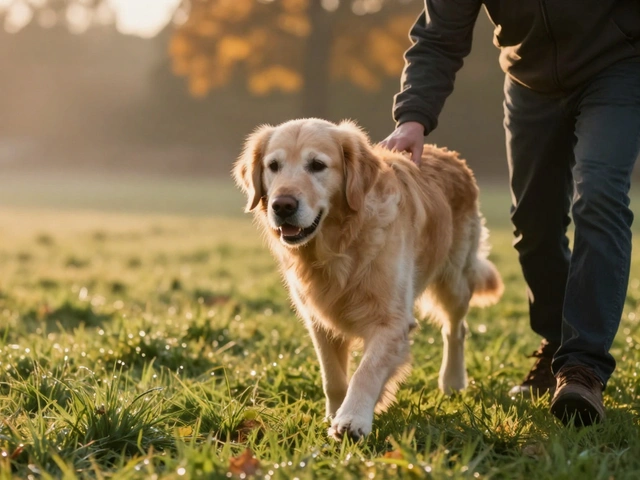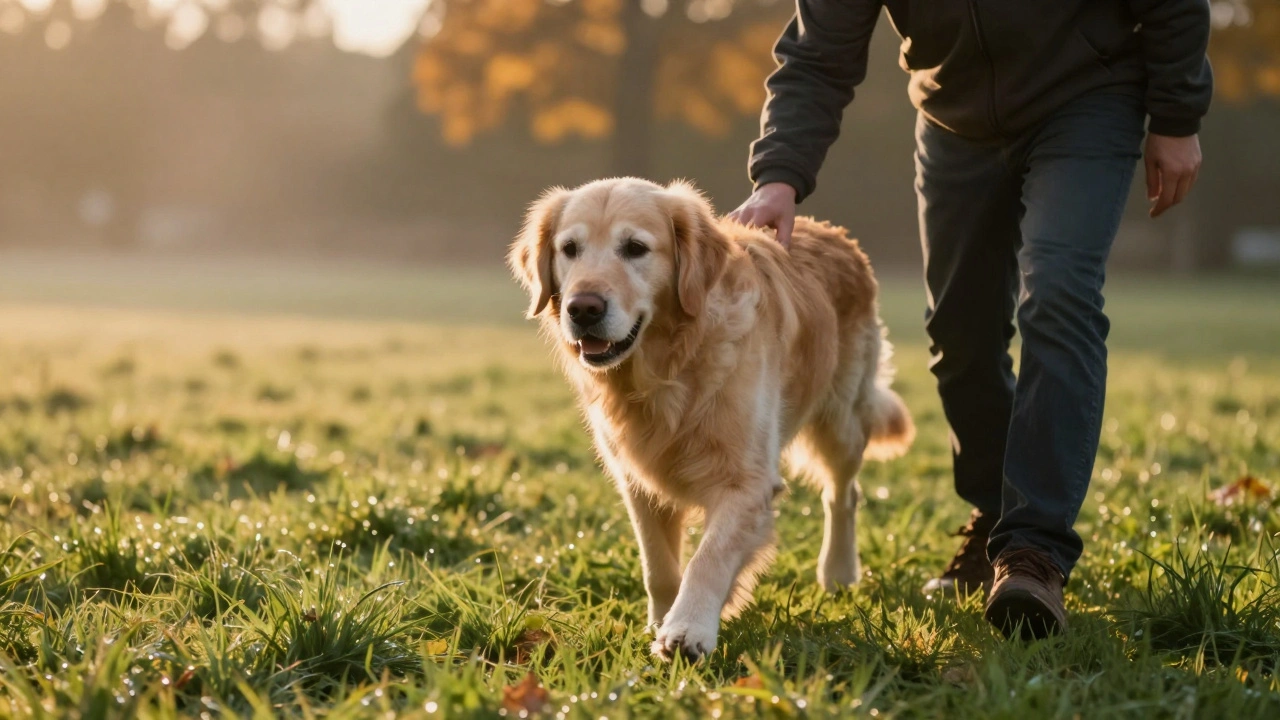
Your dog used to bound across the park in seconds. Now, they move slower, maybe even stiffly after resting. Seeing an active companion slow down brings mixed feelings. You want them to stay fit, but you also worry about hurting their joints. Balancing activity with comfort requires specific adjustments. You aren't just taking a walk anymore. You are managing a health routine that respects their changing body.
Senior Dog Mobility Walks are structured exercise sessions tailored for older canines with reduced joint function. These walks focus on maintaining muscle mass without triggering inflammation. Also known as geriatric dog exercise, this approach prioritizes steady movement over speed. Getting the details right means your friend enjoys time outside without suffering later.
Quick Key Takeaways
- Shorter, frequent walks prevent joint fatigue better than one long outing.
- Soft surfaces like grass protect hips better than rough concrete paths.
- Vest-style harnesses offer stability without straining the neck or spine.
- Cold mornings increase stiffness, so warm up slowly before increasing pace.
- Watch for specific signs like lagging hind legs or excessive panting to stop early.
Understanding Age-Related Limits
Before stepping out the door, acknowledge what happens inside their body. Canine Arthritis is a degenerative condition causing joint pain and reduced range of motion. Roughly 20% of dogs over six years show clinical signs of this issue. The cartilage wears down, leaving bone rubbing against bone. Pain feels different depending on weather and recent activity levels.
Muscle atrophy accelerates when dogs avoid moving due to discomfort. This creates a vicious cycle where less movement leads to weaker muscles, which supports the joints less effectively. The goal of mobility work is breaking this loop. You maintain muscle strength through controlled movement, yet you must not push past the pain threshold. If you notice a skip in their gait during normal play, adjust the walking plan immediately.
Every dog ages differently based on breed size. Large breeds often face hip dysplasia earlier than small breeds. A Golden Retriever might struggle by age seven, while a Chihuahua could run until ten. Adjust expectations based on their individual medical history rather than general statistics.
Mastering Pace and Duration
Rushing causes immediate strain. Old ligaments tear more easily than young ones. Start every session at a leisurely stroll. Watch their stride. Is it symmetrical? Do they pause frequently? These indicators tell you if the pace suits them.
Split long distances into multiple shorter trips. Instead of one forty-minute hike, try three fifteen-minute strolls throughout the day. This keeps blood flowing without overwhelming the system. Total daily movement matters more than single-session intensity. Aim for a total accumulation of thirty to forty-five minutes per day, split evenly.
Listen to breathing patterns. Heavy panting often signals exertion beyond capacity, especially in hot months. Keep intervals of movement interspersed with standing still. Allow them to sniff freely. Mental stimulation during walking reduces stress on physical stamina.
| Mobility Level | Duration Per Session | Frequency |
|---|---|---|
| Mild Stiffness | 15-20 Minutes | 3 Times Daily |
| Moderate Pain | 10 Minutes | 4 Times Daily |
| Severe Limitation | 5 Minutes | Indoor Only or Assisted |
Selecting Safe Walking Surfaces
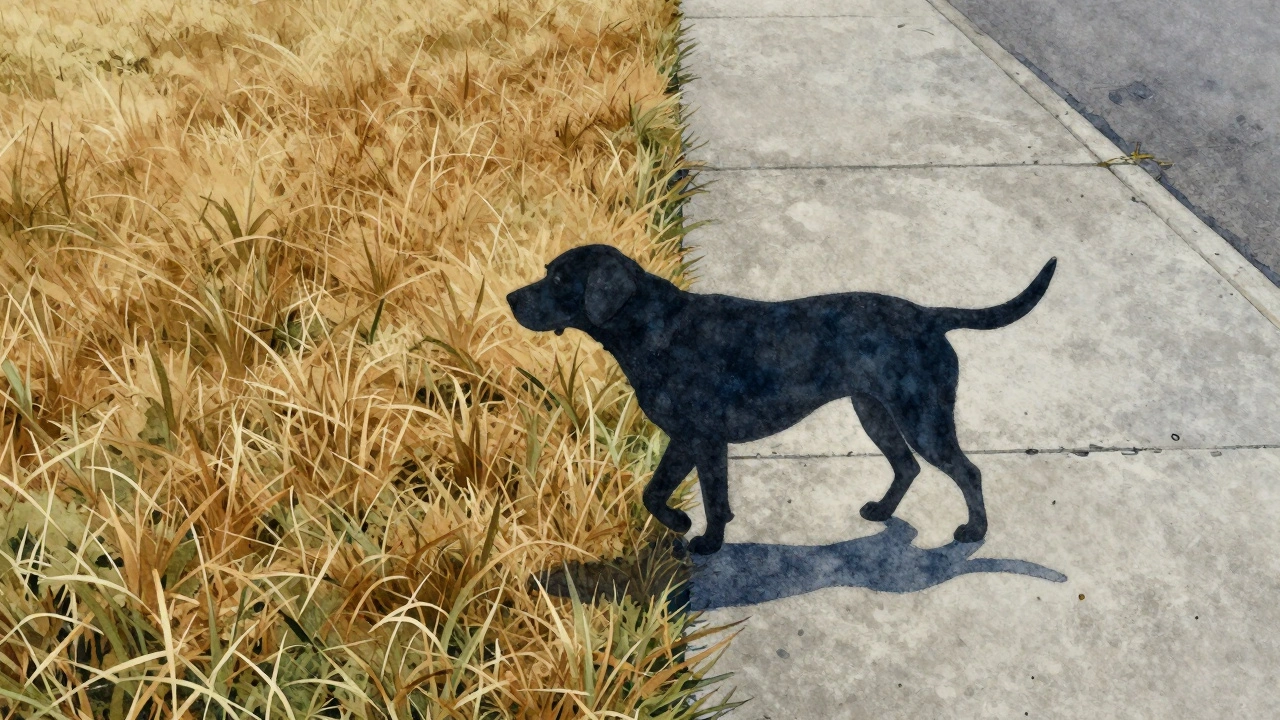
The ground beneath their paws matters immensely. Concrete transfers shock directly into the joints. It lacks give. Walking on paved roads daily increases wear on elbows and hips. Asphalt works slightly better but still offers zero cushioning. Avoid these surfaces if possible.
Dirt paths offer better traction. However, loose gravel hurts paw pads and can slip underfoot when turning sharp corners. Look for packed dirt trails instead. Natural grass provides ideal cushioning. It absorbs impact energy before it reaches the skeleton. Wet mud presents slipping hazards though. Dry packed dirt mixes well for grip and softness.
Winter conditions change everything. Ice hides under snow, creating sudden falls. Salt degrades paw pads. Wear protective booties if ice is present. In summer, black asphalt burns feet within minutes. Test pavement temperature with your own palm. If it hurts your hand, it hurts their paws. Seek shaded areas or switch to evening walks during heat waves.
Essential Support Gear
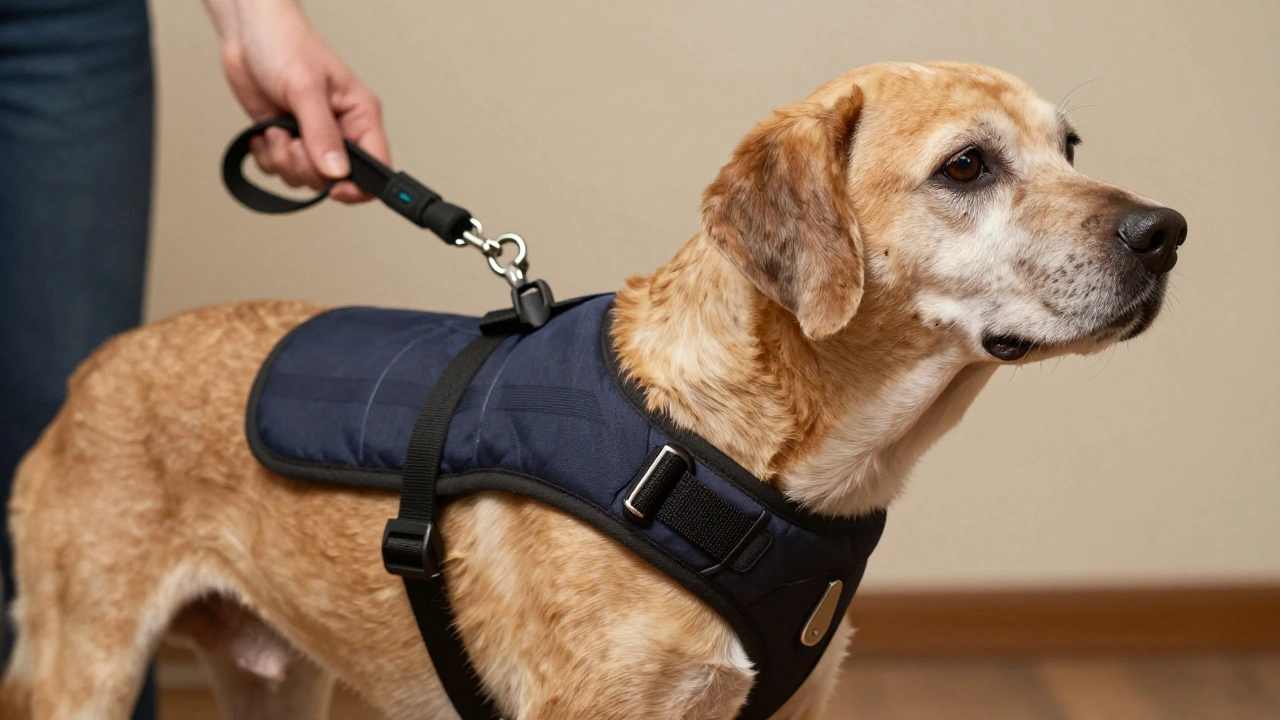
Standard collars restrict airflow and put pressure on the throat. For senior dogs, this adds unnecessary stress. Switch to a chest-support harness. The weight sits on the sternum rather than the spine. A Vest Harness is strapping designed to distribute force across the chest and shoulders. This setup prevents neck injury during sudden stops or pulls.
Some dogs need extra lifting help. Rear-end weakness requires support near the tail. Belly lift slings allow you to gently hoist their back legs. This maintains balance without full carrying. You can buy adjustable fabric slings specifically for geriatric pets. These reduce joint load significantly during steep inclines.
Wag wag tails remain vital for morale. But heavy leashes add drag. Lightweight nylon or bungee cords absorb tension spikes. Bungee leaches give slightly when the dog lunges forward, preventing jarring stops. Choose equipment that lightens the overall load, adding nothing unnecessary.
Weather and Environmental Factors
Cold temperatures thicken synovial fluid. Joints feel frozen in the morning. Do not expect full flexibility right away. Spend five minutes indoors stretching limbs gently before going out. Move the head side to side and rotate hips carefully.
Humidity plays a role too. High moisture often correlates with increased ache complaints. Rain makes trails slick. If rain persists, keep the duration short. Focus on mental enrichment rather than distance. Bring treats for sniffing games. Engagement substitutes for miles covered.
Extreme heat shuts down activity quickly. Older dogs regulate temperature poorly. Early morning remains safest in summer. Even then, carry water. Hydration drops off faster in older animals. Offer fluids every few minutes during long excursions.
Recovery and Post-Walk Care
Exercise ends when you come home. Recovery starts immediately. Remove wet fur from damp coats to prevent chills. Inspect paws for cracks or debris lodged between toes. Clean them gently.
Apply topical warmth if needed. Heating pads help relax tight muscles. Massage sensitive areas lightly along the spine. Avoid pressing hard on painful spots. Notice how they sleep. Deep, restorative sleep follows good movement. Restless tossing indicates residual discomfort.
Talk to your vet about supplements. Glucosamine and chondroitin support cartilage health. Omega-3 fatty acids reduce internal inflammation. Diet changes often improve mobility over months. Combine nutrition with movement for lasting results. Track progress weekly. Note any improvement in rising from bed or climbing stairs.
How do I know if my senior dog is tired?
Look for slowed pace, sitting more often than usual, or dragging back feet. Excessive panting without heat suggests exhaustion. Licking lips repeatedly also signals stress or fatigue. Stop immediately if you see these signs.
Is indoor exercise enough for old dogs?
Yes, indoor movement counts. Hallway walks, low-sitting toys, or balance boards stimulate joints. Short sessions work well when outdoor weather turns dangerous. Consistency matters more than location.
Should I force my dog to walk if they resist?
No, forcing movement causes injury. Resistance usually means pain or fear. Consult a veterinarian before pushing for distance. Physical therapy might be safer than standard walking.
What surfaces hurt senior dog joints most?
Concrete and tile cause the most impact trauma. Slippery hardwood floors risk falls. Grass and packed dirt provide the best shock absorption for aging bodies.
When should I stop outdoor walks completely?
Stop when pain becomes unmanageable despite meds. Or switch to assisted movement. Wheelchairs or indoor-only plans become necessary in late-stage mobility loss. Prioritize quality of life over routine.