Quick Summary: Key Takeaways
- Otitis Externa affects the outer canal and is the most common type.
- Otitis Media hits the middle ear and often happens when the outer canal is blocked.
- Otitis Interna is the most severe, affecting the inner ear and balance.
- Early detection of scratching or smell prevents permanent hearing loss.
- Never put cleaners in a dog's ear without knowing if the eardrum is intact.
The Outer Layer: Otitis Externa
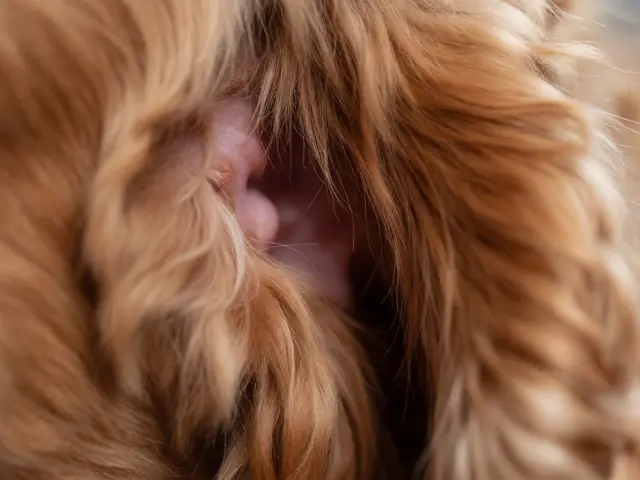
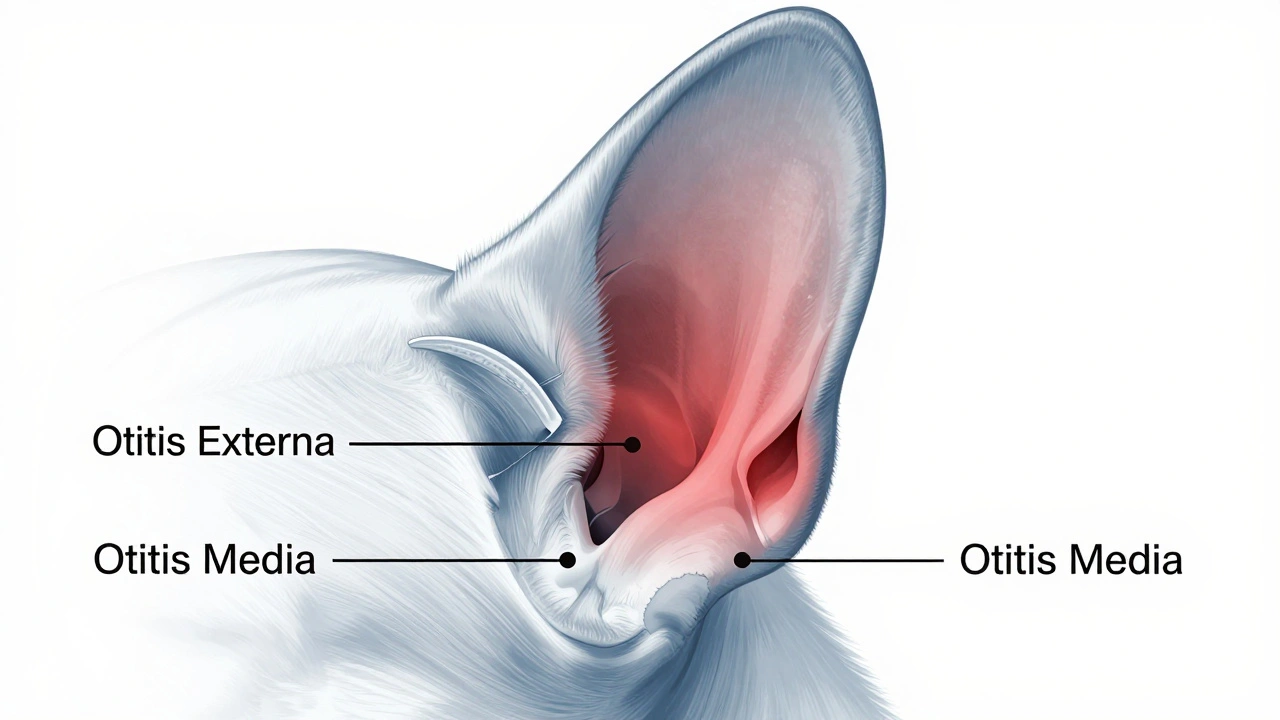
Most of the time, when a vet mentions an ear infection, they are talking about Otitis Externa is an inflammation of the external auditory canal, extending from the entrance of the ear to the eardrum. Think of this as the "entryway" infection. Because dogs have L-shaped ear canals, moisture and debris get trapped easily. This creates a warm, humid playground for pathogens.
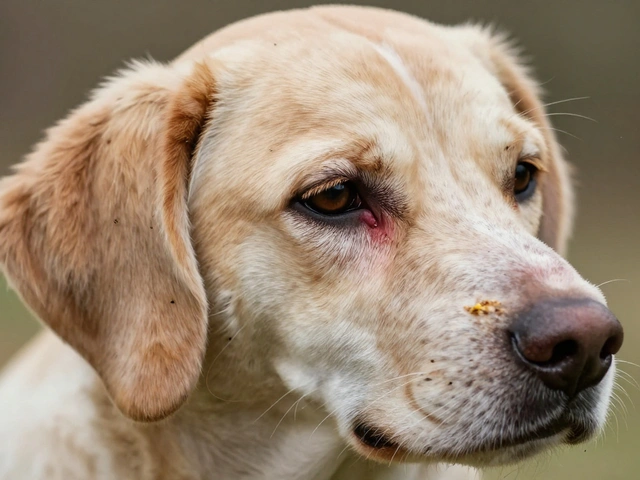
In a typical case of dog ear infections, you will notice a distinct smell-sometimes like old gym socks or sweet corn. This is usually caused by Malassezia, a common yeast that loves moist environments. If you see a brownish, waxy discharge, yeast is likely the culprit. If the gunk is yellow or greenish, you are probably dealing with bacteria like Pseudomonas or Staphylococcus.
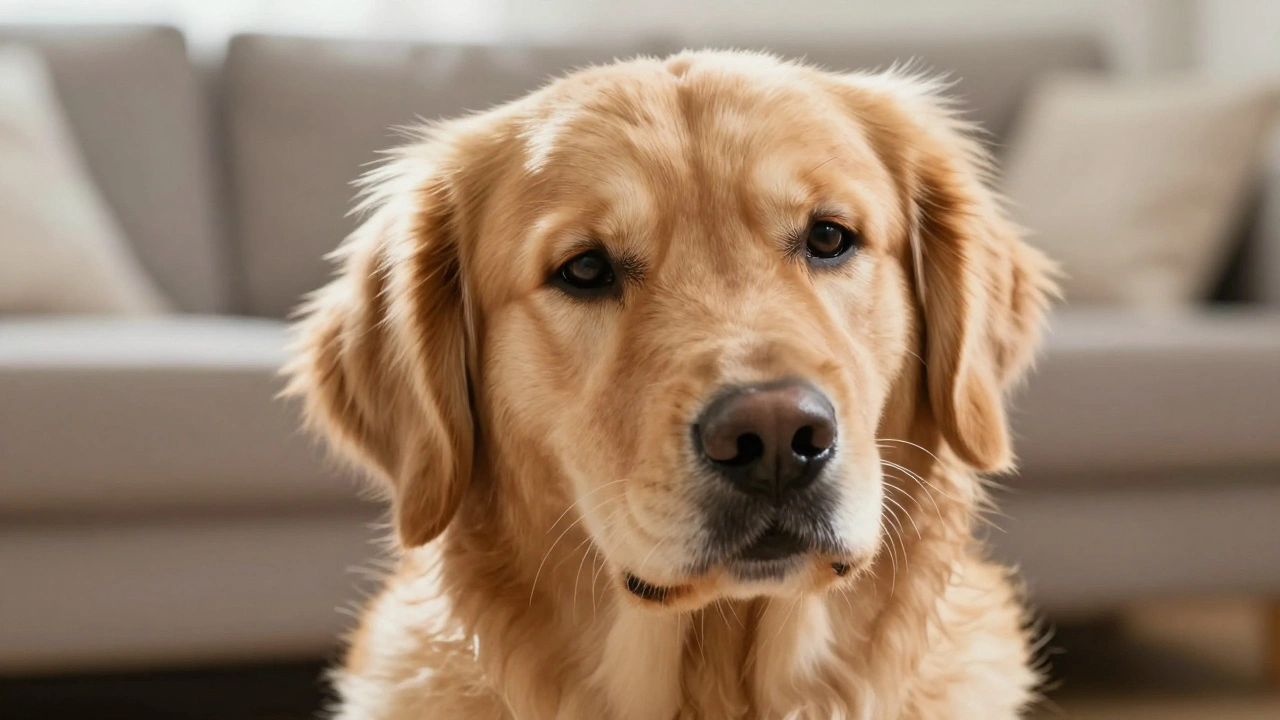
Why does this happen? For a Golden Retriever with floppy ears, it is often a lack of airflow. For a Cocker Spaniel, it might be an allergy to a specific brand of kibble causing inflammation. When the lining of the canal swells, it traps more debris, creating a vicious cycle of infection and swelling. If you catch it here, treatment is usually a simple combination of a veterinary ear cleanser and medicated drops.
When It Moves Deeper: Otitis Media
If the outer ear is the entryway, Otitis Media is the inner room. This is an infection of the middle ear, the space behind the eardrum (tympanic membrane). You cannot see this infection by looking into the ear with a flashlight; it requires a professional exam or imaging.
How does it get there? Usually, it is a "breakthrough" infection. If the inflammation from Otitis Externa is severe enough, it can cause the eardrum to rupture. Once that barrier is gone, bacteria slide right into the middle ear. Alternatively, some dogs develop this via the eustachian tube, which connects the middle ear to the back of the throat.
The signs are more subtle than the outer ear. You might notice your dog tilting their head slightly to one side, as if they are trying to hear something far away. They might be more irritable or stop responding to sounds they usually love, like the crinkle of a treat bag. Because the middle ear is responsible for transmitting sound vibrations, this infection often leads to partial hearing loss if not treated with systemic antibiotics.
The Danger Zone: Otitis Interna
Now we reach the most serious stage: Otitis Interna. This involves the inner ear, specifically the cochlea and the vestibular system. The vestibular system is essentially your dog's internal gyroscope; it tells them which way is up and helps them stay balanced.
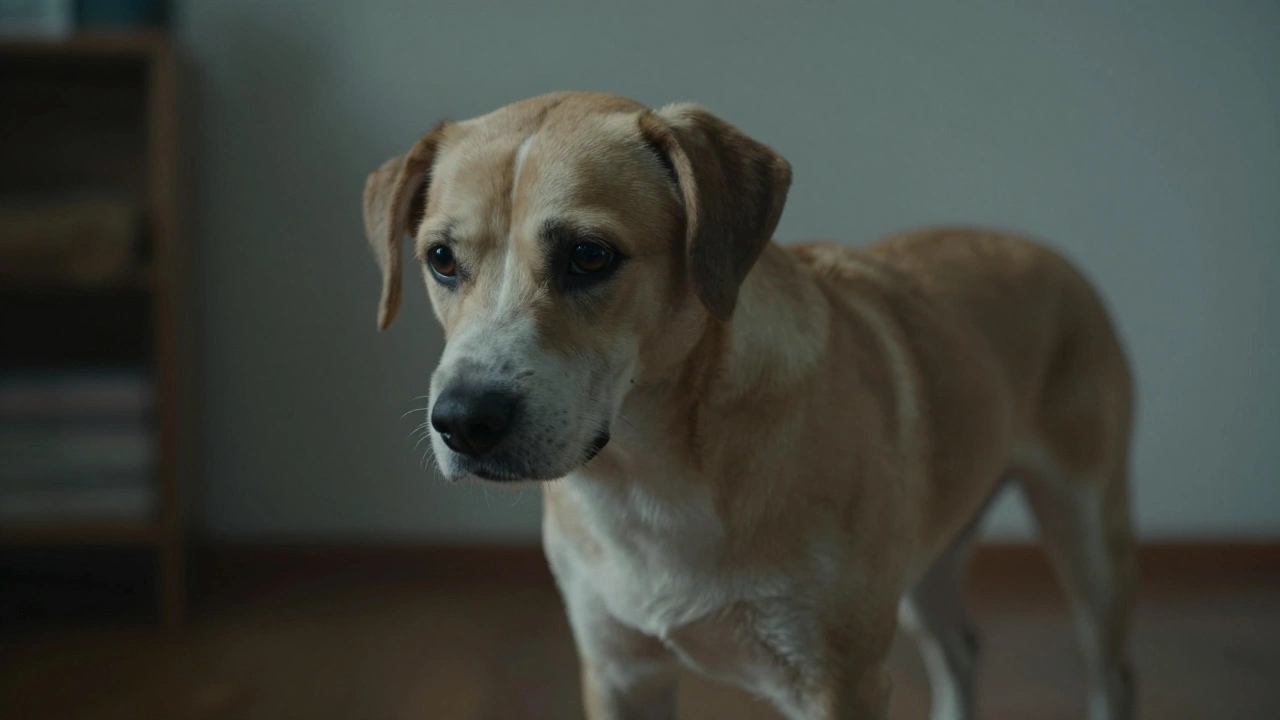
When an infection reaches this depth, it is no longer just about an "itchy ear." You are looking at a neurological event. A dog with an inner ear infection might walk in circles, lean heavily to one side, or even lose their balance completely and fall over. In severe cases, they develop "vestibular syndrome," where their eyes flick back and forth rapidly (nystagmus), making them look completely disoriented.
This is a medical emergency. If the infection is left unchecked, it can migrate further into the skull, potentially leading to meningitis or brain abscesses. Treatment usually involves high-dose antibiotics and sometimes corticosteroids to reduce the swelling around the brain and spinal cord.
| Feature | Otitis Externa | Otitis Media | Otitis Interna |
|---|---|---|---|
| Location | Outer Canal | Middle Ear | Inner Ear/Vestibular |
| Primary Symptom | Scratching & Odor | Muffled Hearing | Balance Loss & Head Tilt |
| Visibility | Visible (Waxy Discharge) | Hidden (Behind Eardrum) | Hidden (Deep Tissue) |
| Urgency | Moderate | High | Critical |
| Common Cause | Yeast/Bacteria/Moisture | Ruptured Eardrum | Advanced Infection Spread |
Common Triggers: Why Your Dog's Ears Get Sick
It is rarely just bad luck. Most ear infections have an underlying "why." One of the biggest culprits is Environmental Allergies. If your dog is allergic to pollen or grass, their skin becomes inflamed-including the skin inside the ear. This inflammation creates more oil and mucus, which is exactly what yeast loves to eat.
Then there is the "swimmer's ear" equivalent. If you have a dog that loves diving into ponds or gets bathed frequently without their ears being dried properly, you are inviting bacteria to set up camp. Water trapped in the L-shaped bend of the canal acts like a lid on a pot, trapping heat and moisture underneath.
Foreign bodies are another sneaky cause. Think of a blade of grass or a "foxtail" seed that gets stuck during a walk. These tiny needles irritate the canal and cause micro-tears in the skin. Once the skin barrier is broken, the bacteria already present on the skin rush in, causing a rapid-onset infection that can quickly move from externa to media.
How to Handle Treatment at Home and at the Clinic
The biggest mistake owners make is buying a generic "ear cleaner" from a big-box store and pouring it in before seeing a vet. If your dog has a ruptured eardrum (common in Otitis Media), certain chemicals in those cleaners can be toxic to the inner ear, causing permanent deafness or vestibular damage.
A proper veterinary visit starts with an Otoscope, a tool that lets the vet see all the way to the eardrum. They will likely take a swab for a Cytology test. This involves looking at the discharge under a microscope to see if they are fighting yeast, cocci bacteria, or rods. Treating a yeast infection with a purely antibacterial drug is like using a screwdriver to drive a nail-it just won't work.
For maintenance, the rule of thumb is "dry and clean." Use a vet-approved drying agent after baths. For dogs with chronic issues, a weekly cleaning with a pH-balanced solution can stop the yeast from ever gaining a foothold. If your dog has floppy ears, gently lifting them to let air circulate for a few minutes a day can make a massive difference.
Can a dog's ear infection go away on its own?
No. Bacterial and yeast infections in the ear will not clear up without medication. In fact, they typically get worse because the inflammation causes the ear canal to narrow, trapping the infection deeper inside. What looks like a mild itch today can become a ruptured eardrum tomorrow if left untreated.
Is it safe to use vinegar or apple cider vinegar in dog ears?
Generally, no. While vinegar is acidic and can inhibit some yeast, it is incredibly irritating to inflamed skin. If the eardrum is perforated, vinegar can cause severe pain and chemical damage to the middle ear. Always stick to veterinary-prescribed cleaners.
How can I tell the difference between a mite and an infection?
Ear mites often produce a discharge that looks like coffee grounds-dark, dry, and crumbly. Infections are usually waxy, slimy, or pus-like. However, mites often lead to secondary bacterial infections, so you usually need a vet to perform a skin scrape or swab to be sure.
Why does my dog keep getting ear infections even after treatment?
Chronic infections are usually a symptom of a deeper problem, not the primary disease. The most common cause is underlying allergies (food or environmental). If you treat the infection but don't address the allergy, the skin will remain inflamed and the infection will return as soon as the medication stops.
What are the signs of an inner ear infection (Otitis Interna)?
The hallmark signs are neurological: a pronounced head tilt, walking in circles, stumbling (ataxia), or rapid, involuntary eye movements. If your dog seems "drunk" or loses their balance, get them to a vet immediately.
Next Steps for Dog Owners
If you suspect your dog has an ear issue, start by observing their behavior. Are they shaking their head? Do they pull away when you touch their ears? Note the color and smell of any discharge. This information is gold for your vet.
For those with breeds prone to these issues, such as Poodles, Bassets, or Spaniels, establish a preventative cleaning schedule. If your dog has a history of chronic Otitis Externa, talk to your vet about a long-term allergy management plan, which might include a prescription diet or medications to stop the itch at the source.
Finally, remember that ear health is a marathon, not a sprint. Even if your dog seems "cured," finish the entire course of medication. Stopping drops the moment the smell goes away often leaves a small colony of resistant bacteria behind, which will lead to a much harder-to-treat infection in a few weeks.