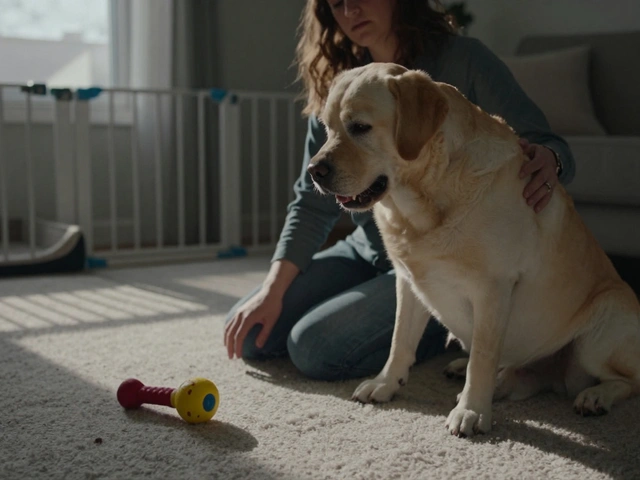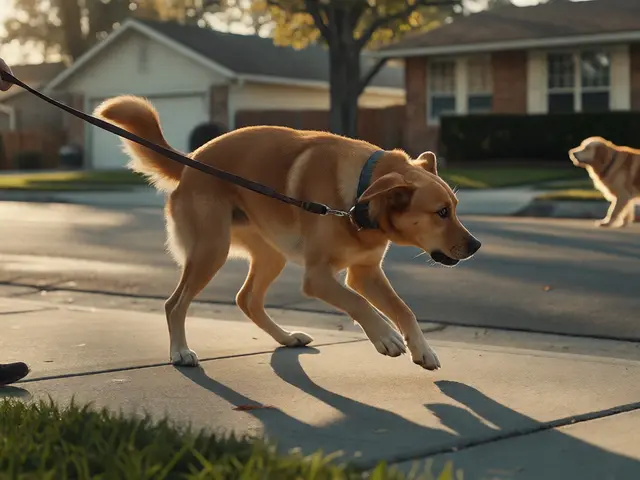
It starts with a sneeze. Then the mail carrier drops a letter on the porch. The neighbor’s kid yells across the street. Your dog sighs, licks their lips, and goes back to sleep. You think nothing of it. But inside that quiet moment, something dangerous is building.
You’ve heard of trigger stacking, a phenomenon where small, seemingly harmless stressors accumulate until your dog reaches a breaking point. It explains why your gentle companion might snap at a child or bite a vet during a routine checkup, even though they’ve never shown aggression before. This isn’t about bad dogs or bad owners. It’s about biology, cumulative stress, and the invisible threshold that every animal carries.
The Bucket Analogy: Understanding Cumulative Stress
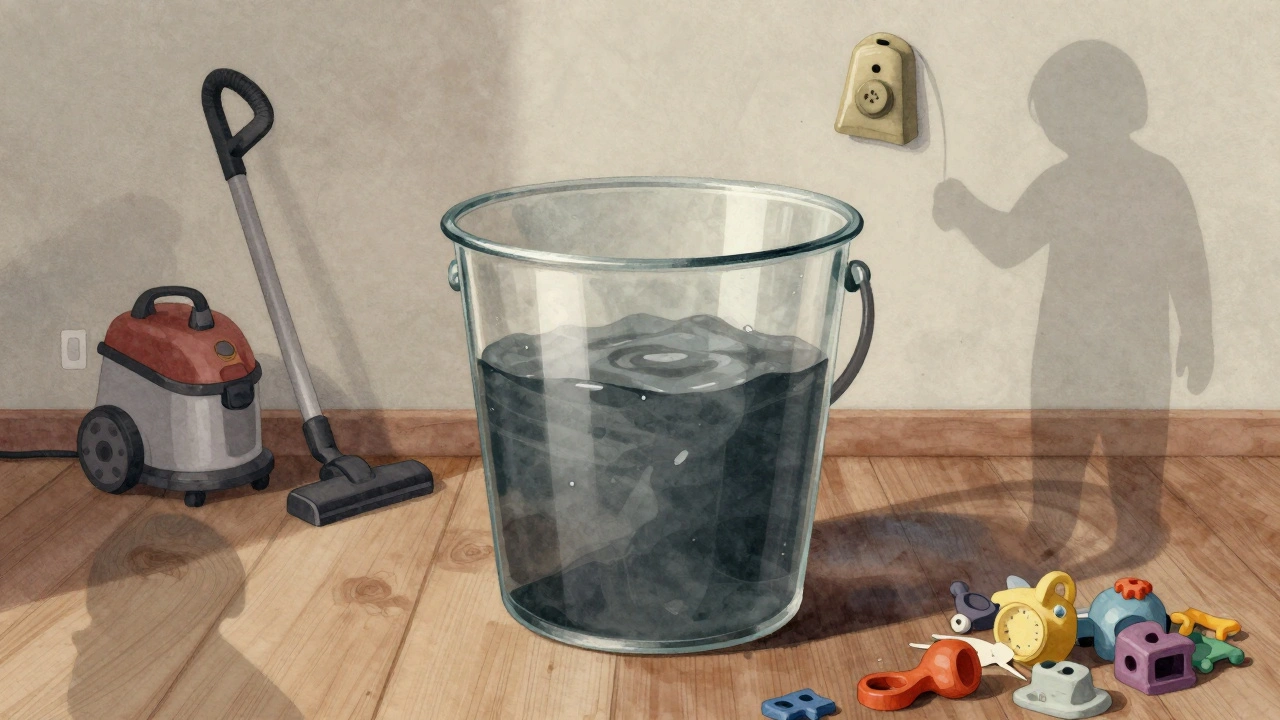
Imagine your dog has a bucket. Every stressful event adds water to that bucket. A loud thunderclap? Splash. A stranger touching their food bowl? Another splash. Being forced to play with a puppy when they want to rest? More water. When the bucket overflows, your dog reacts. That reaction might be growling, lunging, or biting.
The problem? We only see the overflow. We don’t see the dozens of splashes that happened earlier in the day. By the time the bucket spills, we label the dog as “aggressive” or “unpredictable.” In reality, the dog was screaming for help long before the bite occurred. They were showing signs. We just didn’t recognize them because they weren’t dramatic enough.
This concept was popularized by behaviorist Dr. Sophia Yin, who explained that animals have a limited capacity to cope with stress. When that capacity is exceeded, their nervous system shifts from coping mode to survival mode. In survival mode, fight-or-flight responses take over. Reasoning, training, and past experiences become irrelevant. The brain prioritizes immediate safety over social niceties.
Common Triggers That Fill the Bucket
Not all triggers are obvious. Some are environmental, some are social, and some are physical. Here are the most common culprits:
- Loud noises: Thunderstorms, fireworks, construction work, vacuum cleaners. Even if your dog doesn’t cower, these sounds register as threats.
- Social pressure: Forced greetings with strangers, children pulling ears or tails, other dogs invading personal space.
- Physical discomfort: Pain from arthritis, dental issues, or injuries. A dog in pain has less tolerance for stress.
- Environmental changes: Moving houses, new furniture, changes in routine, or unfamiliar scents in the home.
- Veterinary visits: Car rides, restraint, injections, and unfamiliar handling all contribute significantly to stress levels.
Each trigger alone might not cause a reaction. But combine three or four in a single afternoon, and you create a perfect storm. For example, your dog hears sirens while walking (splash), gets jumped on by another dog at the park (big splash), then comes home to find the TV blaring and guests arriving (more splashes). By dinner time, the bucket is full. One more touch on the shoulder, and they bite.
Recognizing Early Warning Signs
Dogs communicate their stress long before they act aggressively. The challenge is learning to read those signals. Most people miss them because they look subtle or are misinterpreted as affection.
| Behavior | What It Means | How People Often React |
|---|---|---|
| Lip licking | Calming signal indicating anxiety | Ignore or assume hunger |
| Yawning | Stress relief mechanism | Assume tiredness |
| Turning head away | Request for space | Persist with petting or commands |
| Ears pinned back | Discomfort or fear | Mistake for submission |
| Whale eye (showing whites) | High tension, potential aggression | Miss entirely |
| Freezing in place | Processing threat, deciding response | Think dog is listening |
If you notice any of these behaviors, stop what you’re doing. Give your dog space. Don’t punish them for showing stress-that only adds more water to the bucket. Instead, acknowledge their communication and adjust the environment. Move away from noise. Ask guests to ignore the dog. Let them retreat to a quiet room.

Why Trigger Stacking Leads to Bites
Biting is rarely the first choice for a dog. It’s usually the last resort after all other options fail. When trigger stacking occurs, the dog’s nervous system becomes overwhelmed. Their ability to process information diminishes. They can’t recall training. They can’t assess whether a situation is truly dangerous. All they know is that stress keeps piling up, and escape seems impossible.
Consider this scenario: Your dog loves kids but hates being hugged. At a family gathering, they endure three hugs from relatives (three splashes). Then a toddler runs up and grabs their leash (another splash). The parents laugh and say, “He’s fine!” Meanwhile, your dog is frozen, whale-eyeing the child, tail tucked. Finally, someone tries to pull the leash away. The bucket overflows. The dog snaps.
In hindsight, everyone says, “But he never bites kids!” Yes, he did. He bit because his stress threshold was breached. The bite wasn’t random. It was predictable. And it was preventable-if someone had recognized the early signs.
Managing Trigger Stacking: Practical Strategies
Preventing trigger stacking requires proactive management. You can’t control every variable, but you can reduce the number of splashes and increase your dog’s coping skills.
- Monitor daily stressors: Keep a mental log of potentially stressful events. If your dog faces multiple challenges in one day, plan extra downtime afterward.
- Create safe zones: Designate areas in your home where your dog can retreat without interruption. Use baby gates or closed doors to enforce boundaries.
- Teach consent-based interactions: Train visitors to ask permission before petting. Teach your dog to move away if uncomfortable. Reward calm behavior.
- Use desensitization: Gradually expose your dog to low-level versions of triggers. Pair exposure with high-value treats. Build tolerance slowly.
- Avoid forced socialization: Not every dog needs to meet every person or dog. Respect your dog’s preferences. Socialization should be positive, not mandatory.
- Check for medical issues: Regular vet visits help rule out pain or illness contributing to irritability. Arthritis, thyroid problems, and dental disease all lower stress thresholds.
Remember, managing trigger stacking isn’t about eliminating all stress. It’s about balancing input with output. Just like humans need breaks between meetings, dogs need recovery time between stressful events.
The Role of Body Language in Prevention
Your dog’s body tells you everything you need to know. Learning to read canine body language is the single most effective tool for preventing bites. Start observing your dog closely. Notice how they carry themselves in different situations. Do they relax when sitting quietly? Do they tense up when approached by strangers?
Pay attention to context. A wagging tail doesn’t always mean happiness. It can indicate arousal, which may lead to excitement or aggression depending on the situation. Ears forward don’t always mean confidence-they can signal alertness or tension. Context matters more than isolated gestures.
Practice reading body language in low-stakes environments. Watch videos of dogs interacting. Attend classes led by certified trainers. Join online communities focused on canine welfare. The more you learn, the better equipped you’ll be to protect your dog-and others-from unexpected incidents.

When to Seek Professional Help
If your dog shows frequent signs of stress or has already bitten someone, consult a qualified professional immediately. Look for credentials like Certified Applied Animal Behaviorist (CAAB) or Veterinary Behavior Diplomate (DACVB). Avoid trainers who rely on dominance theory or punishment-based methods. These approaches worsen trigger stacking by adding fear and confusion.
A good professional will evaluate your dog’s history, observe behavior in various settings, and develop a customized plan. This might include counterconditioning, environmental modifications, medication, or a combination. Medication isn’t failure-it’s support. Just as humans use antidepressants or anti-anxiety drugs, dogs sometimes need chemical assistance to manage severe stress.
Don’t wait until disaster strikes. Early intervention saves lives. It also preserves trust between you and your dog. Aggression isn’t inevitable. With proper understanding and care, most cases improve dramatically.
Building Resilience Over Time
Resilience isn’t innate. It’s built through consistent, respectful treatment. Dogs thrive when they feel safe, understood, and empowered. They don’t need perfection. They need predictability and kindness.
Start small. Celebrate progress. Acknowledge setbacks without blame. Every interaction is an opportunity to strengthen your bond. Over time, your dog’s bucket won’t fill as quickly. Their coping skills will improve. Their world will feel safer.
And here’s the beautiful part: as your dog becomes more resilient, so do you. You’ll become more observant, more patient, more attuned to nonverbal cues. You’ll start noticing stress signals in yourself too. That awareness transforms relationships-not just with pets, but with people.
Final Thoughts on Prevention and Empathy
Trigger stacking reminds us that aggression isn’t born in a vacuum. It emerges from accumulated pressure, misunderstood signals, and unmet needs. By recognizing this pattern, we shift from blaming individuals to addressing systems. We stop asking, “Why did my dog bite?” and start asking, “What led to this moment?”
That shift changes everything. It opens doors to prevention, education, and compassion. It encourages us to listen harder, watch closer, and respond smarter. Because behind every bite is a story waiting to be heard. Behind every stressed dog is a human capable of making a difference.
You hold that power. Use it wisely.
What exactly is trigger stacking in dogs?
Trigger stacking refers to the accumulation of minor stressors throughout a dog’s day. Each stressor adds to the dog’s overall tension level. When the total exceeds the dog’s coping capacity, it may result in aggressive behavior such as growling, snapping, or biting. The key insight is that individual triggers may seem insignificant, but together they create a significant impact.
Can trigger stacking happen in well-trained dogs?
Yes, absolutely. Training helps dogs respond appropriately under normal conditions, but it doesn’t eliminate biological limits. Even highly trained service dogs experience trigger stacking. The difference lies in preparation-trained dogs often receive additional support strategies to manage stress, reducing the likelihood of overflow.
How can I tell if my dog is experiencing trigger stacking?
Look for subtle signs like lip licking, yawning, turning away, freezing, or whale eye. These behaviors indicate rising stress levels. Track patterns over several days. If your dog consistently exhibits these signals after certain activities or environments, consider adjusting those factors to reduce cumulative stress.
Is there a way to measure a dog’s stress threshold?
There’s no standardized test, but you can estimate thresholds through observation and experimentation. Note which situations cause visible stress responses. Gradually introduce variations to gauge tolerance. Work with a behavior specialist to design controlled experiments that safely explore your dog’s limits without causing harm.
Should I medicate my dog for stress related to trigger stacking?
Medication should be considered alongside behavioral interventions, especially in severe cases. Consult a veterinary behaviorist to determine appropriateness. Drugs like fluoxetine or clomipramine can help regulate neurotransmitters involved in anxiety. Always follow prescribed dosages and monitor side effects closely.
Does breed influence susceptibility to trigger stacking?
Breed plays a role in temperament and sensitivity. Herding breeds may react strongly to movement. Scent hounds might fixate on odors. Terriers could display higher reactivity. However, individual variation exists within breeds. Focus on your specific dog’s personality rather than generalizations based on lineage.
How long does it take to reduce trigger stacking effects?
Improvement varies widely depending on severity, consistency of management, and underlying causes. Some dogs show noticeable changes within weeks. Others require months of dedicated effort. Patience and persistence are crucial. Set realistic expectations and celebrate incremental victories along the journey.
Can children learn about trigger stacking?
Absolutely. Teaching kids about canine body language empowers them to interact safely with dogs. Explain concepts using age-appropriate language. Encourage gentle touches, respect for boundaries, and recognition of warning signs. Involve children in creating calm spaces for pets. Education fosters mutual understanding and reduces accidents.
Are there supplements that help with stress in dogs?
Certain supplements may offer mild benefits. L-theanine, melatonin, and omega-3 fatty acids have shown promise in calming anxious dogs. Consult your veterinarian before starting any supplement regimen. Quality control varies among products, so choose reputable brands with third-party testing certifications.
What should I do if my dog bites due to trigger stacking?
First, ensure everyone’s safety. Separate the dog from the situation calmly. Assess injuries and seek medical attention if necessary. Document the incident thoroughly. Contact a certified animal behaviorist immediately. Avoid punishing the dog, as this exacerbates stress. Implement preventive measures moving forward to avoid recurrence.