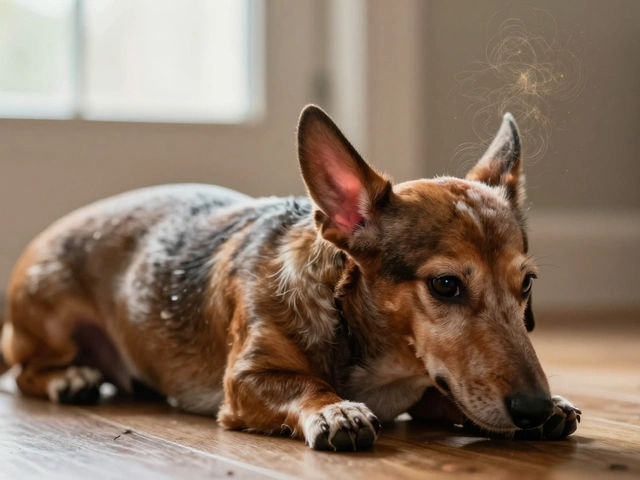
It is 2 AM, and your dog is scratching their ear with a frantic energy that usually stops at the sight of a treat. The smell? It’s not just "wet dog" anymore; it smells like old corn chips or, worse, like a hospital ward. You’re standing there wondering if this is a simple itch or something serious. The answer often lies in identifying whether the culprit is yeast or bacteria. While both cause painful inflammation known as otitis externa, they behave differently, smell different, and require distinct treatments. Getting this wrong can turn a manageable issue into a chronic nightmare for your pet.
The Smell Test: Your First Diagnostic Clue
Before you even pick up the phone to call the vet, take a moment to assess the odor. This is one of the most reliable non-invasive ways to distinguish between the two types of infections. Yeast infections, caused primarily by Malassezia pachydermatis a lipophilic yeast commonly found on the skin and ears of dogs, typically produce a sweet, musty, or distinctly "corn chip" aroma. If you lean in and catch that specific scent, odds are high you are dealing with a fungal overgrowth.
Bacterial infections tell a different story. They are often driven by Pseudomonas aeruginosa a gram-negative bacterium known for causing severe, resistant ear infections in dogs or Staphylococcus pseudintermedius a common commensal bacterium that becomes pathogenic in compromised ear environments. These infections usually emit a foul, rotten, or sour smell, reminiscent of decay. If the odor makes you want to cover your nose, it’s likely bacterial. However, don’t rely on smell alone; mixed infections are common, where bacteria and yeast thrive together in the same inflamed canal.
Visual Cues: What’s Happening Inside the Canal
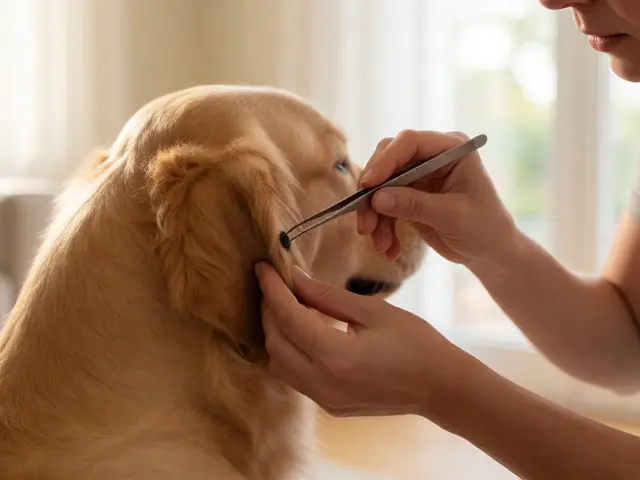
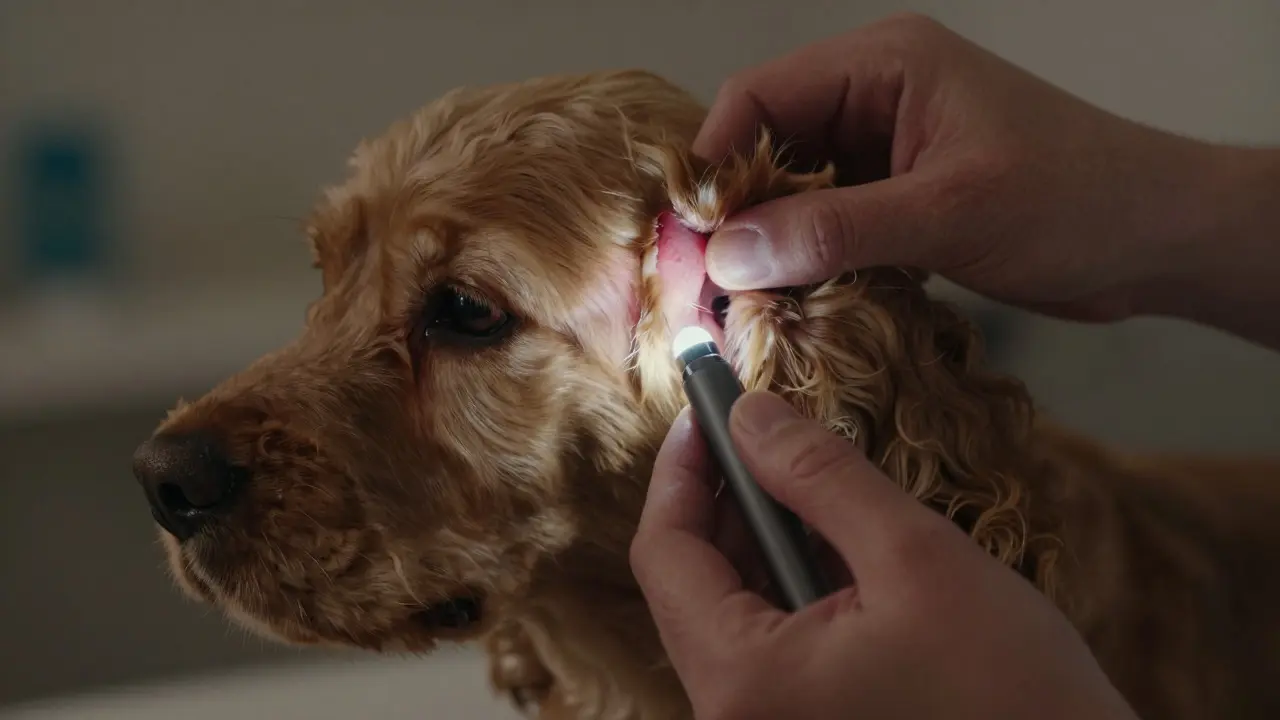
Lighting matters here. Use a penlight to gently inspect the outer ear flap (pinna) and the visible part of the ear canal. Look for color changes. Healthy dog ears should be pinkish-tan, matching the dog’s natural pigmentation. An infected ear will appear red, swollen, or hot to the touch due to increased blood flow and inflammation.
Now, look at the discharge. This is where the visual differences become stark:
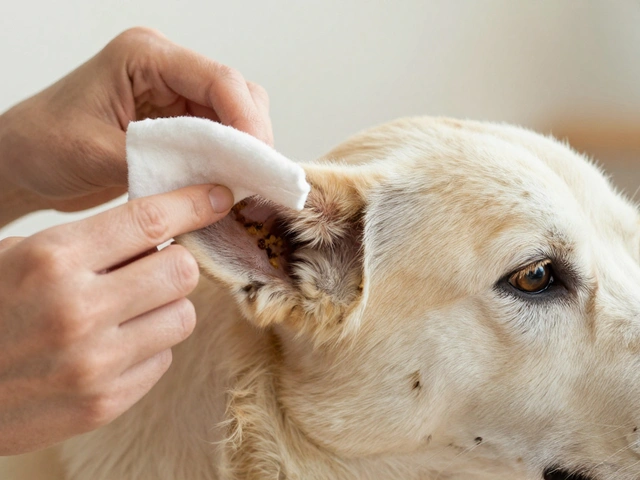
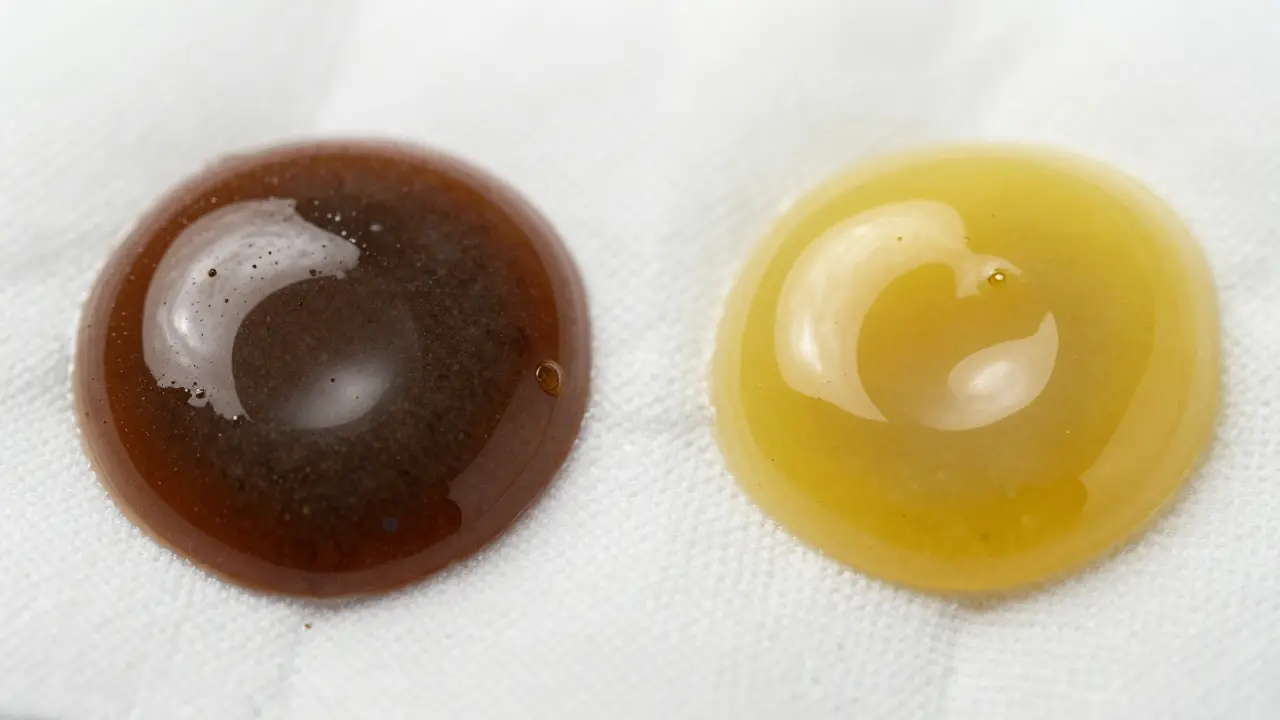
- Yeast Discharge: Typically dark brown, black, or reddish-brown. It often looks wet and greasy, resembling coffee grounds or rust-colored fluid. You might also notice flaky, dandruff-like debris around the ear opening.
- Bacterial Discharge: Usually yellow, green, or purulent (pus-filled). It tends to be thicker and more opaque than yeast discharge. In severe cases, the pus may have a bloody tint if the tissue is eroded.
If you see bright red raw skin or open sores inside the canal, the infection has progressed beyond mild irritation. At this stage, the pain is significant, and home remedies are no longer safe options. The structural integrity of the ear canal is compromised, making it prone to further damage from aggressive scratching or head shaking.
Behavioral Signs: How Your Dog Reacts
Dogs rarely complain verbally, but their body language speaks volumes. Both yeast and bacterial infections cause pruritus (itching), but the pattern can differ slightly. With yeast infections, the itching is often intense and localized to the outer ear flap and the entrance of the canal. You’ll see your dog rubbing their ear against furniture, carpet, or your leg. Head tilting is another classic sign, especially if the inner ear (otitis media) is involved.
Bacterial infections, particularly those involving Pseudomonas, tend to be more painful than itchy. You might notice your dog holding their head tilted to one side, flinching when you touch the ear, or refusing to let anyone near that side of their face. The pain stems from the pressure buildup within the ear canal due to thick pus and swelling. If your dog is crying out or showing aggression when the ear is touched, assume acute pain until proven otherwise.
Why Does One Type Win Over the Other?
Understanding the root cause helps prevent recurrence. Neither yeast nor bacteria exists in a vacuum; they exploit underlying conditions. The most common predisposing factors include:
- Allergies: Food allergies or environmental allergies (atopy) cause chronic inflammation in the ear canal, creating a warm, moist environment perfect for microbial growth.
- Anatomy: Breeds with floppy ears, such as Cocker Spaniels a breed prone to otitis externa due to their heavy ear set and lack of air circulation, Bulldogs brachycephalic dogs with narrow ear canals susceptible to moisture retention, and Beagles hounds with long, pendulous pinnae that trap humidity, are at higher risk because their ears don’t dry out easily after baths or swims.
- Moisture Retention: Water trapped in the ear after swimming or bathing disrupts the natural pH balance, allowing opportunistic pathogens to multiply rapidly.
- Immune System Issues: Underlying endocrine disorders like hypothyroidism or diabetes can weaken local immune defenses, making recurrent infections more likely.
Without addressing these underlying causes, treating only the surface infection is like mopping the floor while the faucet is still leaking. The infection will return, often stronger and more resistant to treatment.
Diagnosis: Why Home Guesswork Fails
You might think you can diagnose this at home based on smell and color. Sometimes, yes. But frequently, the presentation is ambiguous. A dog can have a primary yeast infection that has been secondary colonized by bacteria. Or, a bacterial infection might be masking an underlying allergic reaction that keeps reigniting the problem.
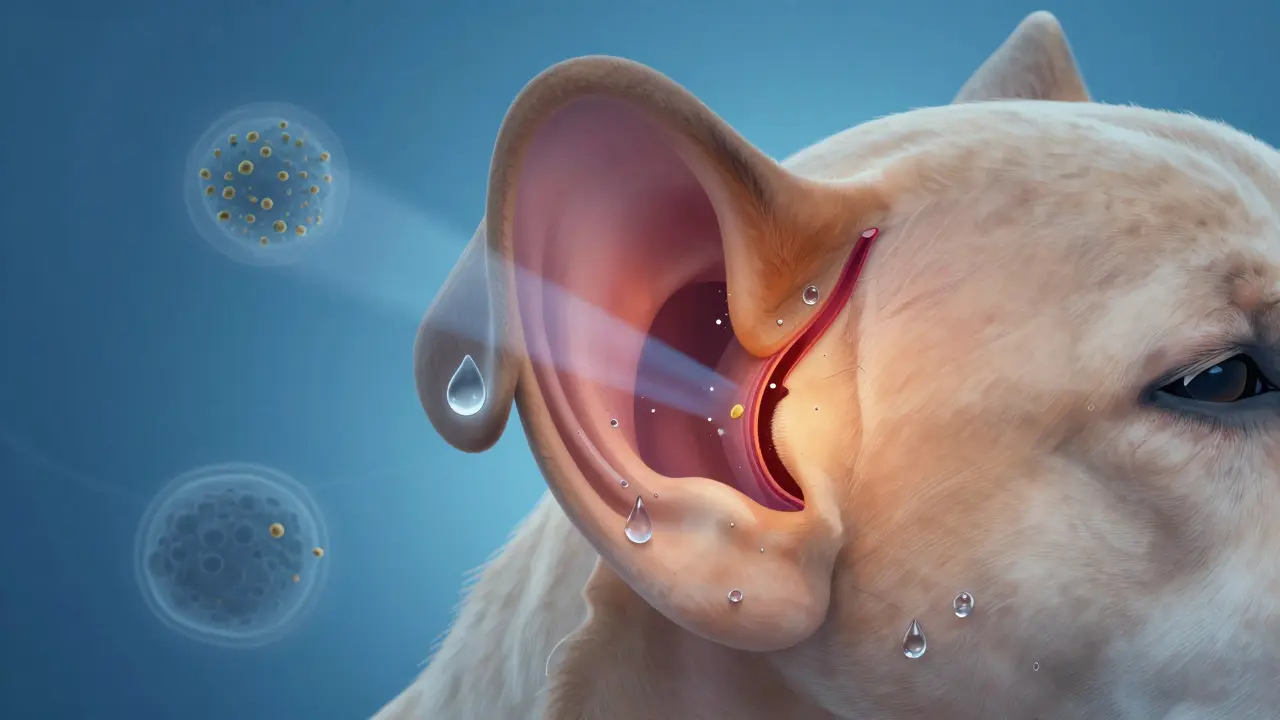
This is why veterinary diagnosis involves cytology. A veterinarian uses a sterile swab to collect samples from deep within the ear canal. They stain the sample and view it under a microscope. This allows them to count the number of yeast cells and bacteria present. If there are more than 10 organisms per oil immersion field, it’s considered clinically significant. This objective data determines whether you need antifungal medication, antibiotics, or both.
In complex cases, culture and sensitivity testing may be required. This process grows the bacteria in a lab to identify exactly which antibiotic will kill it. This is crucial for chronic cases where standard broad-spectrum antibiotics fail. Relying on guesswork here can lead to antibiotic resistance, a growing concern in veterinary medicine.
Treatment Protocols: Antifungals vs. Antibiotics
Once the diagnosis is clear, the treatment plan follows logically. For pure yeast infections, topical antifungal agents are the first line of defense. Common ingredients include miconazole, clotrimazole, or ketoconazole. These are usually delivered via ear drops or ointments. Oral antifungals like fluconazole are reserved for severe or systemic cases.
For bacterial infections, topical antibiotics are standard. Options include gentamicin, neomycin, or enrofloxacin. However, if the eardrum is ruptured (which can happen with severe infection or trauma), certain aminoglycoside antibiotics like gentamicin can be toxic to the inner ear, causing permanent hearing loss. This is why a physical exam checking the tympanic membrane is essential before prescribing drops.
Here is a comparison of the typical treatment approaches:
| Feature | Yeast Infection | Bacterial Infection |
|---|---|---|
| Primary Pathogen | Malassezia pachydermatis | Pseudomonas aeruginosa, Staphylococcus spp. |
| Typical Odor | Sweet, musty, corn-chip | Foul, rotten, sour |
| Discharge Color | Dark brown, black, greasy | Yellow, green, purulent |
| Topical Medication | Antifungals (Miconazole, Clotrimazole) | Antibiotics (Gentamicin, Enrofloxacin) |
| Oral Medication | Fluconazole (severe cases) | Systemic antibiotics (chronic cases) |
| Key Risk | Recurrence if allergies untreated | Antibiotic resistance, eardrum rupture |
Prevention: Breaking the Cycle
Preventing ear infections is about managing the environment inside the ear canal. Regular cleaning is key, but technique matters more than frequency. Use a vet-approved ear cleaner that breaks down wax without drying out the skin. Avoid using cotton swabs (Q-tips) deep in the canal, as they pack wax deeper and can scratch the delicate tissue, introducing new bacteria.
After bathing or swimming, dry the ears thoroughly. Hold the ear flap up and tilt the head to let water drain. You can use a soft towel to blot excess moisture. Some owners use alcohol-based drying solutions, but these can be irritating if used too frequently. For dogs with recurring issues, managing allergies through diet trials or immunotherapy is the most effective long-term strategy. By reducing the baseline inflammation, you remove the fuel that feeds both yeast and bacteria.
When to Worry: Red Flags
Most ear infections respond well to treatment within two to four weeks. However, watch for these signs that indicate complications:
- Loss of balance or coordination (ataxia), suggesting inner ear involvement.
- Sudden deafness or unresponsiveness to sound.
- Swelling behind the ear that feels hard and bony, indicating osteomyelitis (bone infection).
- Facial nerve paralysis, where one eyelid droops or the tongue deviates.
Can a dog have both yeast and bacterial ear infections at the same time?
Yes, mixed infections are very common. Often, a primary yeast infection creates an environment where bacteria thrive, or vice versa. This is why cytology (microscopic examination) is recommended over guessing based on symptoms alone. Treatment may require both antifungal and antibacterial medications simultaneously.
How long does it take to cure a dog's ear infection?
Simple external infections typically resolve within 7 to 14 days with proper treatment. Chronic or recurrent infections may take 4 to 6 weeks. If the underlying cause (like allergies) is not addressed, the infection may persist or return immediately after treatment ends.
Are human ear drops safe for dogs?
Generally, no. Human ear drops may contain ingredients that are toxic to dogs, such as hydrogen peroxide (which irritates tissue) or certain steroids that can mask symptoms without curing the infection. Always use products specifically formulated for canine use unless directed by a veterinarian.
What is the best way to clean my dog's ears at home?
Use a vet-recommended ear cleanser. Fill the ear canal with solution, massage the base of the ear for 30 seconds to break up wax, then allow your dog to shake their head. Wipe away the loosened debris with a cotton ball or soft cloth. Never insert anything deeper than what you can see clearly.
Do floppy-eared breeds really get more ear infections?
Yes. Breeds like Cocker Spaniels, Basset Hounds, and Bulldogs have heavier ear flaps that reduce air circulation. This traps heat and moisture, creating an ideal breeding ground for yeast and bacteria. Regular weekly cleaning is often necessary for these breeds to maintain ear health.