Imagine picking up your dog for a hug and feeling the extra three inches of softness where muscle should be. It’s not just a cosmetic issue; it’s a ticking clock for joint pain, diabetes, and heart strain. Yet, seeing real dog weight loss success stories changes everything. These aren't staged photos with filters. They are actual cases from veterinary clinics in Portland and beyond, showing that with the right approach, even the most stubbornly overweight pets can transform. The key isn't starving them-it's understanding the biology behind their bulk and adjusting the environment around them.
The Science Behind Canine Obesity
To fix the problem, you have to understand why it happens. Canine obesity is a condition where a dog stores excess body fat, typically defined as being 15% or more above its ideal body weight. Unlike humans who might overeat due to stress, dogs often gain weight because their owners underestimate caloric density. A single cup of kibble varies wildly in calories depending on the brand. A high-calorie formula meant for active working dogs can be disastrous for a sedentary family pet.
Furthermore, breed predisposition plays a massive role. Breeds like Bulldogs, Pugs, and Labradors have genetic markers that slow down their metabolism or increase appetite hormones. If you own one of these breeds, the margin for error is smaller. You aren't fighting just laziness; you're fighting genetics. This is why a "one-size-fits-all" diet rarely works. What works for a fit Border Collie will likely put on a Cocker Spaniel.
Case Study: Bella, the Bulldog Who Lost 18 Pounds
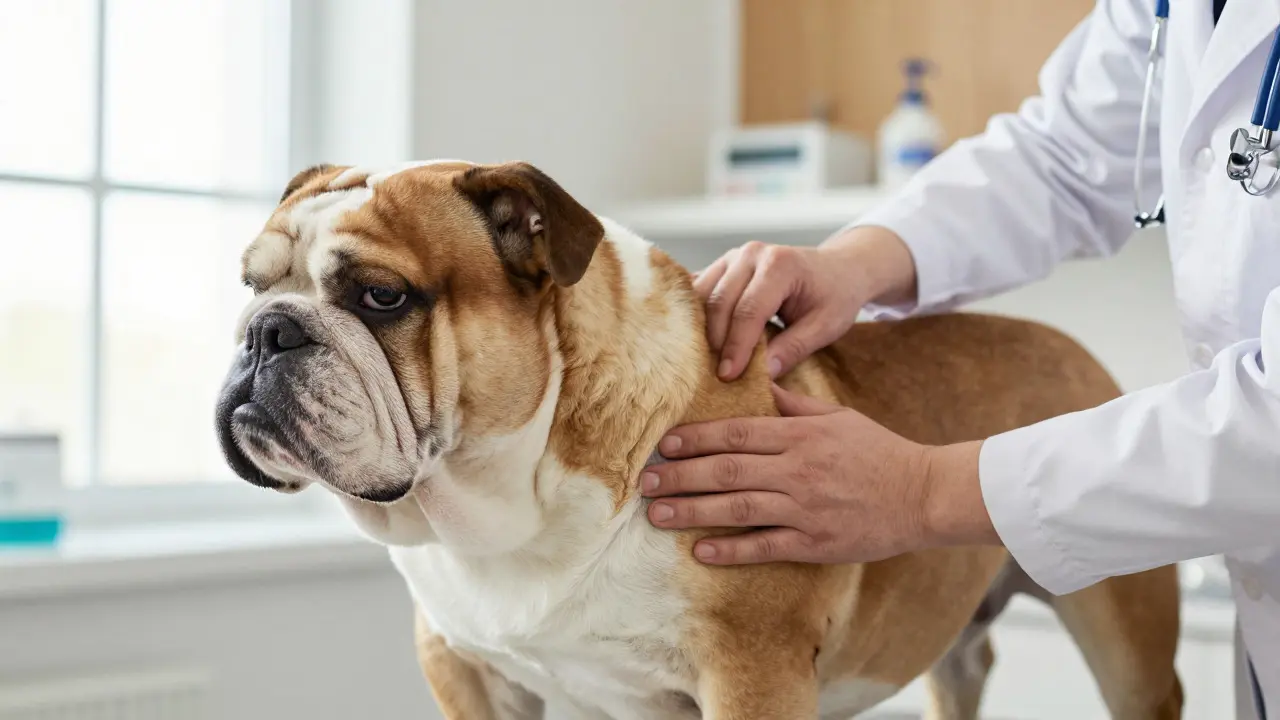
Bella was a four-year-old English Bulldog weighing 62 pounds when her owner, Sarah, brought her to a local clinic in Portland. Her ideal weight was around 44 pounds. Bella couldn't climb stairs without gasping, and her skin folds were infected due to moisture trapped by her bulk. The vet diagnosed her with early-stage osteoarthritis in her hips, a direct result of the extra load on her joints.
The plan wasn't drastic. It started with switching her food from a generic high-energy kibble to a clinical diet designed for weight management. This specific food had higher protein and lower fat, which helped preserve muscle mass while burning fat. But the biggest change wasn't the bowl; it was the treat jar. Sarah replaced daily cheese cubes with measured portions of freeze-dried liver, totaling only 10% of Bella's daily caloric intake. Within six months, Bella dropped to 44 pounds. She climbed stairs again. Her breathing normalized. The lesson here? Treats are often the hidden calorie bomb. They account for nearly half the weight gain in many obese dogs.
Case Study: Max, the Labrador with a Metabolic Twist
Max was a seven-year-old Labrador Retriever who gained weight slowly over two years. His owner, David, thought he was just "getting old." Max went from 75 pounds to 92 pounds. At first glance, this looks like typical senior weight gain. But during his check-up, blood work revealed elevated thyroid levels. Max had hypothyroidism, a condition where the thyroid gland doesn't produce enough hormone, slowing down metabolism significantly.
Without addressing the root cause, diet alone would have been a battle against physics. David started Max on levothyroxine medication to regulate his thyroid. Simultaneously, they adjusted his diet to a lower-carb profile, as carbs can be harder for hypothyroid dogs to process. Within eight months, Max lost 15 pounds and regained his energy for morning walks. This case highlights a critical point: if your dog is gaining weight despite strict portion control, ask your vet about metabolic disorders like hypothyroidism or Cushing's disease. You can't out-diet a broken engine.
The Role of Exercise and Environmental Design
Diet controls about 80% of the outcome, but exercise handles the other 20%-and that 20% determines whether your dog stays healthy or gets injured. For an overweight dog, running is a bad idea. Impact on joints is too high. Instead, low-impact activities like swimming or slow leash walking are safer. In Portland, the rain makes outdoor walking tricky, so indoor options matter. Treadmills can be useful, but only if introduced gradually. Start at 0.5 mph for five minutes. Build up slowly.
Environmental design is another powerful tool. Many dogs beg at the table because they see us eating. This triggers a conditioned response. To break this, feed your dog in a separate room during meals. Use puzzle feeders instead of standard bowls. A standard bowl allows a dog to inhale food in seconds, spiking insulin rapidly. A puzzle feeder slows consumption time to 15-20 minutes, helping regulate blood sugar and signaling fullness to the brain longer. It’s a small change with a big impact on satiety.
Nutrition Strategies That Actually Work
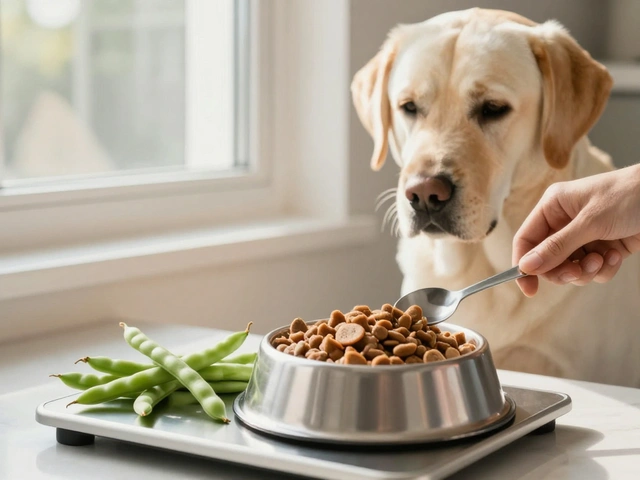
When choosing food, look for specific metrics. High-quality protein sources should be listed first. Avoid fillers like corn syrup or excessive grain derivatives that add volume without nutritional value. Wet food can be helpful because it has higher water content, making the dog feel fuller with fewer calories. However, weigh the wet food. Do not guess. A scale is cheap and essential. Measure every meal. Every snack. Every dental chew. If it goes in the mouth, it counts toward the daily limit.
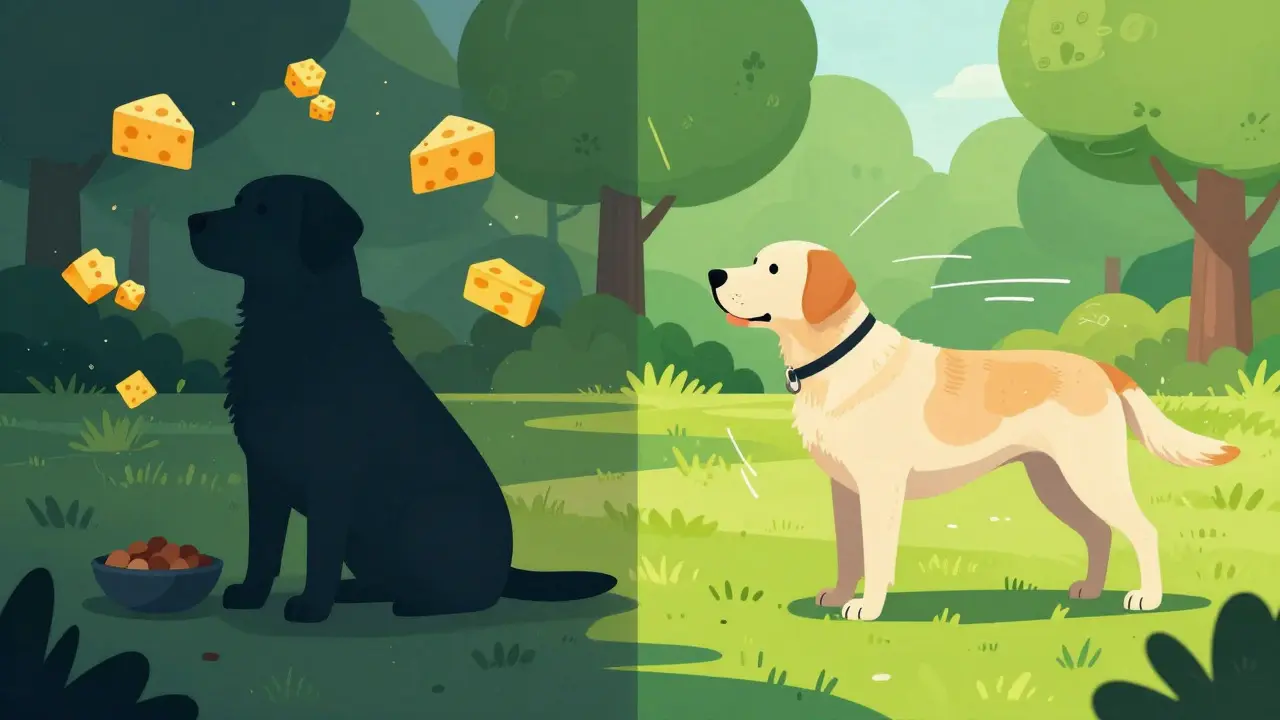
Consider the concept of caloric density. One ounce of cheese has roughly 100 calories. One cup of plain green beans has about 30 calories. Swapping high-density treats for low-density vegetables keeps the dog satisfied without blowing the budget. This is especially important for multi-pet households where one dog might be underweight while another is obese. Separate feeding stations prevent the heavier dog from stealing the lighter dog's portion, ensuring each animal gets exactly what they need.
| Strategy | Effectiveness | Risk Factor | Best For |
|---|---|---|---|
| Strict Portion Control | High | Low | All dogs |
| Switching to Clinical Diet | Very High | Medium (Cost) | Severe obesity |
| Swimming Therapy | Medium | Low | Arthritic or elderly dogs |
| Medication (Thyroid/Cortisol) | Critical | Requires Monitoring | Metabolic disorders |

Maintaining the Weight Loss
Losing weight is the hard part. Keeping it off is the marathon. Many owners relax their guard once the target weight is hit, leading to rebound weight gain. To prevent this, establish a new normal. Keep using the scale monthly. Weigh your dog at the same time of day, ideally before breakfast. Track the number. If it creeps up by more than 2 pounds, adjust the portion size immediately. Don't wait for it to become a problem again.
Also, monitor activity levels. As your dog loses weight, their energy may increase. This is good, but it means they might want to eat more to fuel that energy. Resist the urge to reward increased activity with extra food. Reward it with playtime instead. Consistency is the glue that holds all these strategies together. It’s not about perfection; it’s about persistence.
Frequently Asked Questions
How fast should a dog lose weight?
A safe rate of weight loss is 1-2% of body weight per week. Losing weight faster than this can lead to muscle loss and liver issues. For a 60-pound dog, that means losing about 0.6 to 1.2 pounds per week. Patience is crucial here. Rapid weight loss is often unsustainable and dangerous for older dogs.
Should I stop giving my dog treats entirely?
No, but you must count them. Treats should make up no more than 10% of your dog's total daily caloric intake. If your dog eats 1,000 calories a day, treats should not exceed 100 calories. Swap high-fat treats for low-calorie alternatives like carrots, cucumber slices, or air-dried meat pieces.
Is it better to feed twice a day or once a day for weight loss?
For most dogs, splitting the daily portion into two meals helps maintain stable blood sugar levels and reduces begging behavior. Some dogs do better with three smaller meals if they have digestive sensitivities. Experiment to see which schedule keeps your dog calmest and most satisfied between meals.
What if my dog is still hungry after eating?
Hunger signals can take weeks to recalibrate. Increase the volume of food by adding zero-calorie or low-calorie fillers like cooked broccoli or green beans to the kibble. This adds bulk without significant calories. Ensure the food is high-protein, as protein is more satiating than carbohydrates or fats.
Do I need special veterinary food for weight loss?
Not always. Regular high-quality kibble can work if strictly portioned. However, clinical diets often have optimized macronutrient ratios specifically designed for fat loss while preserving lean mass. If your dog has underlying health issues like diabetes or kidney disease, a prescription diet is highly recommended to manage those conditions alongside weight loss.