
Most dog owners know that vet bills can spike overnight - a sudden limp, an upset stomach, or an ear infection can cost hundreds in a single visit. But what if you could avoid those surprises altogether? That’s where wellness coverage add-ons for dog insurance come in. They’re not the same as accident-and-illness plans. Think of them as your dog’s annual checkup, vaccines, and flea prevention rolled into one predictable monthly cost.
What Exactly Is Wellness Coverage?
Wellness coverage, sometimes called preventive care coverage, is an optional add-on to standard pet insurance. While traditional pet insurance covers unexpected emergencies like broken bones or cancer treatments, wellness plans focus on routine care that keeps your dog healthy before problems start.
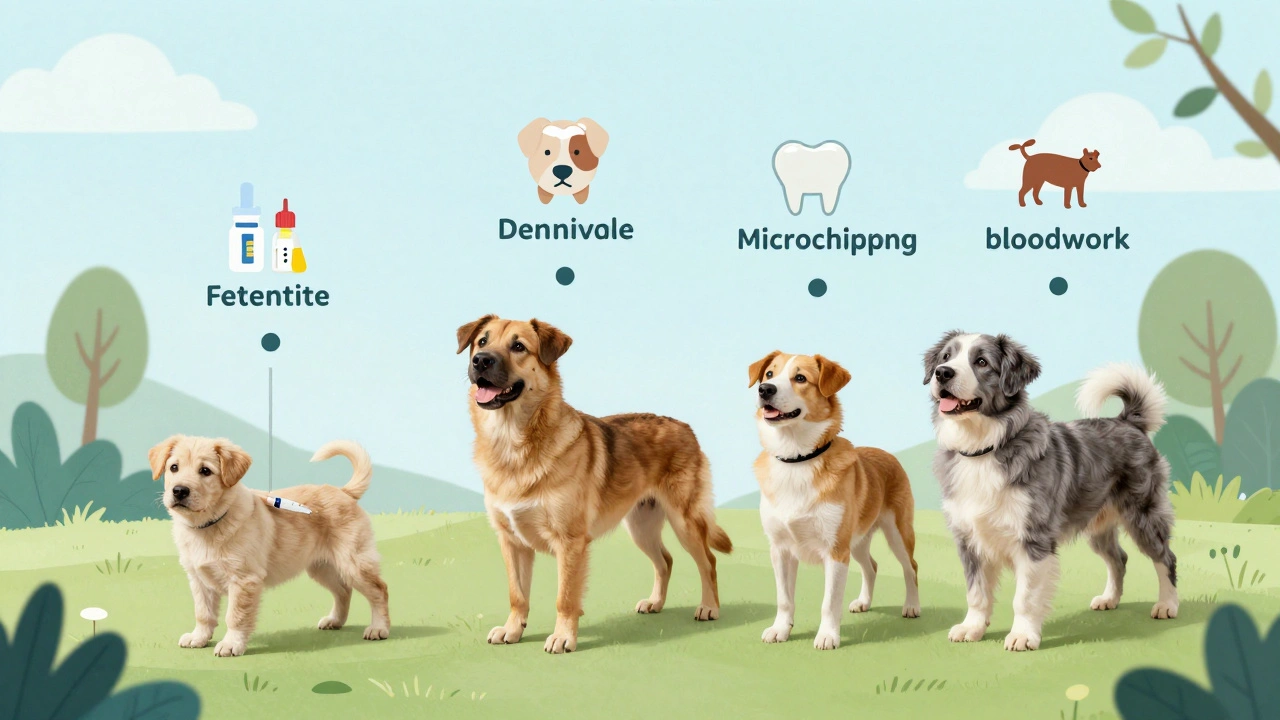
Typical services included in wellness plans:
- Annual or biannual physical exams
- Core vaccines (rabies, DHPP, leptospirosis)
- Flea, tick, and heartworm prevention
- Dental cleanings (often one per year)
- Bloodwork (annual wellness panels)
- Fecal parasite screenings
- Microchipping
These aren’t luxury services - they’re the backbone of long-term dog health. According to the American Veterinary Medical Association, dogs that receive regular wellness care live, on average, 1.5 to 2 years longer than those who don’t. And the cost? Most plans run between $15 and $40 per month, depending on your dog’s size and location.
Why Most Dog Owners Skip It (And Why They Shouldn’t)
Let’s be honest - many people think, “My dog’s fine. Why pay extra?” But here’s the reality: dogs hide pain. A dog with early kidney disease won’t act sick until it’s too late. A dog with periodontal disease might still eat normally, but that rotting tooth is silently stressing its whole body.
A 2023 study from the University of California, Davis tracked 1,200 dogs over five years. Those with consistent wellness care had 62% fewer emergency visits and 47% lower lifetime vet costs. Why? Because small issues - like a minor ear infection or early weight gain - were caught and fixed before they became big, expensive problems.
And here’s something most pet insurance ads don’t tell you: wellness coverage often pays for itself. For example, a typical annual wellness plan might cost $300. But a single dental cleaning? That’s $400 to $800. A heartworm test and prevention for a year? $150. Vaccines? $75. Add it up - you’re saving money just by sticking to the plan.
How Wellness Add-Ons Compare to Standard Pet Insurance
It’s easy to confuse wellness coverage with accident-and-illness insurance. They’re not the same. Here’s how they differ:
| Feature | Standard Pet Insurance | Wellness Coverage Add-On |
|---|---|---|
| Covers | Accidents, illnesses, surgeries, cancer | Preventive care: vaccines, checkups, flea/tick meds |
| Reimbursement | 70-90% after deductible | Usually 100% (no deductible) |
| Monthly Cost | $30-$100+ | $15-$40 |
| Waiting Period | 14-30 days | Usually none |
| Annual Limit | $5,000-$20,000 | $200-$600 (capped per year) |
Think of it like car insurance: collision coverage protects you after an accident. But oil changes and tire rotations? Those are maintenance - and they keep the whole system running. Wellness coverage is the maintenance for your dog.

What to Look for in a Wellness Plan
Not all wellness plans are created equal. Some companies offer bare-bones packages. Others include extras like acupuncture, CBD supplements, or even grooming discounts. Here’s what to check before signing up:
- Annual cap - Does it cover $300 or $600? A $300 cap won’t cover a full dental cleaning in most cities.
- Frequency limits - Some plans only cover one dental cleaning per year. That’s fine - but make sure it’s enough.
- Brand restrictions - Does it require specific flea/tick preventives? Some plans only reimburse for certain brands like NexGard or Revolution.
- Renewal terms - Does the price go up every year? Some plans increase by 5-10% annually. Look for fixed-rate options.
- Claim process - Do you pay upfront and get reimbursed? Or does the vet bill the insurer directly? Direct billing is easier.
For example, in Portland, a routine dental cleaning costs about $550. If your wellness plan only covers $300, you’re still paying $250 out of pocket. That’s not saving money - it’s just spreading the cost.
Real-World Example: A Dog Named Max
Max, a 4-year-old Golden Retriever from Portland, had a standard accident-and-illness plan. His owner skipped the wellness add-on because she thought he was “healthy.” Then, in December, Max started licking his paws constantly. The vet found severe allergies and early kidney stress - both treatable if caught early.
His owner had to pay $780 for bloodwork, allergy testing, and a special diet. Had Max been on a $35/month wellness plan, those tests would’ve been covered in his annual wellness visit - and the issue would’ve been spotted months earlier.
Max’s vet told his owner: “Dogs don’t get sick overnight. They get sick over time. Wellness care is the only thing that catches that slow burn.”
Who Benefits Most from Wellness Coverage?
It’s not just for older dogs. Puppies need vaccines and deworming. Adult dogs need flea prevention and dental cleanings. Seniors need bloodwork to monitor organ function.
Here’s who gets the biggest bang for their buck:
- Puppies - Vaccines and deworming add up fast. A full puppy series can cost $200-$400.
- Large breeds - They’re more prone to joint issues and heart disease. Annual screenings catch problems early.
- Brachycephalic breeds - Bulldogs, Pugs, Shih Tzus - they need extra monitoring for breathing and dental issues.
- Dogs with chronic conditions - Even if they’re on a management plan, wellness visits help track progress.
Even if your dog seems perfect, routine care is your best insurance against future bills.
Common Misconceptions
- “My dog doesn’t need vaccines if he never goes outside.” - Even indoor dogs can get rabies from bats or other animals that enter homes. Rabies vaccination is legally required in most states.
- “I can just buy flea meds at the store.” - Over-the-counter products are often less effective and can be toxic. Prescription preventives are safer and covered under most wellness plans.
- “I’ll just save up for vet bills.” - Emergency care isn’t predictable. A single ACL surgery can cost $4,000. Wellness care costs $400-$600 a year. Which is easier to budget?
How to Add Wellness Coverage to Your Policy
Most pet insurers let you add wellness coverage when you first sign up. But even if you’ve had insurance for a year, you can usually add it during renewal. Here’s what to do:
- Check your current policy - look for a “wellness” or “preventive care” option in your account dashboard.
- Call your provider - ask if it’s available and what’s included.
- Compare plans - some companies bundle wellness with accident coverage. Others sell it separately.
- Review your vet’s fees - ask them what routine services cost in your area. Make sure the plan covers enough.
- Enroll - many plans start immediately, with no waiting period.
Don’t wait until your dog is sick. Wellness coverage is about prevention - not reaction.
What If Your Insurance Doesn’t Offer It?
If your current pet insurer doesn’t offer wellness add-ons, you have options:
- Switch providers - companies like Pumpkin, Healthy Paws, and Embrace offer wellness packages.
- Use a veterinary savings plan - some clinics offer their own wellness memberships (often cheaper than insurance).
- Set up a separate pet savings account - even $25/month adds up. Keep it in a high-yield savings account.
Just don’t skip routine care because your insurance doesn’t cover it. Your dog’s health isn’t optional.
Is wellness coverage worth it for a healthy dog?
Yes. Even healthy dogs benefit from annual exams and preventive treatments. Many serious conditions - like kidney disease, thyroid issues, or dental decay - show no symptoms until they’re advanced. Wellness coverage catches these early, saving money and extending your dog’s life.
Can I use wellness coverage at any vet?
Most wellness plans work with any licensed veterinarian in the U.S. Some may require you to use network providers for certain services, but routine care like vaccines and checkups is usually accepted anywhere. Always check your plan’s fine print.
Does wellness coverage cover spaying or neutering?
It depends on the plan. Some include spay/neuter surgery as part of the package, especially for puppies. Others exclude it, treating it as a one-time procedure under accident-and-illness coverage. Always ask before enrolling.
How much does a typical wellness plan cost per year?
Most wellness plans cost between $180 and $480 per year, depending on your dog’s size and location. In urban areas like Portland, prices are on the higher end due to higher vet costs. Small dogs usually cost less than large breeds.
Can I get wellness coverage for an older dog?
Yes. Many insurers allow you to add wellness coverage to dogs up to 10 or 12 years old. Some even cover seniors with modified benefits - like more frequent bloodwork or joint supplements. Age limits vary by provider, so check before enrolling.