Bringing home a puppy is exciting, but it’s also a lot like raising a tiny, furry human. They grow fast-sometimes too fast. One month they’re clumsy and sleepy, the next they’re chewing your shoes and barking at squirrels. Knowing what to expect each month helps you stay ahead of problems and build a strong bond. This isn’t about perfection. It’s about understanding your puppy’s changing needs so you can guide them, not just react to them.
Weeks 1-4: The Neonatal Stage
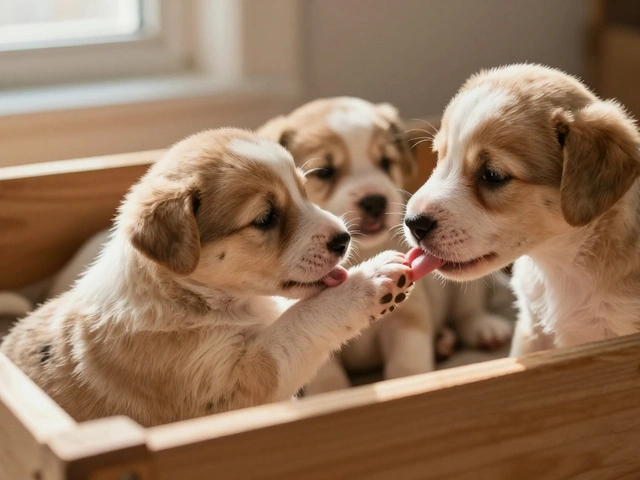
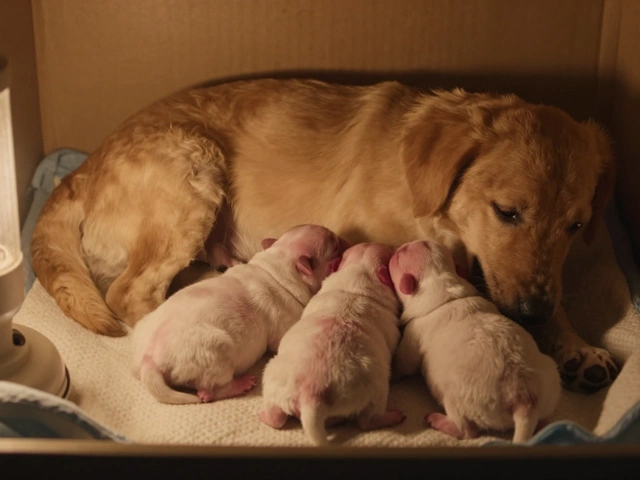
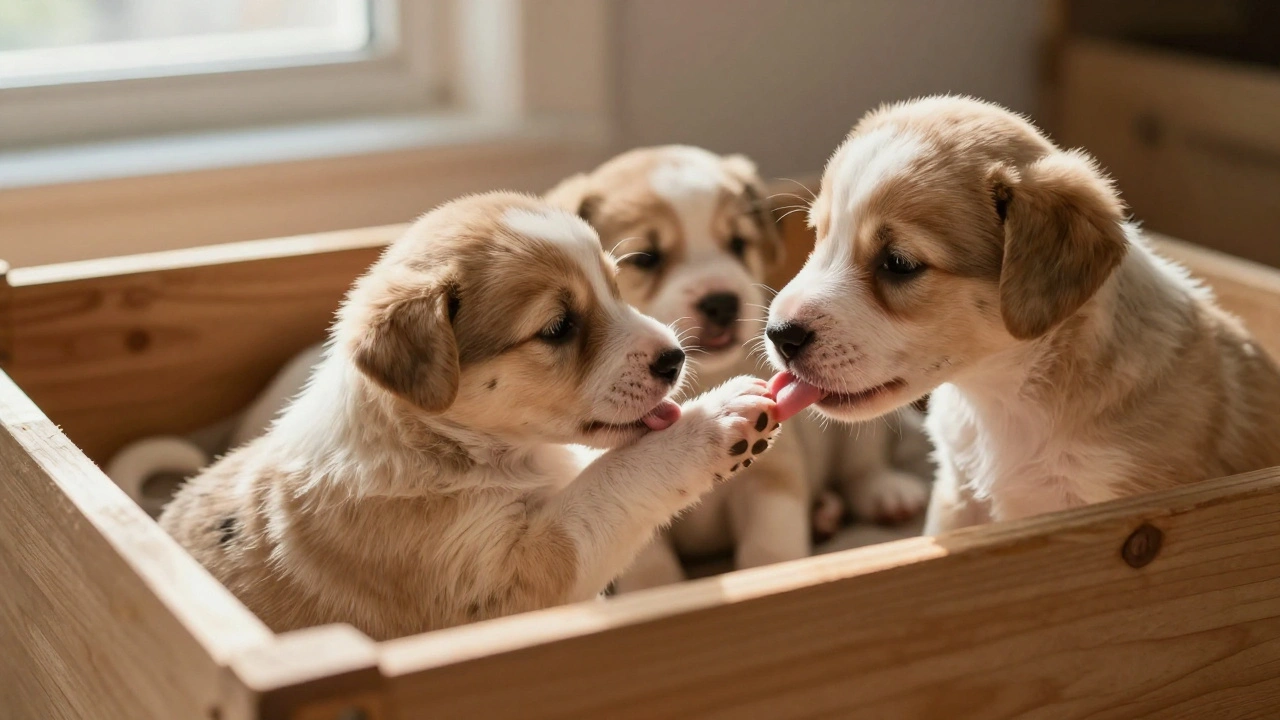
Most puppies spend their first four weeks blind, deaf, and completely dependent on their mom. Their eyes open around 10-14 days, and by 3 weeks, they start wobbling around. This is when they begin to interact with littermates-nipping, wrestling, and learning bite inhibition. If you’re raising a puppy without a mother, you’ll need to stimulate them to pee and poop after every feeding. No, you don’t need special tools. A warm, damp cotton ball works fine. Don’t rush this stage. Puppies who are handled too much too soon can develop anxiety later. Let them bond with their mom and littermates. That’s their first lesson in social skills.
Weeks 5-8: The Socialization Window
This is the most critical time in your puppy’s life. Between 5 and 8 weeks, their brain is wired to learn what’s safe and what’s scary. If they’ve never seen a vacuum, a car, or a child before, they’ll see them as threats later. Start introducing them to new sights, sounds, and people-gently. Let them sniff a calm stranger’s hand. Play a vacuum at low volume while offering treats. Take them to a quiet park for 5 minutes. Don’t force it. One positive experience at a time is enough. Also, this is when they start learning basic rules. If they nip too hard during play, yelp like a puppy would and walk away. They’ll learn fast. Most breeders will have started this already, but if you’re adopting at 8 weeks, you’re stepping into a window that’s closing fast. Don’t waste it.
Month 2-3: Learning to Be a Dog
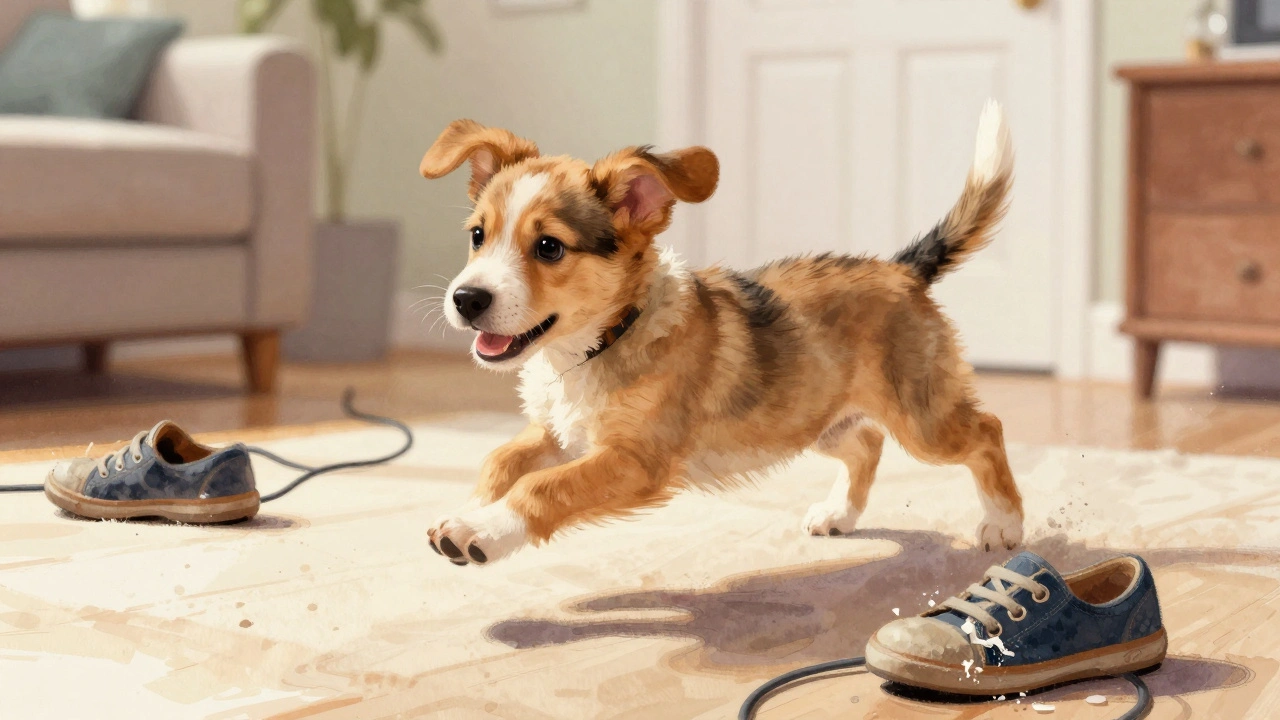
By 8 weeks, your puppy is likely in your home. They’ll sleep up to 20 hours a day, but when they’re awake, they’re all energy. Teething hits hard. Expect chewed cords, shoes, and maybe your favorite couch. Provide safe chew toys-rubber ones with texture work best. Avoid rawhide and Nylabones that can splinter. At this age, their bladder control is still developing. Take them out every 1-2 hours, after meals, and right after waking up. Accidents happen. Clean them with an enzymatic cleaner, not ammonia. Urine smells like pee to them, and they’ll go back to the same spot.
Start simple training: name recognition, sit, and come. Use small, soft treats. Don’t yell or punish. Puppies this young don’t understand discipline-they only understand consequences. A treat for sitting? Good. A loud noise when they jump? Confusing. Consistency matters more than perfection. A 10-minute training session twice a day is enough. Too much overwhelms them.
Month 4-5: The Teenager Phase
Think of this as puppy puberty. They’re testing limits. They’ll ignore commands, bolt out the door, and chase everything that moves. This isn’t rebellion-it’s brain development. Their prefrontal cortex, the part that controls impulses, is still growing. They need structure, not punishment. Increase leash training. Practice recall in a fenced yard. Use a long line (15-30 feet) so they can explore but stay safe. If they ignore you, don’t chase. Call their name once, then walk away. They’ll follow. You’re teaching them that listening pays off.
Health checkups are crucial now. Most puppies get their final rabies and distemper shots around 16 weeks. Ask your vet about spaying or neutering. Many vets now recommend it between 5 and 7 months, depending on breed size. Large breeds like German Shepherds or Labradors often do better if they wait until closer to a year. Smaller breeds can go earlier. Talk to your vet-don’t follow internet advice.
Month 6-8: Building Confidence
By 6 months, your puppy is halfway to adulthood. They’re stronger, smarter, and more stubborn. This is when many owners hit a wall. Training feels harder. The puppy who once sat on command now ignores you. That’s normal. Keep practicing. Introduce distractions-other dogs, loud noises, people walking by. Reward calm behavior. Take them to dog parks if they’re fully vaccinated. Let them play, but watch for over-arousal. If they’re too rough, end the play session. They’ll learn boundaries faster than you think.
Teeth are done growing by 7 months. If they’re still chewing, they’re bored, not teething. Provide puzzle toys, frozen Kongs, or stuffed chew bones. Mental stimulation is just as important as physical exercise. A tired puppy is a good puppy, but a mentally tired puppy is a peaceful one.
Month 9-12: Becoming an Adult Dog
By 9 months, your puppy is physically close to adult size. Their energy levels may drop slightly, but their curiosity hasn’t. This is the time to reinforce good habits. Practice walking on a loose leash. Teach them to wait before going through doors. Start grooming routines-brushing, nail trimming, ear cleaning. If you haven’t already, introduce them to car rides, vet visits, and grooming salons. Make them positive experiences. Treats, praise, and calm handling make all the difference.
By 12 months, most small and medium breeds are emotionally adult. Large breeds may take up to 18-24 months. Watch for signs of maturity: less impulsiveness, better focus, calmer reactions. If your dog is still jumping, barking, or chewing at 1 year, it’s not age-it’s training. You’re not behind. You’re just starting.
What to Watch For: Red Flags
Not every behavior is normal. If your puppy:
- Is lethargic for more than 24 hours
- Has diarrhea or vomiting that lasts over a day
- Shows aggression toward people or other dogs
- Won’t eat for more than 24 hours
- Has difficulty walking or seems in pain
Call your vet. These aren’t milestones-they’re warnings. Puppies hide illness well. If something feels off, trust your gut. Early intervention saves lives.
What to Expect: Normal Puppy Behavior
- Chewing (especially between 3-6 months)
- Accidents in the house (up to 6 months old)
- Barking at strangers or new sounds
- Jumping up to say hello
- Play-biting and roughhousing
- Zoomies (sudden bursts of energy)
All of these are normal. They’re not problems-they’re signs of healthy development. Your job isn’t to stop them. It’s to redirect them.
Final Thought: Progress Over Perfection
There’s no such thing as a perfect puppy. There’s only a puppy who feels safe, understood, and loved. You don’t need to train them to sit perfectly on command by 8 weeks. You don’t need to have a flawless leash walk by 6 months. You just need to show up. Consistent, calm, kind guidance builds trust. And trust is what turns a puppy into a loyal companion.
When should I start training my puppy?
You can start basic training as early as 8 weeks. Focus on short sessions-5 to 10 minutes-using positive reinforcement. Name recognition, sit, and come are great first commands. Training isn’t about obedience; it’s about communication. The sooner you start, the easier it is to build good habits before bad ones take root.
How often should I take my puppy outside to pee?
A general rule is one hour per month of age. A 3-month-old puppy needs to go out every 3 hours. Always take them out after meals, naps, and playtime. Young puppies can’t hold it for long, so accidents are normal. Consistency and routine are key. Praise them when they go outside, and never punish accidents indoors.
Is it normal for my puppy to bite a lot?
Yes, biting is normal, especially between 3 and 6 months when they’re teething. Puppies explore the world with their mouths. Redirect them to chew toys when they bite you. If they bite too hard, say "Ouch!" in a high-pitched voice and stop playing. This mimics how littermates teach bite control. Most puppies outgrow this by 6-8 months with consistent guidance.
When should I switch from puppy food to adult food?
Small and medium breeds usually switch around 12 months. Large breeds (like Labradors or Great Danes) should stay on puppy food until 18-24 months because they grow slower. Always check the food label or ask your vet. Switching too early can lead to joint problems. Transition slowly over 7-10 days by mixing in more adult food each day.
How much sleep does a puppy need?
Puppies need 18-20 hours of sleep a day. That’s normal. Their bodies are growing fast, and their brains are processing new experiences. If your puppy seems overly tired, lethargic, or unresponsive, it could be a sign of illness. Otherwise, let them nap. Don’t wake them up to play. Sleep is essential for healthy development.