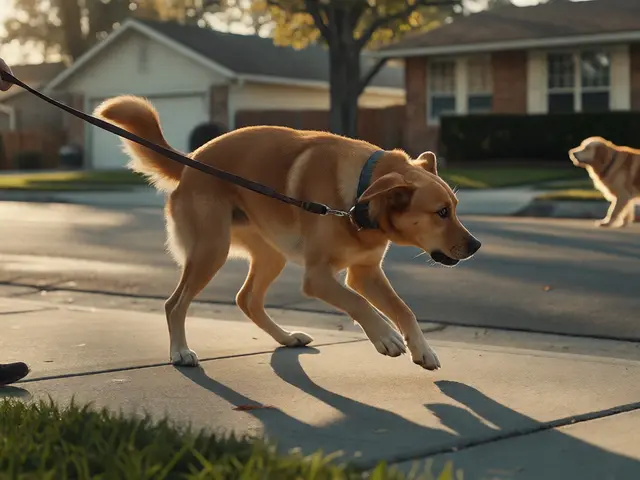
Did you know that up to 30% of dogs show noticeable shifts in temperament within the first month after spaying or neutering? For many owners, this transition period is a mix of relief and confusion. One day your dog is barking at every squirrel; the next, they’re sleeping through the night or suddenly obsessed with their food bowl. Understanding these behavioral changes helps you support your pet through recovery without misinterpreting normal healing as new personality traits.
The surgery itself removes the reproductive organs, which halts the production of key hormones like estrogen and testosterone. This hormonal shift doesn’t just stop breeding-it rewires how your dog processes stress, energy, and social cues. While the physical recovery takes about two weeks, the behavioral adjustments can take anywhere from three months to a full year to settle. Knowing what’s typical versus what requires a vet visit makes all the difference in keeping your dog happy and healthy.
Hormonal Shifts and Their Immediate Impact
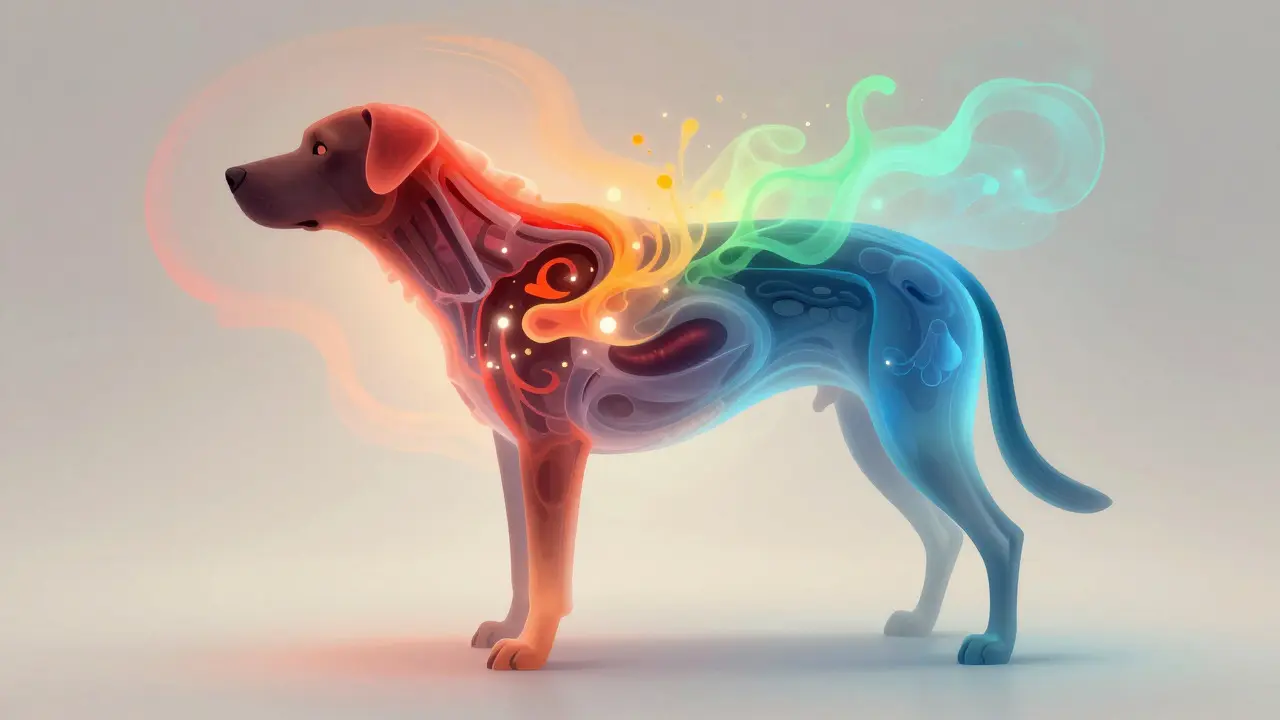
When you remove the ovaries and uterus during spaying, or the testicles during neutering, you cut off the primary source of sex hormones. In female dogs, estrogen levels drop significantly, reducing the cyclical mood swings associated with heat cycles. In males, testosterone decreases, which often leads to less roaming behavior and reduced marking. However, these drops aren’t instant. It takes time for the body to adjust to the new baseline, and during this window, your dog might seem more sensitive or withdrawn.
This adjustment period is crucial. If your dog was previously highly reactive to other dogs due to hormonal frustration, you might see an initial spike in anxiety before the calm sets in. Think of it like weaning off a caffeine habit-the withdrawal symptoms appear before the clarity kicks in. Patience is key here. Avoid introducing major life changes, such as moving houses or adding new pets, during the first six weeks post-surgery. Let your dog focus on physical healing and hormonal stabilization first.
Common Behavioral Adjustments in the First Month
Most owners notice a few specific patterns in the first few weeks. Here’s what typically happens:
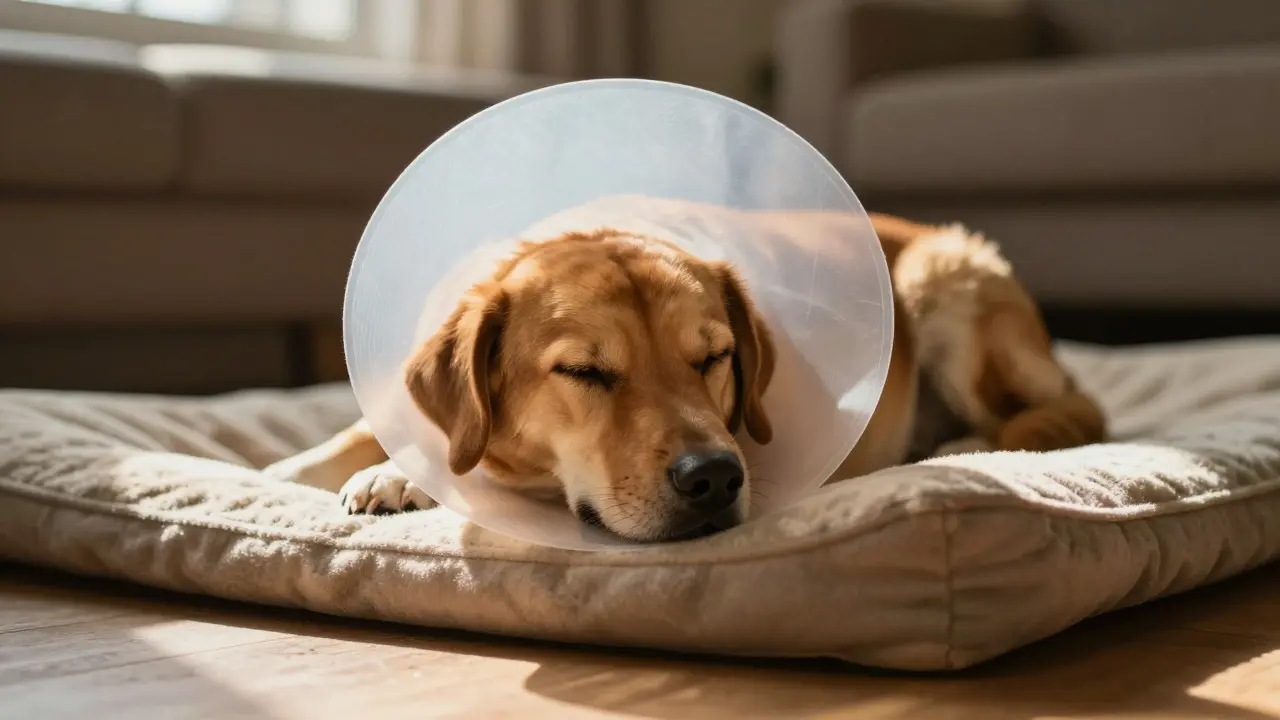
- Increased Sleepiness: Anesthesia and pain management medications cause drowsiness. Your dog may sleep 18-20 hours a day. This is normal and not a sign of illness unless it lasts beyond 7-10 days.
- Appetite Fluctuations: Some dogs lose their appetite initially due to nausea or pain. Others become ravenous because their metabolism slows down slightly after the procedure. Monitor weight closely if eating habits change drastically.
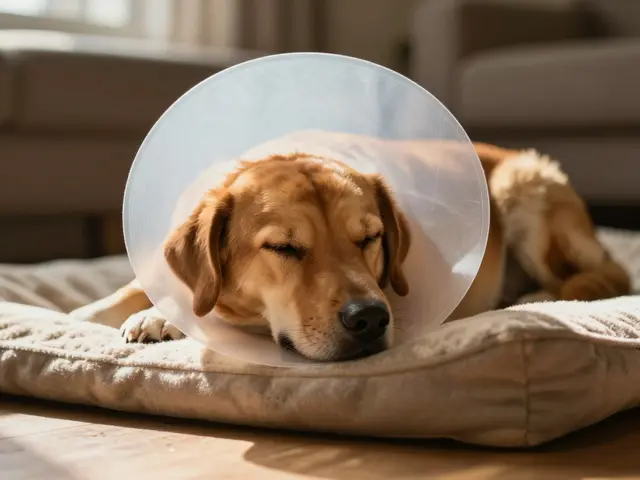
- Mild Irritability: Pain and discomfort can make usually friendly dogs grumpy. If your dog growls when touched near the incision site, give them space. Use a cone or Elizabethan collar to prevent licking, which can irritate the area and increase frustration.
- Reduced Energy Levels: High-energy breeds, like Border Collies or Huskies, may seem unusually lazy. This is their body’s way of conserving energy for tissue repair. Forceful exercise should be avoided for at least 14 days.
These signs are temporary. As the inflammation subsides and hormone levels stabilize, your dog’s baseline energy and mood will return. Keep a simple log of their eating, sleeping, and bathroom habits. If any symptom persists longer than two weeks, schedule a follow-up check with your veterinarian to rule out infection or complications.
Long-Term Personality and Social Dynamics
Beyond the immediate recovery, long-term changes often emerge over several months. Many owners report that their dogs become calmer and easier to train. Without the drive to mate, dogs tend to focus more on their human family rather than scanning the horizon for potential partners. This can lead to stronger bonding and improved obedience response rates.
Social dynamics with other dogs also shift. Intact males often display dominance behaviors, such as mounting or guarding resources. After neutering, these tendencies usually decrease, making multi-dog households more harmonious. Similarly, intact females in heat attract unwanted attention from male neighbors, leading to territorial barking. Spaying eliminates this cycle, resulting in a quieter home environment. However, don’t expect a total personality overhaul. A shy dog will remain shy, and a bold dog will remain bold. The surgery simply removes the hormonal amplifier, allowing the dog’s true temperament to shine through more clearly.
Dietary and Weight Management Considerations
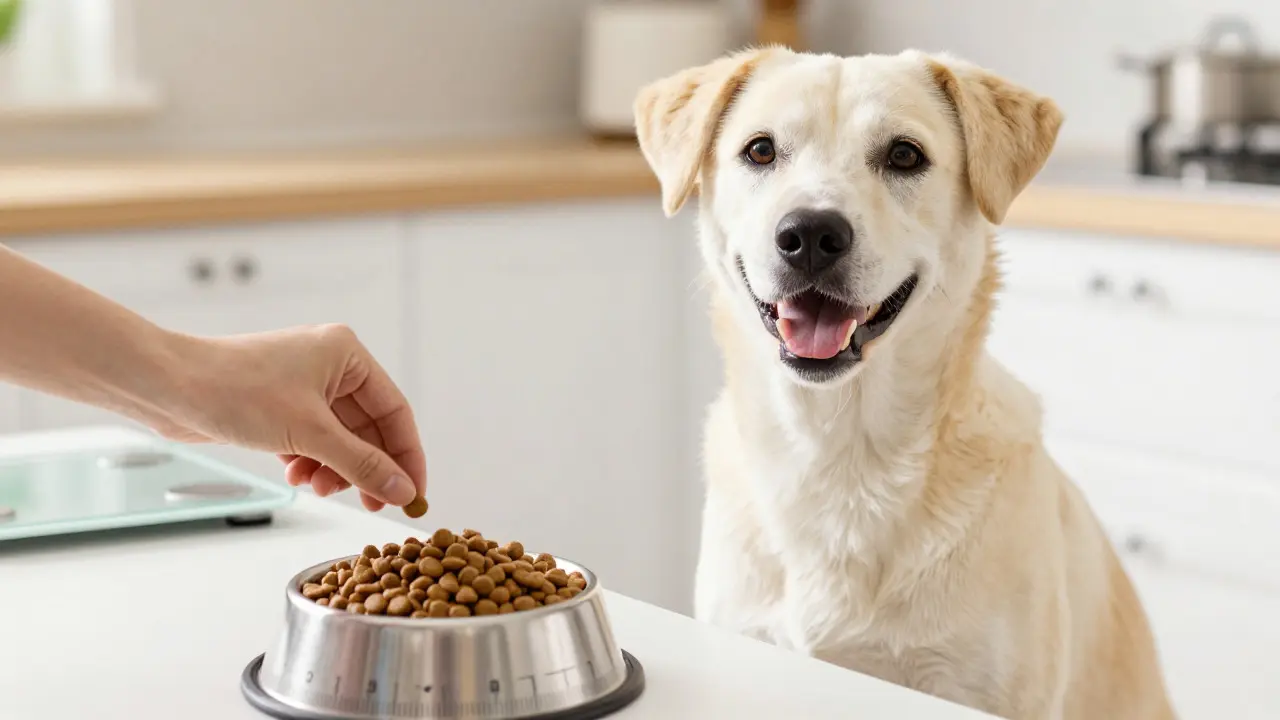
One of the most overlooked aspects of post-surgery care is diet. After spaying or neutering, a dog’s basal metabolic rate (BMR) can drop by 10-15%. This means they burn fewer calories at rest. If you continue feeding the same amount of high-calorie kibble, your dog will likely gain weight within six months. Obesity in dogs increases the risk of joint problems, diabetes, and heart disease, so proactive management is essential.
Switch to a diet formulated for adult maintenance or weight control. Look for foods with higher fiber content and moderate protein levels. Measure every meal instead of free-feeding. You can calculate your dog’s ideal daily calorie intake using the formula: Calories = 70 x (Body Weight in kg)^0.75. Adjust this number based on your dog’s activity level. Regular weigh-ins every two weeks will help you track progress and adjust portions accordingly. Keeping your dog at a healthy weight supports their overall health and prevents secondary behavioral issues related to lethargy or pain from excess weight.
Recognizing When to Call the Vet
While most behavioral changes are normal, some signs indicate a problem. Watch for these red flags:
| Symptom | Normal Range | When to Call Vet |
|---|---|---|
| Appetite Loss | Up to 48 hours | If no food eaten for >24 hours post-discharge |
| Lethargy | First 3-5 days | If extreme weakness persists >7 days |
| Incision Redness | Mild pinkness | If bright red, swollen, or oozing pus |
| Vomiting | Once or twice | If frequent (>3 times) or contains blood |
| Pain Response | Mild whining when touched | If constant crying or refusing to move |
Don’t hesitate to call your clinic if you feel something is “off.” Vets prefer early reports over late emergencies. They can provide guidance on pain management or prescribe antibiotics if needed. Early intervention prevents minor issues from becoming major surgical corrections.
Supporting Your Dog’s Emotional Well-being
Physical recovery is only half the battle. Your dog needs emotional support to navigate this transition. Create a safe, quiet space where they can rest undisturbed. Use positive reinforcement for calm behaviors. Offer gentle praise and small treats when they choose to lie down quietly rather than pace around. Avoid harsh corrections during the recovery phase, as stress can slow healing and worsen anxiety.
Maintain a consistent routine. Feed, walk, and play at the same times each day. Predictability reduces cortisol levels, helping your dog feel secure. If your dog shows signs of separation anxiety, try leaving calming music or a pheromone diffuser running while you’re away. These tools can ease the stress of being alone during a vulnerable period. Remember, your patience and consistency are the best medicines for your dog’s emotional recovery.
How long does it take for a dog's behavior to normalize after spaying?
Most dogs show significant improvement within 4 to 6 weeks, but full hormonal stabilization can take up to 3 months. During this time, monitor for persistent anxiety or aggression, which may require professional behavioral consultation.
Will my dog get fat after neutering?
Weight gain is possible due to a slower metabolism, but it is not inevitable. By adjusting portion sizes and maintaining regular exercise, you can keep your dog at a healthy weight. Consult your vet for specific dietary recommendations based on your dog’s breed and age.
Is it normal for a dog to be grumpy after surgery?
Yes, mild irritability is common due to pain and discomfort. Ensure your dog has a comfortable resting area and avoid handling the incision site. If grumpiness lasts more than a week or includes refusal to eat, contact your veterinarian.
Can spaying change a dog's personality permanently?
Spaying can reduce hormone-driven behaviors like roaming or marking, but core personality traits like shyness or playfulness usually remain unchanged. The surgery removes the hormonal influence, allowing the dog's natural temperament to be more apparent.