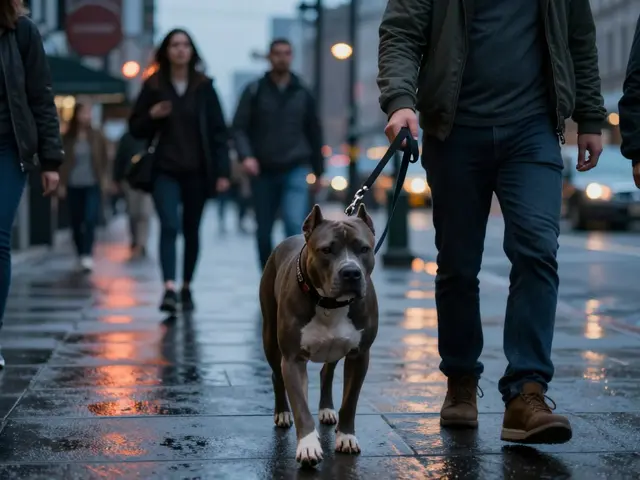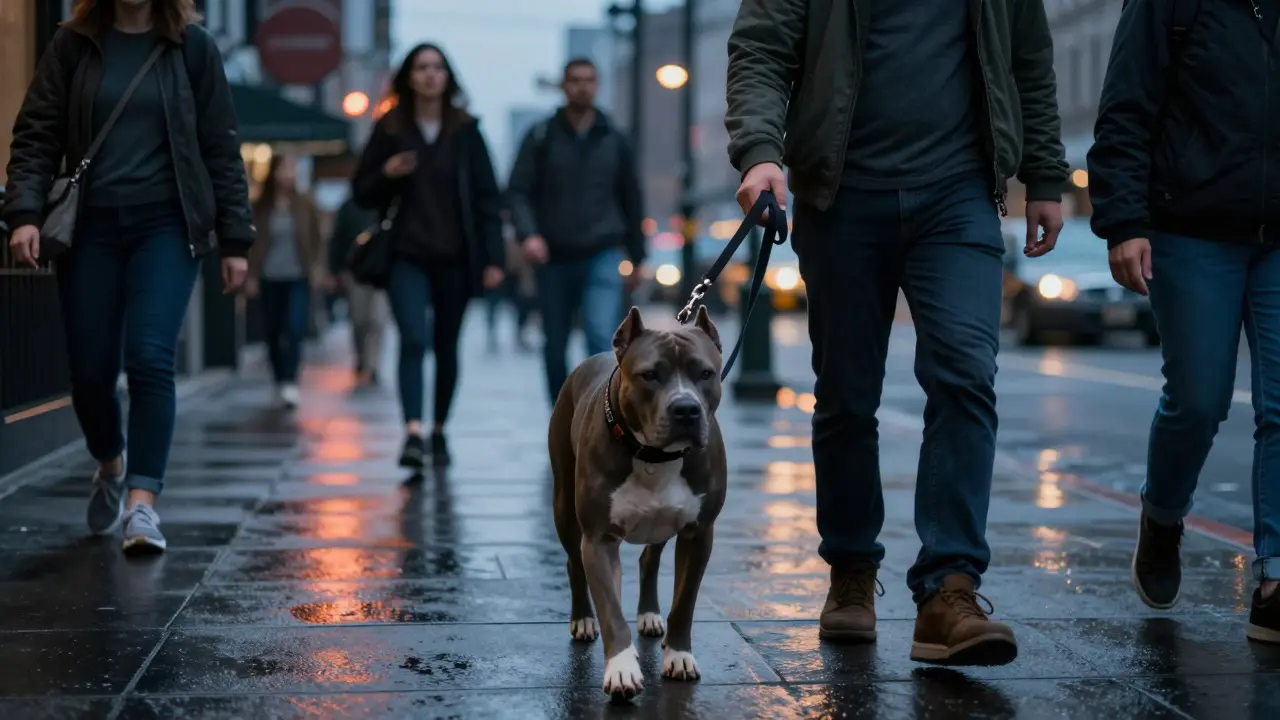
Walking your dog in a city where the breed determines your legal status can feel like living in a different country. For millions of owners, dog aggression is a behavioral issue managed through training and socialization, but for others, it is a legal threat hanging over their heads due to Breed-Specific Legislation (BSL). This isn't just about politics; it's about understanding how local laws interact with actual canine behavior to determine your risk, your costs, and your freedom.
The core problem is simple: BSL bans or restricts specific breeds, usually Pit Bulls, Rottweilers, and German Shepherds, regardless of individual temperament. Critics argue this punishes responsible owners. Supporters argue it reduces bite incidents. The truth lies somewhere in the messy middle, where data meets policy. If you own a "banned" breed or are considering one, you need to know exactly how these laws work and what they mean for your daily life.
What Is Breed-Specific Legislation?
Breed-Specific Legislation is a set of laws that regulate dogs based on their physical appearance rather than their individual behavior. These laws vary wildly by location. Some cities impose strict leashes and muzzles. Others require spaying and neutering. In the most extreme cases, entire breeds are banned from residency entirely.
It is crucial to distinguish between BSL and general animal control laws. General laws apply to all dogs if they bite or act aggressively. BSL applies to a dog simply because of its DNA. This distinction matters because it changes the burden of proof. Under general laws, you are guilty until proven innocent only after an incident. Under BSL, you are often restricted before any incident occurs.
As of 2026, more than 300 municipalities in the United States have some form of BSL. However, the trend is shifting. Many states, including Oregon, have moved toward banning BSL at the state level, preempting local city ordinances. Yet, enforcement gaps remain. A law might be repealed on paper, but local shelters may still struggle with re-homing protocols for "high-risk" breeds.
The Science of Dog Aggression
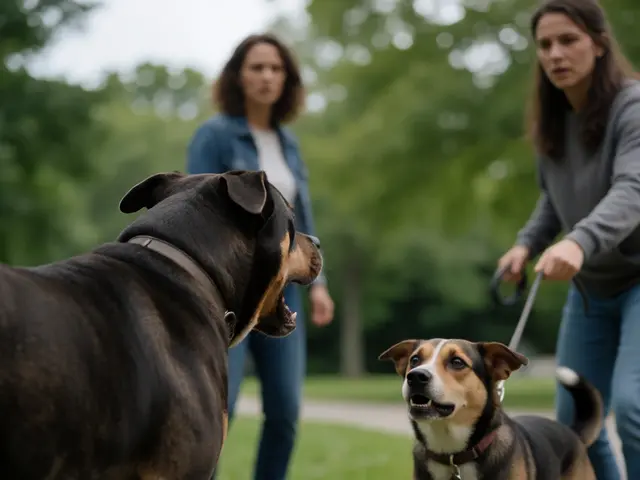
To understand why BSL exists, we have to look at why dogs bite. Canine aggression is a complex behavioral response triggered by fear, pain, resource guarding, or poor socialization. It is not a personality trait inherent to a breed.
Research from the American Veterinary Medical Association (AVMA) suggests that no single breed is significantly more aggressive than another when controlling for variables like ownership history and training. Instead, factors like early socialization windows (between 3 and 14 weeks of age) and consistent positive reinforcement training play a far larger role in predicting future behavior.
- Fear Aggression: Triggered by unfamiliar people or environments. Common in under-socialized dogs of any breed.
- Resource Guarding: Protecting food, toys, or space. Can escalate if not managed properly.
- Pain-Induced Aggression: Arises from undiagnosed medical issues. Often mistaken for bad behavior.
- Territorial Aggression: Defensive behavior around the home perimeter. Usually manageable with fencing and supervision.
If you ignore these triggers, even the gentlest Golden Retriever can become a liability. Conversely, a well-raised Pit Bull can be a calm family companion. The breed label tells you very little about the individual animal in front of you.

How BSL Impacts Owners Daily
Living under BSL changes your routine in tangible ways. It is not just a theoretical legal risk; it affects your wallet, your housing options, and your peace of mind.
- Housing Restrictions: Many landlords ban "dangerous breeds" in lease agreements, even if local law allows them. You may face eviction risks if your dog is misidentified.
- Insurance Premiums: Homeowners insurance policies often exclude certain breeds or cap payouts for bites. Finding coverage can cost 20-50% more than standard rates.
- Mandatory Equipment: You may be required to use a muzzle and a double leash in public. Carrying a license card proving your dog's compliance becomes a daily chore.
- Travel Limitations: Airports and pet-friendly hotels may enforce stricter rules for banned breeds, requiring health certificates or special permits.
Consider the case of a resident in a mid-sized Ohio city who owns a mixed-breed dog that looks like a Pit Bull. Because the dog lacked a registered microchip, the city issued a $500 fine and ordered the dog into quarantine for 10 days. The owner had to prove the dog was vaccinated and licensed to get it back. That is the reality of visual identification laws.
Comparing Legal Approaches
Not all regions handle dog safety the same way. Understanding the difference between punitive and preventive models helps you assess your local environment.
| Model Type | Focus Area | Typical Requirements | Owner Burden |
|---|---|---|---|
| Breed-Specific (BSL) | Physical appearance | Muzzles, bans, registration fees | High (compliance checks) |
| Behavior-Based | Individual history | Training plans, confinement orders | Medium (post-incident) |
| Preventive Education | Public awareness | Licensing, vaccination, leash laws | Low (standard care) |
Behavior-based laws are increasingly seen as fairer because they target the problem (aggression) rather than the proxy (breed). However, they require robust court systems to evaluate each case individually, which can be slow and expensive for owners.

Risk Management for Responsible Owners
Whether you live in a BSL zone or not, managing your dog's behavior is the best defense against legal trouble. Here is a practical checklist to keep your legal exposure low.
- Microchip Your Dog: This is your fastest way to prove identity. Keep the contact info updated. If a dog is found loose, a chip prevents immediate presumption of being a "stray" or "banned breed" in many jurisdictions.
- Document Training: Keep records of obedience classes, positive reinforcement sessions, and vet visits. If a neighbor complains, having a paper trail of professional guidance helps.
- Know Your Local Ordinance: Laws change. Check your city council website annually. Look for updates on leash lengths, muzzle requirements, and licensing renewal dates.
- Build Community Relations: Neighbors are often the first to report a dog. A friendly wave and a brief explanation of your dog's temperament can prevent unnecessary calls to animal control.
Pro tip: If you move to a new area, wait 30 days before bringing your dog. Use this time to research local shelter intake policies and landlord restrictions. Moving a dog into a hostile regulatory environment is the fastest way to end up in a legal dispute.
The Future of Dog Law
The conversation around BSL is evolving. More states are adopting preemption laws, meaning if the state bans BSL, cities cannot pass their own. This creates a patchwork map that owners must navigate carefully. At the same time, insurance companies are developing breed-neutral rating systems, reducing the financial penalty for owning a "stigmatized" breed.
For owners, the takeaway is clear: stay informed, document everything, and focus on behavior. The law may change, but a well-socialized, healthy dog is always the safest asset you can own.
Is my mixed-breed dog protected from BSL?
Often, no. Many BSL laws use visual identification criteria. If your dog looks like a banned breed, you may be subject to the same regulations. A DNA test can sometimes help, but it is not always accepted by local authorities. Always check your specific municipal code for definitions of "appearance."
Does BSL affect renters differently than homeowners?
Yes, significantly. Homeowners deal with city ordinances and HOA rules. Renters also face private lease agreements. Landlords can ban breeds even if the city allows them. This means a renter might lose their housing for a reason that wouldn't affect a homeowner in the same neighborhood.
What should I do if my dog is cited under BSL?
Do not ignore the ticket. Pay the fine or contest it in small claims court. Bring evidence of your dog's good behavior, such as vet records, training logs, and witness statements. Ignoring the citation can lead to higher penalties or mandatory euthanasion in extreme cases.
Are there breeds completely safe from BSL?
Generally, yes. Breeds like Chihuahuas, Pugs, and Beagles are rarely targeted. However, large breeds like German Shepherds and Rottweilers are frequently included in BSL lists alongside Pit Bulls. Always verify the specific list for your jurisdiction, as it varies by city.
How does BSL impact adoption rates?
Shelters often take longer to place dogs from stigmatized breeds. Potential adopters may hesitate due to perceived legal risks or insurance costs. Shelters in BSL zones often have dedicated programs to educate the public and find suitable homes, but the process is slower than for non-listed breeds.