
Your dog is scratching its ears raw, shaking its head like a windmill, and maybe even throwing up after meals. It’s frustrating, and you’re probably wondering if it’s just bad luck or something more serious. The confusion usually starts with the words allergy and sensitivity. People use them interchangeably, but in veterinary medicine, they mean two very different things. Getting this distinction wrong can lead to months of wasted money on expensive diets that don’t work, or worse, missing a treatable condition entirely.
This guide breaks down exactly how these two conditions differ, why your vet might be hesitant to jump to conclusions, and what steps you actually need to take to find the truth. We’ll skip the medical jargon and focus on practical signs, testing methods, and real-world scenarios you might face at home.
The Core Difference: Immune Response vs. Intolerance
Let’s clear up the biggest misconception first. A true food allergy is an immune system reaction where the body mistakenly identifies a specific protein as a threat. When your dog eats chicken, for example, their immune system produces antibodies (IgE) to fight it. This triggers histamine release, leading to itching, hives, or ear infections. It’s an overreaction by the defense system.
A food sensitivity, often called a non-immune-mediated intolerance, is a digestive issue where the gut struggles to process a specific ingredient without an immune trigger. Think of it like lactose intolerance in humans. Your dog doesn’t have "antibodies" fighting the food; they just lack the enzymes to break it down properly, or the ingredient irritates the gut lining directly. This usually results in gastrointestinal symptoms like diarrhea, gas, or soft stools, rather than skin issues.
Why does this matter? Because the treatment paths are different. Allergies require strict avoidance of the specific allergen forever. Sensitivities might resolve if the gut heals, or they might require switching to a highly digestible formula. If you assume a sensitive stomach is an allergy, you might restrict proteins unnecessarily, leading to nutritional gaps.
Decoding the Symptoms: Skin vs. Gut
One of the fastest ways to narrow down the cause is to look at where the problems are happening. While there is overlap, certain patterns point strongly to one condition over the other.
- Primary Skin Issues: If the main complaint is intense itching, red paws, recurrent ear infections, or hair loss, lean toward an allergy. These are classic IgE-mediated responses.
- Primary Gastrointestinal Issues: If the dog is eating fine but having chronic diarrhea, vomiting, or foul-smelling gas, lean toward a sensitivity. The gut is struggling to absorb nutrients or tolerate the bulk.
- The Mixed Bag: Some dogs experience both. A dog with a grain sensitivity might also develop secondary skin issues due to poor nutrient absorption. This is why self-diagnosis is tricky.
Pay attention to the timeline too. Allergic reactions can happen within hours of eating, while sensitivities often build up over days or weeks. If your dog gets sick every single time they eat a specific brand, that’s a strong clue. If it’s intermittent and depends on stress or environment, the food might not be the sole culprit.
The Gold Standard: Elimination Diets
Here is the hard truth: blood tests and skin scrapings rarely give a definitive answer for food-specific issues. Most vets will tell you that the only reliable way to diagnose a food allergy or sensitivity is an elimination diet trial is a controlled feeding period where all potential allergens are removed to observe symptom changes.
It sounds simple, but execution is everything. Here is how it works in practice:
- Choose Novel Proteins: You need ingredients your dog has never eaten before. Common choices include venison, rabbit, duck, or kangaroo. Avoid common fillers like corn, wheat, or soy unless you suspect those specifically.
- Strict Adherence: No treats, no table scraps, no chew bones with meat. Even a tiny lick of cheese can reset the clock. This phase lasts 8 to 12 weeks. Yes, that long. Shorter trials often yield false negatives because the gut needs time to heal completely.
- Observation Period: During these weeks, track everything. Use a journal. Note skin condition, stool quality, energy levels, and any flare-ups.
- The Reintroduction Phase: Once symptoms improve, you slowly reintroduce old foods one by one. Start with the most likely culprit. If symptoms return within 48-72 hours of eating chicken, you’ve found your allergen.
This process is labor-intensive, but it provides the highest accuracy rate. Relying on guesswork or anecdotal advice from online forums often leads to cycles of swapping brands without solving the root cause.

Understanding Diagnostic Tests and Their Limits
You’ve probably seen ads for "at-home allergy tests" or asked your vet about serum IgG testing. Let’s talk about what those actually measure.
| Method | What It Measures | Accuracy for Food Issues | Cost Range |
|---|---|---|---|
| Skin Scraping | External parasites (mites, fleas) | High for parasites, Low for food | $50 - $100 |
| Blood Test (IgE/IgG) | Antibody levels in serum | Low (High false positives) | $300 - $600 |
| Intradermal Testing | Immediate hypersensitivity | Moderate (Good for environmental) | $200 - $400 |
| Elimination Diet | Clinical response to food removal | High (Gold Standard) | Variable (Food cost + Time) |
Blood tests often detect IgG antibodies, which indicate exposure, not necessarily an active allergy. Your dog might have high IgG for beef simply because they ate beef last week. This leads to unnecessary restrictions. Intradermal testing is better for environmental allergies like pollen or dust mites, but less reliable for food. That’s why your vet might push for the elimination diet despite the hassle-it’s the only method that proves causality.
Navigating Labels and Hidden Triggers
Even if you switch to a "limited ingredient" diet, you might still hit a wall. Why? Because labels can be misleading. "Chicken meal" might contain traces of other poultry. "Natural flavors" could hide anything. Cross-contamination in manufacturing plants is also a real risk.
When shopping for hypoallergenic or novel protein foods, look for these specifics:
- Single Protein Source: The ingredient list should start with one animal protein. Avoid blends like "chicken and turkey."
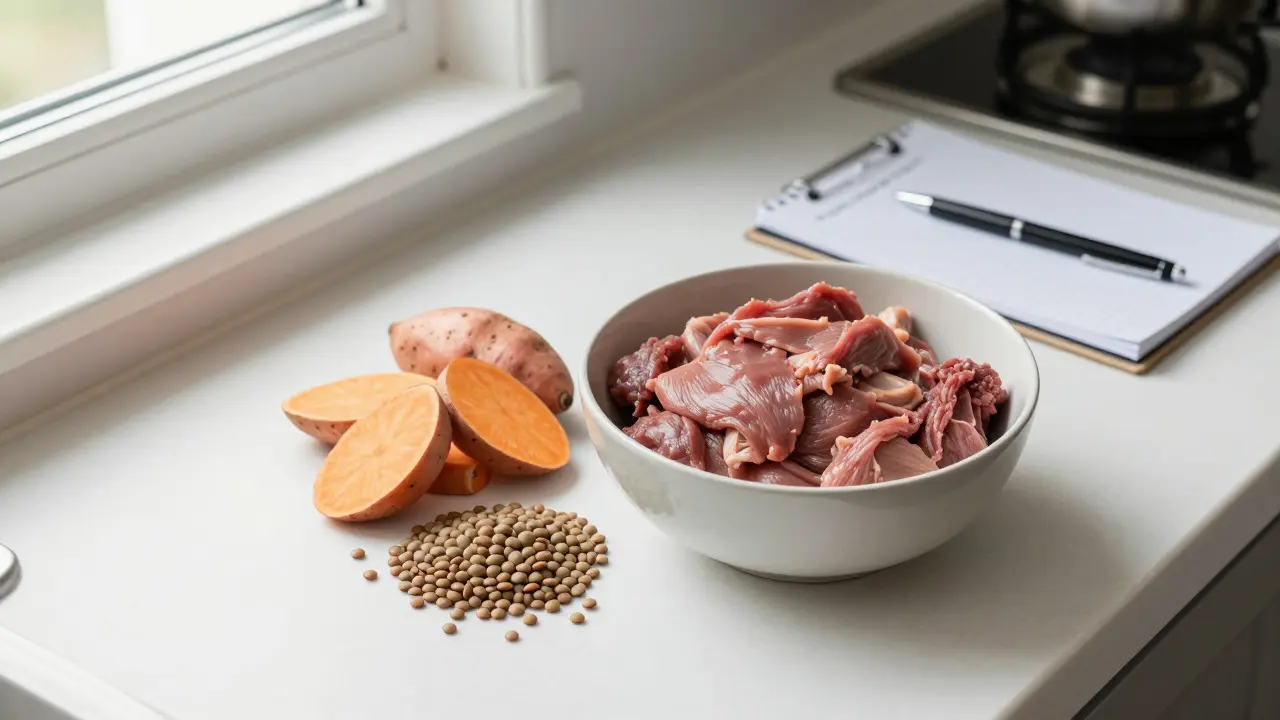
- Novel Carbs: If you suspect grains, switch to sweet potato, lentils, or peas. But be careful-some dogs react to legumes too.
- No Artificial Additives: Preservatives like BHA/BHT or artificial colors can sometimes irritate sensitive guts, though they are rare causes of true allergies.
Don’t forget about supplements. Omega-3 fatty acids can help soothe inflammatory skin responses, but if your fish oil supplement contains shellfish extract, it could trigger a reaction in a seafood-allergic dog. Read every label, including the "may contain" warnings.
When to See a Specialist
If your dog isn’t improving after a strict 12-week elimination diet, it’s time to rethink the diagnosis. Maybe it wasn’t food at all. Environmental allergies (atopy), flea allergy dermatitis, or primary skin conditions like pyoderma can mimic food issues perfectly.
A board-certified dermatologist can perform more advanced testing, such as biopsy analysis, to rule out autoimmune diseases or fungal infections. They can also manage complex cases where multiple factors are at play. Don’t hesitate to seek a second opinion if your primary vet suggests continuing a trial indefinitely without progress. Sometimes, the problem isn’t the food; it’s the environment or a systemic health issue.
Remember, patience is key. Diagnosing food-related issues is a marathon, not a sprint. But once you identify the trigger, the relief is often dramatic. Your dog stops scratching, their coat improves, and their digestion normalizes. It’s worth the effort.
Frequently Asked Questions
Can a dog outgrow a food allergy?
True IgE-mediated food allergies are generally lifelong. However, some puppies show temporary intolerances that resolve as their gut matures. If symptoms stop after a year of avoidance, consult your vet before reintroducing the food, but expect a permanent restriction for confirmed adult-onset allergies.
Are hydrolyzed protein diets necessary for all allergies?
Not always. Hydrolyzed diets break proteins into tiny fragments that the immune system can’t recognize. They are useful for severe cases or when the allergen is unknown. For mild cases or known specific allergies (like chicken), a novel whole-protein diet is often sufficient and more palatable for the dog.
How do I know if my dog’s itching is from food or fleas?
Flea allergy dermatitis is extremely common and mimics food allergies. Ensure your dog is on year-round flea prevention, even indoors. If itching persists despite effective flea control, then food becomes a stronger suspect. A skin scraping can confirm the presence of flea dirt or mites.
Is it safe to feed raw food to a dog with a sensitive stomach?
Raw diets can be easier to digest for some dogs, but they carry risks of bacterial contamination (Salmonella, E. coli). If your dog has a compromised immune system or severe GI issues, cooked novel protein diets are safer. Always consult your vet before switching to raw, especially during an active diagnostic phase.
How much does a proper elimination diet cost?
Costs vary widely. Premium limited-ingredient kibble might range from $40 to $80 per month depending on the dog's size. Homemade recipes using novel proteins can be cheaper but require careful nutritional balancing. Factor in the 8-12 week duration, so budget accordingly to ensure you finish the trial.