
Your dog keeps scratching. The ears are red, the pips are swollen, and no amount of medicated shampoo seems to stop the itch. You’ve swapped brands, tried grain-free options, and even visited the vet twice. If this sounds familiar, you might be dealing with a food allergy rather than an environmental one. The solution often lies in novel protein diets, which use ingredients your dog has likely never eaten before.
Unlike standard elimination diets that remove common allergens like chicken or beef, novel protein foods introduce completely new sources of nutrition. This approach resets your dog’s immune system and helps identify exactly what triggers their reaction. It is not just about stopping the itch; it is about restoring your dog’s quality of life and giving you peace of mind.
What Exactly Is a Novel Protein Diet?
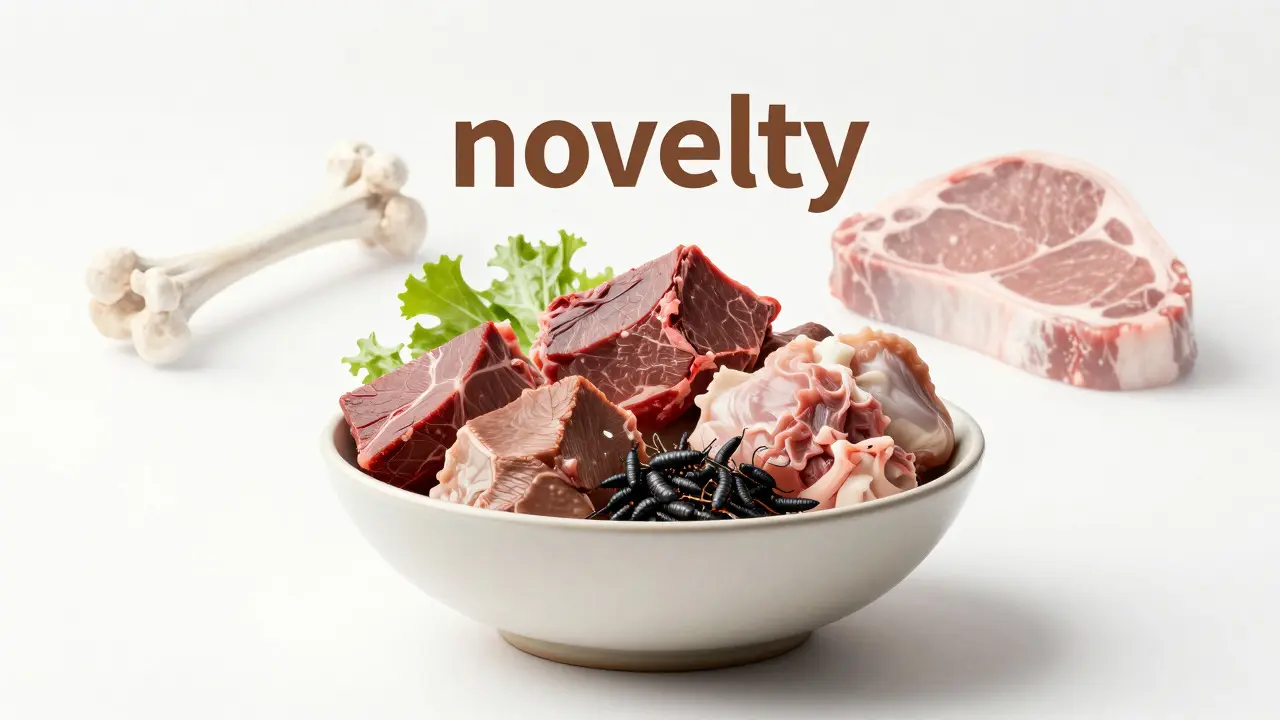
Novel protein is a source of animal-based nutrition that the specific dog has not consumed in the past six to twelve months. For most pets, this means moving away from the usual suspects like chicken, turkey, beef, pork, and dairy. Instead, you look at exotic meats such as venison, rabbit, kangaroo, duck, or even insect-based proteins like black soldier fly larvae.
The logic is simple. If your dog has never eaten venison, their immune system has no memory of it. Therefore, there is no pre-existing antibody response waiting to trigger inflammation. This makes novel proteins ideal for diagnostic purposes. When combined with a strict feeding protocol, any improvement in symptoms strongly suggests a food-related issue.
It is crucial to distinguish novel proteins from hydrolyzed proteins. Hydrolyzed diets break down proteins into tiny peptides so small they cannot trigger an immune response. Novel proteins keep the protein structure intact but rely on the novelty of the ingredient itself. Both work, but they serve slightly different roles in veterinary nutrition protocols.
Why Standard Elimination Diets Often Fail
Many owners try to diagnose food allergies by simply removing chicken from the bowl. This usually fails because of hidden ingredients. Even "chicken-free" treats might contain chicken broth. Kibble coatings can include egg whites. And cross-contamination in manufacturing plants is common. If your dog eats a treat with a trace of beef while on a chicken-free diet, the trial is ruined.
Novel protein diets reduce this risk significantly. Because the ingredient is rare, it is less likely to appear in other parts of the household pet supply chain. However, you must still be vigilant. Check every label. Ensure no one feeds your dog table scraps. Keep them away from neighbors’ dogs who might share kibble. The success of this diet depends entirely on consistency.
Choosing the Right Novel Source
Not all novel proteins are created equal. Some are more readily available than others, and some carry higher costs. Here is a breakdown of popular choices and their characteristics:
| Protein Source | Allergen Risk | Availability | Cost Level | Digestibility Notes |
|---|---|---|---|---|
| Venison | Low | Moderate | High | Lean, high-quality amino acids |
| Rabbit | Low | High | Medium-High | Gentle on sensitive stomachs |
| Kangaroo | Very Low | Low (Imported) | Very High | Extremely lean, unique fatty acid profile |
| Black Soldier Fly | Very Low | Emerging | Medium | Sustainable, rich in chitin |
| Duck | Medium | High | Medium | Fattier, may not suit all dogs |
Rabbit is often the go-to choice because it is widely available in major pet stores and online retailers. Venison offers a robust alternative if your dog finds rabbit too mild. Insect-based proteins are gaining traction due to sustainability concerns and lower carbon footprints, though they remain a niche option in many regions.
The Diagnostic Protocol: How Long Does It Take?
You cannot judge a novel protein diet after two weeks. Canine gastrointestinal and skin issues take time to resolve. The standard veterinary protocol requires feeding the single-source novel protein diet for eight to twelve weeks without interruption.
- Weeks 1-4: Monitor for immediate reactions. Some dogs show improvement in energy levels or stool consistency early on. Skin changes are slower.
- Weeks 5-8: This is the critical window. Inflammation markers should drop. Scratching frequency should decrease noticeably.
- Weeks 9-12: Full assessment period. By now, if the food was the cause, significant clinical improvement should be visible.
If you see no change after twelve weeks, the issue is likely environmental (fleas, pollen, dust mites) or non-food related (bacterial overgrowth, hormonal imbalances). Do not switch back to the old diet immediately. Consult your veterinarian before making changes.
Navigating Labels and Hidden Traps
Reading labels is an art form when managing food allergies. Manufacturers love using vague terms. "Natural flavors" could come from anything. "Meat by-products" might include organs from animals you are avoiding. Look for these red flags:
- Rendered fats: Often unspecified. Ask the manufacturer for a guarantee that fats come from the novel source only.
- Hydrolyzed collagen: Usually bovine. Avoid if beef is a known trigger.
- Cross-contamination warnings: Check the bottom of the bag. If it says "may contain traces of chicken," it is risky for a strict trial.
- Additives: Some preservatives or colorants can irritate sensitive dogs. Stick to minimal ingredient lists.
Single-ingredient treats are your best friend during this phase. Look for freeze-dried pieces of the same novel protein used in the main diet. This ensures consistency and reduces the variable count.

Transitioning Back to Regular Food
Once your dog has thrived on the novel protein diet for three months, you can begin the reintroduction process. This is where patience pays off again. You want to identify which specific ingredient caused the problem, not just confirm that food was an issue.
Introduce one new ingredient at a time. Wait ten to fourteen days between each addition. Start with low-risk items like sweet potato or blueberries. Move slowly toward higher-risk proteins like chicken or beef. If symptoms return, you have identified the culprit. If they do not, continue adding until you have tested the full range of common foods.
This process can take several months. But it gives you a complete map of your dog’s dietary tolerances. You will know exactly what to avoid and what is safe to enjoy. This knowledge is invaluable for long-term health management.
Cost Considerations and Budgeting
Let’s talk money. Novel protein diets are expensive. A 30-pound bag of premium venison or rabbit kibble can cost anywhere from $60 to $90, depending on the brand and region. Compare that to standard chicken-based formulas which might run $30 to $40.
However, consider the total cost of ownership. If your dog is constantly itching, they need frequent baths, medicated shampoos, and potentially oral antihistamines. Vet visits for flare-ups add up quickly. Many owners find that the upfront cost of the diet is offset by savings on medications and fewer emergency vet trips within the first year.
Tips to save money:
- Buy in bulk when possible, but ensure the expiration date is far enough out to last through the trial.
- Check for subscription discounts from major pet food retailers.
- Look for smaller bag sizes initially to test palatability before committing to large quantities.
- Consider human-grade butcher shops for raw novel proteins if you prefer a BARF diet, though this requires careful nutritional balancing.
When to See a Veterinarian
While novel protein diets are generally safe, they are not a cure-all. Always involve your veterinarian in the process. They can help rule out other conditions like hypothyroidism, Cushing’s disease, or primary seborrhea, which mimic food allergy symptoms.
Your vet may recommend blood tests or skin scrapings before starting the diet. They can also monitor your dog’s weight and body condition score during the transition. If your dog refuses to eat the novel protein, force-feeding is rarely necessary, but your vet can suggest appetite stimulants or flavor enhancers compatible with the diet.
Remember, food allergies are chronic conditions. There is no permanent cure, only management. A well-chosen novel protein diet, combined with proper lifestyle adjustments, can give your dog a comfortable, happy life free from constant discomfort.
Can I mix novel protein with my dog's current food?
No. For a true diagnostic trial, your dog must eat only the novel protein source for at least eight weeks. Mixing foods introduces variables that make it impossible to determine if the new ingredient is helping or if the old allergen is still causing problems. Strict separation is key.
Are grains safe for dogs with food allergies?
Grains like rice, oats, and barley are rarely allergenic for dogs. Most "grain allergies" are actually misdiagnosed environmental allergies or reactions to corn or wheat specifically. If your dog tolerates the novel protein, you can usually reintroduce safe grains later. Rice is an excellent hypoallergenic carbohydrate source.
How long does it take for skin symptoms to improve?
Skin turnover in dogs takes about four to six weeks. While you might see less scratching sooner, visible improvements in redness, hair loss, and secondary infections typically take eight to twelve weeks. Be patient and consistent with the diet timeline.
Is duck considered a novel protein?
It depends on your dog's history. Duck is increasingly common in commercial dog foods, so many dogs have been exposed to it. If your dog has never eaten duck, it counts as novel. However, because it is poultry, there is a slight cross-reactivity risk with chicken allergies. Rabbit or venison are safer bets for strict trials.
What if my dog hates the taste of the novel protein?
Start by mixing a small amount of the new food with a little warm water or unsalted bone broth to enhance the aroma. Gradually increase the ratio over five to seven days. If they still refuse, try a different novel protein source. Flavor preferences vary greatly among individual dogs.