Ever walked out of the groomer’s shop wondering if you booked the next slot for too soon? Or maybe your dog’s fur looks a bit dull, and you can’t remember when the last trim happened. Keeping grooming records isn’t just about remembering dates; it’s about understanding how your dog’s coat evolves over time. Without a clear log, you’re guessing at intervals, risking matting or unnecessary stress on your pet.
This guide walks you through building a simple, effective system to track appointments and note coat conditions. You’ll learn what details actually matter, how to spot early signs of skin issues, and how to adjust your schedule based on seasonal changes. Whether you have a high-maintenance Poodle or a low-shedding Shih Tzu, this approach keeps things consistent and less stressful for everyone involved.
Why Keep a Written Log?
Your memory is good, but it’s not perfect. Life gets busy, vacations happen, and sometimes you forget that the last groom was in March, not April. A written record eliminates guesswork. It also serves as a communication tool. If you switch groomers, handing over a concise history saves hours of explanation. It tells the new professional exactly how your dog reacts to drying, which tools work best, and what the ideal length should be.
Beyond logistics, records help you monitor health. Coat condition is a direct indicator of nutrition, hydration, and overall wellness. By noting changes month by month, you might catch a dry patch or excessive shedding before it becomes a serious dermatological issue. It turns routine maintenance into a proactive health check.
What to Include in Your Grooming Record
You don’t need a complex database. A simple notebook, a spreadsheet, or even a dedicated section in your phone’s notes app works fine. The key is consistency. Here are the specific data points you should capture after every session:
- Date of Service: The exact day the grooming took place.
- Groomer Name/Shop: In case you visit multiple professionals or travel.
- Coat Length/Style: Note if it was a full cut, a sanitary trim, or a style-specific clip (e.g., lambdoodle).
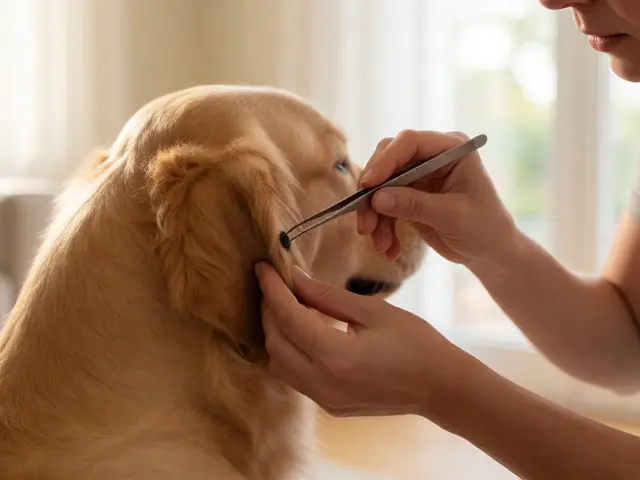
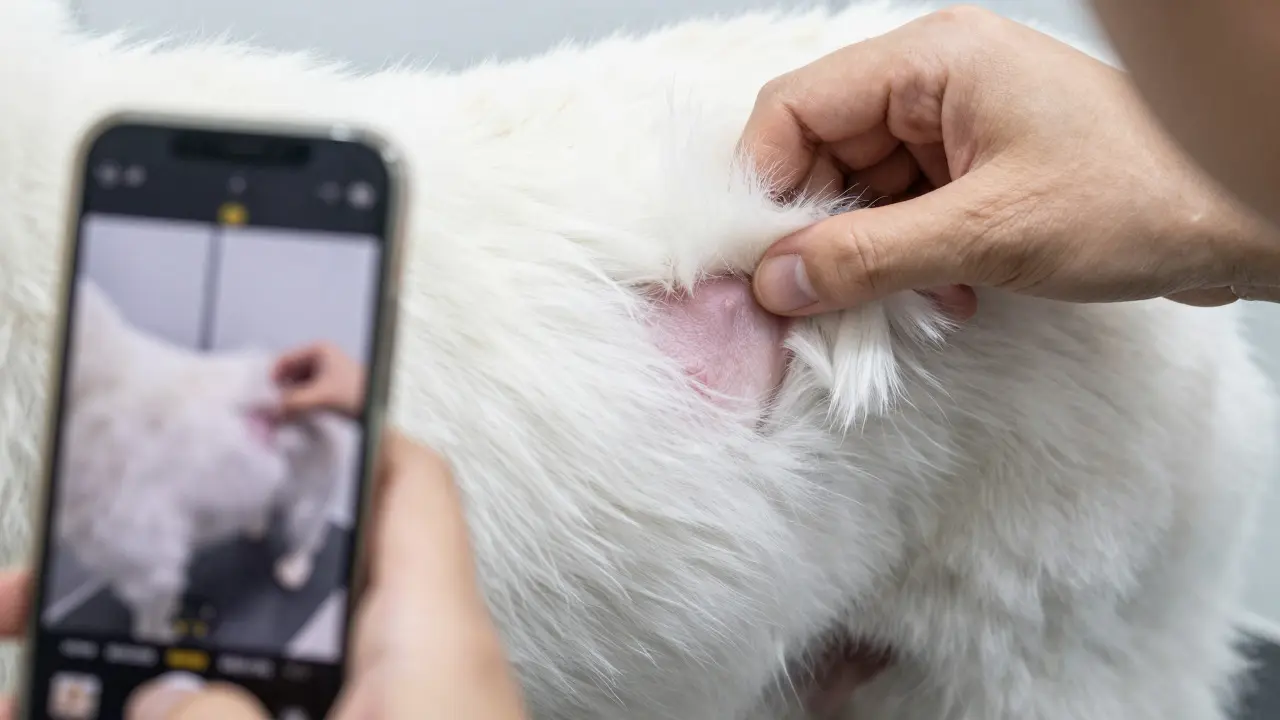
- Skin Condition: Look for redness, flaking, bumps, or unusual odor. Take a photo if something looks off.
- Dog’s Behavior: Did they struggle with the dryer? Were they calm during nail trims? This helps predict future stress levels.
- Products Used: Some dogs react to specific shampoos or conditioners. Recording brands prevents accidental re-exposure to irritants.
- Next Scheduled Date: Calculate this immediately based on the breed standard and current coat growth rate.
Determining the Right Schedule
There is no one-size-fits-all interval. Scheduling depends heavily on breed, coat type, and lifestyle. Double-coated breeds like Huskies or German Shepherds often only need brushing twice a week and professional grooming every 3-4 months, primarily for nails and hygiene. Single-coated breeds like Poodles or Bichon Frises typically require trimming every 6-8 weeks to prevent matting.
Consider your dog’s daily environment. Does your dog spend hours in the backyard digging in dirt? Their coat will get dirty faster, requiring more frequent baths. Conversely, if they stay mostly indoors, you might stretch the interval slightly. Always err on the side of caution with curly or wavy coats; mats form quickly once hair grows past an inch.
| Coat Type | Example Breeds | Recommended Interval | Key Focus Area |
|---|---|---|---|
| Curly/Wavy | Poodle, Bichon Frise | Every 6-8 weeks | Preventing mats, maintaining shape |
| Double-Coated | Husky, Golden Retriever | Every 3-4 months | Undercoat removal, nail care |
| Short/Straight | Beagle, Boxer | Every 2-3 months | Bathing, ear cleaning, nails |
| Long/Straight | Afghan Hound, Maltese | Every 4-6 weeks | Daily brushing, tangle prevention |
Tracking Coat Notes: More Than Just Length
"Coat notes" shouldn't just be "looks good." Be descriptive. Use terms like "shiny," "dry," "oily," "thin," or "dense." For example, if you notice the fur around the ears feels rougher than usual, note it. This could indicate a food allergy or a change in humidity. In Portland, where we experience significant seasonal shifts from wet winters to dry summers, coat texture can fluctuate noticeably. During our rainy season, fungal issues like ringworm become more common, so checking the skin under the fur is critical.
Photographs are incredibly useful here. Take a standardized photo from the same angle each time. Over six months, you can visually compare density and color. Have you noticed the gray hairs spreading? Is the coat looking thinner along the spine? These visual records provide objective data that memory often misses.
Seasonal Adjustments for Pacific Northwest Owners
If you live in a region with distinct seasons, your grooming schedule should flex accordingly. In the spring, double-coated dogs shed their winter undercoat heavily. This is the time to increase brushing frequency and perhaps shorten the professional grooming interval to manage the volume of loose hair. Conversely, in the deep winter, coats grow thicker. While tempting to shave down a double-coated dog for warmth, it often disrupts their natural insulation. Instead, focus on thorough drying to prevent moisture-related skin infections caused by snow and slush.
Summer brings different challenges. Hot pavement burns paws, and insects trigger allergic reactions that lead to licking and chewing. Your grooming notes should include paw pad condition and any signs of hot spots. Adjusting bath frequencies slightly upward in summer can help remove allergens before they cause irritation.
Troubleshooting Common Issues
What happens when the plan falls apart? Life doesn’t always follow a calendar. If you miss a scheduled appointment, don’t panic. Assess the coat immediately. If there are no mats, you can usually wait another week or two. However, if you see tangles forming, book the earliest available slot. Delaying further can turn a minor brush-out into a major de-matting session, which is painful for the dog and expensive for the owner.
Another common issue is inconsistent results from different groomers. If your records show that one groomer leaves the coat shorter than expected, communicate this clearly. Show them your previous photos or notes. Consistency requires feedback. If a particular product causes itching, stop using it immediately and note the reaction in your log. This prevents repeating mistakes in the future.
Frequently Asked Questions
How long should I keep my dog's grooming records?
Keep records for at least two years. This provides enough historical data to identify seasonal patterns and long-term health trends. Older records can be archived digitally if space is a concern.
Should I record home grooming sessions?
Yes. Even if you just brushed or trimmed nails at home, note the date and any observations. This gives you a complete timeline of coat management and helps identify if professional intervention is needed sooner or later.
What is the best way to store these records?
A digital spreadsheet or a dedicated pet care app is most convenient for quick access and photo storage. A physical binder is a good backup, especially if you prefer writing by hand. Ensure the method is easy to update so you don't skip entries.
Does coat color affect grooming frequency?
Not directly, but lighter colors may show dirt and stains more easily, prompting more frequent baths. Darker coats might hide oil buildup longer. The primary driver remains coat texture and length, not pigment.
How do I handle a dog that hates the groomer?
Note the specific triggers in your records (e.g., dryer noise, table height). Work with the groomer to desensitize the dog gradually. Sometimes switching to a groomer who specializes in anxious dogs yields better results. Consistent, positive experiences recorded in your log help build trust over time.