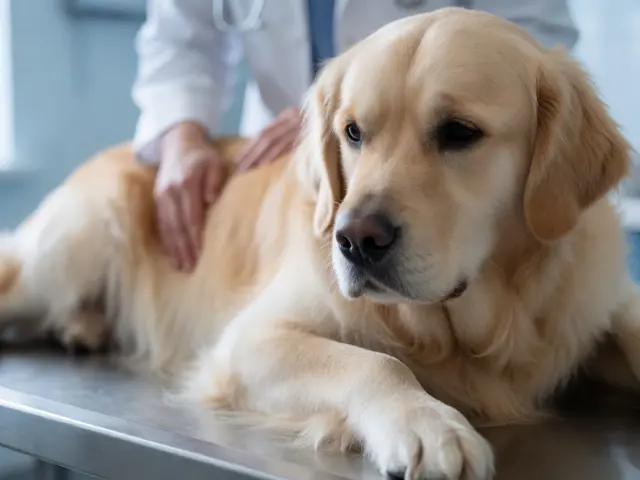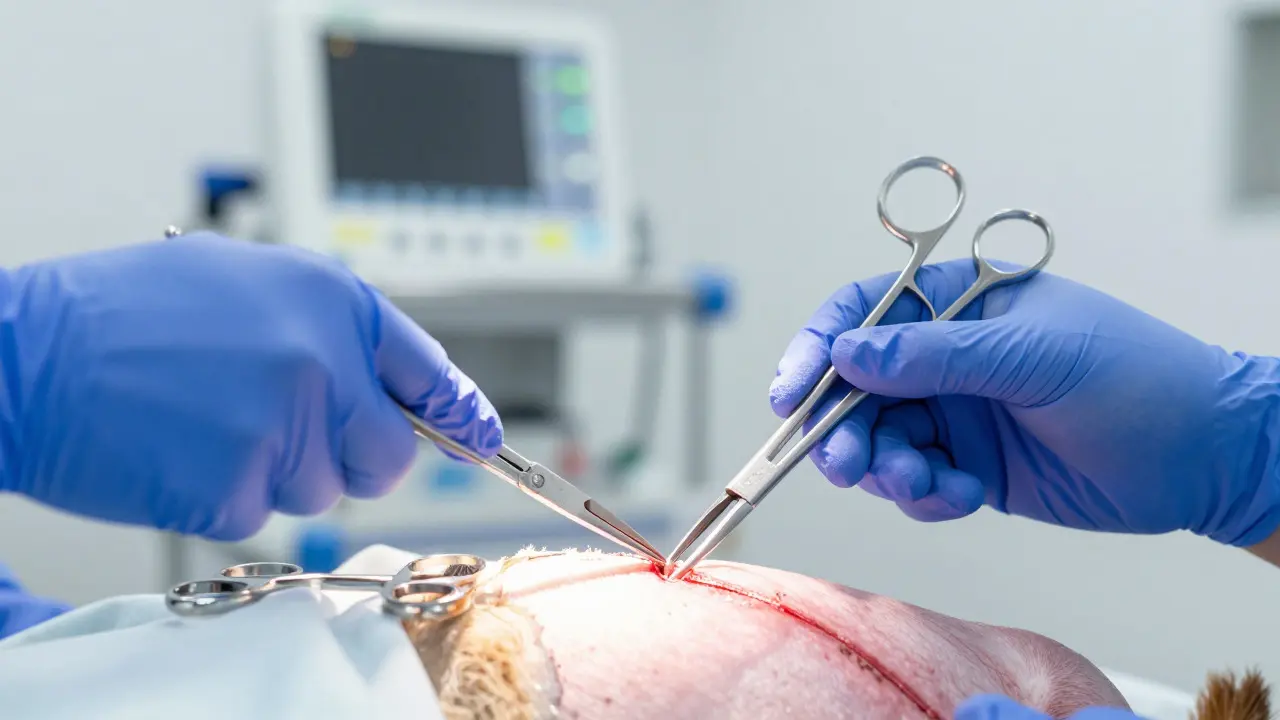
Ever wondered what actually happens inside that sterile operating room when your dog is under anesthesia for a spay? It’s not just a quick cut and stitch. A canine ovariohysterectomy is a major abdominal surgical procedure involving the removal of both ovaries and the uterus to prevent reproduction in female dogs. This process requires precise anatomical knowledge, strict aseptic techniques, and careful monitoring to ensure your pet wakes up safe and sound. Understanding the specific steps veterinarians take can ease your mind and help you prepare better for the day of surgery.
Why the Procedure Is More Than Just Neutering
People often lump spaying and neutering together, but they are distinct medical events. While neutering males involves removing testicles, spaying females is an abdominal surgery. The veterinarian must enter the body cavity to access the reproductive organs. This makes it more invasive than a male castration. The primary goal is sterilization, but there are significant health benefits too. Removing the ovaries eliminates the source of estrogen and progesterone, which drastically reduces the risk of mammary tumors later in life. If performed before the first heat cycle, the risk drops by nearly 90 percent. Additionally, it prevents pyometra, a life-threatening infection of the uterus that affects about 25 percent of unspayed dogs as they age.
The Critical Pre-Operative Phase
Surgery doesn’t start when the knife touches skin; it starts days before. Your vet will likely ask you to withhold food after midnight on the night before surgery. This is crucial because general anesthesia relaxes the esophageal sphincter, increasing the risk of aspiration pneumonia if stomach contents rise into the lungs. Water is usually allowed until two hours before pickup, though some clinics restrict this too. During the final check-up, the vet assesses blood work to ensure kidney and liver function are normal. They also assign an Anesthetic Risk Class (ASA status). A healthy young dog might be ASA I, while an older dog with heart issues could be ASA III, requiring closer monitoring or different drug choices.
Anesthesia: Putting Your Dog to Sleep Safely
Once at the clinic, the team prepares your dog for general anesthesia is a state of unconsciousness where the patient feels no pain and has no memory of the event, maintained by inhalant gases and injectable drugs. This isn’t just one shot. It’s a multi-step protocol. First, an IV catheter is placed in the leg to deliver fluids and emergency drugs quickly. Next, pre-medication is given intramuscularly to calm the dog and reduce stress. Finally, induction agents are injected to put the dog to sleep within seconds. Once unconscious, an endotracheal tube is inserted into the trachea to secure the airway. From here, inhalant anesthetics like isoflurane or sevoflurane keep the dog asleep throughout the operation. Monitors track heart rate, oxygen saturation, and temperature continuously. If any metric drifts out of range, the anesthesiologist adjusts the gas mixture immediately.
The Surgical Steps: What the Vet Actually Does
With the dog asleep and positioned on its back, the surgeon begins the actual spay. Here is the breakdown of the physical actions:
- Shaving and Disinfection: The hair over the midline abdomen is shaved. The area is scrubbed with chlorhexidine or iodine solution to kill surface bacteria.
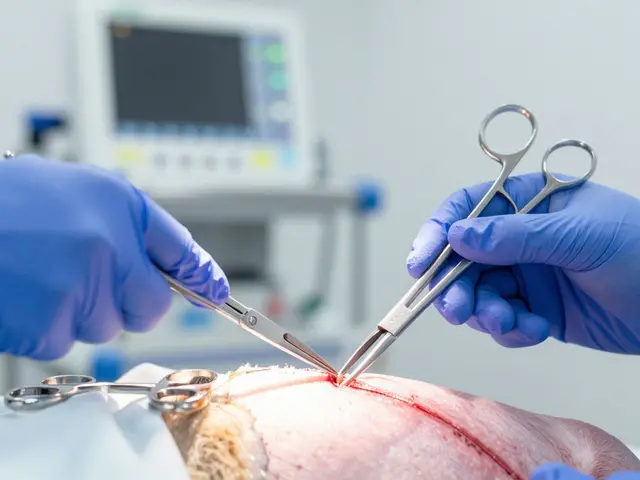
- Incision: A vertical incision is made in the skin and subcutaneous tissue, typically from just below the navel to the pubic bone. Some vets prefer a horizontal incision, but vertical offers better access to the deep structures.
- Entering the Abdomen: The muscle layers are separated bluntly or with electrocautery. The peritoneum (the lining of the abdominal cavity) is opened carefully to avoid nicking intestines.
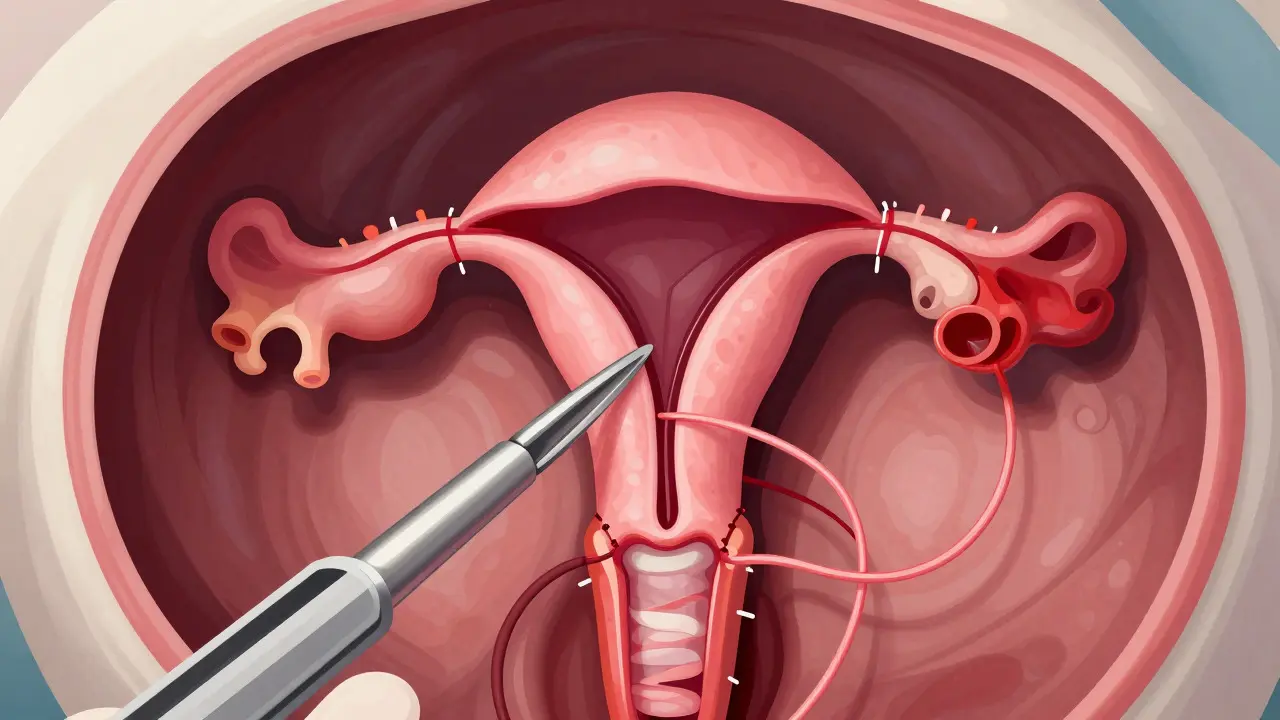
- Exposing the Uterus: The surgeon gently pulls the uterus out of the abdomen using forceps. This allows visualization of the uterine horns and the ovaries attached at the ends.
- Ligating the Ovaries: Sutures (stitches) are tied around the ovarian pedicles to stop blood flow. The ovaries are then cut away and removed.
- Ligating the Uterus: The base of the uterus is clamped and sutured shut. The entire uterus is then amputated from the pelvic floor.
- Closure: The abdominal wall is closed in layers. Deep tissues are sutured, followed by the skin. Skin closure can be done with sutures, staples, or dissolvable glue, depending on the dog’s size and coat type.
The whole process usually takes between 30 to 60 minutes, depending on the dog’s size and how clean the anatomy is. Larger dogs take longer simply because the organs are bigger and harder to handle.
Recovery and Monitoring
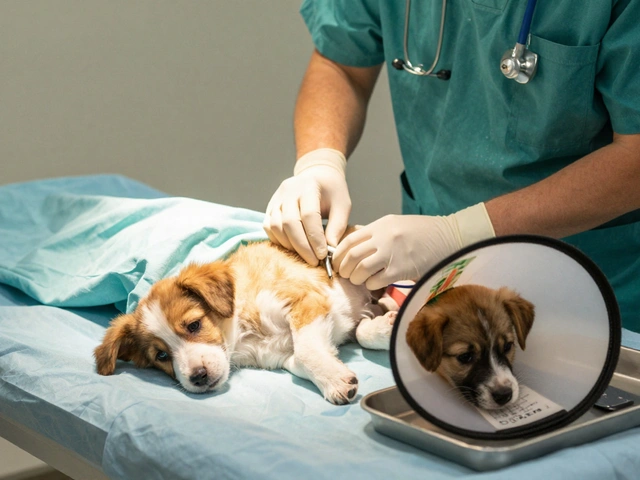
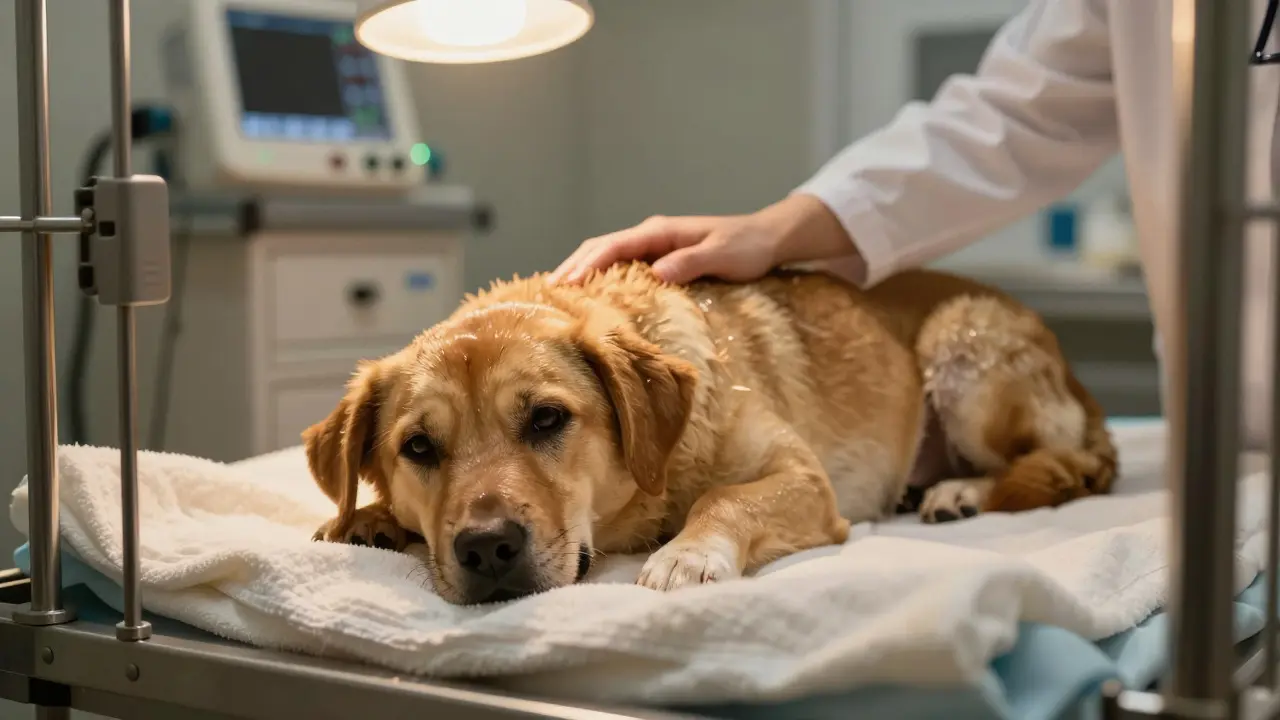
After the skin is closed, the anesthesia is turned off. The dog is kept warm with heating pads or forced-air warming blankets, as hypothermia is a common risk during long procedures. The endotracheal tube is removed once the dog swallows reflexively. For the next hour or two, your dog will be in a recovery cage. Vets watch for coughing, shivering, or abnormal breathing. Pain management is critical here. Most modern clinics use multimodal analgesia, combining opioids like buprenorphine with non-steroidal anti-inflammatories like meloxicam. This approach reduces the total amount of each drug needed, minimizing side effects. You’ll likely go home with a prescription for pain meds and instructions on how to limit activity. No running, jumping, or rough play for 10 to 14 days. The incision site should be checked daily for redness, swelling, or discharge. E-collar usage is mandatory to prevent licking, which can introduce bacteria and undo the stitches.
| Feature | Female Spay (Ovariohysterectomy) | Male Neuter (Castration) |
|---|---|---|
| Surgical Depth | Abdominal (major) | Scrotal (minor) |
| Organs Removed | Ovaries and Uterus | Testicles |
| Average Duration | 30-60 minutes | 10-20 minutes |
| Recovery Time | 10-14 days restricted activity | 7-10 days restricted activity |
| Primary Health Benefit | Prevents Pyometra & Mammary Cancer | Prevents Testicular Cancer & Prostate Issues |
Common Risks and How Vets Mitigate Them
No surgery is without risk, but serious complications are rare in healthy dogs. The most common issue is hemorrhage, where a vessel bleeds internally. To prevent this, surgeons use hemostats (clamps) and electrocautery tools to seal small vessels as they work. Another risk is ileus, where the intestines slow down due to anesthesia. This is managed by keeping the dog hydrated and encouraging gentle movement as soon as she is alert. Infection is another concern, but with proper sterile technique and prophylactic antibiotics in high-risk cases, the incidence is low. If you notice lethargy, loss of appetite, or a fever (rectal temp above 103°F) three days after surgery, call your vet immediately. These are early signs of something going wrong.
Frequently Asked Questions
Does my dog need to fast before spay surgery?
Yes, generally. Withhold all food after midnight the night before surgery to prevent aspiration. Water rules vary by clinic, so confirm with your vet, but typically water is stopped 2 hours before arrival.
How long does a dog stay at the vet after spaying?
Most dogs are sent home the same day. They spend about 1-2 hours in recovery waking up from anesthesia. If your dog is very large, senior, or had a complicated surgery, an overnight stay might be recommended.
What is the difference between a laparoscopic spay and traditional spay?
A traditional spay uses one large incision. A laparoscopic spay uses three small incisions and a camera. Laparoscopy is less painful and heals faster, but it requires specialized equipment and training, making it more expensive and not available at every clinic.
Can my dog get pregnant again after being spayed?
No. Since the ovaries and uterus are removed, there is no egg to fertilize and no place for a fetus to grow. Sterilization is permanent.
How much pain does a dog feel during recovery?
Modern pain management keeps discomfort minimal. Dogs may be groggy or quiet, but they rarely show obvious signs of severe pain like whining or trembling if prescribed medications are given correctly. Watch for restlessness or refusal to eat as signs of unmanaged pain.