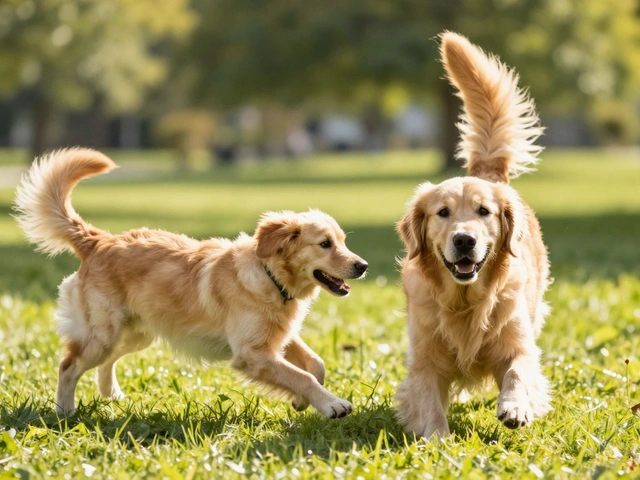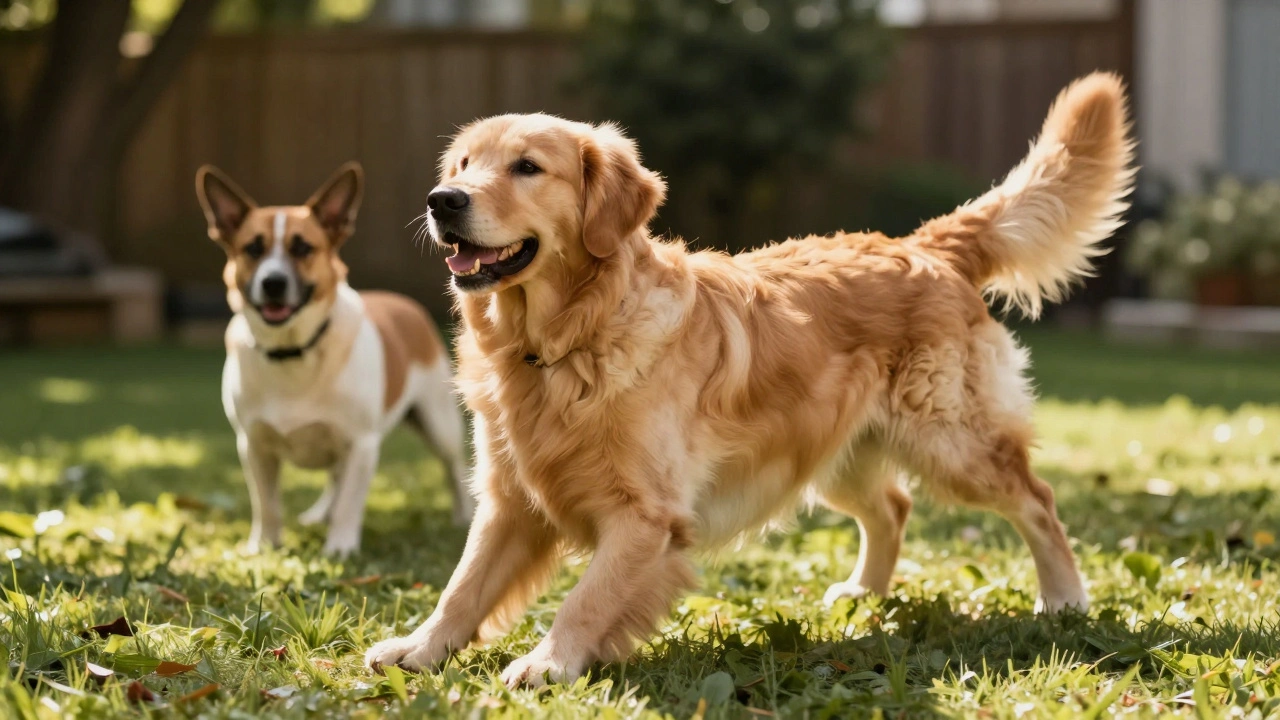
Ever watched two dogs zoom around the yard like they’re in a cartoon, then suddenly one drops into a funny low stretch with their butt in the air and head on the ground? That’s the play bow-and it’s not just cute. It’s a full-on communication tool. Dogs use it to say, ‘I’m not being aggressive-I’m playing!’ But if you don’t know what else to look for, you might miss the whole conversation. Play isn’t chaos. It’s a dance, and dogs have a clear script. Learning their signals keeps play safe, fun, and balanced.
What Is the Play Bow, Really?
The play bow is one of the most universal dog signals. It’s not random. A dog will lower their front half while keeping their rear up, tail wagging, and often panting with a relaxed mouth. Their whole body looks loose, not stiff. This isn’t a begging pose or a stretch after a nap. It’s intentional. Studies from the University of California, Davis show that dogs use the play bow before initiating play, after a pause, or even after a mild nip to reset the mood. It’s a visual reset button. Without it, a fast chase or a rough tumble could be mistaken for aggression.
Here’s the thing: not every dog does it the same way. Some do a full bow, others just dip their shoulders. Some wag their tails like crazy, others barely move. But the key is context. If a dog does this while another is charging at them, it’s a signal. If they do it after a quick bite, it’s an apology. If they do it while alone? Probably just stretching.
Why Breaks Matter More Than You Think
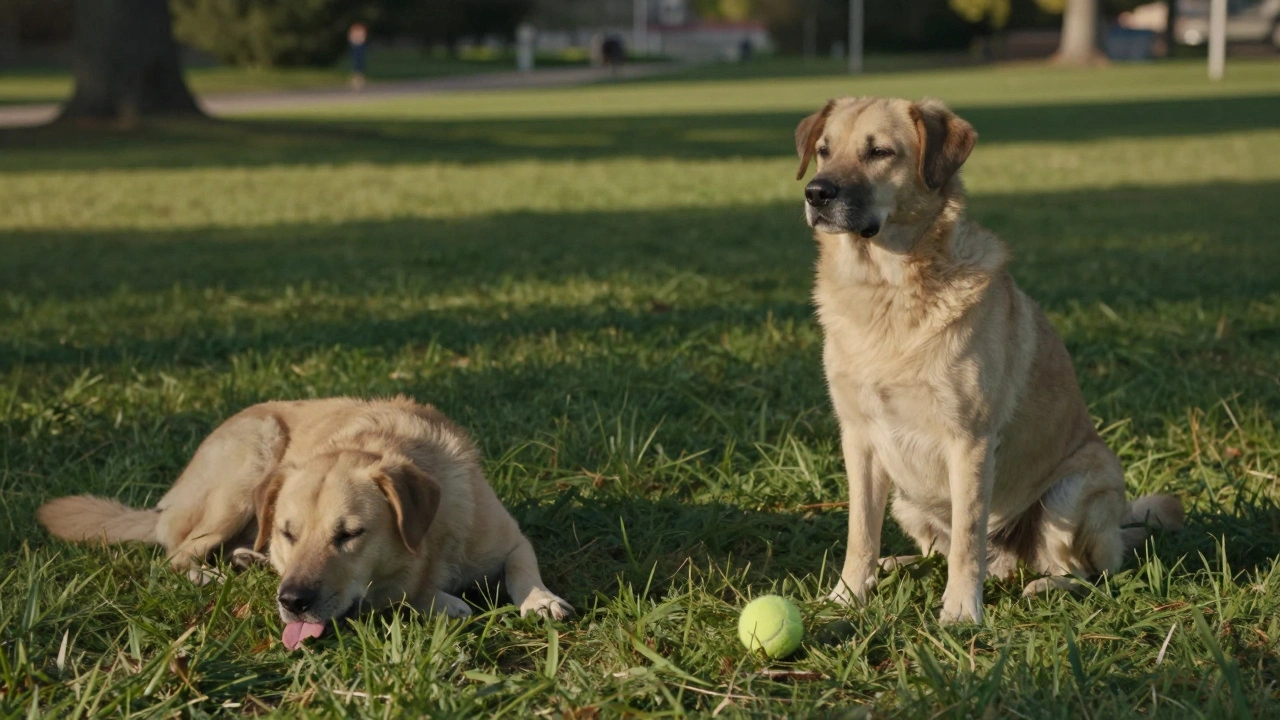
Dog play isn’t nonstop. Real, healthy play has rhythm. It has pauses. These aren’t failures-they’re essential. Think of it like a game of tennis. Players don’t volley nonstop. They reset. Dogs do the same. A break might look like a dog lying down, turning away, sniffing the ground, or even walking a few steps away. These aren’t signs of boredom. They’re self-regulation.
A 2023 study from the Canine Behavior Lab in Oregon tracked 87 play sessions and found that 72% of successful, balanced play sessions included at least one break lasting 10-30 seconds. Dogs that didn’t take breaks were more likely to escalate into mounting, over-biting, or even snapping. Breaks let them reset their heart rate, cool down emotionally, and check in with their partner. If you’re watching two dogs play and they never stop, that’s a red flag. They’re not having fun-they’re stuck in a loop.
Let them pause. Don’t rush them back into it. If one dog tries to initiate again and the other ignores them, that’s okay. It’s part of the conversation.
Other Key Signals You Should Know
The play bow and breaks are the big ones, but they’re not the whole story. Dogs use a whole set of signals to keep play fair. Here are the ones you need to watch:
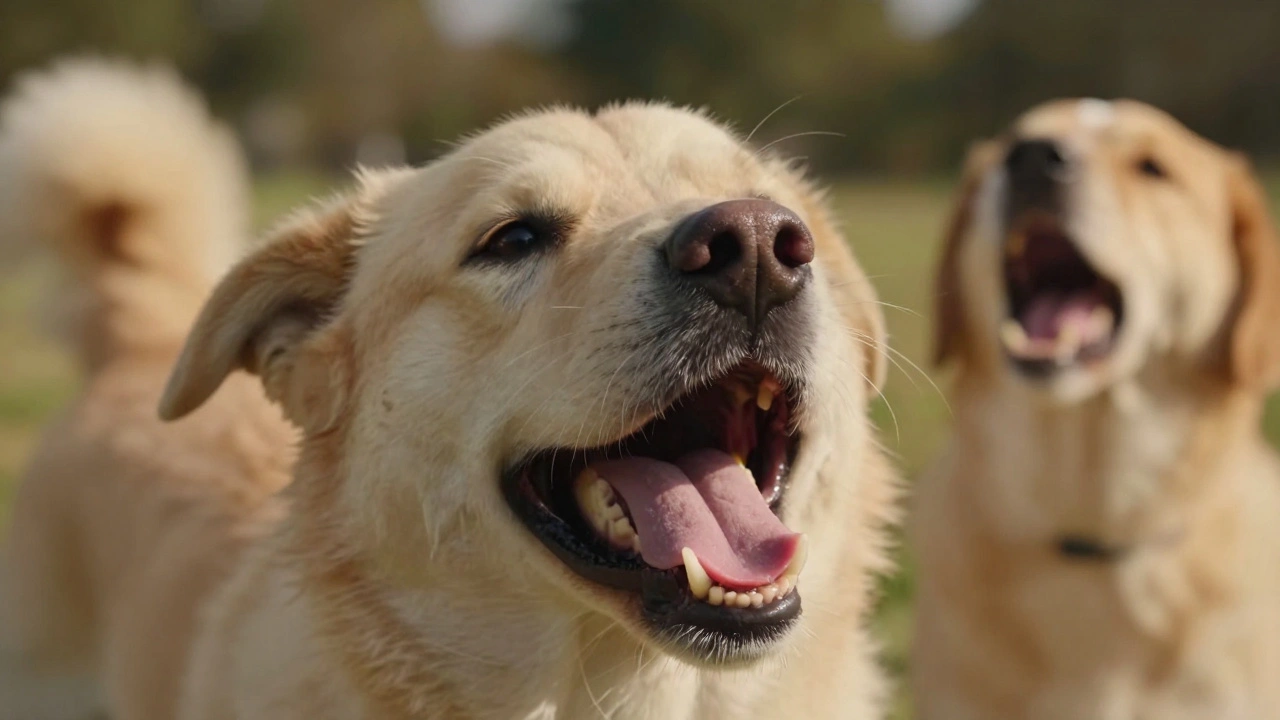
- Relaxed face-Eyes soft, mouth slightly open, tongue out. A stiff face, closed mouth, or wrinkled nose means tension.
- Self-handicapping-A bigger dog might let a smaller one “win” by slowing down or rolling over. This isn’t weakness. It’s control.
- Role switching-Good play includes taking turns being the chaser and the chased. If one dog is always on top, it might be bullying.
- Play sneeze-A short, sharp exhale through the nose that sounds like a sneeze. It’s not illness. It’s a signal to calm things down.
- Play face-A wide, open-mouthed grin with no teeth showing. It’s the dog version of laughing.
Watch for mismatched signals. If one dog is all play bow and wagging, but the other has a stiff tail, low ears, or is avoiding eye contact, the play isn’t mutual. That’s when you step in.
When Play Goes Too Far
Not all play looks like fun. Some dogs get stuck in overdrive. Signs of rough or unbalanced play include:
- One dog constantly pinning the other with no chance to escape
- High-pitched yelps or whining that aren’t play sounds
- Staring intensely without blinking
- One dog repeatedly trying to initiate while the other avoids or hides
- Growling that sounds deep and guttural, not playful
Real play has give-and-take. If one dog is always the target, or if they’re not able to disengage, it’s not play-it’s stress. A 2022 survey of 500 dog owners in the Pacific Northwest found that 38% of dogs who played without breaks showed signs of anxiety afterward, like pacing, excessive licking, or refusing food. That’s not normal. That’s a sign they didn’t enjoy it.
If you see this, calmly interrupt. Call your dog away. Give them space. Let them reset. Don’t yell. Don’t pull them apart. Just create a pause. You’re not stopping fun-you’re protecting it.
How to Help Your Dog Play Well
You don’t need to be a dog whisperer to help your pup play safely. Here’s how:
- Watch first, intervene only if needed. Most dogs sort it out themselves.
- Let them take breaks. Don’t shove them back into play.
- Match energy levels. A high-drive dog with a shy one? That’s asking for trouble.
- Watch for body language, not just noise. A loud dog isn’t always having fun.
- If your dog always initiates but gets ignored, they might need better social skills. Try structured playdates with calm dogs.
Some dogs just need practice. If your dog tends to get too rough, try short play sessions with a patient, experienced dog. Let them learn the rhythm. Over time, they’ll start using the play bow more, take breaks naturally, and even give play sneezes.
What to Do If Your Dog Doesn’t Play
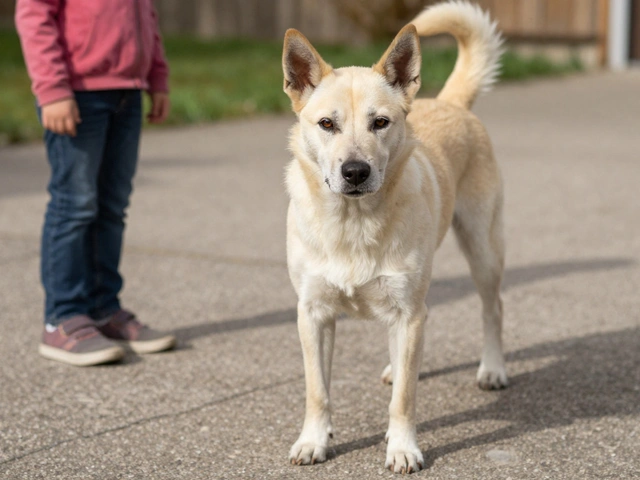
Not all dogs are social butterflies. Some are quiet, some are anxious, some just don’t care. That’s okay. But if your dog used to play and stopped, or if they always seem scared during play, there’s a reason. Past trauma, lack of early socialization, or even medical pain can make play feel threatening. If you’re unsure, talk to a certified dog behaviorist. Don’t force it. Let them set the pace.
Play isn’t a requirement. Connection is. A dog who sits quietly beside you on the porch is just as loved as one who’s chasing a ball.
Is the play bow always a sign of good intentions?
Most of the time, yes. The play bow is a reliable signal that a dog wants to play, not fight. But context matters. If a dog does it right before lunging or barking aggressively, it could be a manipulative tactic to get closer. Watch the rest of their body: if their tail is stiff, ears are pinned, or they’re staring intensely, the bow might be fake. Look for the whole package-loose body, wagging tail, relaxed face.
How long should a dog play break last?
Typically 10 to 30 seconds. That’s enough time for a dog to catch their breath, look around, sniff, or even walk away. Some breaks are shorter-a quick glance away, a nose lick. Others are longer if the play got intense. If a dog takes more than a minute to reset, they might be overwhelmed. Let them rest longer.
Can dogs play too much?
Yes. Dogs can get overstimulated, especially if they’re young, high-energy, or haven’t learned self-control. Signs include glazed eyes, frantic circling, or not responding to their name. If play lasts longer than 20-30 minutes without a break, it’s time to pause. Even dogs who love to play need downtime. Overdoing it leads to exhaustion, irritability, or even injury.
Why does my dog play-bow at me?
They’re inviting you to play. It’s their way of saying, ‘Let’s have fun together.’ You can respond by crouching down, tossing a toy, or gently chasing them. Don’t ignore it. That signal is their way of bonding. If you respond positively, they’ll use it more often. It’s a gift.
Do all dogs use the play bow?
Most do, but not all. Some breeds, like Greyhounds or Shiba Inus, use subtler signals. Others, especially dogs with limited social experience, may not have learned it. Dogs with past trauma or anxiety might avoid play altogether. It doesn’t mean they’re broken-it means they need time and patience. You can still build trust without play.