
Your dog’s energy levels, coat shine, and immune system don’t just happen by accident. They rely on a precise balance of micronutrients that most commercial foods handle automatically, but which can go wrong if you’re feeding raw diets, home-cooked meals, or dealing with specific health issues. Understanding the vitamins and minerals essential for dog health helps you spot deficiencies early and avoid over-supplementing, which can be just as dangerous as lacking nutrients.
Dogs are obligate carnivores with unique metabolic needs compared to humans. While they can synthesize some compounds, others must come directly from their food. If you’ve ever wondered why your vet recommends specific supplements or why certain ingredients appear in high-quality kibble, this is where the science meets the bowl.
The Core Vitamins Your Dog Needs Daily
Vitamins act as coenzymes, helping enzymes do their jobs. Without them, even the best protein source won’t be fully utilized. Here are the non-negotiables:
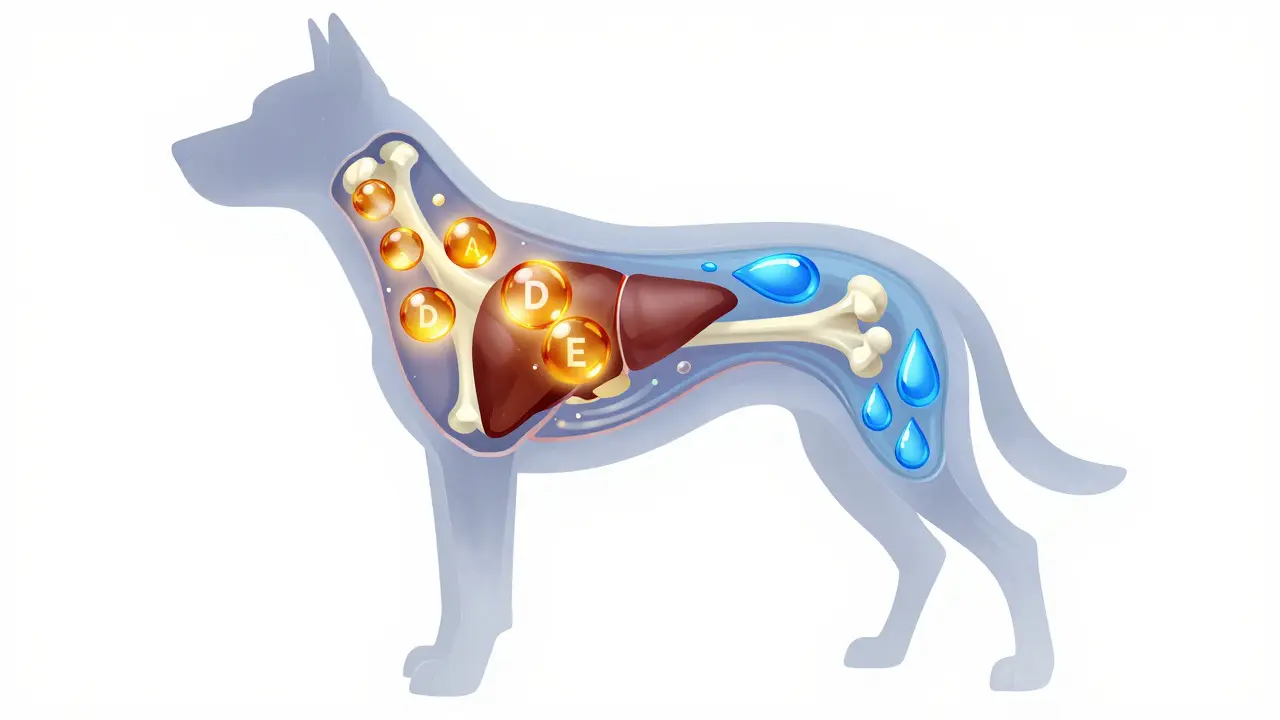
- Vitamin A: Critical for vision, skin integrity, and immune function. Deficiency leads to night blindness and dry, flaky skin. Excess causes bone pain and liver damage. It’s fat-soluble, meaning it stores in the body, so moderation is key.
- Vitamin D3: Unlike plants, dogs get most Vitamin D through cholesterol metabolism in the skin when exposed to sunlight, but dietary intake is still vital for calcium absorption. Deficiency results in rickets in puppies and weak bones in adults.
- Vitamin E: A powerful antioxidant that protects cell membranes from oxidative stress. It works synergistically with Vitamin A. Low levels can cause muscle weakness and poor reproductive health.
- B-Complex Vitamins: This group includes B1 (thiamine), B2 (riboflavin), B3 (niacin), B6, B12, and folate. They are water-soluble, meaning excesses are excreted in urine. They drive energy production, nerve function, and red blood cell formation. Deficiencies often manifest as lethargy, poor appetite, or neurological signs like tremors.
- Vitamin K: Essential for blood clotting. Dogs produce some in the gut via bacteria, but dietary sources ensure adequate supply. Lack of Vitamin K leads to prolonged bleeding after minor cuts.
Key Minerals That Build Strong Bones and Teeth
Minerals provide structure and electrical signals. Two stand out above the rest due to their structural role:
- Calcium: The backbone of skeletal health. Puppies need precise amounts to support rapid growth without causing joint issues later. Adult dogs require steady intake to maintain bone density. The ideal calcium-to-phosphorus ratio is approximately 1.2:1 to 1.4:1.
- Phosphorus: Works hand-in-hand with calcium. Too much phosphorus relative to calcium pulls calcium from bones, leading to weakness. Kidney disease patients often need strict phosphorus control.
Beyond the big two, trace minerals play subtle but critical roles:
- Zinc: Vital for wound healing, immune response, and healthy skin. Zinc deficiency is common in German Shepherds and other breeds prone to dermatitis, causing hair loss and scaly patches.
- Iron: Required for hemoglobin production. Iron-deficiency anemia presents as pale gums, fatigue, and rapid breathing during mild exercise.
- Copper: Needed for iron utilization and connective tissue strength. Collies and Shetland Sheepdogs have a genetic condition affecting copper transport, requiring special management.
- Selenium: An antioxidant that supports thyroid function. Deficiency is rare in commercial diets but possible in all-plant-based raw feeds.
Understanding Fat-Soluble vs. Water-Soluble Nutrients
This distinction matters because it dictates how much you can safely give. Fat-soluble vitamins (A, D, E, K) accumulate in the liver and adipose tissue. Overdosing these can lead to toxicity within weeks. For example, excessive Vitamin A can cause hypercalcemia and bone deformities in growing puppies.
Water-soluble vitamins (B-complex and C) dissolve in water and are flushed out through urine. This makes toxicity less likely, but chronic deficiency remains a risk if the diet is unbalanced. Note that dogs don’t require Vitamin C in their diet because they synthesize it endogenously, unlike humans. However, adding small amounts can help reduce oxidative stress in older dogs or those with arthritis.
| Nutrient | Primary Function | Deficiency Sign | Toxicity Risk |
|---|---|---|---|
| Vitamin A | Vision, Immunity | Night Blindness | High (Bone Pain) |
| Vitamin D3 | Calcium Absorption | Rickets/Osteomalacia | Moderate (Kidney Stones) |
| Zinc | Skin Health, Wound Healing | Dermatitis | Low (Copper Interference) |
| Iron | Oxygen Transport | Anemia | Moderate (Organ Damage) |
| Calcium | Bone Structure | Twitching, Weak Bones | High (Hypercalcemia) |
When Supplements Are Actually Necessary
Most healthy dogs eating a complete and balanced commercial diet don’t need extra vitamins. AAFCO standards ensure that formulated foods meet minimum requirements for each life stage. However, there are scenarios where supplementation becomes critical:
- Raw Diets: Unless meticulously formulated by a veterinary nutritionist, raw diets often lack consistent levels of Vitamin D, Calcium, and Taurine. Randomly mixing meat and organs rarely hits the exact ratios needed.
- Senior Dogs: As dogs age, their ability to absorb nutrients decreases. Joint support supplements containing Glucosamine and Chondroitin (though not vitamins, they work alongside them) plus Omega-3 fatty acids become valuable.
- Pregnant or Nursing Mothers: Demand for Calcium, Phosphorus, and B-vitamins spikes. Insufficient intake can lead to milk fever (hypocalcemia) in the dam and stunted growth in pups.
- Chronic Conditions: Dogs with kidney disease may need restricted phosphorus and added potassium. Heart failure patients might benefit from Coenzyme Q10 and L-Carnitine to support cellular energy.
Always consult your veterinarian before adding supplements. Combining multiple products can easily push a nutrient over the safe upper limit. For instance, giving a multivitamin alongside a joint supplement that already contains Vitamin E can lead to cumulative exposure.
Common Myths About Dog Nutrition
Let’s clear up some misconceptions that circulate in pet owner groups:
"More Vitamin C is better." False. Dogs make their own Vitamin C. High doses can actually increase oxalate stone formation in susceptible breeds. Stick to therapeutic doses only under medical advice.
"Liver is a superfood, so I should feed lots." Liver is rich in Vitamin A, but feeding more than 10% of the total diet can lead to hypervitaminosis A. Balance is everything.
"Grain-free means healthier." Not necessarily. Removing grains often requires replacing carbohydrates with legumes or potatoes, which can alter mineral absorption. The focus should be on whole-food ingredients, not just the absence of wheat or corn.
How to Spot Deficiencies Early
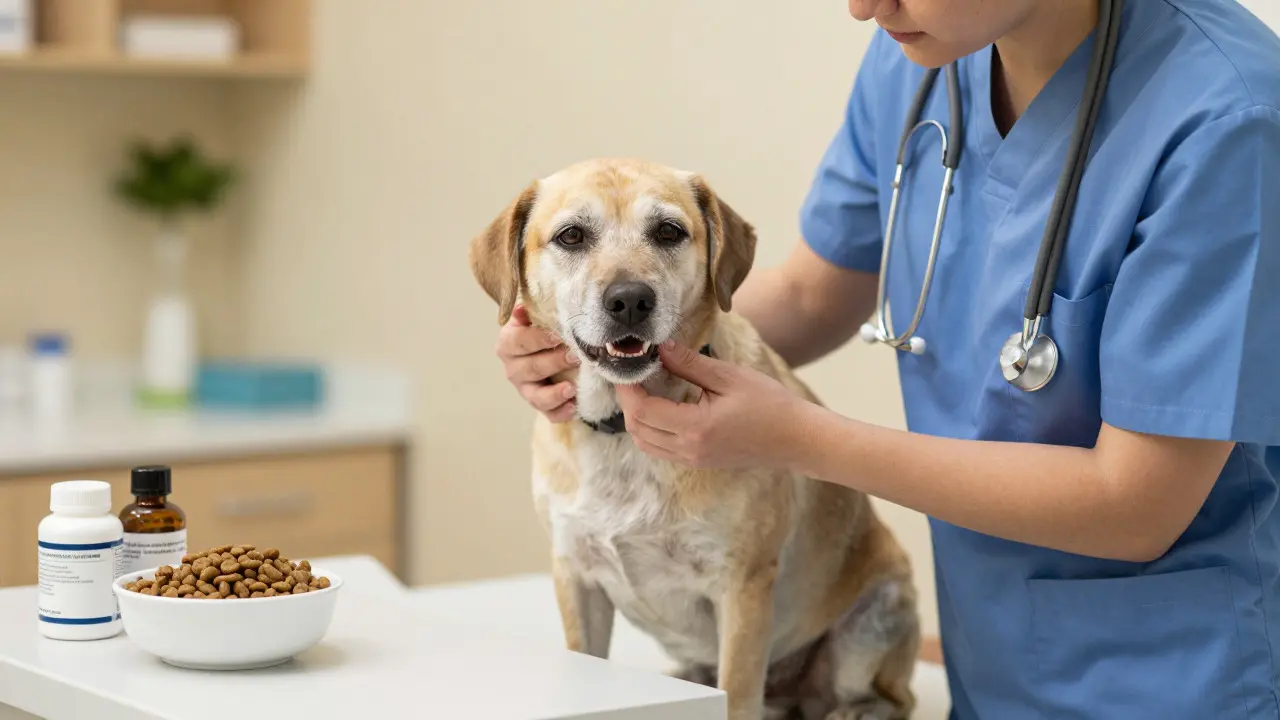
Your dog can’t tell you they feel off, but their body will show signs. Keep an eye out for:
- Dull, dry, or thinning coat despite regular brushing.
- Pale or yellowish gums indicating anemia or liver issues.
- Slow wound healing or frequent skin infections.
- Lethargy or reluctance to exercise, which could signal B-vitamin or iron deficiency.
- Abnormal bone growth or joint stiffness in young dogs, pointing to Calcium/Vitamin D imbalances.
If you notice any of these, don’t self-diagnose with internet searches. A simple blood panel can reveal nutrient levels and organ function, guiding targeted intervention.
Frequently Asked Questions
Do dogs need multivitamins?
Generally, no. If your dog eats a commercially prepared, AAFCO-compliant diet, it already contains the necessary vitamins and minerals. Multivitamins are usually reserved for dogs on homemade diets, those recovering from illness, or those with specific diagnosed deficiencies.
What happens if my dog eats too many vitamins?
Toxicity depends on the type. Fat-soluble vitamins like A and D can build up to toxic levels, causing bone pain, kidney stones, or liver damage. Water-soluble vitamins are excreted more easily, but extreme overdoses can still cause gastrointestinal upset or metabolic imbalances. Always follow label dosages.
Can I give human vitamin supplements to my dog?
Proceed with caution. Human formulations often contain higher concentrations than dogs need. For example, human Vitamin D drops are potent and easy to overdose on. Some human supplements also include xylitol or other additives toxic to dogs. Use pet-specific products unless directed otherwise by a vet.
Which minerals are most important for puppy growth?
Calcium and Phosphorus are the top priorities for skeletal development. Copper and Zinc are also crucial for proper bone matrix formation and immune maturation. Ensuring the correct ratio of these minerals prevents developmental orthopedic diseases like hip dysplasia.
Does my senior dog need different vitamins?
Seniors may have reduced absorption rates. While they don't need fundamentally different vitamins, they might benefit from antioxidants like Vitamin E and Selenium to combat oxidative stress. Joint-supporting nutrients and easily digestible forms of minerals are often recommended to maintain quality of life.