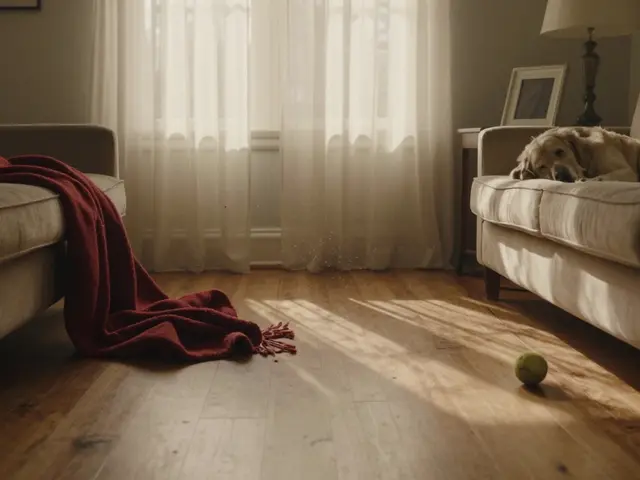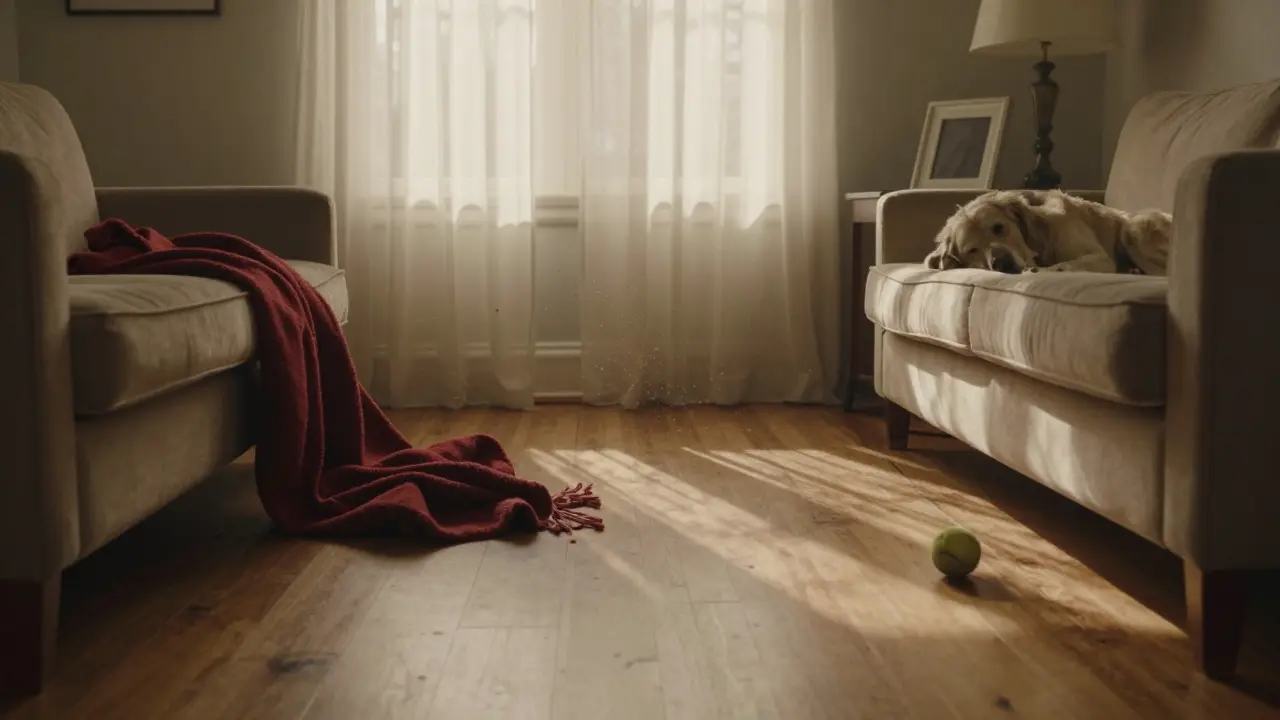
It happens faster than you expect. One day your senior dog is still dragging their favorite toy across the living room floor; the next, they are gone. The silence in the house hits differently when the animal was part of the family for a decade or more. You might feel confused, guilty, or even angry that no one else seems to understand why you are crying over a "just a dog." That reaction is normal. Losing a companion who aged alongside you triggers a complex emotional response known as pet bereavement, which involves stages of shock, denial, anger, depression, and acceptance similar to human grief.
Understanding the Weight of Pet Loss
Grief after losing a companion animal is not just about missing a pet; it is about mourning a relationship. For many owners, a senior dog becomes a primary source of daily structure and unconditional affection. When that bond breaks, the routine collapses. Studies from the American Veterinary Medical Association suggest that up to 70% of pet owners experience significant grief reactions after losing an animal. Yet, unlike human death, pet loss often lacks formal social rituals like funerals or extended condolences, leaving the owner to process the emotion alone.
The intensity of this grief is directly linked to the length of ownership. A dog that lived with you through your career changes, moves, or personal challenges becomes woven into your identity. Their passing can trigger secondary losses, such as the end of daily walks, the loss of purpose in feeding schedules, or the sudden quiet of a home that used to be full of paws on hardwood floors.
Immediate Steps to Stabilize Your Routine
In the first few days, your brain is in survival mode. Do not force yourself to make big decisions immediately. Instead, focus on small, manageable actions to prevent the chaos of disorganization from adding to your stress.
- Handle logistics calmly: Decide whether to bury, cremate, or donate the body. If you choose home burial, check local zoning laws first. If opting for professional services, look for providers who offer individual vs. communal cremation options.
- Manage belongings: Do not throw away everything at once. Keep a few key items, like a collar or a favorite blanket, in a box. You can revisit these items in a few weeks when the initial shock fades.
- Maintain basic self-care: Eat regular meals, drink water, and try to sleep in your own bed. Disrupted sleep patterns are common during acute grief but can worsen anxiety if left unmanaged.
Practical Coping Strategies for Daily Life
Coping is not about "getting over" the loss quickly. It is about integrating the memory of your dog into your life while continuing to function. Here are specific techniques that help manage the emotional weight without suppressing it.
- Create a memorial ritual: This could be lighting a candle on the anniversary of their adoption date, planting a tree in their honor, or creating a photo album. Rituals provide closure and a tangible way to say goodbye.
- Talk about them openly: Share stories with friends or family. If people minimize your feelings by saying "it was just a dog," set a boundary. Explain that this was a lifelong partnership.
- Adjust your physical space: If seeing their food bowl hurts, move it out of sight. If their sleeping spot feels empty, rearrange the furniture slightly. Changing the environment can signal to your brain that a new chapter has begun.
- Engage in physical activity: Grief is stored in the body. Walking, yoga, or swimming helps release tension and regulates mood-boosting hormones like endorphins.

Finding Professional and Community Support
You do not have to navigate this alone. There are specialized resources designed to help pet owners process loss. These range from online communities to licensed therapists trained in pet bereavement.
| Resource Type | Best For | Key Benefit | Cost Estimate |
|---|---|---|---|
| Online Forums (e.g., Reddit r/petloss) | Immediate peer validation | 24/7 access, anonymous sharing | Free |
| Pet Bereavement Hotlines | Crisis moments, need for human voice | Trained counselors, immediate connection | Free - $50/hr |
| Licensed Therapists (Pet Loss Specialized) | Deep-seated grief, complicated mourning | Personalized therapy, long-term support | $100-$200/session |
| Local Memorial Services | Closure through ritual | Physical ceremony, community gathering | $50-$300 |
When choosing a therapist, ask specifically about their experience with animal-human bond theory, which recognizes pets as significant emotional attachments rather than property. Not all general practitioners understand the unique dynamics of pet loss. Look for credentials in veterinary psychology or certifications from organizations like the National Association of Pet Loss Counselors.
Navigating Social Reactions and Guilt
One of the hardest parts of grieving a senior dog is dealing with external skepticism. Friends might say, "You can always get another dog." While well-meaning, this comment can feel dismissive because it ignores the uniqueness of your specific bond. To handle this, prepare a simple script: "Thank you for caring. This dog was my partner for ten years, so this is a real loss for me."
Guilting is also common. You may wonder if you should have taken them to the vet sooner, or if you made the right decision regarding euthanasia. Remember that senior dogs face complex medical realities. Decisions are rarely black and white. Reflecting on the quality of life metrics you used-such as pain levels, mobility, and appetite-can help validate your choices. Most veterinarians agree that quality of life assessments are subjective but grounded in observable indicators.
When to Consider Adopting Again
There is no timeline for getting a new dog. Some people wait months; others wait years. The key indicator is readiness, not time. Ask yourself these questions before visiting a shelter or breeder:
- Do I miss the *routine* of having a dog, or do I miss *this* dog?
- Am I ready to invest in a puppy's high energy, or do I want a calmer companion?
- Have I processed enough of the grief so that a new dog isn't just a distraction?
If you decide to adopt, consider a rescue organization that specializes in older dogs. They often have animals that match the temperament of your previous senior companion, providing a smoother transition.
Long-Term Integration of Memory
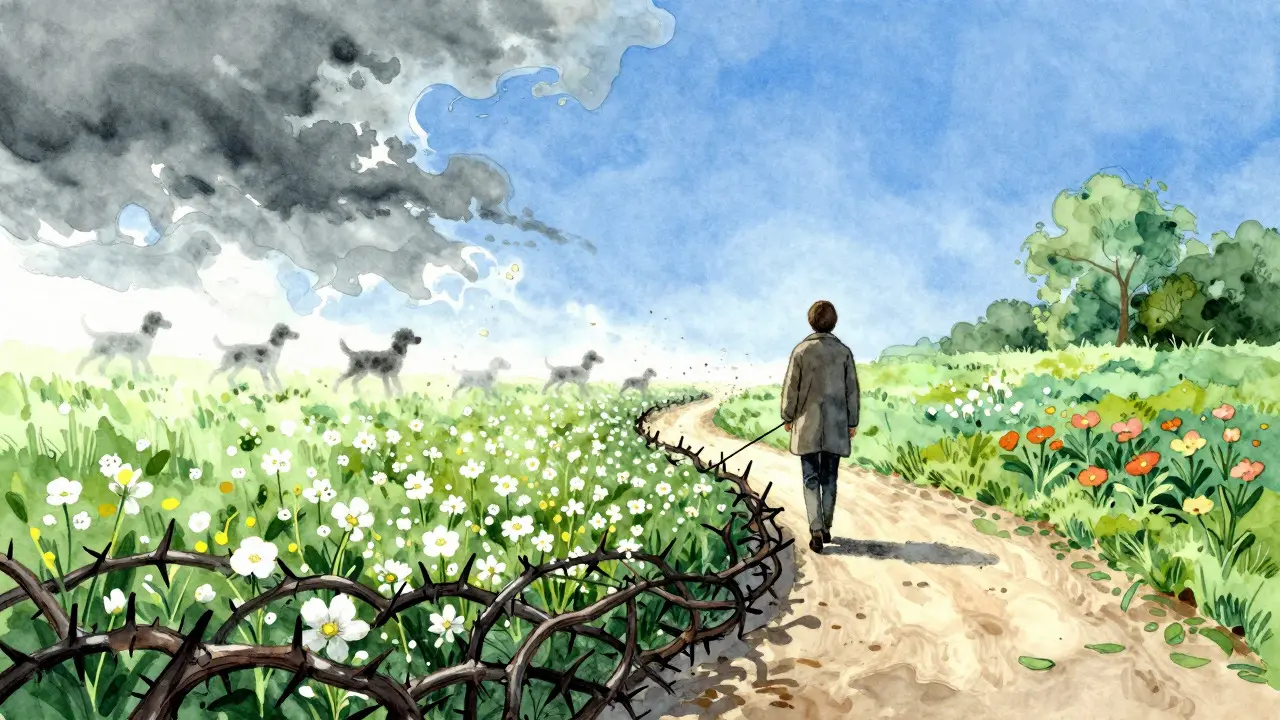
Grief does not disappear; it transforms. Over time, the sharp pain dulls into a warm sadness. You will start to remember happy moments without the sting of loss. This is a healthy sign. Keeping a journal of memories, photos, or videos can help preserve the legacy of your dog. Many owners find comfort in donating their dog's ashes to a charity or using the proceeds from a memorial fund to support animal welfare causes.
FAQ
Is it normal to grieve a dog more than a relative?
Yes. Grief is proportional to the strength of the bond, not the biological relationship. If your dog was your primary source of companionship and joy, your grief will be intense. This is a valid emotional response.
How long does pet grief last?
There is no fixed timeline. Acute grief typically lasts 2-6 weeks, but the process of integration can take 6-18 months. Milestones like birthdays or holidays may trigger waves of sadness even a year later.
Should I keep my dog's belongings?
Keep what brings comfort, not clutter. Store sentimental items in a dedicated box. Avoid keeping too many items visible in daily spaces if they cause distress. You can revisit this decision after a few months.
What if I feel guilty about euthanizing my senior dog?
Euthanasia is often an act of mercy to prevent suffering. Review the quality of life criteria discussed with your vet. If the decision was based on pain, loss of dignity, or inability to enjoy life, it was likely the compassionate choice.
Are there support groups for pet loss?
Yes. Both online forums and local meetups exist. Search for "pet loss support group [your city]" or join national organizations' online communities. Hearing others share similar experiences reduces feelings of isolation.